
While the question of the legality of gay marriage in Texas might seem straightforward given landmark federal rulings, understanding its current status and the nuances within the state requires a closer look. The evolving landscape of LGBTQ+ rights, particularly concerning marriage, has seen significant legal and social shifts across the United States. This article aims to provide a comprehensive overview of the legality of gay marriage in Texas, exploring the foundational legal principles and the ongoing implications for couples.
The Supreme Court Ruling and Its Impact on Texas
The cornerstone of marriage equality in the United States is the U.S. Supreme Court’s decision in Obergefell v. Hodges, decided on June 26, 2015. This landmark ruling declared that the right to marry is a fundamental right guaranteed by the Fourteenth Amendment to the U.S. Constitution and that this right applies equally to same-sex couples. The Court held that states are prohibited from denying marriage licenses to same-sex couples and that states must recognize same-sex marriages lawfully performed in other states.
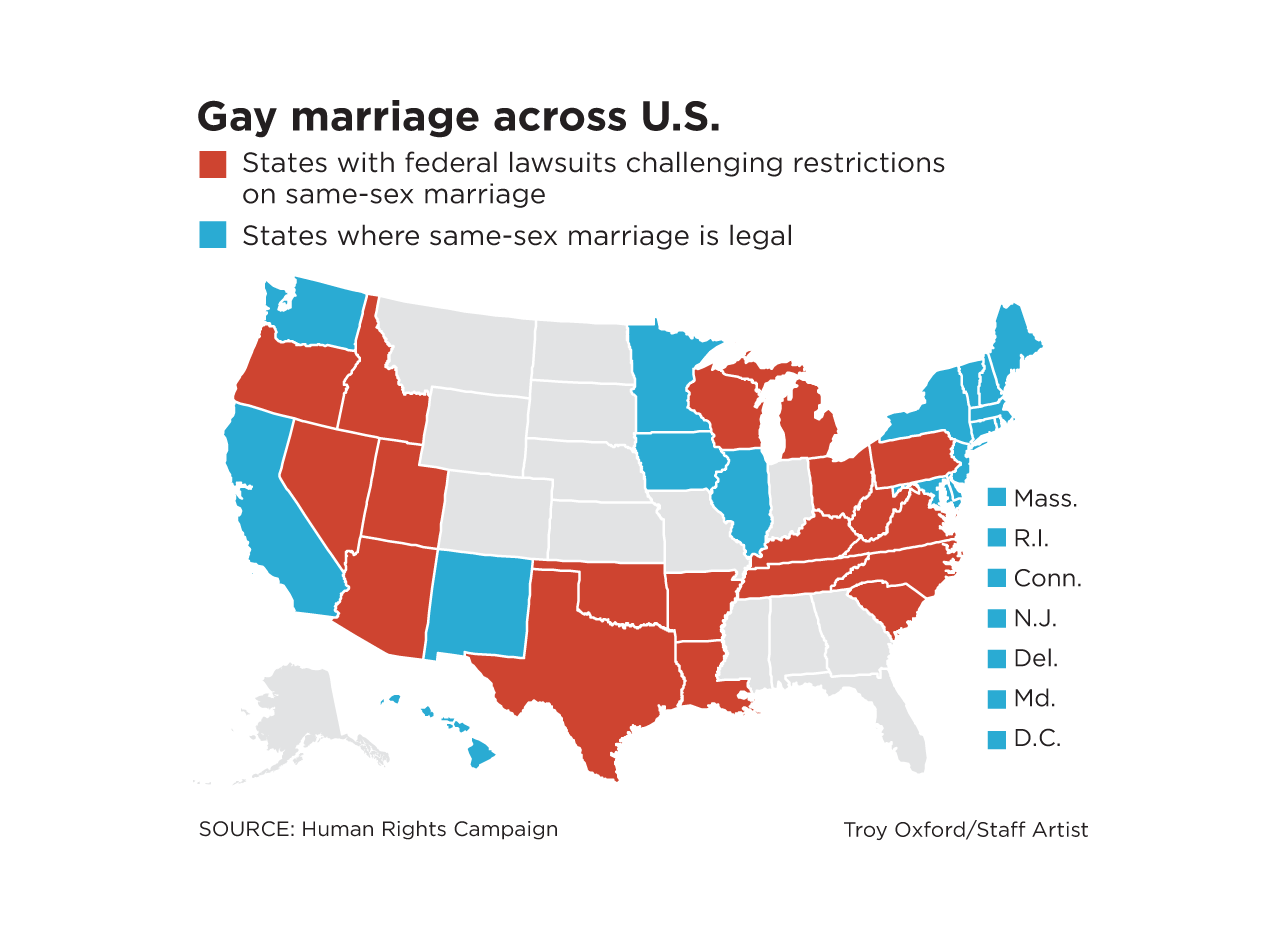
Prior to the Obergefell decision, Texas, like many other states, had constitutional amendments and statutory provisions defining marriage exclusively as a union between one man and one woman. These laws were challenged in numerous court cases leading up to the Supreme Court’s consolidation of the issue. The Obergefell ruling effectively nullified these state-level prohibitions across the nation, including in Texas.
Immediate Consequences of Obergefell v. Hodges
Following the Obergefell decision, same-sex couples in Texas immediately gained the right to:
- Obtain Marriage Licenses: County clerks across Texas were mandated to issue marriage licenses to same-sex couples on the same terms as opposite-sex couples.
- Have Their Marriages Recognized: All marriages lawfully performed within Texas or any other U.S. state or territory would be recognized by the state of Texas. This includes the recognition of benefits and protections associated with marriage, such as those related to inheritance, taxation, healthcare, and family law.
- Access State and Federal Benefits: Couples could now access a wide range of marital benefits provided by both state and federal governments.
The implementation of the ruling was not without its initial challenges, as some local officials expressed resistance or sought clarification. However, the federal mandate from the Supreme Court left no legal ambiguity: gay marriage is legal in Texas.
State-Specific Considerations and Nuances
While the legality of gay marriage is firmly established, it’s important to note that the social and political climate surrounding LGBTQ+ rights can still influence the experience of couples in Texas. The state has a complex history regarding these issues, and while the law is clear, advocacy and legislative efforts continue on various fronts.
Marriage Equality and Local Administration
The administration of marriage licenses in Texas is handled at the county level by county clerks. Following the Obergefell decision, these offices were required to comply with federal law. For the most part, Texas counties have been issuing marriage licenses to same-sex couples without incident. However, there have been instances in the past where individual officials have raised concerns or sought to navigate the new legal landscape with varying degrees of enthusiasm. It is always advisable for couples to confirm specific requirements and procedures with their local county clerk’s office, though the fundamental right to obtain a license is not in question.
Legal Protections and Challenges
The legal protections afforded to married same-sex couples in Texas are, in principle, identical to those for heterosexual married couples, due to the Obergefell ruling and subsequent federal interpretations. These protections encompass a broad spectrum, including:
- Inheritance Rights: Ensuring that a surviving spouse inherits property according to state law or a will.
- Healthcare Decisions: Granting spouses the authority to make medical decisions for their partner.
- Tax Benefits: Allowing for joint filing of state and federal tax returns.
- Parental Rights: Providing a legal framework for child custody, adoption, and recognition of both parents.
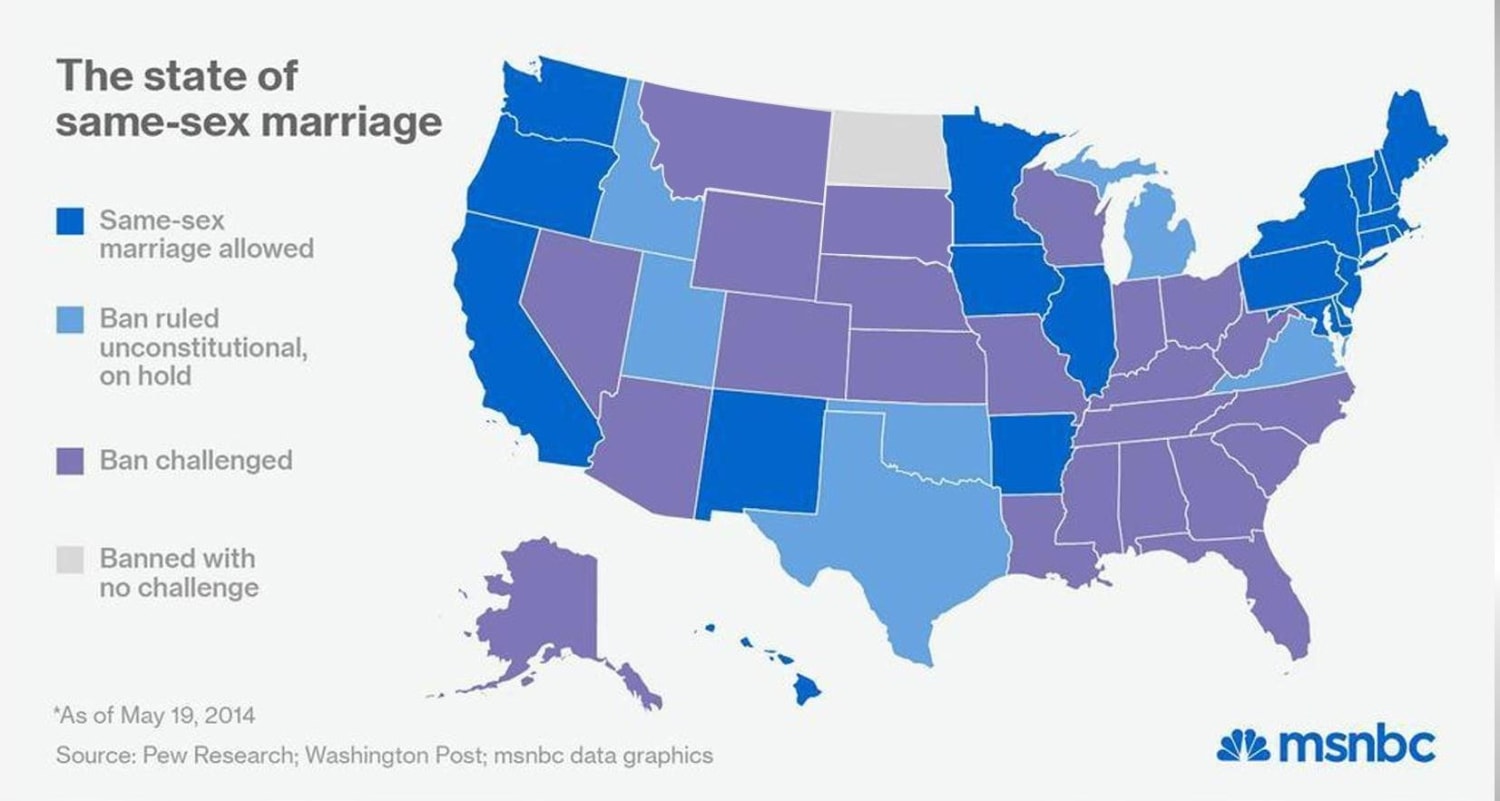
Despite these established rights, there have been ongoing legislative debates and legal challenges at both state and federal levels that touch upon the scope and enforcement of LGBTQ+ rights. While these challenges have not overturned the legality of gay marriage, they can sometimes create uncertainty or affect specific areas of policy that intersect with marital rights. For instance, debates around religious freedom exemptions can sometimes lead to discussions about how those exemptions might interact with non-discrimination laws that protect married same-sex couples.
Planning a Wedding in Texas
For same-sex couples planning their wedding in Texas, the legal framework is supportive, allowing them to focus on the celebratory aspects of their union.
Venues and Vendors
Most wedding venues and vendors in Texas serve all couples, regardless of sexual orientation. Major cities like Austin, Dallas, Houston, and San Antonio are generally progressive and welcoming. However, as with any wedding planning, it is always a good practice to communicate openly with vendors about your needs and expectations. While the law prohibits discrimination, understanding individual vendor policies can help avoid potential issues. Many vendors actively market themselves as LGBTQ+-friendly, which can be a helpful starting point for couples seeking inclusive services.
Marriage License Requirements
To get married in Texas, couples must obtain a marriage license from a county clerk’s office. The requirements are generally consistent statewide:
- Age: Both individuals must be at least 18 years old. If either party is 18 or older but under 18, they must have parental consent or a court order to marry.
- Identification: A valid government-issued photo ID (e.g., driver’s license, passport) is required for both individuals.
- Social Security Numbers: While not always strictly required to be presented, the Social Security numbers of both parties are typically requested.
- Waiting Period: There is no waiting period in Texas after obtaining a marriage license before the ceremony can take place.
- Expiration: A marriage license is valid for 90 days from the date of issuance.
- No Blood Tests: Blood tests are not required for a marriage license in Texas.
- Divorce: If either party has been previously married, they will need to provide the date their last divorce was finalized. There might be a waiting period after a divorce is finalized in some circumstances.
Crucially, the county clerk’s office cannot refuse to issue a marriage license to a qualified same-sex couple. The Obergefell decision superseded any prior state or local policies that would have prevented this.
Legal Recognition of Marriage
Once married, the union is legally recognized by the state of Texas and the federal government. This includes the right to change names on official documents, file joint tax returns, and access spousal benefits. For couples who were married before the Obergefell decision in states where it was legal, Texas must recognize those marriages.
The Future of Marriage Equality in Texas
While the legal foundation for gay marriage in Texas is secure, the broader landscape of LGBTQ+ rights remains a subject of ongoing discussion and advocacy. Legal scholars and civil rights organizations continue to monitor legislative developments and potential court challenges that might seek to redefine or limit certain aspects of marriage equality or related protections.
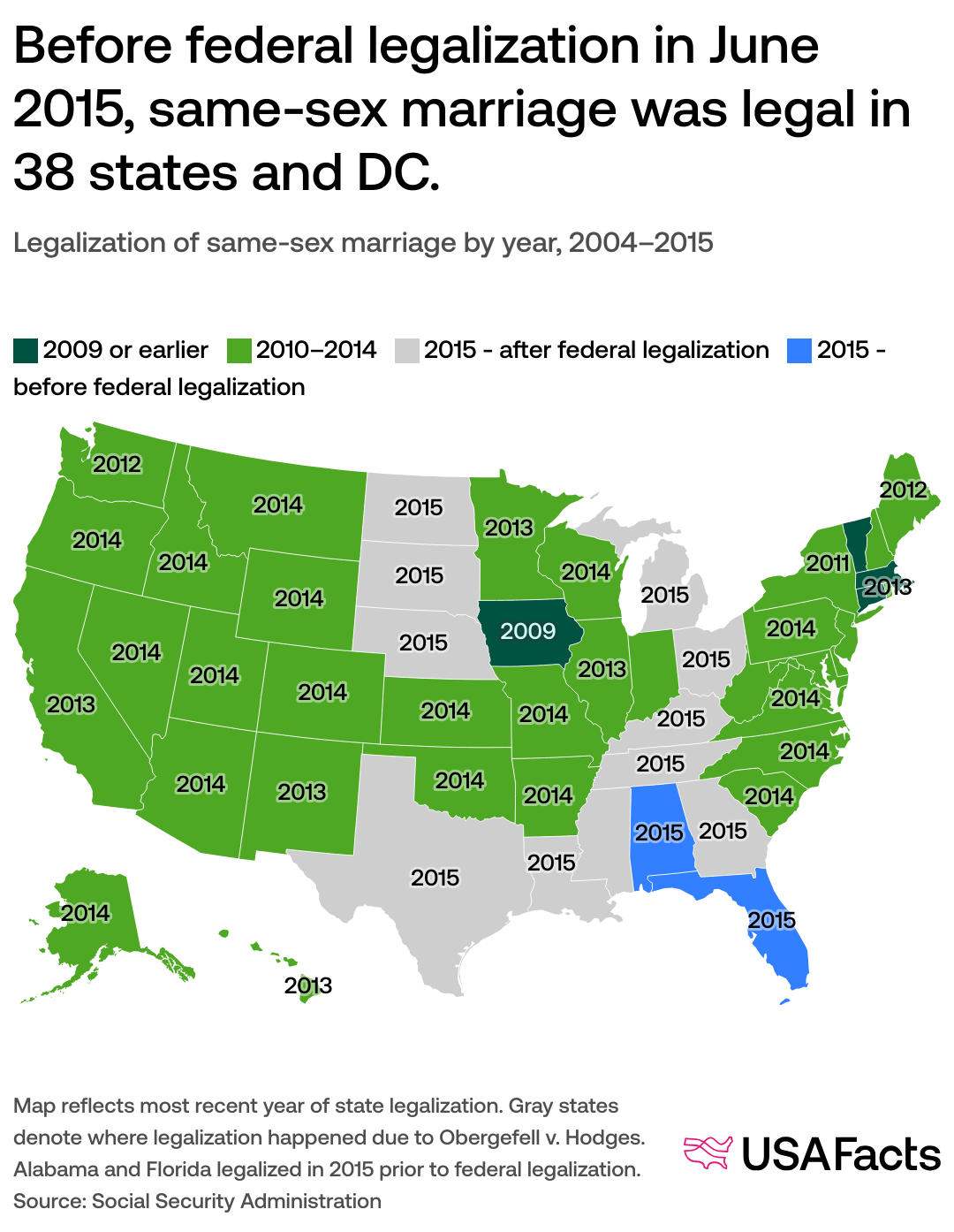
However, as of the current legal standing, the answer to “Is gay marriage legal in Texas?” is unequivocally yes. The U.S. Supreme Court’s decision in Obergefell v. Hodges settled this matter, ensuring that same-sex couples have the same fundamental right to marry as any other couple in the Lone Star State. For couples planning to marry or already married, the legal framework provides equality and recognition, allowing them to celebrate their commitment with the full rights and protections afforded by law.
Navigating Legal Advice
While this article provides a general overview, specific legal situations can be complex. Couples facing unique circumstances, such as international marriages, complex divorce proceedings, or questions about adoption and parental rights, may benefit from consulting with an attorney specializing in family law or LGBTQ+ rights in Texas. This ensures that all legal matters are handled with the most up-to-date and precise guidance available. The continuing presence of organizations like Equality Texas and Lambda Legal underscores the ongoing commitment to ensuring full equality and legal protections for all LGBTQ+ individuals in the state.
LifeOutOfTheBox is a participant in the Amazon Services LLC Associates Program, an affiliate advertising program designed to provide a means for sites to earn advertising fees by advertising and linking to Amazon.com. Amazon, the Amazon logo, AmazonSupply, and the AmazonSupply logo are trademarks of Amazon.com, Inc. or its affiliates. As an Amazon Associate we earn affiliate commissions from qualifying purchases.