
The pursuit of a fulfilling and stable career path often leads individuals to explore professions that blend intricate skills with a vital role in the justice system. In Texas, becoming a court reporter is one such avenue, offering a dynamic and intellectually stimulating profession. This guide delves into the comprehensive steps and considerations for aspiring court reporters within the Lone Star State, from educational requirements to professional certification and beyond.
Understanding the Role of a Court Reporter
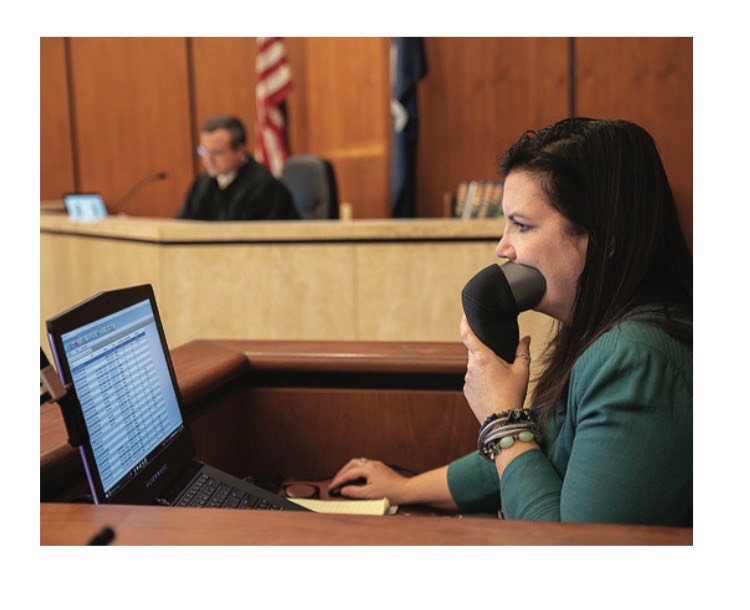
A court reporter, also known as a stenographer or verbatim reporter, plays a critical role in legal proceedings. Their primary responsibility is to create an accurate, word-for-word record of everything said during trials, hearings, depositions, and other legal events. This verbatim record, known as the transcript, is an essential document for appeals, legal research, and ensuring the integrity of the judicial process.

Key Responsibilities
The duties of a court reporter extend beyond simply transcribing spoken words. They involve:
- Real-time Transcription: Many court reporters utilize specialized stenotype machines and software to capture speech at speeds exceeding 200 words per minute, often displaying it on a screen for attorneys and judges to view as the proceedings unfold (realtime reporting).
- Accuracy and Objectivity: Maintaining absolute accuracy and impartiality is paramount. Reporters must distinguish between speakers, record all objections and sidebar conversations, and ensure the transcript reflects the spoken word without interpretation.
- Producing Transcripts: After the proceedings, reporters meticulously edit and format their notes to produce a final, official transcript. This document is then filed with the court or provided to clients involved in legal matters.
- Exhibit Management: Court reporters may also be responsible for marking and managing exhibits presented during a hearing or trial.
- Confidentiality: Upholding strict confidentiality regarding the information heard and recorded is a fundamental ethical obligation.
The Importance in the Texas Justice System
In Texas, where the legal landscape is robust and diverse, skilled court reporters are indispensable. They serve not only state and federal courts but also administrative agencies, private law firms, and various other entities requiring precise legal documentation. The efficiency and fairness of Texas‘s judicial system are significantly supported by the accurate records maintained by these professionals. The demand for qualified court reporters in Texas remains consistent, driven by ongoing legal activities and the need for clear, accessible records.
Educational Pathways and Training
Embarking on the journey to become a court reporter in Texas necessitates specialized education and training. The core of this training revolves around developing exceptional listening skills, mastering stenographic techniques, and understanding legal terminology.
Accredited Court Reporting Programs
The most common and recommended path is to enroll in an accredited court reporting program. These programs are typically offered by:
- Community Colleges: Many Texas community colleges offer associate’s degree or certificate programs in court reporting. These programs often provide a comprehensive curriculum that includes stenography, legal terminology, grammar, punctuation, and courtroom procedures.
- Private Career Schools: Several private institutions in Texas specialize in court reporting education, offering intensive training designed to prepare students for certification and employment.
When selecting a program, it’s crucial to ensure it is accredited by a recognized body, such as the Accrediting Commission for Career Schools and Colleges (ACCSC) or similar agencies that ensure program quality and student success. These accredited programs are designed to equip students with the necessary skills to meet the rigorous demands of the profession.
Curriculum Highlights
A typical court reporting curriculum will cover:
- Stenography Techniques: Intensive training in operating a stenotype machine, learning shorthand theory, and achieving high words-per-minute (WPM) speeds. This involves extensive practice to develop muscle memory and proficiency.
- Legal Terminology and Procedures: A deep dive into the language of the law, understanding common legal terms, phrases, and the procedural aspects of court proceedings.
- Grammar, Punctuation, and English Usage: A strong foundation in English mechanics is essential for creating clear and accurate transcripts.
- Technology and Software: Familiarity with computer-aided transcription (CAT) software, which translates stenographic notes into readable text, is a core component.
- Ethics and Professional Conduct: Understanding the ethical guidelines and professional responsibilities inherent in the role.
- Realtime Reporting (Optional but Recommended): Training in delivering live transcripts as proceedings occur.
Alternative Training Methods
While formal programs are standard, some individuals might pursue self-study or apprenticeships. However, these methods often lack the structured curriculum, comprehensive feedback, and immediate access to instructors and resources that accredited programs offer. For individuals aiming for official certification, a structured educational foundation is highly advantageous.
Certification and Licensing in Texas
Professional certification is a critical step for court reporters in Texas, signifying competence and adherence to industry standards. While Texas does not mandate a specific state license for court reporters to practice generally, obtaining national certifications is highly recommended and often preferred by employers.
National Court Reporters Association (NCRA) Certifications
The National Court Reporters Association (NCRA) is the leading professional organization for court reporters in the United States. Earning NCRA certifications is a benchmark of excellence. The primary certifications include:
- Certified Shorthand Reporter (CSR): This is the most widely recognized certification. To achieve CSR status, candidates must pass a rigorous exam that assesses their stenographic speed, accuracy, and knowledge of grammar, punctuation, and legal terminology.
- Registered Professional Reporter (RPR): Another highly respected NCRA certification, the RPR demonstrates proficiency in various reporting skills.
Texas Court Reporters Association (TCRA)

The Texas Court Reporters Association (TCRA) is the state-level professional organization. While TCRA does not administer its own formal certification exams in the same way as the NCRA, it plays a vital role in advocating for the profession, providing continuing education opportunities, and supporting its members. TCRA often works with state entities and can provide valuable insights into state-specific practices and requirements.
Requirements for Certification
The specific requirements for NCRA certifications typically involve:
- Speed and Accuracy Tests: Candidates must demonstrate the ability to transcribe spoken material at specific speeds and with a very high degree of accuracy. For instance, the RPR exam requires passing separate skills tests for dictation and transcription.
- Written Knowledge Test (WKT): This exam assesses understanding of legal procedures, ethics, technology, and English language principles.
- Continuing Education Units (CEUs): Once certified, reporters must earn CEUs through approved courses and activities to maintain their certification, ensuring they stay current with industry advancements and legal developments.
Local Court Requirements
While national certifications are broadly recognized, some specific courts or jurisdictions within Texas might have their own preferences or additional requirements. It is advisable for aspiring court reporters to research the specific needs of the courts or employers they wish to work for.
Employment Opportunities and Career Advancement
The demand for skilled court reporters in Texas is robust, with opportunities spanning various legal settings. As a court reporter gains experience and further certifications, their career can advance into specialized roles or supervisory positions.
Work Environments
Court reporters can find employment in a variety of settings across Texas:
- State and Federal Courts: This is a primary employment venue, where reporters cover official court proceedings such as trials, hearings, and arraignments. These positions often offer stability and benefits.
- Law Firms: Many law firms employ their own court reporters for depositions, client meetings, and internal record-keeping.
- Captioning Services: Court reporters can also work in broadcast captioning (closed captioning for television) or CART (Communication Access Realtime Translation) services for individuals who are deaf or hard of hearing, particularly in educational or public event settings.
- Freelance Reporting: Experienced reporters often work as independent contractors, taking assignments from various agencies and clients. This offers flexibility but requires strong business management skills.
- Government Agencies: Other government bodies may require court reporting services for hearings, administrative proceedings, and investigations.
Salary Expectations and Growth
Salaries for court reporters in Texas can vary based on experience, location, employer, and the type of certification held. Entry-level positions might offer a starting salary, while experienced and certified professionals, especially those with realtime reporting skills, can command significantly higher incomes. The Bureau of Labor Statistics and Texas Workforce Commission data often indicate a positive outlook for this profession, with growth projected to be in line with or exceeding national averages for many occupations.
Career Advancement
Opportunities for career advancement include:
- Specialization: Developing expertise in specific areas of law, such as medical malpractice or complex litigation, can lead to higher-paying assignments.
- Realtime Reporting: Mastering realtime reporting opens doors to lucrative opportunities, particularly in high-stakes legal cases and broadcast captioning.
- Supervisory Roles: Experienced reporters may move into management positions, overseeing other reporters or managing reporting agencies.
- Teaching and Training: Some professionals transition into educating future generations of court reporters by teaching in accredited programs.
- Court Administration: A background in court reporting can also be a stepping stone to roles in court administration or management.
Maintaining Professionalism and Skills
The field of court reporting is dynamic, requiring continuous learning and adaptation to new technologies and legal practices. Maintaining high standards of professionalism and continuously honing skills are crucial for long-term success in Texas.
Continuous Learning and Technology Adoption
The evolution of technology significantly impacts court reporting. Computer-aided transcription (CAT) software has become indispensable, automating much of the translation process from stenographic notes. Court reporters must stay abreast of the latest CAT software updates, digital recording technologies, and any emerging reporting methods. Many professional organizations, including the NCRA and TCRA, offer continuing education courses and workshops to facilitate this ongoing learning.
Ethical Considerations and Professional Conduct
Upholding the highest ethical standards is non-negotiable for court reporters. This includes:
- Impartiality: Remaining neutral and unbiased throughout all proceedings.
- Confidentiality: Protecting sensitive information learned during reporting engagements.
- Accuracy: Committing to the most accurate transcription possible.
- Professional Demeanor: Maintaining a professional appearance and conduct in and out of the courtroom.
Adherence to the ethical codes established by professional bodies like the NCRA ensures trust and credibility within the legal community.
Networking and Professional Development
Engaging with professional organizations such as the TCRA and NCRA provides invaluable opportunities for networking with peers, mentors, and potential employers. Attending conferences, seminars, and local chapter meetings can offer insights into industry trends, best practices, and job openings. Building a strong professional network is essential for career growth and staying informed about the evolving landscape of court reporting in Texas.
Becoming a court reporter in Texas is a rewarding career choice for those who possess meticulous attention to detail, a strong command of language, and a commitment to serving the justice system. By pursuing accredited education, achieving professional certifications, and committing to continuous development, aspiring court reporters can build a successful and impactful career in the Lone Star State.
LifeOutOfTheBox is a participant in the Amazon Services LLC Associates Program, an affiliate advertising program designed to provide a means for sites to earn advertising fees by advertising and linking to Amazon.com. Amazon, the Amazon logo, AmazonSupply, and the AmazonSupply logo are trademarks of Amazon.com, Inc. or its affiliates. As an Amazon Associate we earn affiliate commissions from qualifying purchases.