
The Lone Star State, often perceived as conservative, has been steadily evolving in its stance on cannabis. For travelers and locals alike considering recreational activities or seeking information about local culture and services in Texas in 2024, understanding the legal landscape of cannabis is crucial. While Texas has not legalized recreational marijuana, its policies regarding low-THC cannabis and medical marijuana have seen significant changes, impacting access and awareness across the state. This evolving situation presents a nuanced picture for those exploring Texas for leisure, business, or personal needs.
The Current Legal Status of Cannabis in Texas
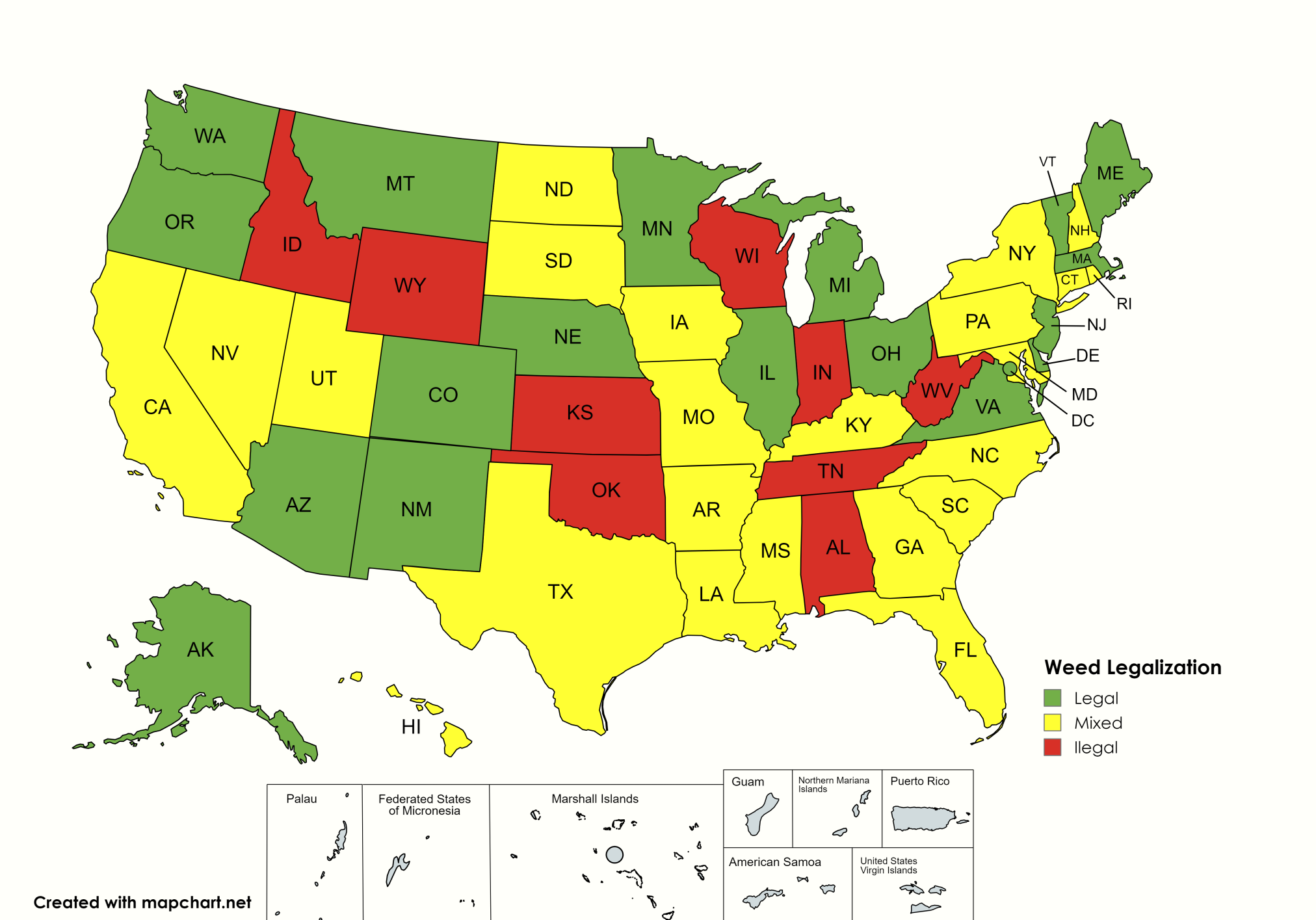
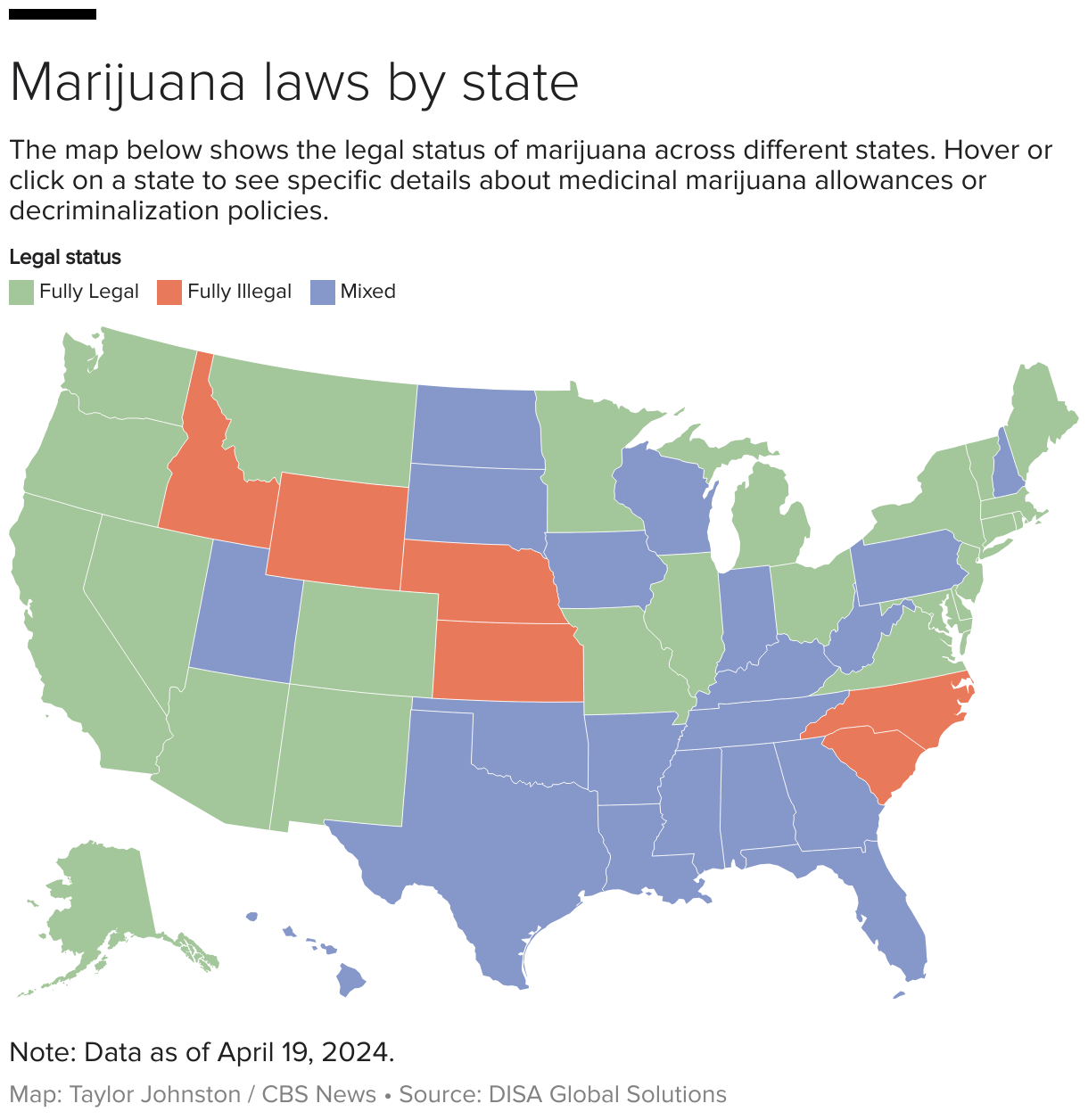
In Texas, the legal framework surrounding cannabis is complex and primarily distinguishes between low-THC products and full-THC marijuana. As of 2024, recreational marijuana remains illegal statewide. This means possession, sale, and cultivation of marijuana with a THC concentration exceeding 0.5% by weight are prohibited and subject to criminal penalties. However, this overarching prohibition is tempered by a growing medical program and decriminalization efforts in some major Texas cities.
Low-THC Cannabis: A Restricted Medical Pathway
The Texas Compassionate Use Program (TCUP), established in 2015, allows for the legal prescription of low-THC cannabis products to patients with specific qualifying medical conditions. This program is strictly regulated and does not permit smoking of cannabis. Products are typically in the form of oils, tinctures, or edibles.
Qualifying Conditions and Access
Initially, TCUP was limited to patients with epilepsy or intractable seizures. Over the years, the list of qualifying conditions has expanded to include:
- Spasticity
- Multiple sclerosis
- Autism
- Terminal cancer
- Incurable neurological diseases
- Post-traumatic stress disorder (PTSD)
- Any other condition that a physician deems could benefit from low-THC cannabis treatment, subject to legislative approval.
Patients must obtain a prescription from a physician registered with the Compassionate Use Registry of Texas (CURT). This means that while cannabis is accessible for medical purposes, it is not a freely available substance and requires a doctor’s recommendation and a specific diagnosis. For travelers visiting Texas who rely on medical cannabis in their home states, it’s important to note that Texas does not recognize out-of-state medical marijuana prescriptions. They would need to qualify under Texas law and obtain a prescription from a registered Texas physician.
Decriminalization Efforts in Texas Cities
While state law prohibits marijuana, several large Texas cities have taken steps to decriminalize low-level marijuana possession. Cities such as Austin, San Antonio, Dallas, and Houston have enacted ordinances that direct law enforcement to issue citations rather than make arrests for possessing small amounts of marijuana, typically one ounce or less.
Impact on Travelers and Local Activities
For individuals visiting these cities, this means that while marijuana is still technically illegal, the likelihood of facing arrest for minor possession has decreased significantly. This shift is often reflected in the local atmosphere and community attitudes, influencing how cannabis is perceived and discussed within the tourism context. However, it is crucial to understand that these local ordinances do not change the state law. Possession is still a civil offense in these cities, and law enforcement retains the discretion to enforce state laws. Furthermore, these decriminalization efforts vary by city and can be subject to change. It is always advisable for visitors to be aware of and respect all applicable laws and ordinances, even if they are less stringent than statewide regulations.
Navigating Texas for Tourists and Business Travelers
The legal ambiguity surrounding cannabis in Texas can present unique considerations for tourists and business travelers. While the state does not offer the same cannabis tourism experiences found in more liberal states, understanding the current laws can help ensure a smooth and informed visit.
What Tourists Need to Know About Cannabis in Texas
For visitors coming to Texas, it’s imperative to understand that bringing cannabis across state lines or purchasing it within Texas for recreational use is illegal. Even in cities with decriminalization policies, possession of any amount of marijuana carries potential consequences, including fines and civil citations, which could impact future travel or employment.
Avoiding Legal Issues
- Respect State Laws: Always adhere to Texas state laws regarding marijuana possession.
- Low-THC vs. Full-THC: Be aware of the distinction between legal low-THC products (available only with a prescription) and illegal recreational marijuana.
- Local Ordinances: While some cities have decriminalized minor possession, these are local policies and do not override state law. Do not assume that all areas of Texas have the same leniency.
- Transportation: Do not attempt to transport marijuana into or out of Texas. This can lead to severe federal charges, especially if crossing state borders.
Business Travel and Cannabis Policies
For those on business trips, understanding workplace policies regarding drug use is also important. Many companies, particularly those with federal contracts or in certain industries, maintain strict drug-free workplace policies. Even if local laws are more lenient, company policies can still lead to disciplinary action.
Exploring Texas’s Cultural Offerings Beyond Cannabis
Texas offers a rich tapestry of cultural experiences that do not involve cannabis. From the vibrant music scene in Austin to the historical sites in San Antonio and the culinary delights across the state, there are countless ways to enjoy Texas without engaging in activities that carry legal risks. The state’s numerous state parks, museums, and cultural festivals provide ample opportunities for exploration and enjoyment.
The Future of Cannabis Legislation in Texas
The conversation around cannabis legalization in Texas is ongoing. While major legislative changes towards full legalization are not anticipated in the immediate future, the expansion of the low-THC program and the decriminalization efforts in urban centers suggest a gradual shift in public and political attitudes.
Potential Legislative Changes
Advocacy groups and some lawmakers continue to push for broader reforms, including the expansion of the medical marijuana program and the decriminalization or legalization of recreational marijuana. Future legislative sessions may see further discussions and potential amendments to current laws. For individuals interested in the evolving cannabis landscape in Texas, staying informed about legislative proposals and their outcomes is key.
Impact on Tourism and Local Economy
Should Texas move towards broader legalization in the future, it could significantly impact the tourism industry. States that have legalized recreational marijuana have often seen an influx of cannabis-focused tourism, creating new business opportunities and revenue streams. However, Texas‘s current approach emphasizes a more cautious and measured evolution.

Conclusion: A Nuanced Approach to Cannabis in Texas
As of 2024, Texas maintains a firm stance against recreational marijuana. However, the state’s expanding low-THC medical program and the decriminalization of minor possession in key cities indicate a subtle but significant evolution in its approach to cannabis. Travelers and residents alike must remain informed about the specific laws and ordinances in effect, both at the state and local levels, to navigate Texas responsibly and avoid legal complications. The state continues to offer a wealth of attractions and cultural experiences, and understanding the legal nuances of cannabis is simply another aspect of planning a well-informed visit.
LifeOutOfTheBox is a participant in the Amazon Services LLC Associates Program, an affiliate advertising program designed to provide a means for sites to earn advertising fees by advertising and linking to Amazon.com. Amazon, the Amazon logo, AmazonSupply, and the AmazonSupply logo are trademarks of Amazon.com, Inc. or its affiliates. As an Amazon Associate we earn affiliate commissions from qualifying purchases.