
Embarking on a journey across the diverse landscapes of Arizona offers a unique blend of experiences, from the vibrant desert flora of the south to the mystical red rock formations further north. One common question for travelers planning an Arizona adventure is the practicality of connecting two of its most iconic destinations: Tucson and Sedona. Understanding the distance, driving time, and the scenic opportunities available along this route is crucial for crafting an unforgettable travel itinerary.
The Journey Between Arizona’s Diverse Landscapes
The drive from Tucson to Sedona traverses a significant portion of central Arizona, offering a transition from the saguaro-studded Sonoran Desert to the Ponderosa pine forests and the world-renowned red rock country.
Distance and Driving Time
The approximate distance between Tucson and Sedona is around 220 to 240 miles, depending on the specific starting and ending points within each city and the exact route taken. Under ideal driving conditions, without significant stops, this journey typically takes about 3.5 to 4 hours. However, travelers should always factor in additional time for fuel stops, restroom breaks, and potential traffic, especially when passing through the metropolitan areas of Phoenix and Scottsdale.
Route Options
The most direct and commonly used route involves heading north from Tucson on Interstate 10 (I-10) before merging onto Interstate 17 (I-17) North just south of Phoenix. Interstate 17 will then take you north past Phoenix and Scottsdale, climbing in elevation as you approach the Black Hills mountain range. You’ll take State Route 179 (SR 179) off-ramp, which is the main scenic bypass leading directly into the heart of Sedona. This route is well-maintained and offers stunning views as you ascend into the red rock country. While direct, traffic around Phoenix can be heavy during peak hours, particularly on weekdays. Planning your drive to avoid rush hour in the greater Phoenix area can significantly improve your travel time and experience.
Best Time to Travel
The best time to undertake this journey, and to visit both Tucson and Sedona, is during the cooler months, from October through April. During this period, temperatures are pleasant for outdoor activities, and the scenery is vibrant. Summer months, particularly June through September, can see extreme heat in Tucson and Phoenix, making road travel less comfortable. Sedona experiences milder summers due to its higher elevation but can still be warm. Spring brings blooming wildflowers to the desert, while autumn offers comfortable temperatures and often stunning fall foliage in the higher elevations surrounding Sedona.
Exploring Tucson: A Gateway to the Sonoran Desert
Before setting off towards Sedona, immersing oneself in the unique charm of Tucson is a must. Known for its rich history, vibrant arts scene, and unparalleled access to the Sonoran Desert, Tucson serves as an excellent starting point for an Arizona adventure.
Key Attractions in Tucson
- Saguaro National Park: Divided into two districts flanking the city, this national park is dedicated to protecting the majestic saguaro cactus, an iconic symbol of the American Southwest. Visitors can enjoy scenic drives, hiking trails, and witness breathtaking desert sunsets.
- Arizona-Sonora Desert Museum: More than just a museum, this 98-acre zoo, botanical garden, art gallery, and natural history museum showcases the incredible biodiversity of the Sonoran Desert. It’s an immersive experience for all ages.
- Mission San Xavier del Bac: Often referred to as the “White Dove of the Desert,” this historic mission is a stunning example of Spanish colonial architecture and a significant cultural landmark. Its intricate interior frescoes and sculptures are a sight to behold.
- Old Tucson Studios: A historic movie studio and theme park that brings the Old West to life, offering live shows, rides, and a glimpse into classic Western film production.
Unique Experiences
Tucson holds the distinction of being the first UNESCO City of Gastronomy in the United States, celebrated for its 4,000-year-old agricultural history and a culinary scene that beautifully blends Native American, Mexican, and cowboy influences. From authentic Sonoran hot dogs to innovative farm-to-table restaurants, foodies will find a paradise here. The clear desert nights also make Tucson an exceptional spot for stargazing, with several observatories nearby offering public programs.
Sedona’s Allure: Red Rocks and Spiritual Vibrancy
Upon arrival in Sedona, travelers are greeted by an otherworldly landscape of towering red rock formations that glow with an ethereal light at sunrise and sunset. Beyond its stunning beauty, Sedona is renowned for its spiritual energy and outdoor adventures.

Iconic Red Rock Formations
The dramatic red sandstone cliffs are the undisputed stars of Sedona. Key formations like Cathedral Rock, Bell Rock, Airport Mesa, and Boynton Canyon offer not only breathtaking vistas but also incredible opportunities for photography and reflection. Many of these formations are accessible via well-maintained hiking trails catering to all skill levels.
Vortex Sites and Spiritual Activities
Sedona is widely recognized as a spiritual mecca, home to several powerful energy vortexes—sites where the earth’s energy is said to be particularly strong and conducive to healing, meditation, and spiritual insight. Popular vortex sites include Airport Mesa, Boynton Canyon, Cathedral Rock, and Bell Rock. Visitors often engage in yoga, meditation, reiki, and other wellness activities inspired by the town’s unique energy.
Outdoor Activities
The rugged terrain of Sedona makes it an outdoor enthusiast’s paradise.
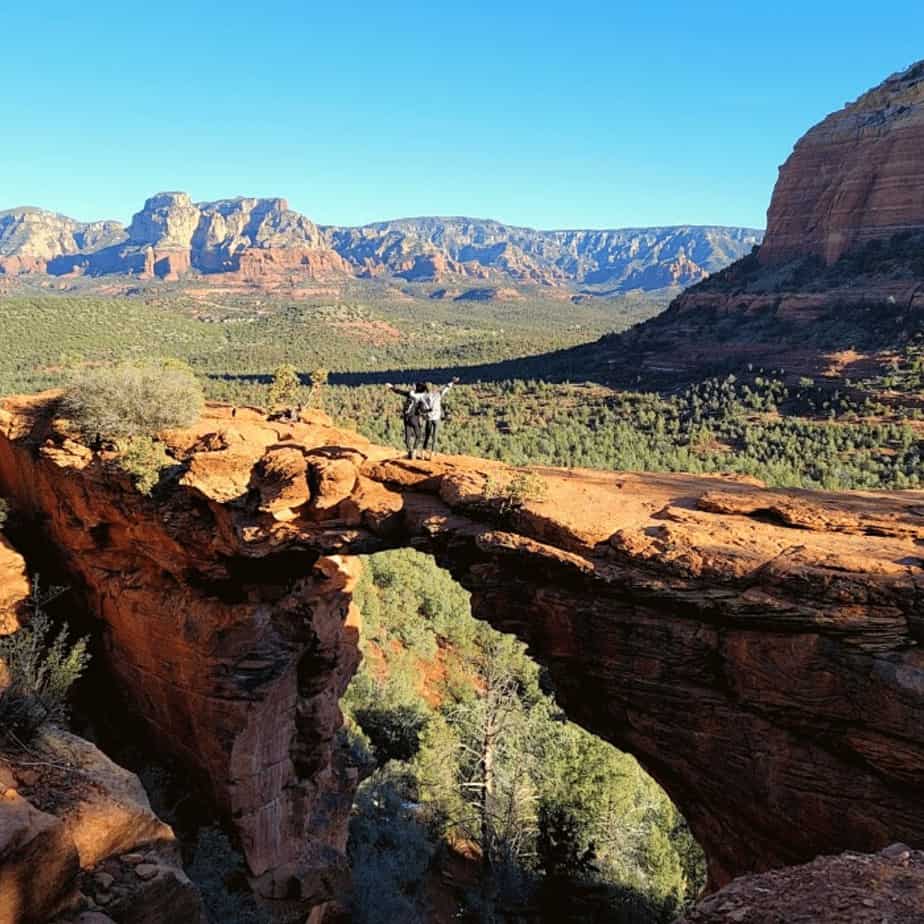
- Hiking: Hundreds of miles of trails crisscross the landscape, from easy strolls along Oak Creek to challenging climbs with panoramic views. Favorites include the West Fork Trail, Devil’s Bridge, and the trails around Boynton Canyon.
- Mountain Biking: Sedona is a world-class mountain biking destination, offering trails for all levels, including famous routes like the Hogs trail system.
- Jeep Tours: For those seeking adventure without the strenuous hike, guided jeep tours offer an exhilarating way to explore the backcountry, navigate challenging terrain, and learn about the geology and history of the area.
- Stargazing: Away from city lights, Sedona boasts exceptionally dark skies, making it a prime location for stargazing and astrophotography.
Art and Culture
Sedona’s natural beauty has long attracted artists, leading to a thriving arts community. The town is home to numerous galleries showcasing Native American art, contemporary pieces, and landscape paintings inspired by the surrounding scenery. The Tlaquepaque Arts and Shopping Village, modeled after a traditional Mexican village, is a picturesque hub for art galleries, artisan shops, and charming restaurants nestled under sycamore trees.
Crafting Your Arizona Itinerary: Stops Along the Way
The drive from Tucson to Sedona presents several opportunities for enriching detours, turning a simple drive into a multi-day exploration of Arizona’s diverse attractions.
Phoenix/Scottsdale Metropolitan Area
As you pass through the sprawling Phoenix metropolitan area, consider a stop in Scottsdale or Phoenix itself.
- Desert Botanical Garden: Located in Phoenix, this garden showcases the incredible diversity of desert plant life from around the world. It’s a beautiful and educational stop, especially in the cooler months.
- Taliesin West: Frank Lloyd Wright’s winter home and architectural school in Scottsdale is a UNESCO World Heritage site and offers fascinating tours of its unique desert architecture.
- Heard Museum: In Phoenix, this museum is dedicated to the advancement of American Indian art and culture, offering a deep dive into the region’s indigenous heritage.
Historical and Unique Stops North of Phoenix
Continuing north on Interstate 17, several compelling sites are just a short detour away.
- Montezuma Castle National Monument: A well-preserved cliff dwelling built by the Sinagua people over 800 years ago, offering a glimpse into ancient Native American ingenuity and life. It’s an easy and rewarding stop off I-17.
- Arcosanti: An experimental urban laboratory focused on arcology (architecture + ecology), founded by Paolo Soleri. This unique community showcases innovative sustainable living and architectural design, offering guided tours.
- Out of Africa Wildlife Park: A wildlife park near Camp Verde that offers an authentic African safari experience with opportunities to see a variety of animals up close.

Practical Travel Tips for the Arizona Road Trip
To ensure a smooth and enjoyable road trip from Tucson to Sedona, keep these practical tips in mind:
- Vehicle Preparation: Ensure your vehicle is in good working order, especially checking tire pressure and fluid levels. The drive involves varying elevations and can be demanding.
- Stay Hydrated: Arizona’s dry climate means dehydration can occur quickly, even in cooler weather. Carry plenty of water for all passengers.
- Dress in Layers: Temperatures can fluctuate significantly throughout the day and with changes in elevation. Dressing in layers allows you to adapt comfortably to different conditions.
- Sun Protection: Sunscreen, hats, and sunglasses are essential year-round, as the Arizona sun is intense.
- Navigation: While cellular service is generally good on the main interstate, having a downloaded offline map or a physical map can be useful, especially when exploring more remote areas around Sedona.
- Respect the Environment: Both Tucson and Sedona are surrounded by fragile natural environments. Adhere to Leave No Trace principles, stay on marked trails, and do not disturb wildlife or natural formations.
The journey from Tucson to Sedona is more than just covering distance; it’s an immersive experience through the heart of Arizona’s captivating landscapes and vibrant cultures. By planning effectively and embracing the spirit of exploration, travelers can transform this drive into an integral part of their grand Arizona adventure.
LifeOutOfTheBox is a participant in the Amazon Services LLC Associates Program, an affiliate advertising program designed to provide a means for sites to earn advertising fees by advertising and linking to Amazon.com. Amazon, the Amazon logo, AmazonSupply, and the AmazonSupply logo are trademarks of Amazon.com, Inc. or its affiliates. As an Amazon Associate we earn affiliate commissions from qualifying purchases.