
Becoming a resident of New York State is a multifaceted process that extends beyond simply living within its borders. It involves establishing genuine ties and meeting specific legal requirements, particularly for tax purposes. Whether you’re drawn by the vibrant energy of New York City, the picturesque landscapes of the Adirondacks, or the historical charm of towns along the Hudson River, understanding residency is crucial for navigating taxation, voting, and accessing state services. This guide delves into the key factors that define New York residency, offering insights into what constitutes domicile and statutory residency, and the practical steps involved in making the Empire State your permanent home.
Understanding Domicile vs. Statutory Residency
In New York, the concept of residency for tax purposes is primarily divided into two categories: domicile and statutory residency. While they often overlap, they are distinct legal definitions with different implications. Understanding the nuances of each is paramount to accurately determine your tax obligations and rights as a New Yorker.
Domicile: The Permanent Home
Your domicile is considered your permanent home, the place where you intend to return whenever you are absent. It’s a subjective determination based on your actions and intentions. Even if you spend significant time elsewhere, if New York is where you consider your ultimate home and where you intend to settle permanently, it is likely your domicile. The state looks at various factors to ascertain your domicile, including:
- The location of your principal residence: Where do you primarily live?
- The place where your family resides: If you are married, where does your spouse live? If you have children, where do they attend school?
- Your voting registration: Where are you registered to vote?
- The location of your bank accounts: Where are your primary financial institutions located?
- The situs of your personal property: Where are your most valuable personal belongings, such as furniture, vehicles, and jewelry, kept?
- The location of your driver’s license and vehicle registration: Where are these official documents registered?
- Your expressed intent: What do you say and write about where you consider your home? For example, do you refer to New York as your home in correspondence, wills, or other legal documents?
Establishing a domicile in New York means you are subject to New York income tax on all your income, regardless of where it is earned, for the entire tax year.
Statutory Residency: A More Objective Test
Statutory residency, on the other hand, is a more objective test determined by the amount of time you spend in New York and whether you maintain a “permanent place of abode” in the state. You are considered a statutory resident of New York if you meet both of the following conditions:
- You maintain a permanent place of abode in New York for substantially all of the tax year. A permanent place of abode is a dwelling unit that you occupy permanently and continuously throughout the year. This could be a house, apartment, condominium, or even a boat, provided it is suitable for year-round use and is available to you at all times. It doesn’t need to be owned by you; a rented apartment can qualify.
- You spend 183 days or more in New York State during the tax year. The count of days includes any part of a day spent in the state.
If you are a statutory resident, you are subject to New York income tax on your New York-source income. This can include wages earned from work performed in New York, business income derived from New York sources, and gains from the sale of New York-based property.
It’s important to note that even if you are not domiciled in New York, you can still be a statutory resident. Conversely, if you are domiciled in New York but spend most of your time outside the state, you might still be considered a statutory resident based on the time and abode tests.
Establishing Ties to New York State
When establishing residency, the state of New York looks for concrete evidence that you have made a significant commitment to the state. This evidence helps differentiate between a temporary stay and a genuine intention to reside. The stronger and more numerous the ties you establish, the clearer your intent to become a resident will be.
Primary Residence and Dwelling
The most significant factor in establishing residency is the location of your primary home. This is where you spend the majority of your time and where you conduct your daily life.
- Purchasing or Renting a Home: Buying or leasing a property in New York is a strong indicator of residency. Whether it’s a bustling apartment in Manhattan, a suburban house in Westchester County, or a rural property upstate, having a physical address where you live and receive mail is crucial.
- Furnishing and Occupying the Dwelling: Merely owning property is not enough; you must furnish it and occupy it as your home. This means setting up utilities, storing personal belongings, and using it as your regular living space.
- Significant Time Spent: The more time you spend at your New York residence, the stronger your claim to residency. While the 183-day rule for statutory residency is a key benchmark, spending a substantial portion of your year, even if slightly less, in your New York home, coupled with other ties, can support your residency claim.
Financial and Professional Ties
Your financial and professional activities in New York further solidify your residency.
- Employment: If you are employed in New York, whether full-time or part-time, this is a significant tie. Having a job based in the state, attending regular meetings, and contributing to the local economy through your work demonstrates a commitment to residing there.
- Business Ownership or Investment: Owning a business in New York or making substantial investments in New York-based companies are strong indicators of residency.
- Banking and Financial Accounts: Establishing primary bank accounts, credit cards, and investment accounts in New York signifies that your financial life is centered in the state.
- Tax Filings: Filing New York state tax returns as a resident, even if you previously lived elsewhere, is a powerful declaration of your intent to be a New Yorker.
Social and Personal Ties
Beyond financial and physical presence, your social and personal connections play a vital role.
- Family Connections: If your spouse, children, or other immediate family members reside in New York, it strengthens your claim. This includes where your children attend school.
- Community Involvement: Engaging with the local community through volunteer work, club memberships, religious affiliations, or social organizations in New York demonstrates a deeper integration into the state.
- Personal Property: The location of your personal belongings, such as vehicles, furniture, and other significant assets, can be indicative of your primary residence.
- Professional Licenses and Memberships: Holding professional licenses or memberships in New York-based professional organizations further supports your residency.

Practical Steps and Documentation
Making the transition to New York State residency involves a series of practical steps and diligent record-keeping. Demonstrating a clear and consistent intent to reside in New York is key, and having documentation to support your claims is essential, especially when dealing with tax authorities.
Updating Official Records
Once you’ve established your primary residence and are spending significant time in New York, it’s crucial to update your official records.
- Driver’s License and Vehicle Registration: Within 30 days of establishing residency, you are generally required to obtain a New York driver’s license and register your vehicle in the state. This is a clear public declaration of your residency.
- Voter Registration: Registering to vote in New York is a strong indicator of your intent to participate in the state’s civic life.
- Mailing Address: Ensure your mail is directed to your New York address. This includes important documents from banks, employers, and government agencies.
Financial and Legal Documentation
Maintain meticulous records to support your residency claims.
- Lease Agreements or Property Deeds: Keep copies of your lease or deed for your New York residence.
- Utility Bills: Consistently pay utility bills (electricity, gas, water, internet) for your New York home.
- Bank Statements: Ensure your bank statements reflect your New York address.
- Employment Contracts and Pay Stubs: These documents will show your employment within the state.
- Children’s School Records: If you have children, their enrollment and attendance records at New York schools are important.
- Insurance Policies: Update your insurance policies (auto, home, health) to reflect your New York address.
Filing New York Tax Returns
For tax purposes, you will need to file New York resident income tax returns if you meet either the domicile or statutory residency tests.
- Domiciliary Residents: If New York is your domicile, you are taxed on your worldwide income from the date you establish residency.
- Statutory Residents: If you are a statutory resident, you are taxed on your New York-source income.
- Part-Year Residency: If you move to or from New York during the tax year, you will likely need to file as a part-year resident, reporting income earned while a resident and income earned from New York sources while a non-resident.
It’s advisable to consult with a tax professional experienced in New York tax law to ensure accurate filing and compliance.
Common Pitfalls and Considerations
Navigating the complexities of residency can be challenging, and certain common pitfalls can lead to unintended consequences, particularly regarding tax liabilities. Being aware of these issues can help you proactively avoid them.
Maintaining Multiple Homes
If you own or rent homes in multiple states, carefully consider which one you intend to be your permanent residence. The state where you spend the most time and have the strongest personal and financial ties will generally be considered your domicile. If you spend a significant amount of time in New York and maintain a permanent place of abode there, you could be considered a statutory resident, even if another state is your domicile.
Business Travel and Temporary Stays
Extended business trips or temporary assignments in New York can blur the lines of residency. If you are in New York for a specific, temporary purpose, and your intent is to return to your original home state, you may not establish residency. However, if these stays become prolonged and you begin to establish significant ties, your situation could change. It’s crucial to maintain clear documentation of the temporary nature of such stays.
Intent vs. Actions
New York tax authorities will scrutinize both your stated intent and your actual actions. Simply declaring that New York is your home is insufficient if your lifestyle and activities do not support this claim. Conversely, if your actions clearly indicate residency, your stated intent to live elsewhere may not be sufficient to avoid New York tax obligations.
Leaving New York
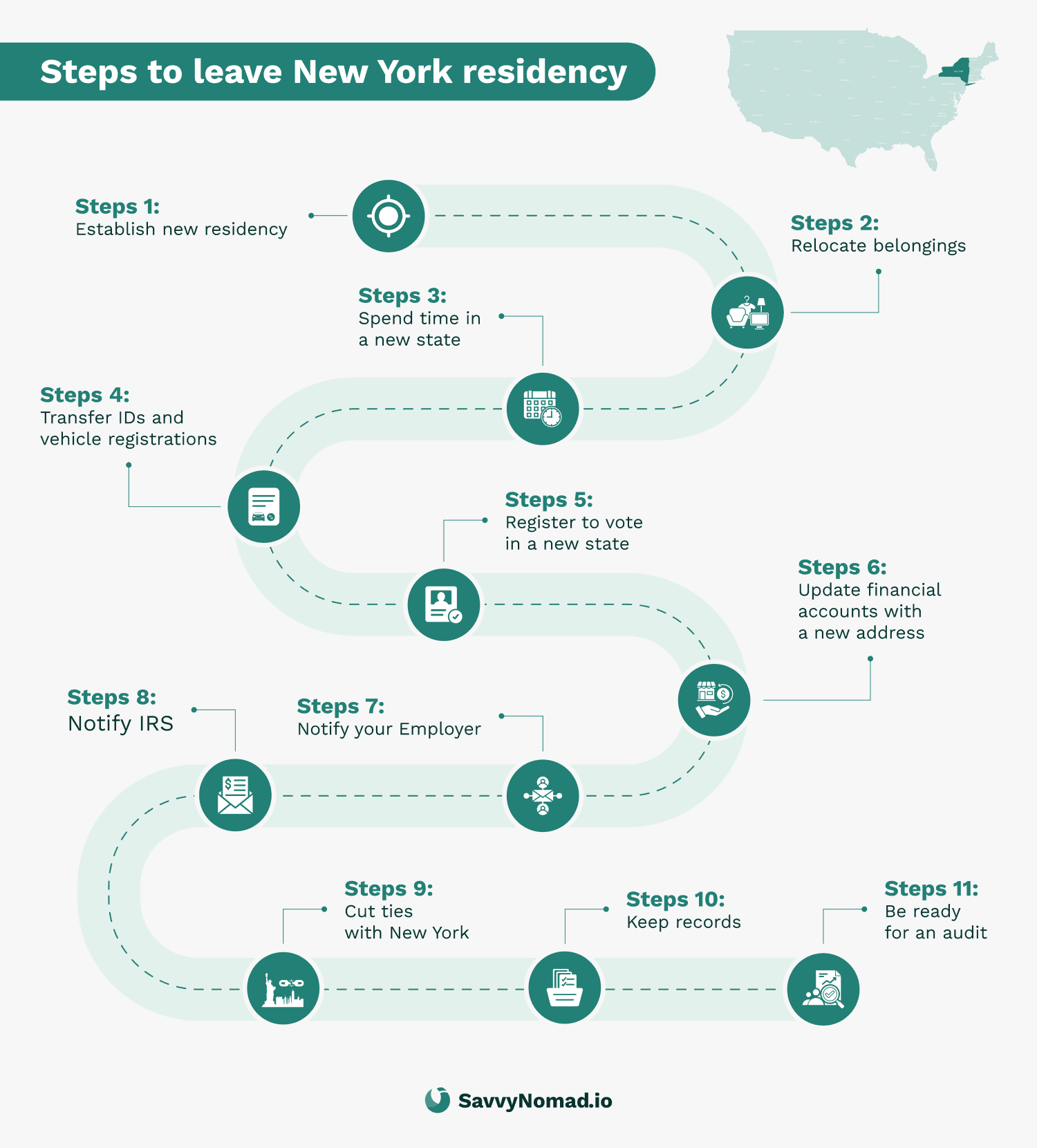
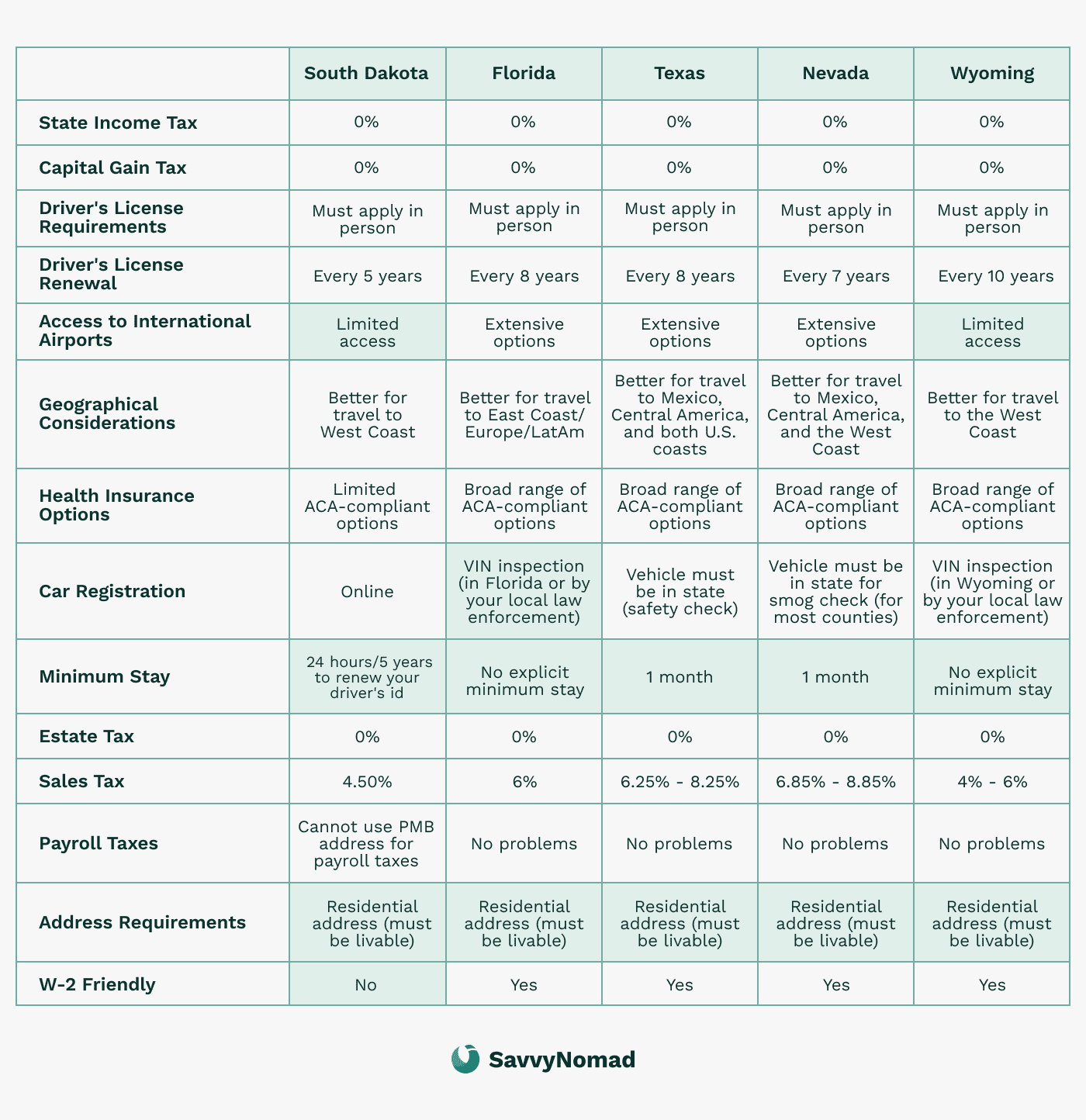
If you are trying to break residency with New York, you must take affirmative steps to demonstrate that you no longer have ties to the state and have established a domicile elsewhere. This includes selling or terminating your lease on your New York abode, registering your vehicle and obtaining a driver’s license in another state, and registering to vote in another state. Simply being physically absent for a period may not be enough.
Seeking Professional Advice
Given the intricate nature of residency laws, particularly for tax purposes, seeking advice from qualified professionals is highly recommended. A tax advisor specializing in multi-state taxation or an attorney can help you assess your specific situation, understand your obligations, and take the necessary steps to establish or change your residency correctly. This can save you significant time, money, and potential legal entanglements.
Becoming a resident of New York State is a significant decision that requires careful consideration of your lifestyle, intentions, and legal obligations. By understanding the distinctions between domicile and statutory residency, actively establishing strong ties to the state, and diligently documenting your actions, you can successfully navigate the process of making New York your home.
LifeOutOfTheBox is a participant in the Amazon Services LLC Associates Program, an affiliate advertising program designed to provide a means for sites to earn advertising fees by advertising and linking to Amazon.com. Amazon, the Amazon logo, AmazonSupply, and the AmazonSupply logo are trademarks of Amazon.com, Inc. or its affiliates. As an Amazon Associate we earn affiliate commissions from qualifying purchases.