
Texas, a state often associated with a more conservative stance on many social issues, has seen a gradual shift in its approach to cannabis. While the widespread legalization of recreational marijuana remains a distant prospect, understanding the current legal landscape is crucial for travelers and residents alike. The nuances of Texas law regarding marijuana are complex, often leading to confusion. This article aims to demystify the legal status of cannabis in the Lone Star State, focusing on the practical implications for tourism and local experiences.
The Shifting Sands of Texas Cannabis Law
For decades, marijuana was unequivocally illegal in Texas, with strict penalties for possession and distribution. However, the past few years have witnessed a significant, albeit incremental, liberalization. This evolution is primarily driven by a growing public sentiment and a recognition of the potential economic benefits and the medical applications of cannabis.
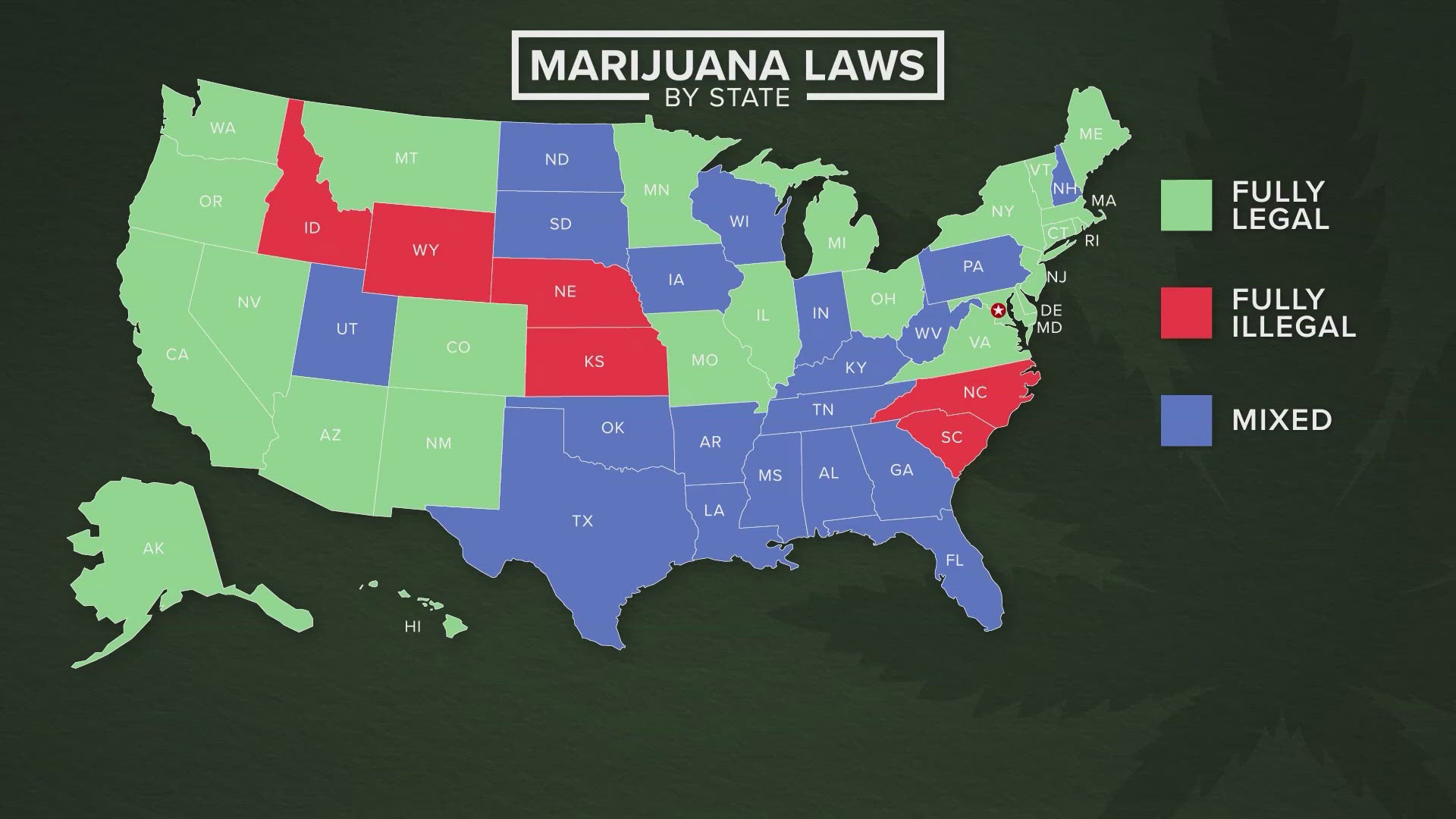
Medical Marijuana in Texas: A Narrowly Defined Program
The most substantial legal change came with the passage of [House Bill 1], also known as the [Texas Compassionate Use Program]. Enacted in 2015, this legislation permits the use of low-THC cannabis for patients with specific, qualifying medical conditions.
Qualifying Conditions and Restrictions
It’s essential to understand that the [Texas Compassionate Use Program] is far from a broad medical marijuana system. The list of qualifying conditions is limited and includes ailments such as:
- Epilepsy and other seizure disorders
- Multiple sclerosis
- Spasticity
- Amyotrophic lateral sclerosis (ALS)
- Autism
- Terminal cancer
- Incurable neurological diseases
Crucially, the “low-THC” designation means that cannabis products available under this program cannot contain more than 0.5% THC by weight. The focus is on the therapeutic benefits of cannabidiol (CBD), a non-intoxicating compound found in cannabis, rather than the psychoactive effects of THC.
Obtaining Medical Cannabis
To access low-THC cannabis, patients must be certified by a physician registered with the Compassionate Use Program. This certification is then entered into the [Texas Prescription Drug Monitoring Program], allowing licensed dispensaries to dispense the medication. Travel within Texas with prescribed low-THC cannabis is generally permissible, provided the patient has a valid prescription and the product adheres to the state’s regulations. However, crossing state lines with cannabis, even low-THC varieties, can be fraught with legal peril, as federal law still classifies marijuana as a Schedule I controlled substance.
Decriminalization Efforts in Major Texas Cities
Beyond the state-level medical program, several major [Texas] cities have taken steps to reduce penalties for low-level marijuana possession. This trend, known as decriminalization, does not make marijuana legal but significantly alters how law enforcement handles minor offenses.
Local Ordinances and Their Impact
Cities like [Austin], [San Antonio], [Houston], and [Dallas] have seen the passage of ordinances that direct law enforcement to issue citations or warnings rather than making arrests for possessing small amounts of marijuana, typically less than two ounces. These ordinances are often a result of local advocacy and a desire to reduce the burden on the criminal justice system and avoid the collateral consequences of marijuana arrests, such as impacts on employment or housing.
What Decriminalization Means for Visitors and Residents
For travelers visiting these cities, this means that while possessing small amounts of marijuana might not lead to an arrest and jail time, it is still illegal. Fines can still be issued, and a citation can appear on one’s record. Furthermore, these local ordinances do not supersede state law, and officers still have the discretion to enforce state statutes. Therefore, it is imperative for anyone in [Texas] to be aware that marijuana remains illegal under state law, regardless of local policy.
Navigating Texas: Cannabis and Travel Considerations
The legal distinctions in [Texas] have significant implications for those planning a visit or considering relocation. Understanding these differences is key to avoiding unintended legal entanglements.
Federal Law vs. State Law: A Crucial Distinction
It cannot be stressed enough that while some [Texas] cities are moving towards a more lenient approach to minor marijuana offenses, and the state has a limited medical program, marijuana remains illegal under federal law. This dichotomy creates a complex environment, particularly for air travel.
Air Travel with Cannabis Products
For individuals traveling by air, possessing any amount of marijuana, even products derived from hemp that are federally legal, can lead to significant problems with the [Transportation Security Administration] (TSA) and federal law enforcement. The TSA‘s mandate is to secure transportation systems by enforcing federal laws. Therefore, if marijuana is discovered during a security screening, it will be confiscated, and the individual may face arrest and prosecution under federal statutes. This applies even if the product is legal in the state of departure or arrival.
Road Travel and Interstate Commerce
Traveling by car across state lines with marijuana presents similar risks. Federal law enforcement agencies can enforce federal drug laws on highways, and possession of marijuana can lead to confiscation and arrest. This is especially true for any products containing THC.
The Rise of CBD and Hemp Products
In parallel with the evolving cannabis conversation, hemp-derived CBD products have gained widespread popularity. Under the [2018 Farm Bill], hemp, defined as cannabis with less than 0.3% THC, is legal at the federal level. This has led to a proliferation of CBD products in [Texas], available in various forms like oils, edibles, topicals, and more.
Legality and Accessibility of CBD
These hemp-derived CBD products, when tested and verified to meet the 0.3% THC threshold, are generally legal to possess and purchase across [Texas]. They are available in many retail stores, including health and wellness shops, and online. However, it is always prudent to verify the source and third-party testing of any CBD product to ensure compliance with federal and state regulations. Unlike THC-containing products, CBD is not typically subject to the same stringent regulations or physician certification requirements.
The Future of Cannabis in Texas
The landscape of cannabis law in [Texas] is in a state of flux. While full legalization for recreational use is not on the immediate horizon, the continued evolution of public opinion and the experiences of other states suggest that further reforms are possible.
Potential for Broader Medical Access
Advocates continue to push for an expansion of the [Texas Compassionate Use Program] to include a wider range of medical conditions and potentially allow for higher THC concentrations. Such changes would require legislative action and could significantly impact the availability of cannabis for therapeutic purposes within the state.
The Recreational Debate: A Long Road Ahead
The question of legalizing recreational marijuana in [Texas] remains a contentious issue. While some neighboring states, such as [Oklahoma] and [New Mexico], have embraced legalization, [Texas] has lagged behind. The political climate and the deeply ingrained cultural attitudes in the state present substantial hurdles to widespread recreational cannabis access. Any movement in this direction would likely be a gradual process, potentially starting with decriminalization at the state level or further expansions of the medical program.
Understanding Texas’s Current Cannabis Stance: A Traveler’s Guide
For travelers, the most straightforward advice is to exercise caution. While the presence of regulated low-THC cannabis for medical patients and the decriminalization efforts in certain cities indicate a loosening of past restrictions, [Texas] does not permit the recreational use or sale of marijuana.

Key Takeaways for Visitors
- Recreational Marijuana is Illegal: Possession, sale, and cultivation of marijuana for recreational purposes remain against state law in [Texas].
- Limited Medical Program: A low-THC medical cannabis program exists for specific, qualifying conditions, requiring physician certification.
- Decriminalization in Major Cities: Some urban centers have reduced penalties for minor possession, but it is still an offense.
- Federal Laws Apply: Be aware of federal laws, especially when traveling by air or crossing state lines.
- CBD is Widely Available: Hemp-derived CBD products with less than 0.3% THC are generally legal and accessible.
Navigating the legal intricacies of cannabis in [Texas] requires a clear understanding of these distinctions. By staying informed and exercising due diligence, visitors and residents can ensure a safe and compliant experience within the Lone Star State. The ongoing dialogue surrounding cannabis reform suggests that the legal landscape may continue to evolve, but for now, a cautious and informed approach is paramount.
LifeOutOfTheBox is a participant in the Amazon Services LLC Associates Program, an affiliate advertising program designed to provide a means for sites to earn advertising fees by advertising and linking to Amazon.com. Amazon, the Amazon logo, AmazonSupply, and the AmazonSupply logo are trademarks of Amazon.com, Inc. or its affiliates. As an Amazon Associate we earn affiliate commissions from qualifying purchases.