
Understanding the cost of higher education is a crucial step for any prospective student. The University of Texas at Austin (UT Austin), a renowned public research university, attracts a vast number of applicants each year, drawn by its academic prestige, vibrant campus life, and strong alumni network. While the allure of this esteemed institution is undeniable, the financial aspect, particularly tuition, is a primary consideration for families planning their educational investment. This guide delves into the intricacies of tuition at UT Austin, breaking down the costs for various student categories and outlining potential additional expenses.

Understanding Texas Public University Tuition Structures
The tuition structure at public universities in Texas is generally divided into two main categories: tuition for Texas residents and tuition for non-residents. This distinction is a common practice across state-funded institutions, aimed at providing a more affordable education for in-state students who contribute to the state’s tax base. The difference in cost can be substantial, significantly impacting the overall expense of attending UT Austin.
Texas Resident Tuition
For students who meet the criteria for Texas residency, the tuition rates at UT Austin are considerably lower. Residency is typically determined by factors such as living in Texas for a minimum period (often 12 months prior to enrollment), establishing domicile, and demonstrating intent to remain in the state indefinitely. The university’s admissions and financial aid offices provide detailed guidelines on how to establish residency.
The per-semester credit hour rate for Texas residents is designed to be accessible. For instance, a full-time undergraduate student taking 15 credit hours per semester would incur a specific tuition amount. This rate is subject to change each academic year, reflecting adjustments in state funding and university operational costs. It’s essential to consult the official UT Austin Tuition and Fees schedule for the most up-to-date figures for the specific academic year of intended enrollment. This schedule often breaks down tuition by college or school within the university, as some programs might have differential tuition rates due to the specialized resources or faculty required.
Non-Resident Tuition
Students who do not meet the established residency requirements for Texas are classified as non-residents and are assessed a significantly higher tuition rate. This difference is intended to cover a larger portion of the educational costs, as non-residents do not contribute to the state’s tax revenue that supports public higher education.
The per-semester credit hour rate for non-residents is substantially more than that for Texas residents. This higher cost is a critical factor for out-of-state students and international students when evaluating their options. Similar to resident tuition, non-resident rates are also subject to annual revisions and can vary slightly depending on the specific college or program of study. Prospective non-resident students should meticulously review the official tuition schedules to accurately budget for their education at UT Austin.
Breakdown of Tuition Fees and Other Mandatory Costs
Beyond the base tuition rates, attending UT Austin involves a series of mandatory fees that contribute to various university services and infrastructure. These fees are applied to all students, regardless of residency status, and are essential for the comprehensive university experience.
Academic Fees
These fees are directly tied to the academic enterprise of the university. They often include charges for library services, laboratory equipment, technology infrastructure, and academic support programs. For example, a student enrolled in a science program with extensive lab requirements might have different academic fees than a student in a humanities program. These fees ensure that all students have access to the necessary resources for their studies.
General Fees
General fees are allocated to support the broader operational aspects of the university that benefit the entire student body. This can encompass funding for student services, campus facilities, student activities, and health and wellness programs. These fees are vital for maintaining a high quality of life and engagement on campus, supporting everything from student government to recreational facilities like the Gregory Gymnasium.
College/School Specific Fees
Some colleges or schools within UT Austin may assess additional fees to cover specialized resources or programs. For instance, the McCombs School of Business or the Cockrell School of Engineering might have distinct fees related to their unique facilities, software, or career services tailored to their respective fields. These fees are usually clearly outlined in the program descriptions and tuition schedules.

Health Insurance Fee
For many students, particularly those without existing adequate health coverage, a mandatory health insurance fee is often included. This ensures that all students have access to healthcare services through the university’s student health center or through a designated insurance plan. The cost of this fee can vary annually and is an important component of the overall cost of attendance.
Estimating the Total Cost of Attendance
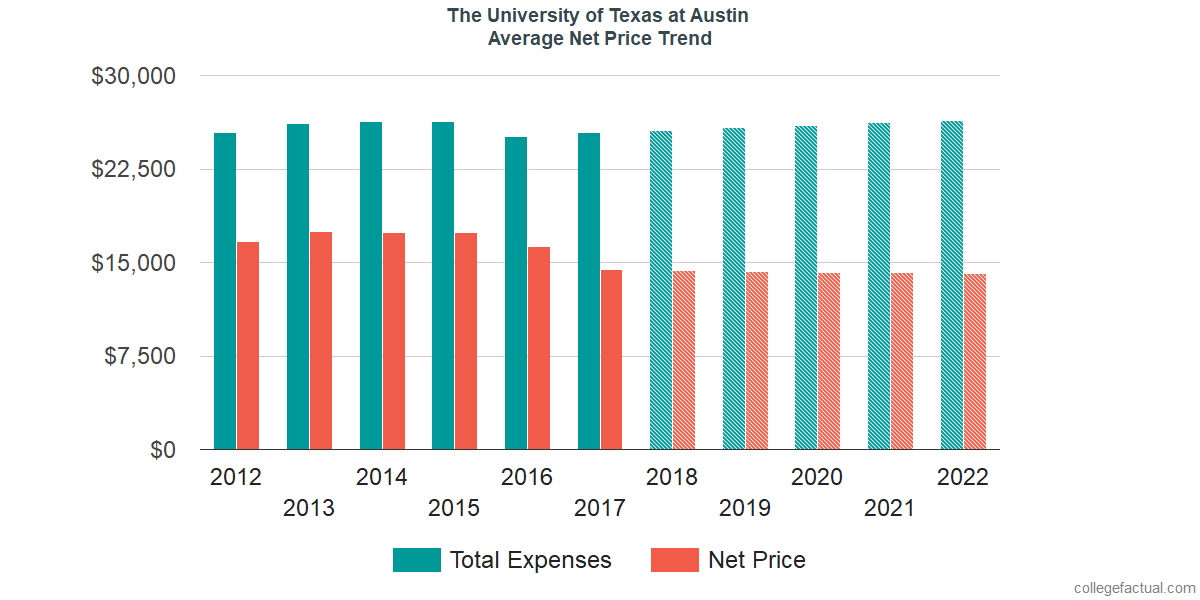
While tuition and mandatory fees form a significant portion of the educational expenses, it’s crucial to consider the broader scope of the cost of attendance (COA). The COA is an estimation of all the expenses a student is likely to incur during an academic year, including tuition, fees, room and board, books and supplies, transportation, and personal expenses. UT Austin’s Office of Financial Aid provides detailed COA estimates for different student living situations (on-campus versus off-campus).
On-Campus Living Expenses
Living on campus offers convenience and immersion in university life. The cost of on-campus housing and meal plans is a substantial part of the COA for many students. UT Austin offers a variety of residence halls and dining options, each with different price points. These costs are typically billed directly by the university and are a predictable expense for students opting for on-campus living. Exploring options like Jester Center or the Whitis Hall and their associated meal plans will provide a clearer picture of these costs.
Off-Campus Living Expenses
Students choosing to live off-campus in Austin will face different cost structures. Rent, utilities, and commuting expenses become primary considerations. The cost of off-campus housing can vary significantly depending on the neighborhood, the type of accommodation (apartment, shared house), and the number of roommates. Budgeting for utilities like electricity, water, and internet is also essential. The cost of transportation, whether through public transit, personal vehicle, or ride-sharing services, should also be factored into the off-campus living expenses.
Books, Supplies, and Personal Expenses
The cost of textbooks and academic supplies can add up quickly, especially for students in demanding programs. While some courses may utilize open educational resources, others require specific, often expensive, materials. Personal expenses cover a wide range of individual needs, including clothing, toiletries, entertainment, and other discretionary spending. These are highly variable and depend on individual lifestyles and spending habits.
Financial Aid and Scholarship Opportunities
The financial investment in a UT Austin education, while significant, can be mitigated through various financial aid and scholarship opportunities. Understanding these avenues is paramount for making higher education accessible.
Federal and State Financial Aid
Students can apply for federal financial aid by completing the Free Application for Federal Student Aid (FAFSA). This application determines eligibility for federal grants (like the Pell Grant), federal student loans, and federal work-study programs. Texas also offers state-specific financial aid programs for eligible residents. The UT Austin Office of Scholarships and Financial Aid is the primary resource for navigating these application processes and understanding award packages.
Merit-Based and Need-Based Scholarships
UT Austin offers a wide array of scholarships, both merit-based (awarded for academic achievement, talent, or leadership) and need-based (awarded based on financial circumstances). These scholarships can be provided by the university itself, individual colleges or departments, external organizations, and generous alumni. Prospective students are strongly encouraged to explore the university’s scholarship portal and departmental websites for specific opportunities. Scholarships can significantly reduce the out-of-pocket cost of tuition and other expenses.
External Scholarships
Beyond university-offered scholarships, numerous external organizations, community groups, and private foundations provide funding for higher education. Students should actively research and apply for these external scholarships, as they represent an additional source of financial support that can help offset the overall cost of attending UT Austin. Many reputable scholarship search engines can assist in finding relevant opportunities.
In conclusion, while the question of “How much is tuition at The University of Texas at Austin?” has a direct answer based on residency and program, a comprehensive understanding of the total cost of attendance, coupled with diligent exploration of financial aid and scholarship avenues, is essential for any prospective Longhorn to make informed decisions about their educational journey.
LifeOutOfTheBox is a participant in the Amazon Services LLC Associates Program, an affiliate advertising program designed to provide a means for sites to earn advertising fees by advertising and linking to Amazon.com. Amazon, the Amazon logo, AmazonSupply, and the AmazonSupply logo are trademarks of Amazon.com, Inc. or its affiliates. As an Amazon Associate we earn affiliate commissions from qualifying purchases.