
The Lone Star State, a vast expanse of diverse landscapes and vibrant cultures, often sparks a unique question for those unfamiliar with its sheer scale and influence: Is Texas a city or a state? This query, though seemingly simple, delves into the heart of what makes Texas so distinct. It’s a place where the spirit of a sprawling metropolis merges with the identity of an independent-minded, vast territory, leading many to ponder its fundamental classification. To truly understand Texas, one must appreciate its dual nature—a collective of world-class cities that anchor its identity, all within the sprawling borders of an immense and influential state.

The Scale of Texas: More Than Just a State
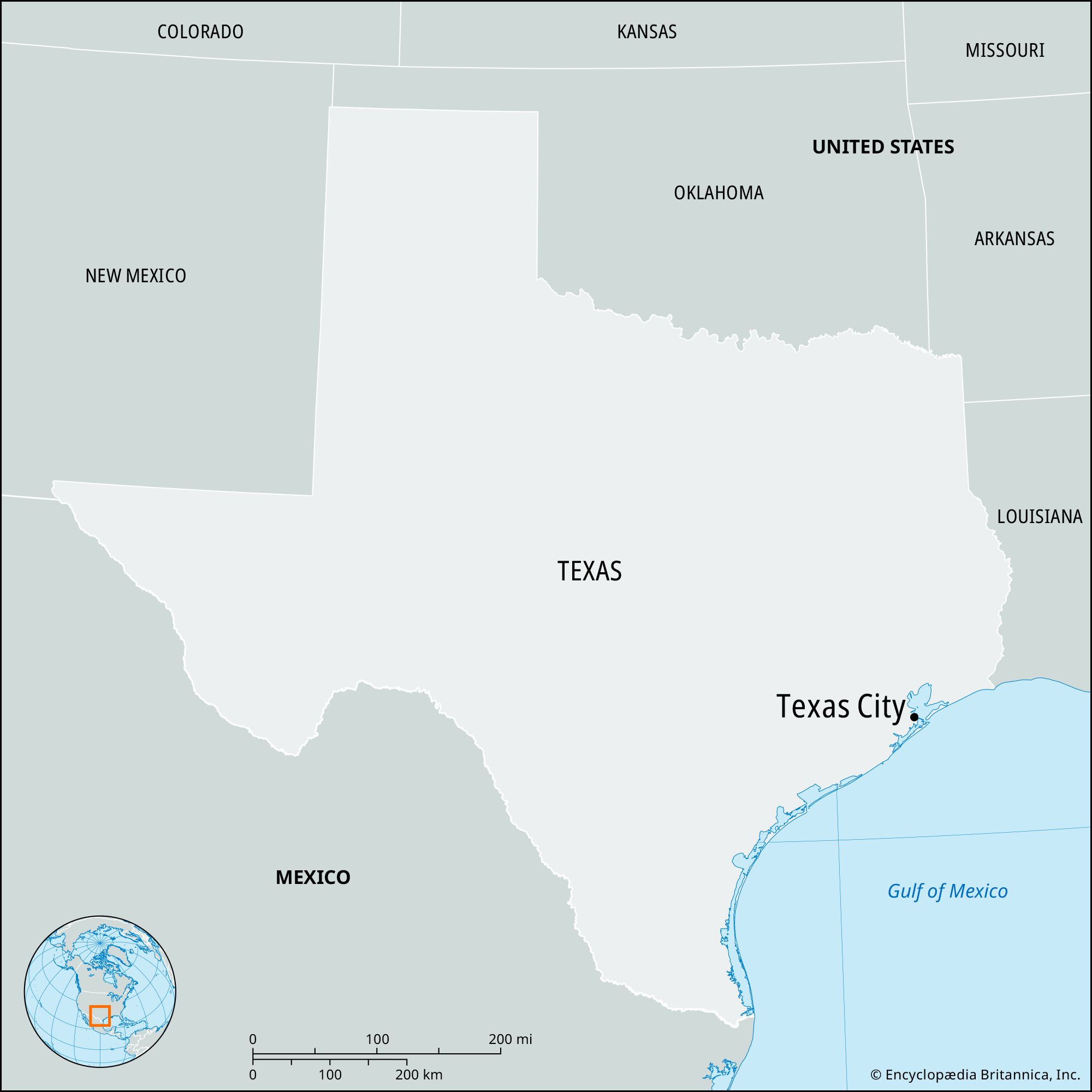
Texas’s sheer size is perhaps the primary driver behind the confusion. Spanning over 268,596 square miles, it is the second-largest state in the United States by both area and population. This immense geography means that traveling across Texas can feel like traversing multiple countries, each with its own distinct character. From the piney woods of East Texas to the arid deserts of West Texas, and from the Gulf Coast to the Panhandle, the state encompasses a remarkable diversity of environments.
A Land of Distinct Regions
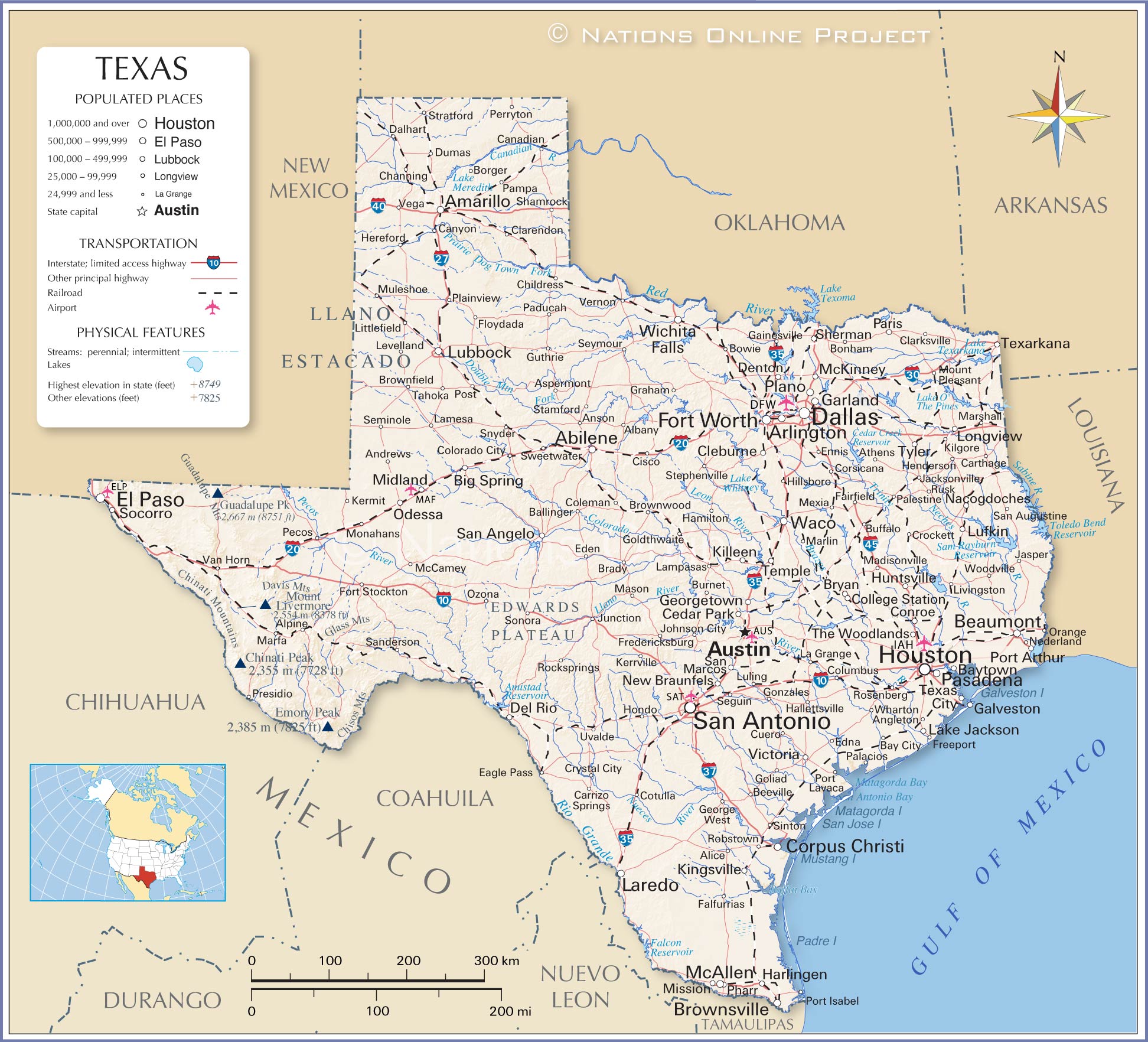
Within this vastness, several distinct regions contribute to Texas’s complex identity:
- The Panhandle: Known for its flat, agricultural plains and windswept beauty, this region is home to cities like Amarillo, famous for its Cadillac Ranch and its place along historic Route 66.
- West Texas: This is the rugged, mountainous frontier, characterized by dramatic landscapes and a strong sense of independence. Cities like El Paso, nestled against the Franklin Mountains, offer a unique blend of Texan and Mexican culture.
- Central Texas: Often considered the heartland, this region is a hub of innovation, culture, and music. Cities such as Austin, the state capital, and San Antonio, rich in Spanish colonial history, define this vibrant area.
- North Texas: Home to the Dallas-Fort Worth metroplex, this is a major economic and cultural center, boasting bustling cities and a dynamic business environment.
- East Texas: Characterized by its dense forests and rolling hills, this region offers a more Southern feel, with cities like Shreveport (though technically in Louisiana, its influence extends into East Texas) and Tyler contributing to its charm.
- South Texas: This region stretches from the Gulf Coast down to the Mexican border, with cities like Houston, the most populous city in Texas, and Corpus Christi along the coast.
This regional diversity means that experiences within Texas can vary dramatically. A visitor might find themselves exploring the vibrant arts scene of Austin one day and the historical missions of San Antonio the next, all while remaining within the same state.
The Economic Powerhouse
Texas is not just large; it’s economically significant. Its gross state product is larger than the GDP of many countries, making it a global economic force. This economic might is driven by a diverse range of industries, including oil and gas, technology, agriculture, and manufacturing, further solidifying its status as a major player on the world stage. The presence of so many thriving economic centers could lead some to perceive Texas as a collection of independent cities rather than a unified state.
The Cities of Texas: Global Metropolises and Cultural Hubs
While Texas is undeniably a state, its identity is profoundly shaped by its major cities, each possessing the characteristics and influence often associated with independent urban centers. These cities are not merely administrative divisions but dynamic hubs of culture, commerce, and innovation, drawing millions of residents and visitors alike.
Houston: A Global Gateway
Houston, the most populous city in Texas, is a sprawling metropolis that ranks among the top 10 most populous cities in the United States. It is a global hub for the energy industry, with a significant presence in aerospace, healthcare, and biomedical research. The city’s cultural landscape is equally impressive, boasting world-class museums, a renowned performing arts district, and a diverse culinary scene reflecting its international population. From the iconic Space Center Houston to its numerous parks and green spaces, Houston offers an urban experience that rivals any major global city.
Dallas-Fort Worth Metroplex: An Economic Engine
The Dallas-Fort Worth Metroplex, often referred to as the “Big D,” is a vast, conjoined urban area that functions as a single economic and cultural entity. Dallas itself is a major center for finance, technology, and transportation, known for its sleek modern architecture and its vibrant business district. Nearby Fort Worth, with its Western heritage and Stockyards, offers a complementary, more traditional Texan experience. Together, they form one of the largest and fastest-growing metropolitan areas in the United States, attracting significant business investment and a diverse population.
Austin: The Live Music Capital of the World
Austin, the state capital, has carved out a unique identity as the “Live Music Capital of the World.” It’s also a booming tech hub, often referred to as “Silicon Hills,” attracting young professionals and entrepreneurs. Austin’s vibrant culture is characterized by its quirky spirit, its emphasis on outdoor recreation, and its thriving food truck scene. The city’s annual festivals, such as South by Southwest (SXSW), draw international attention, further cementing its status as a major cultural destination.
San Antonio: A Tapestry of History and Culture
San Antonio offers a rich historical narrative, deeply rooted in its Spanish colonial past. The city is home to the historic Alamo and a series of Spanish missions, designated as a UNESCO World Heritage Site. The iconic River Walk, a network of walkways along the San Antonio River, is a vibrant urban space filled with restaurants, shops, and entertainment venues. San Antonio’s unique blend of cultures, particularly its strong Tejano heritage, provides a distinct and captivating experience.
El Paso: A Border Metropolis
Situated on the westernmost tip of Texas, bordering Mexico, El Paso is a fascinating border city with a unique cultural identity. Its proximity to Ciudad Juárez creates a binational metropolitan area, fostering a rich exchange of cultures, traditions, and economies. The city is framed by the stunning Franklin Mountains, offering ample opportunities for outdoor adventure. El Paso’s history is a testament to the convergence of American and Hispanic influences, creating a distinct atmosphere unlike any other in Texas.
The State Identity: More Than Just a Collection of Cities
While the impressive urban centers often take center stage, it is crucial to remember that Texas is, fundamentally, a state with a unified political and cultural identity. The state government, headquartered in Austin, oversees the governance of all its territories and residents. The concept of “Texas” evokes a sense of independence, a proud history, and a distinct way of life that transcends the boundaries of any single city.
The Spirit of Texas
The “Texas spirit” is often described as independent, resilient, and deeply proud. This sentiment is cultivated through shared history, from its days as an independent republic to its role in the United States. This collective identity is reinforced through shared cultural touchstones, such as its love for country music, its rich barbecue traditions, and its enduring fascination with rodeo and football.
Unique Laws and Governance
As a state, Texas has its own unique set of laws, regulations, and governance structures. For example, its property tax system and its approach to business regulation are distinct from those of many other states. This unique legal framework contributes to the state’s distinct economic and social landscape.
A Destination for All
Whether one is drawn by the urban sophistication of Houston, the cultural vibrancy of Austin, the historical depth of San Antonio, or the vast natural beauty of its rural landscapes, Texas offers a multifaceted travel experience. It’s a place where the energy of its dynamic cities seamlessly blends with the sprawling grandeur of its state identity, making it a destination that truly defies simple categorization. It is, in essence, a state that is home to world-class cities, each contributing to the grand tapestry of what it means to be Texan.
LifeOutOfTheBox is a participant in the Amazon Services LLC Associates Program, an affiliate advertising program designed to provide a means for sites to earn advertising fees by advertising and linking to Amazon.com. Amazon, the Amazon logo, AmazonSupply, and the AmazonSupply logo are trademarks of Amazon.com, Inc. or its affiliates. As an Amazon Associate we earn affiliate commissions from qualifying purchases.