
Obtaining a motorcycle license in Florida unlocks a world of freedom and exploration, allowing you to experience the state’s scenic byways and vibrant cities from a unique perspective. Whether you dream of cruising along the Overseas Highway in the Florida Keys or navigating the bustling streets of Miami, having the correct license is paramount. This guide will walk you through the essential steps to acquire your motorcycle endorsement in the Sunshine State, ensuring you can legally and safely enjoy your two-wheeled adventures.
Understanding Florida’s Motorcycle Licensing Requirements
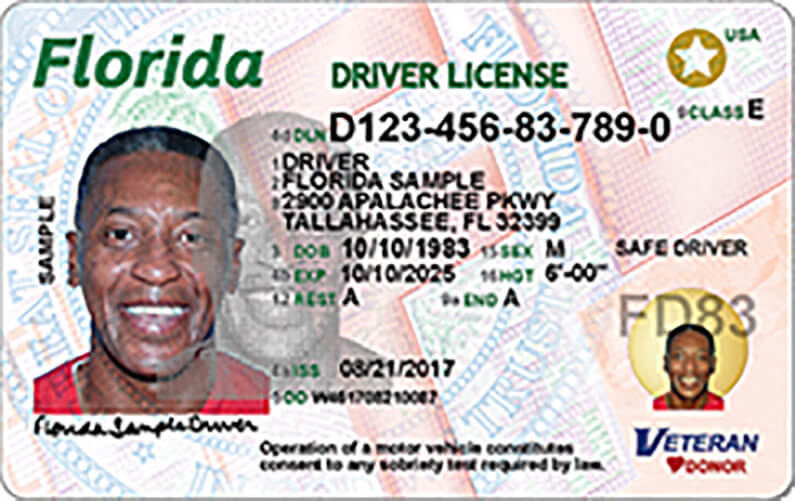
Florida mandates specific requirements for obtaining a motorcycle license, often referred to as a motorcycle endorsement added to your existing driver’s license. The process is designed to ensure that riders possess the necessary skills and knowledge to operate a motorcycle safely.

Age and Eligibility
To obtain a motorcycle endorsement in Florida, you must meet certain age criteria.
- Under 18 Years Old: If you are under 18, you are required to complete a motorcycle safety course approved by the Florida Department of Highway Safety and Motor Vehicles (FLHSMV). Upon successful completion, you will receive a completion card, which exempts you from the skills test at a Florida driver license service center. You will still need to pass the written knowledge test. Additionally, individuals under 18 must hold a learner’s permit for at least one year or until they turn 18, whichever comes first. This permit allows them to ride under supervision and specific conditions.
- 18 Years and Older: If you are 18 or older, you have two primary options to obtain your endorsement:
- Complete an Approved Motorcycle Safety Course: Similar to those under 18, completing a course offers a significant advantage. Successful completion will exempt you from the motorcycle skills test at the driver license service center. You will still need to pass the written knowledge test.
- Pass the Motorcycle Skills Test: If you choose not to take a safety course, you must schedule and pass a motorcycle skills test administered by a Florida driver license service center or a third-party testing provider authorized by the state. This test evaluates your ability to control the motorcycle, perform basic maneuvers, and demonstrate safe riding practices.
Required Documentation
Regardless of your age or chosen path, you will need to present specific documents when applying for your motorcycle endorsement. It is crucial to have these prepared in advance to ensure a smooth application process.
- Proof of Identity and Social Security Number: This can include your birth certificate, U.S. passport, or other state-issued identification.
- Proof of Residential Address in Florida: This could be a utility bill, bank statement, or lease agreement.
- Proof of U.S. Citizenship or Legal Presence: This may include your birth certificate, passport, or immigration documents.
- Your Existing Florida Driver’s License or Identification Card: If you are adding the endorsement to an existing license.
- Motorcycle Safety Course Completion Card (if applicable): This must be from an FLHSMV-approved course.
The Application Process: Step-by-Step
The process of obtaining your motorcycle license in Florida involves several key steps. Understanding these steps will help you navigate the system efficiently.
Step 1: Prepare for the Written Knowledge Test
The written knowledge test assesses your understanding of Florida traffic laws, safe riding practices, and motorcycle-specific regulations.
- Study the Official Florida Motorcycle Handbook: This comprehensive guide is your primary resource for test preparation. It covers essential topics such as visibility, speed management, cornering, braking, riding in groups, and emergency procedures. You can typically download this handbook from the FLHSMV website or obtain a physical copy from a driver license service center.
- Take Practice Tests: Many resources offer online practice tests that mimic the format and content of the official exam. These are invaluable for identifying areas where you need further study.
Step 2: Pass the Written Knowledge Test
Once you feel adequately prepared, you can schedule your written knowledge test at any Florida driver license service center.
- Scheduling the Test: You can often schedule appointments online through the FLHSMV website or by calling a local service center. Walk-ins may be accommodated, but appointments are generally recommended to avoid long wait times.
- Taking the Test: The test usually consists of multiple-choice questions. You will need to achieve a passing score to proceed. If you do not pass, you can typically retake the test after a waiting period, often the next business day.
Step 3: Complete a Motorcycle Safety Course or Schedule a Skills Test
This is a critical juncture where you decide your path forward.

Option A: Completing an Approved Motorcycle Safety Course
Florida recognizes several motorcycle safety training programs that are highly recommended for all riders, regardless of experience.
- Benefits of a Safety Course:
- Skills Test Waiver: Successful completion waives the requirement for a skills test at the driver license service center.
- Enhanced Skills and Safety: These courses provide hands-on training in fundamental and advanced riding techniques, hazard avoidance, and emergency maneuvers, significantly improving your riding proficiency and safety.
- Insurance Discounts: Many insurance providers offer discounts to riders who have completed an approved safety course.
- Finding an Approved Course: The FLHSMV maintains a list of approved motorcycle safety course providers throughout the state. Popular programs include the Motorcycle Safety Foundation (MSF) Basic RiderCourse (BRC). The BRC is designed for beginners and teaches the basics of operating a motorcycle, while the BRC2 is for experienced riders.
- Course Structure: The courses typically involve a combination of classroom instruction and on-cycle practice. You will learn about motorcycle parts and operation, rider responsibilities, riding strategies, and techniques for navigating various road conditions.
Option B: Scheduling and Passing the Motorcycle Skills Test
If you opt not to take a safety course, you must demonstrate your riding proficiency through a skills test.
- Scheduling the Test: You will need to schedule this test at a Florida driver license service center or with an authorized third-party testing provider. It is advisable to call in advance to understand their specific procedures and availability.
- What the Skills Test Involves: The test typically includes a series of maneuvers designed to evaluate your control over the motorcycle. These may include:
- Cone Weave: Navigating through a series of cones at a controlled speed.
- Sharp Turns: Executing smooth and controlled turns.
- Obstacle Swerve: Demonstrating the ability to quickly swerve to avoid an obstacle.
- Braking: Executing controlled stops from various speeds.
- U-Turns: Making a tight U-turn within a designated area.
- Riding Your Own Motorcycle: You will typically need to provide your own motorcycle for the skills test. Ensure it is in good working condition, with proper tires, brakes, lights, and mirrors. You will also need to wear appropriate safety gear, including a helmet, eye protection, sturdy footwear, long pants, and a long-sleeved shirt or jacket.
Step 4: Visit a Florida Driver License Service Center
Once you have passed your written knowledge test and either completed a safety course or passed your skills test, you will need to visit a Florida driver license service center to finalize your endorsement.
- Submitting Your Documents: Present all the required documentation, including your passing test scores or course completion card, proof of identity, residency, and citizenship/legal presence.
- Eye Exam: You will be required to pass a vision screening test. If you wear glasses or contact lenses for driving, you will need to wear them for this exam, and the restriction will be noted on your license.
- Application and Fee Payment: Complete the necessary application forms and pay the required fees for the motorcycle endorsement and any associated license updates. The fee structure can vary, so it’s wise to check the FLHSMV website for the most current information.
- Receiving Your New License: After processing your application and payment, you will receive a temporary license, and your permanent license with the motorcycle endorsement will be mailed to you.
Safe Riding Practices and Continued Education
Obtaining your motorcycle license is just the first step in a lifelong journey of safe riding.
The Importance of Safety Gear
Wearing appropriate safety gear is non-negotiable for all motorcycle riders.
- Helmet: A DOT-approved helmet is essential. It significantly reduces the risk of head injury in the event of a crash. Ensure it fits snugly and comfortably.
- Eye Protection: Goggles or a face shield on your helmet protect your eyes from debris, wind, and insects, improving visibility and comfort.
- Protective Clothing: Abrasion-resistant jackets and pants made of leather or specialized textiles can protect your skin from road rash in a slide.
- Gloves: Gloves enhance grip and protect your hands from abrasions and impact.
- Footwear: Sturdy, over-the-ankle boots protect your feet and ankles from injury.
Advanced Rider Training
Even after obtaining your license, consider enrolling in more advanced motorcycle safety courses.
- MSF Advanced RiderCourse (ARC): This course builds upon the basics learned in the BRC and focuses on refining skills like cornering, braking in various conditions, and advanced control techniques.
- Specialty Courses: Various training programs focus on specific riding styles, such as sport riding, off-road riding, or touring, allowing you to further hone your abilities in areas of interest.
Riding Responsibly in Florida
Florida boasts diverse riding environments, from scenic coastal routes to urban thoroughfares. Always ride defensively and be aware of your surroundings.
- Visibility: Make yourself as visible as possible to other drivers. Wear bright clothing, use your headlights, and position yourself in the lane where you are most likely to be seen.
- Lane Positioning: Understand proper lane positioning for visibility and escape routes. Avoid riding in blind spots of other vehicles.
- Speed Management: Adjust your speed according to road conditions, traffic, and visibility.
- Impairment: Never ride under the influence of alcohol or drugs. Florida has strict laws against impaired driving.
By following these steps and prioritizing safety, you can confidently obtain your Florida motorcycle license and embark on countless memorable rides across the state.
LifeOutOfTheBox is a participant in the Amazon Services LLC Associates Program, an affiliate advertising program designed to provide a means for sites to earn advertising fees by advertising and linking to Amazon.com. Amazon, the Amazon logo, AmazonSupply, and the AmazonSupply logo are trademarks of Amazon.com, Inc. or its affiliates. As an Amazon Associate we earn affiliate commissions from qualifying purchases.