
Texas, a state often lauded for its vast landscapes, vibrant culture, and burgeoning economy, frequently sparks questions about its tax structure. Chief among these queries is whether Texas is a tax-free state. While this notion might stem from the absence of a state income tax, the reality is more nuanced. Understanding the full tax picture is crucial for any traveler, resident, or business considering a presence in the Lone Star State.
The Absence of State Income Tax: A Key Distinction
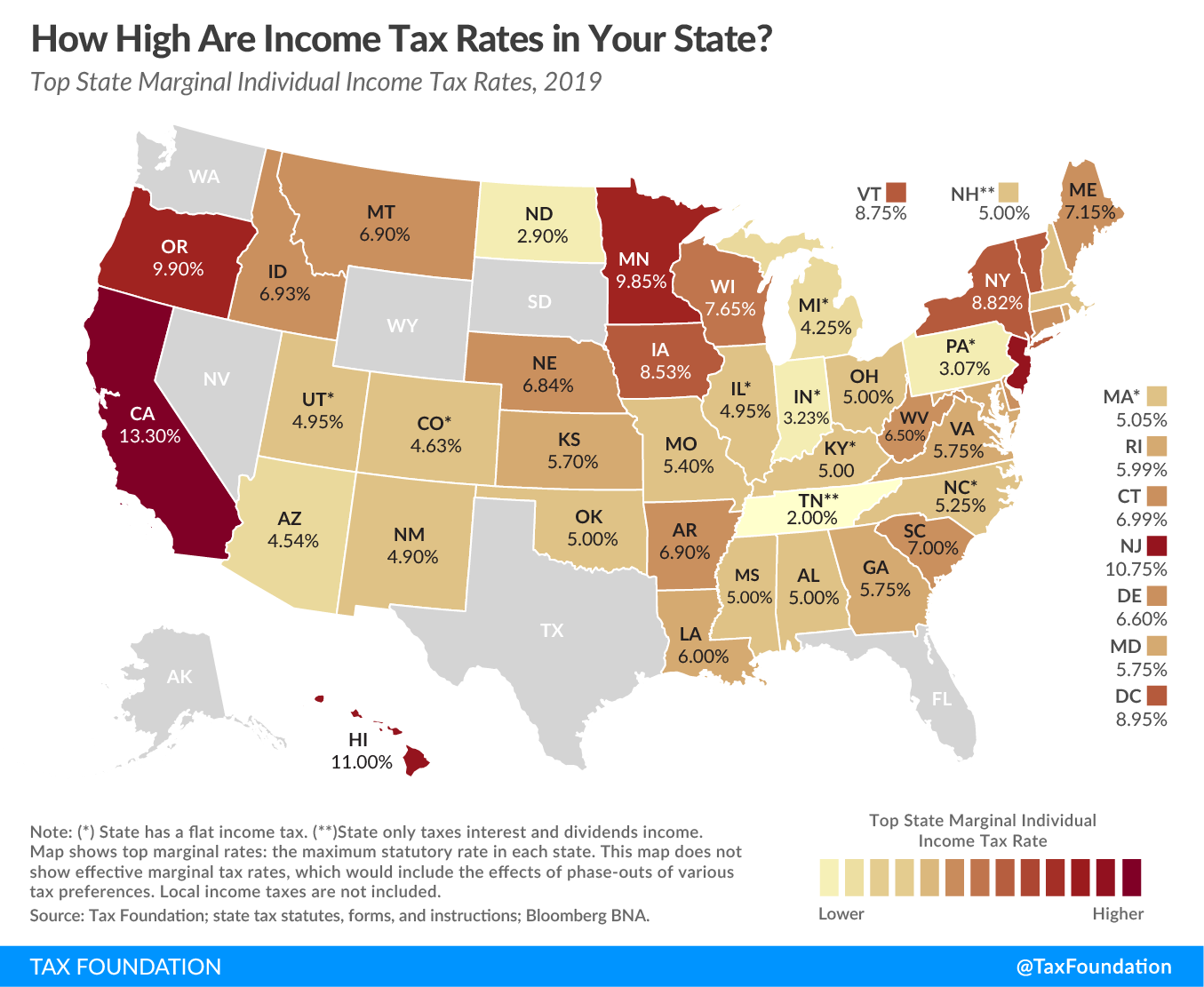
One of the most significant draws for individuals and businesses alike when considering Texas is its lack of a state income tax. This is a substantial departure from many other U.S. states, where income earned by residents is subject to state-level taxation. For individuals, this means that a larger portion of their gross earnings remains in their pockets, contributing to their personal disposable income. For businesses, it translates to lower operational costs and potentially more attractive profit margins, making Texas a competitive location for investment and expansion.
Implications for Residents and Businesses
The absence of a state income tax has a profound impact on the financial landscape of Texas. Residents enjoy a higher take-home pay compared to those in states with income tax. This can encourage migration to Texas, fueling population growth and economic activity. Cities like Austin, Dallas, and Houston have witnessed substantial influxes of people, partly attributed to this tax advantage.
For businesses, the lack of income tax simplifies tax planning and reduces the overall tax burden. This can be a deciding factor for companies looking to relocate or establish new operations. Many major corporations have established significant presences in Texas, attracted by its business-friendly environment, which includes this key tax benefit. This economic development, in turn, creates jobs and further stimulates the state’s economy.
Beyond Income Tax: A Broader Fiscal Picture
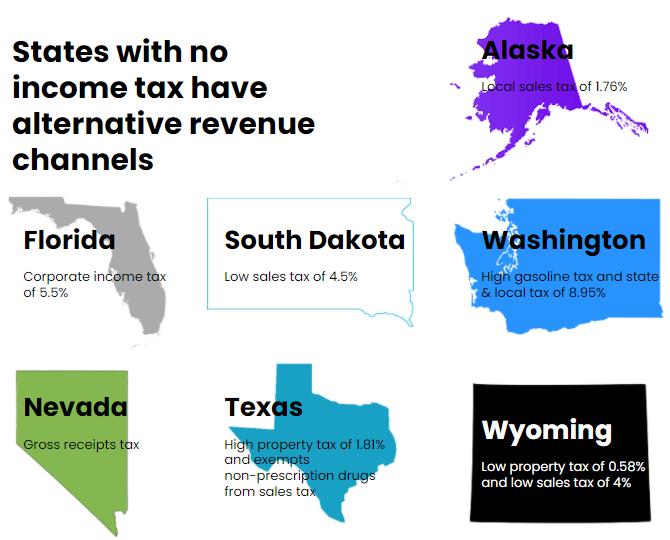
While the absence of state income tax is a major talking point, it is imperative to recognize that Texas is far from being a “tax-free” state. The state relies on other forms of taxation to fund its public services, infrastructure, and government operations. These taxes, while not directly levied on income, do contribute to the overall cost of living and doing business in Texas.
Sales Tax: The Primary Revenue Generator
The most significant source of state revenue in Texas is its sales tax. This is a consumption tax, meaning it is levied on the sale of goods and services. The state sales tax rate is currently 6.25%, and local jurisdictions are permitted to add their own sales taxes, bringing the total to a maximum of 8.25% in many areas. This tax is applied to a wide range of items, though certain necessities and groceries are often exempt or taxed at a reduced rate.
For travelers, this means that every purchase made in Texas, from a souvenir in San Antonio to a meal in a Galveston restaurant, will include a sales tax component. While the rate might seem comparable to other states, the cumulative effect of purchasing many items can add up.
Property Taxes: A Local Responsibility
Another substantial component of the Texas tax system is property tax. Unlike income tax, property taxes are primarily levied at the local level – by counties, cities, school districts, and other special districts. These taxes are based on the assessed value of real estate and sometimes tangible personal property. Texas has some of the highest property tax rates in the nation, which can be a significant financial consideration for homeowners and businesses with substantial real estate holdings.
Understanding Property Tax Implications
The reliance on property taxes for local funding means that the quality of local services, such as schools and public safety, can be directly tied to the property tax base of a particular area. This can lead to disparities in funding and services between affluent and less affluent communities. For individuals looking to purchase property in Texas, understanding the local property tax rates is a critical part of assessing affordability. Likewise, businesses that own or lease significant real estate will find property taxes to be a considerable operating expense.
The Role of Appraisal Districts
Each county in Texas has an appraisal district responsible for determining the market value of all taxable property within its jurisdiction. Property owners have the right to appeal their property’s appraised value if they believe it is too high. This process is managed by local appraisal review boards.
Other State Taxes
Beyond sales and property taxes, Texas also collects revenue from a variety of other sources. These include:
- Franchise Tax: This is a business tax levied on certain entities, including corporations, limited liability companies (LLCs), and partnerships, for the privilege of doing business in Texas. The tax is based on a business’s taxable margin, with various exemptions and deductions available.
- Motor Vehicle Sales Tax: A tax is levied on the sale of new and used vehicles.
- Hotel Occupancy Tax: This tax is imposed on hotel guests, with a portion going to the state and the remainder to local tourism promotion efforts. This is a relevant consideration for any visitor staying at a resort or hotel in cities like Corpus Christi.
- Cigarette and Tobacco Taxes: Taxes are levied on tobacco products.
- Alcoholic Beverage Taxes: Taxes are applied to alcoholic beverages.
- Oil and Gas Severance Taxes: Texas is a major producer of oil and natural gas, and severance taxes are levied on the extraction of these natural resources.
Each of these taxes contributes to the state’s revenue streams, underscoring the fact that Texas, while having no state income tax, still has a comprehensive tax system that impacts its residents and visitors.
Navigating the Texas Tax Landscape for Travelers
For tourists visiting Texas, the primary tax consideration will be the sales tax. While the state rate is relatively moderate, local add-ons can increase the final percentage. It’s wise to factor this into budgeting for purchases, dining, and any guided tours or attraction tickets. Many cities actively use the hotel occupancy tax to fund tourism initiatives, helping to promote attractions and maintain infrastructure that benefits visitors.
Budgeting for Purchases
When planning a trip to Texas, whether for a weekend getaway in Fort Worth or a longer stay exploring national parks like Big Bend National Park, it’s advisable to add approximately 6.25% to 8.25% to the advertised price of goods and services to account for sales tax. This will prevent any unwelcome surprises at the checkout counter.
Accommodation Taxes
The hotel occupancy tax is also a crucial element for travelers. This tax varies by location, with popular tourist destinations sometimes having higher rates to support their tourism infrastructure. For example, staying at a luxury hotel in a major city like El Paso might incur a higher occupancy tax than a modest motel in a smaller town. Researching the specific tax rates for your chosen accommodation in advance can be beneficial.

Conclusion: A State with No Income Tax, Not No Taxes
In conclusion, while the title “Is Texas A Tax Free State?” might hold a kernel of truth regarding state income tax, it paints an incomplete picture. Texas is a state that has strategically opted out of levying a personal or corporate income tax, a decision that has significantly shaped its economic development and appeal. However, it robustly utilizes sales tax and property tax, alongside other excises and fees, to fund its extensive public services and infrastructure.
For anyone considering Texas for travel, relocation, or business, a comprehensive understanding of its tax structure is essential. The absence of income tax is a significant advantage, but the presence and impact of sales, property, and other taxes must be fully accounted for to make informed financial decisions and truly appreciate the fiscal realities of the Lone Star State. Texas offers a compelling economic environment, but its tax landscape requires careful navigation.
LifeOutOfTheBox is a participant in the Amazon Services LLC Associates Program, an affiliate advertising program designed to provide a means for sites to earn advertising fees by advertising and linking to Amazon.com. Amazon, the Amazon logo, AmazonSupply, and the AmazonSupply logo are trademarks of Amazon.com, Inc. or its affiliates. As an Amazon Associate we earn affiliate commissions from qualifying purchases.