
Alaska, the United States’ largest state, is a land defined by its immense and diverse hydrological systems. From towering glaciers feeding pristine rivers to vast lakes nestled within ancient volcanic calderas, and a coastline stretching further than all other U.S. states combined, the question of whether its streams and lakes are fresh or saltwater is more nuanced than a simple yes or no. For travelers planning an immersive journey into this wild frontier, understanding the characteristics of Alaska’s water bodies is crucial for everything from fishing expeditions to wildlife viewing and navigating its unique landscapes.
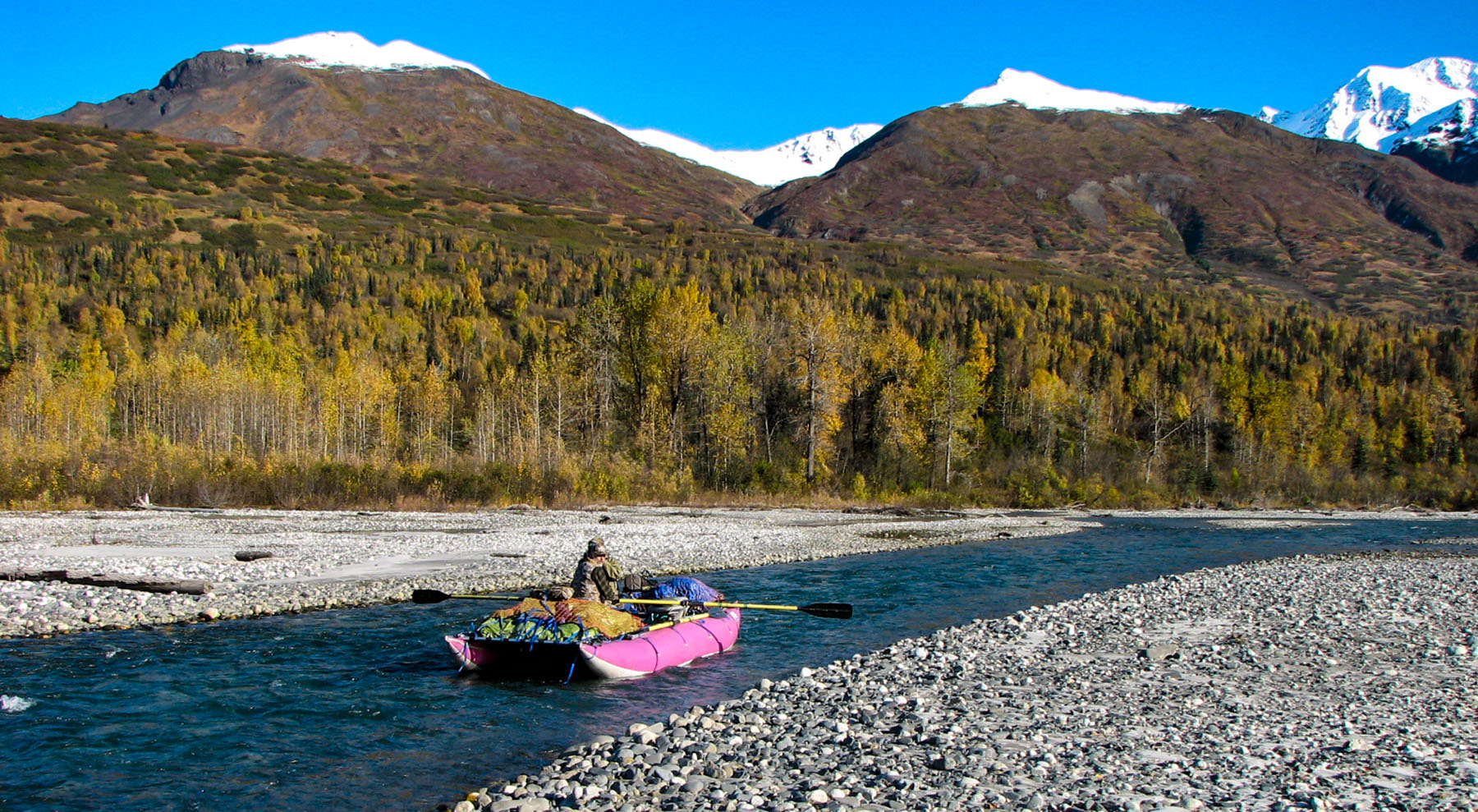
The Predominance of Freshwater in Alaska’s Interior
At its core, the vast majority of Alaska’s streams and lakes are freshwater. This is largely due to the state’s immense size, its numerous mountain ranges, and the presence of over 100,000 glaciers, which act as natural freshwater factories. These glaciers melt, feeding countless rivers and streams that carve their way through the interior, eventually emptying into the sea.
Vast Glacial and Mountain-Fed Systems
The Alaska Range, Brooks Range, and Chugach Mountains are just a few of the massive mountain systems that define Alaska’s topography. These ranges are home to extensive icefields and glaciers, whose meltwater forms the headwaters of numerous pristine rivers. These rivers, fed by pure glacial runoff and seasonal snowmelt, remain freshwater as they flow towards the coast. Their cold, oxygen-rich waters are vital for various aquatic species and create some of the world’s most productive salmon habitats. Travelers venturing into interior regions like Denali National Park or the Gates of the Arctic National Park will primarily encounter these classic freshwater environments.
Iconic Freshwater Lakes and Rivers
Alaska is home to over 3 million lakes, ranging from small tundra ponds to immense inland seas. The vast majority of these are freshwater. Among the most famous is Lake Iliamna, the largest lake in Alaska and a critical freshwater habitat within the Bristol Bay watershed, renowned for its sockeye salmon runs. Other significant freshwater bodies include Lake Clark, known for its crystal-clear waters and bear viewing opportunities, and Tustumena Lake on the Kenai Peninsula.
The Yukon River, one of North America’s longest rivers, flows thousands of miles through Alaska’s interior, remaining freshwater for its entire journey within the state until it reaches its delta on the Bering Sea. Similarly, the Kuskokwim River, the Susitna River, and the Copper River are vital freshwater arteries. These rivers and lakes are prime destinations for fishing, kayaking, rafting, and wildlife observation, providing essential resources for migratory birds, bears, and other terrestrial wildlife.
Implications for Anglers and Kayakers
For anglers, understanding the freshwater dominance is key. Alaska’s freshwater systems are world-famous for their anadromous fish runs—species like salmon that spawn in freshwater but mature in saltwater—and resident freshwater fish like rainbow trout, Dolly Varden, Arctic grayling, and northern pike. Destinations like the Kenai River are legendary for king salmon, while remote lodges near Katmai National Park offer unparalleled trout fishing. Kayakers and canoeists will find endless opportunities on placid lakes and flowing rivers, offering a serene way to experience the wilderness, often with chances to spot moose, eagles, and even bears on the banks.
The Dynamic Interface: Saltwater Influence and Brackish Zones
While freshwater dominates the interior, Alaska’s immense coastline introduces complex interactions with saltwater, creating unique environments where salinity varies. With over 6,600 miles of coastline (and 47,300 miles including islands and inlets), the boundaries between land and sea are incredibly dynamic.
Coastal Estuaries and Tidal Flats
Where freshwater rivers meet the sea, estuaries are formed—dynamic ecosystems where fresh and saltwater mix, resulting in brackish conditions. These zones are incredibly rich in biodiversity and are crucial nursery grounds for many marine species, including all five species of Pacific salmon, which transition from freshwater to saltwater in these areas. Iconic estuaries can be found in places like Prince William Sound, Cook Inlet near Anchorage, and throughout the Inside Passage of Southeast Alaska.
Travelers exploring these coastal areas, whether by boat tour from Seward or Homer, or on a ferry through the Alaska Marine Highway System, will witness these transitions. The tidal flats expose vast areas of nutrient-rich mud and sand at low tide, attracting immense numbers of migratory birds and offering opportunities for clamming and crabbing.
Unique Coastal Lakes and Their Salinity Fluctuations

Some lakes near the coast can exhibit fascinating saline characteristics. While most are purely freshwater, a select few are technically saltwater or brackish. Meromictic lakes, for instance, are lakes where layers of water do not mix, and some coastal meromictic lakes in Alaska can have a saltwater layer at the bottom, trapped beneath a freshwater layer. These are rare but intriguing natural phenomena.
More commonly, some coastal “lakes” are actually lagoons or tidal embayments that are intermittently connected to the ocean. Their salinity can fluctuate dramatically with the tides and seasonal freshwater runoff. These areas, often found along the Gulf of Alaska coastline, present unique challenges and opportunities for adventurers, requiring an understanding of tidal charts and local conditions.
Where Saltwater Species Roam Inland
The presence of anadromous fish like salmon blurs the lines, as these fish spend significant portions of their lives in both saltwater and freshwater. During their spawning runs, millions of salmon return from the ocean, swimming far up freshwater rivers and streams. This means that while you might be fly-fishing in a seemingly remote freshwater stream, you are directly interacting with an ecosystem intrinsically linked to the saltwater ocean. Similarly, marine mammals such as beluga whales are known to venture into the brackish waters of Cook Inlet near Anchorage, following salmon runs upriver. Coastal areas of Alaska, especially in protected fjords like those in Glacier Bay National Park, also offer incredible opportunities to witness marine life, from sea otters to humpback whales, in what might appear to be calm, lake-like inlets.
Biodiversity and Recreational Opportunities Shaped by Water Type
The distinction between fresh and saltwater environments directly dictates the types of wildlife you’ll encounter and the recreational activities available. This understanding is key to planning a tailored Alaskan adventure.
Freshwater Ecosystems: Salmon, Trout, and Wildlife Viewing
Alaska’s freshwater systems are the lifeblood of its terrestrial wildlife. The abundance of salmon returning to spawn in rivers like the Kenai River or the streams around Brooks Falls in Katmai National Park attracts significant populations of brown bears, bald eagles, and other predators. For wildlife photographers and viewers, these freshwater spawning grounds are unparalleled. Kayaking and rafting trips on rivers such as the Talkeetna River or the Nenana River offer chances to spot moose foraging in wetlands, caribou crossing vast plains, and myriad bird species.
Saltwater/Brackish Havens: Marine Mammals and Birdlife
The saltwater and brackish zones are teeming with a different kind of life. Whale watching tours depart from cities like Juneau, Seward, and Valdez, offering opportunities to see humpback, orca, and gray whales. Coastal cruises explore fjords and passages where sea lions haul out on rocks, sea otters float idly, and puffins nest on rocky cliffs. The intertidal zones of estuaries are crucial feeding grounds for millions of migratory shorebirds, making them prime destinations for birdwatchers. Fishing charters venturing into saltwater offer opportunities for halibut, rockfish, and lingcod, a distinct experience from freshwater angling.
Planning Your Adventure: Activities Based on Water Salinity
When planning your trip to Alaska, consider what type of aquatic experience you desire:
- For pure freshwater activities: Focus on interior destinations like Fairbanks for riverboat tours, or the Tangle Lakes area for canoeing and fishing. Explore national parks like Denali for its alpine lakes and streams.
- For saltwater and brackish experiences: Concentrate on coastal hubs such as Anchorage, Juneau, Ketchikan, Homer, or Seward. These are gateways to marine wildlife tours, sea kayaking, deep-sea fishing, and exploring tidal zones.
- For a blend: Many popular destinations, like the Kenai Peninsula, offer easy access to both. You can fish for salmon in the Kenai River in the morning and take a marine tour of Resurrection Bay in the afternoon.
Navigating Alaska’s Waters: Safety and Conservation for Travelers
Regardless of whether you’re in fresh or saltwater environments, responsible travel and safety are paramount in Alaska’s rugged and pristine settings.
Understanding Water Conditions and Hazards
Freshwater rivers can have strong currents, braided channels, and sudden depth changes, especially during spring melt. Glacial-fed rivers often carry a milky silt, impacting visibility. Lakes can be incredibly cold, posing hypothermia risks even on warm days. For saltwater and brackish areas, understanding tidal swings, currents, and weather changes is critical. Fog can roll in quickly, and choppy seas can develop unexpectedly. Always consult local experts, carry appropriate safety gear (life vests, communication devices), and check weather and tide forecasts before embarking on any water-based activity. Guided tours are often the safest and most informative way to experience these waters.

Responsible Tourism and Environmental Stewardship
Alaska’s waters are vital ecosystems that sustain its unique wildlife and local communities. As a traveler, practicing Leave No Trace principles is essential. This includes properly disposing of waste, respecting wildlife (maintaining safe distances, not feeding animals), staying on designated trails, and being mindful of your impact on these delicate environments. When fishing, adhere strictly to licensing requirements, bag limits, and ethical angling practices to ensure the sustainability of fish populations. By understanding the fresh and saltwater dynamics of Alaska’s streams and lakes, travelers can not only plan more informed and exciting adventures but also contribute to the preservation of this extraordinary natural heritage for future generations.
LifeOutOfTheBox is a participant in the Amazon Services LLC Associates Program, an affiliate advertising program designed to provide a means for sites to earn advertising fees by advertising and linking to Amazon.com. Amazon, the Amazon logo, AmazonSupply, and the AmazonSupply logo are trademarks of Amazon.com, Inc. or its affiliates. As an Amazon Associate we earn affiliate commissions from qualifying purchases.