
National City, California, nestled in the heart of San Diego County, presents a compelling destination for travelers seeking an authentic slice of Southern California life, blending urban accessibility with a rich cultural tapestry and a growing appeal for diverse experiences. Situated just south of downtown San Diego, its strategic location makes it a prime base for exploring the wider San Diego metropolitan area while offering its own unique attractions and local flavor.
Unveiling National City’s Geographic and Historical Roots
To truly appreciate National City, understanding its foundational geography and historical trajectory is essential. This vibrant locale was incorporated in 1887, making it one of the oldest cities in San Diego County. Its early development was intrinsically linked to its strategic position along the San Diego Bay, which quickly established it as a hub for maritime activities and industrial growth. The city’s name itself, “National City,” reflects its ambitious early vision to become a major national port and railway terminus, a dream that laid the groundwork for its enduring significance in the region.

Strategic Location and Accessibility
National City’s geographic advantage is undeniable. Bordered by the cities of San Diego to the north, Chula Vista to the south, and La Mesa and Lemon Grove to the east, it enjoys proximity to major transportation arteries. Interstate 5, a vital north-south freeway, runs directly through the city, providing swift access to downtown San Diego’s vibrant Gaslamp Quarter, the historic Old Town San Diego State Historic Park, and the world-renowned San Diego Zoo. For those arriving by air, the San Diego International Airport (SAN) is a mere short drive away, further cementing National City’s status as an accessible destination for both domestic and international visitors.
A Look Back: Founding and Early Development
The city’s origins are deeply rooted in the vision of figures like Frank Augustus Kimball, often credited as the “Father of National City.” Kimball saw the immense potential of the fertile land and the advantageous bayfront, envisioning a thriving community centered around agriculture and industry. The arrival of the California Southern Railroad, a precursor to the Santa Fe Railway, was a pivotal moment, transforming the area from a quiet agricultural settlement into a bustling commercial center. This era of rapid growth and development is a significant part of National City’s identity, shaping its urban fabric and contributing to its distinct character.
Exploring National City’s Unique Attractions
While often overshadowed by its larger neighbors, National City boasts a collection of distinct attractions and experiences that offer a more intimate and perhaps more authentic encounter with Southern California culture. From its revitalized waterfront to its burgeoning culinary scene, there’s much to discover beyond the typical tourist trails.
The National City Mile of Cars and Beyond
A prominent feature of National City’s landscape is the renowned “Mile of Cars,” a stretch of National City Boulevard lined with numerous automobile dealerships. While not a traditional tourist attraction, it represents a significant economic driver for the city and a testament to its commercial vitality. For visitors, this area offers practical convenience for vehicle needs, but the city’s more engaging attractions lie elsewhere.
The National City Mile of Cars and its Surrounding Influence
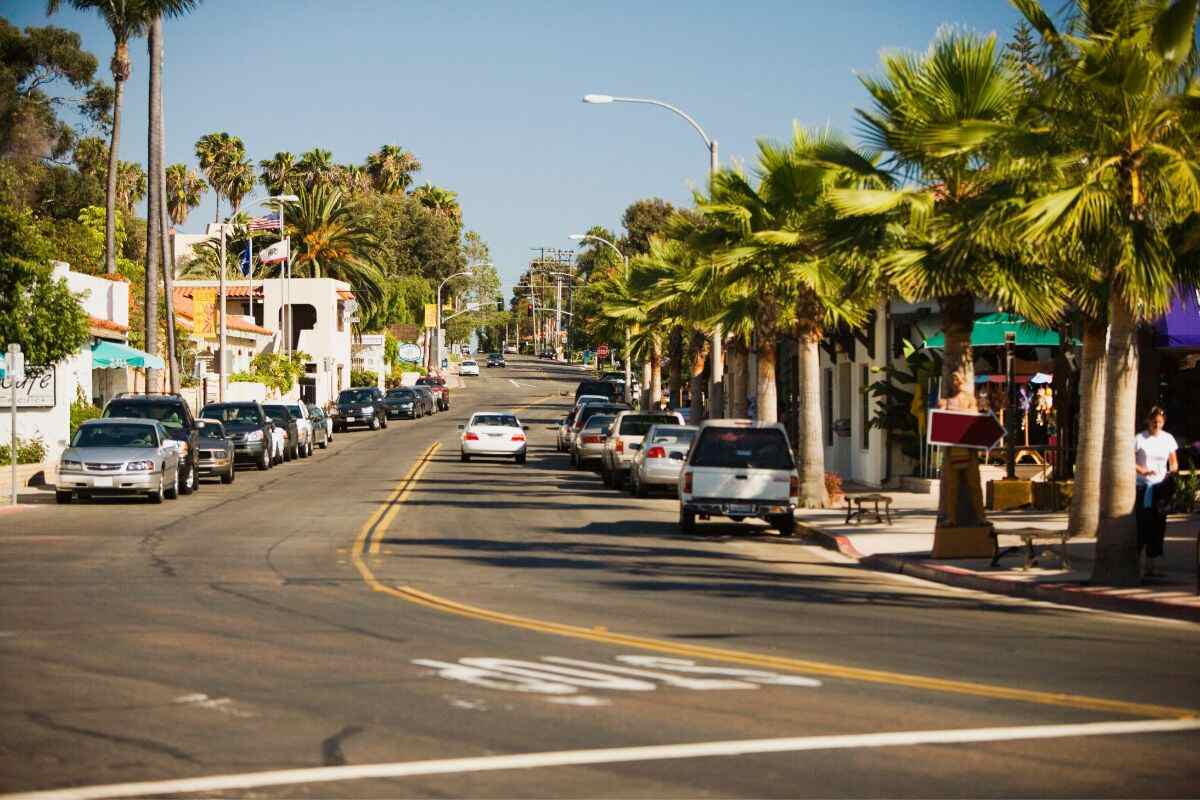
Beyond the automotive hubs, National City’s commercial corridors are evolving. National City Boulevard and Highland Avenue serve as central arteries, showcasing a diverse array of businesses, from local eateries and shops to community services. This urban core provides a glimpse into the daily life of residents and offers opportunities for authentic local commerce. The transformation of these areas reflects the city’s ongoing efforts to enhance its urban appeal and provide a dynamic environment for both residents and visitors.
National City’s Waterfront and Recreational Opportunities
The city’s proximity to the bay offers significant recreational potential. While much of the bayfront is dedicated to industrial and naval operations, there are pockets that cater to public enjoyment. Projects aimed at revitalizing and opening up more of the waterfront to the public are ongoing, promising future enhancements to the visitor experience. These developments are crucial for showcasing the natural beauty of the bay and providing new avenues for leisure and exploration.
Cultural Enclaves and Community Hubs
National City is characterized by its rich cultural diversity, a mosaic formed by its long-standing communities and vibrant immigrant populations. This diversity is reflected in its local businesses, community events, and, most notably, its culinary landscape. Exploring neighborhoods like the area around Plaza Bonita offers a taste of this multicultural blend, with various ethnic restaurants and markets contributing to the city’s unique identity. The strong sense of community is palpable, making it a welcoming place for those seeking an authentic local experience.
Experiencing National City’s Culinary Delights
The culinary scene in National City is a true highlight, offering an exciting and diverse gastronomic adventure that reflects the city’s multicultural heritage. From authentic Mexican fare to burgeoning global cuisines, there are flavors to satisfy every palate.
A Taste of Mexico: Traditional and Modern
Given its significant Hispanic population, it’s no surprise that National City excels in Mexican cuisine. From casual taquerias serving up mouthwatering tacos and burritos to more established restaurants offering traditional regional dishes, the options are plentiful. Exploring these establishments provides an opportunity to savor authentic flavors and experience the warmth of Mexican hospitality. Dishes like carne asada, pozole, and various types of tamales are staples that showcase the depth and richness of Mexican culinary traditions.
Global Flavors and Emerging Trends
Beyond Mexican food, National City is also a melting pot of other global cuisines. Visitors can find delicious Filipino, Vietnamese, Salvadoran, and other international options, often in family-run establishments that provide a genuine taste of home. The city is also witnessing a rise in contemporary dining options, with new cafes and restaurants opening that cater to evolving tastes and a desire for innovative culinary experiences. This dynamic food scene makes National City a destination for food enthusiasts looking to explore beyond the typical tourist dining spots.
Accommodation and Practical Travel Tips for National City
When planning a visit to National City, understanding the accommodation options and practical tips can enhance the overall travel experience. While National City itself might not have the vast array of large hotel chains found in more tourist-centric areas, it offers a range of choices that cater to different budgets and preferences, often with the added benefit of being more affordable and providing a more local feel.
Accommodation Options: Hotels and Beyond
National City offers a selection of hotels, many of which provide convenient access to major attractions in both National City and neighboring San Diego. These options range from budget-friendly motels to mid-range hotels, often chosen by travelers seeking value and a good base for exploring the region. For those looking for longer stays or a more home-like atmosphere, there are also apartment rentals and vacation homes available, offering flexibility and a chance to immerse oneself in the local community. Staying in National City can be a strategic choice for accessing attractions like the USS Midway Museum, Balboa Park, and Coronado Island without incurring the higher accommodation costs often associated with hotels directly in the heart of San Diego.
Getting Around and Local Transportation
Navigating National City and the surrounding San Diego area is relatively straightforward. Public transportation is available through the Metropolitan Transit System (MTS), which operates bus routes and the San Diego Trolley. The Blue Line trolley has a stop in National City, connecting it efficiently to downtown San Diego and other key areas. For those who prefer the freedom of their own vehicle, rental cars are readily available, and major freeways provide easy access to other parts of Southern California. Rideshare services like Uber and Lyft are also prevalent, offering convenient door-to-door transportation.

Planning Your Visit: Best Times and Local Etiquette
The best time to visit National City generally aligns with the pleasant Southern California climate, which means spring (March to May) and fall (September to November) often offer the most comfortable weather, with fewer crowds and mild temperatures. Summer can be warm, and winter is generally mild but can bring occasional rain. When visiting local establishments, particularly those serving ethnic cuisines, embracing a friendly and open attitude is appreciated. Engaging with local businesses and participating in community events offers a deeper connection to the city’s vibrant culture. National City, with its accessible location, diverse offerings, and evolving appeal, stands as a noteworthy destination for those seeking a genuine and enriching Southern California experience.
LifeOutOfTheBox is a participant in the Amazon Services LLC Associates Program, an affiliate advertising program designed to provide a means for sites to earn advertising fees by advertising and linking to Amazon.com. Amazon, the Amazon logo, AmazonSupply, and the AmazonSupply logo are trademarks of Amazon.com, Inc. or its affiliates. As an Amazon Associate we earn affiliate commissions from qualifying purchases.