
A Geographic Comparison of Two Vast Territories
The question of whether Texas is larger than Greenland is a fascinating one, often sparking debate and curiosity. While both are immense territories, their actual dimensions tell a surprising story about scale and perception. This exploration delves into the geographic realities of these two distinct landmasses, examining their areas, geological features, and the implications of their sizes for travel, exploration, and human habitation. Understanding these differences offers a unique perspective on the vastness of our planet and the diverse landscapes it holds.
Understanding Geographic Measurement
Before directly comparing Texas and Greenland, it’s crucial to establish a common understanding of how geographic areas are measured. We typically use square kilometers (km²) or square miles (mi²) for such comparisons. These measurements encompass the total land area, often including inland waters like lakes and rivers. It’s important to note that the reported figures can sometimes vary slightly depending on the source and the precise methodology used for calculation.
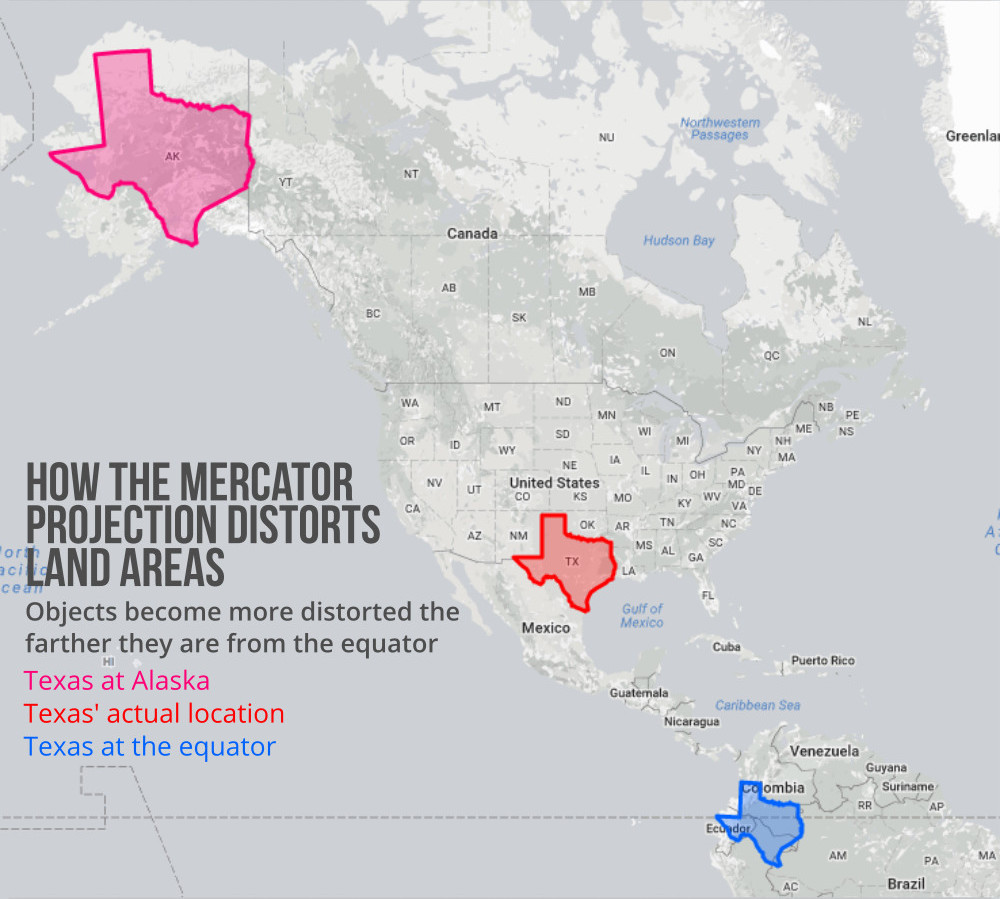
However, for the purpose of a general comparison, widely accepted figures provide a clear picture. When we look at the land area of Texas, we are considering the contiguous United States’ second-largest state. Its impressive size is often underestimated by those who haven’t experienced its breadth firsthand. Greenland, on the other hand, is the world’s largest island, a title that immediately conjures images of vast, icy wilderness. Its sheer scale is a defining characteristic, influencing everything from its climate to its accessibility.
The Dimensions: Texas vs. Greenland
Let’s get down to the numbers. The state of Texas boasts an area of approximately 695,662 square kilometers (268,596 square miles). This considerable size encompasses a diverse range of landscapes, from the piney woods of East Texas to the arid deserts of West Texas, the rolling plains of the Panhandle, and the Gulf Coast. The sheer north-south and east-west distances within Texas are substantial, meaning a road trip from El Paso to Beaumont, for instance, is a journey of hundreds of miles.
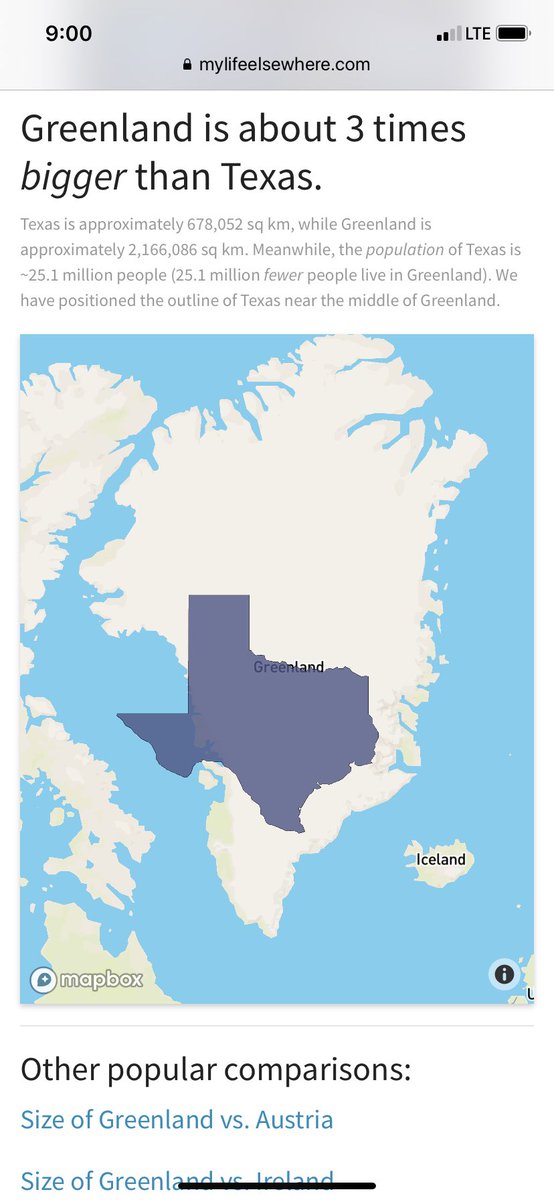
Greenland, conversely, covers an area of approximately 2,166,086 square kilometers (836,330 square miles). This figure places it significantly larger than Texas. To put this into perspective, Greenland is more than three times the size of Texas. It is also larger than Saudi Arabia and is the second-largest country in North America by area, after Canada. The vast majority of Greenland’s landmass is covered by an ice sheet, which accounts for its unique and challenging environment.
Therefore, to directly answer the question: No, Texas is not bigger than Greenland. Greenland is substantially larger.
Implications of Size for Exploration and Experience
The dramatic difference in size between Texas and Greenland has profound implications for how one might experience or explore these territories.
Exploring Texas
Texas offers a vast array of travel experiences, catering to diverse interests. Its size allows for a remarkable variety of climates and ecosystems, from the subtropical Gulf Coast to the more temperate north.

- Diverse Landscapes: Visitors can explore the vibrant city life of Dallas and Houston, delve into the rich history of San Antonio with its iconic Alamo, or discover the rugged beauty of Big Bend National Park. The sheer scale means that traveling between these regions can take significant time, akin to traveling between countries in Europe.
- Road Trips: Texas is a prime destination for road trips. The long stretches of highway allow travelers to witness the changing scenery, stopping in charming small towns or exploring unique roadside attractions. The concept of “driving across Texas” is a serious undertaking, often requiring multiple days.
- Cultural Tapestry: The state’s size also contributes to its rich cultural tapestry, blending Southern, Western, and Mexican influences. This diversity is evident in its food, music, and traditions, making each region a distinct destination in itself.
Exploring Greenland
Greenland, given its immense size and its predominantly icy terrain, offers a very different kind of exploration experience.
- The Ice Sheet: The dominant feature of Greenland is its massive ice sheet, which covers about 80% of the island. This makes much of the land inaccessible by conventional means. Exploration here often involves specialized expeditions, ice-breaking vessels, or aircraft.
- Coastal Living: Human settlements in Greenland are primarily concentrated along the ice-free coastlines. Towns like Nuuk, the capital, and Ilulissat, known for its stunning ice fjord, are gateways to experiencing the island. Travel between these coastal communities is often by boat or small aircraft, as road networks are limited.
- Arctic Wonders: The allure of Greenland lies in its raw, Arctic beauty. Visitors come for the chance to witness the Northern Lights, explore majestic icebergs, encounter wildlife such as whales and seals, and experience the unique culture of the Inuit people. It is a destination for the adventurous traveler seeking a profound connection with nature and a glimpse into life in extreme latitudes.
Climate and Environmental Factors
The vast difference in size is also a significant factor in the climate and environmental conditions of Texas and Greenland.
Texas’s Climate Zones
Texas experiences a range of climates due to its size and geographic position.
- Humid Subtropical: The eastern and southern parts of the state, including the Gulf Coast, are characterized by a humid subtropical climate with hot summers and mild winters. This region is prone to thunderstorms and hurricanes.
- Arid and Semi-Arid: Western Texas transitions into arid and semi-arid conditions, with hot, dry summers and cooler winters. This area is known for its desert landscapes and vast ranches.
- Continental: The Panhandle region has a more continental climate, with hotter summers and colder winters, including occasional blizzards.
This climatic diversity supports a wide array of flora and fauna across the state.
Greenland’s Arctic Climate
Greenland, by contrast, is dominated by an Arctic climate.
- Polar and Tundra: The interior and much of the north experience a polar climate, with extremely cold temperatures year-round and permanent ice cover. Coastal areas have a tundra climate, with short, cool summers and long, harsh winters.
- Ice Sheet Influence: The massive ice sheet plays a crucial role in regulating Greenland’s climate, acting as a vast cold reservoir that influences weather patterns. The meltwater from the ice sheet also contributes to global sea levels.
- Seasonal Variation: While the temperatures are always cold, there are distinct seasonal variations. The summer months offer a brief period of relative warmth, allowing for increased daylight and some thawing of the surface ice.
Conclusion: A Matter of Scale
In conclusion, while Texas is an undeniably large and geographically diverse state, it pales in comparison to the colossal expanse of Greenland. The question of size is not merely an academic exercise; it shapes the very nature of these places. Texas offers a rich tapestry of domestic travel experiences within a familiar continental context, while Greenland presents an unparalleled Arctic adventure, a true frontier where the power of nature is on full display. Both are magnificent in their own right, but their scale places them in distinctly different categories of geographic wonder.
LifeOutOfTheBox is a participant in the Amazon Services LLC Associates Program, an affiliate advertising program designed to provide a means for sites to earn advertising fees by advertising and linking to Amazon.com. Amazon, the Amazon logo, AmazonSupply, and the AmazonSupply logo are trademarks of Amazon.com, Inc. or its affiliates. As an Amazon Associate we earn affiliate commissions from qualifying purchases.