
Planning a journey from the continental United States, specifically from the vibrant automotive hub of Detroit, Michigan, to the paradisiacal shores of Hawaii is an exciting prospect. The sheer distance involved means a significant time commitment in the air, a factor that greatly influences how one prepares for this transpacific adventure. Understanding the duration of the flight is paramount for booking the right connections, packing strategically, and setting realistic expectations for arrival and the initial adjustment to island time.
Factors Influencing Flight Duration
The flight time from Detroit, Michigan to Hawaii is not a fixed number. Several variables come into play, each capable of subtly or significantly altering the total travel time. These include the specific island in Hawaii you are flying into, the presence and length of layovers, the airline you choose, and prevailing weather conditions, including wind patterns which can play a crucial role in transpacific aviation.
Direct vs. Connecting Flights
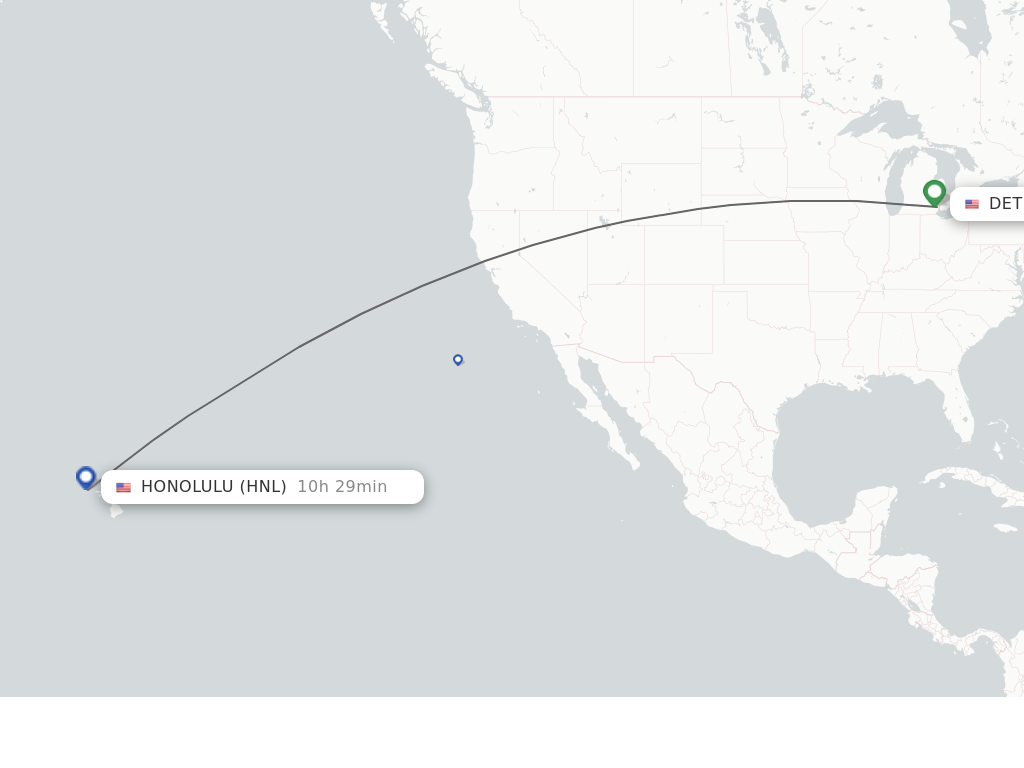
The most significant factor affecting flight duration is whether you opt for a direct flight or one with layovers. Direct flights, while often more expensive and less frequent, offer the most streamlined journey. They bypass the need to disembark and re-board an aircraft, significantly reducing overall travel time. For a destination as distant as Hawaii from Detroit, Michigan, a direct flight is a premium choice for those prioritizing efficiency.
Connecting flights, on the other hand, are more common and can sometimes be more budget-friendly. These journeys involve stopping at an intermediate airport before continuing to Hawaii. The length of these layovers can vary dramatically, from a quick 45-minute turnaround to several hours, or even an overnight stay. A typical connecting flight itinerary might include a stop in a major West Coast hub such as Los Angeles, California, San Francisco, California, or Seattle, Washington, before the final leg to the islands. The cumulative time spent on the ground during layovers, coupled with the flight segments, can easily add several hours to the total travel duration.
Destination Island in Hawaii
Hawaii is an archipelago, and the specific island you choose to land on will influence the flight path and potentially the duration. The major international airports in Hawaii are Daniel K. Inouye International Airport (HNL) on Oahu, Kahului Airport (OGG) on Maui, Kona International Airport (KOA) on the Big Island, and Lihue Airport (LIH) on Kauai. Flights often target Oahu as the primary gateway due to its central location and extensive flight services. From Oahu, inter-island flights are readily available, but these add to the overall travel time and complexity if your final destination is not Oahu itself.
For example, a flight from Detroit, Michigan to Honolulu, Oahu might have a slightly different flight plan than one heading directly to Maui or the Big Island, though the initial transpacific leg will be similar. The difference in flight time between islands once in Hawaii is minimal, but the journey to reach the specific island from the mainland can vary.
Airline and Aircraft Type
Different airlines may have slightly different routing preferences and flight speeds, although the vast majority of long-haul flights operate at similar cruising altitudes and speeds. The type of aircraft used can also play a minor role. Modern, wide-body jets like the Boeing 777 or Airbus A350 are designed for long-distance travel and can cover vast distances efficiently. While the aircraft type itself is unlikely to cause a significant deviation in flight times, it contributes to the overall comfort and capability of the long journey.
Weather and Wind Patterns
The prevailing winds across the Pacific Ocean are a crucial consideration for aviators. Flying eastbound generally benefits from tailwinds, potentially shortening flight times. Conversely, flying westbound, as is the case when traveling from Detroit, Michigan to Hawaii, often means contending with headwinds. These headwinds can increase the flight duration, sometimes by as much as an hour or more, depending on their intensity. Air traffic control and weather patterns can also necessitate slight deviations from the most direct routes, further impacting flight time.
Typical Flight Durations
Given the multitude of factors, providing a single, definitive flight time is challenging. However, we can establish a range based on common flight patterns and typical layover durations.
Direct Flights (Rare)
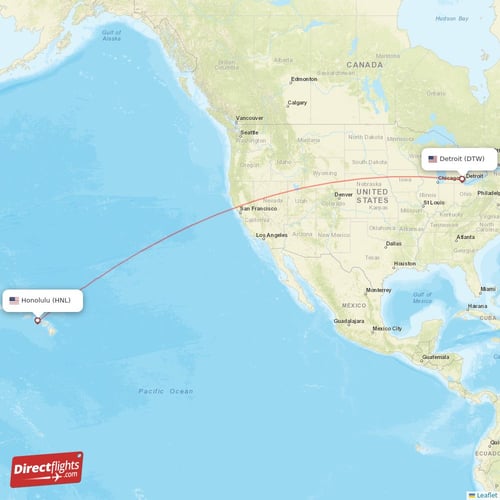
Direct flights from the continental United States to Hawaii are less common from inland cities like Detroit, Michigan compared to West Coast gateways. If a direct flight were available, it would likely be an overnight journey. The actual time spent in the air, without layovers, would typically fall in the range of 8 to 9 hours. This is a highly desirable option for travelers seeking to minimize travel fatigue and maximize their time upon arrival in Hawaii. However, booking a direct flight from Detroit, Michigan is often difficult and may require very specific airline schedules or a connection to a major hub for a direct flight.
Flights with One Stop
The vast majority of travelers from Detroit, Michigan to Hawaii will opt for flights with at least one layover. The total travel time for these journeys can range significantly depending on the layover duration.
-
Short Layovers (1-2 hours): If you have a quick connection in a city like Denver, Colorado, Salt Lake City, Utah, or a West Coast city, the total travel time, including the flight segments and the short layover, can be in the range of 10 to 12 hours. This is a relatively efficient way to reach Hawaii with a single stop.
-
Moderate Layovers (2-4 hours): Many itineraries feature layovers of this length, allowing for a more relaxed transition between flights. The total duration for such trips can extend to 12 to 15 hours. This is a common and often cost-effective option.
-
Long Layovers (4+ hours): Some flight combinations might involve extended layovers, especially if traveling during off-peak times or seeking specific pricing. These can push the total travel time to 15 hours or more, occasionally even approaching a full day of travel, especially if the layover is overnight.
Flights with Multiple Stops
While less common for this specific route, itineraries with two or more stops are also possible, particularly for those seeking the absolute lowest fares or traveling on smaller airlines. Such journeys can extend the total travel time considerably, potentially to 16 hours or beyond, and are generally recommended only for the most budget-conscious or time-flexible travelers.
Planning Your Travel
Understanding the potential flight durations is the first step in planning your trip from Detroit, Michigan to Hawaii. Here are some tips to make your journey as smooth as possible:
Choosing Your Itinerary
- Compare Flight Options: Utilize flight comparison websites and airline booking platforms to explore various routes, layover cities, and durations. Pay close attention to the total travel time listed, not just the flight segments.
- Consider Layover Location: If you have a choice, a layover in a major West Coast city like Los Angeles, California or San Francisco, California is often more efficient for reaching Hawaii than a layover further inland.
- Overnight Layovers: For very long journeys, an overnight layover can break up the travel and allow for some rest, though it will increase the total duration. Ensure your layover allows enough time to retrieve luggage if necessary and check into a hotel near the airport.

Preparing for the Long Haul
- Comfort is Key: Pack comfortable clothing, including layers, as cabin temperatures can fluctuate. Bring a neck pillow, eye mask, and earplugs to aid sleep.
- Entertainment: Download movies, music, podcasts, and books to keep yourself occupied. Many airlines offer in-flight entertainment systems, but having your own backup is wise.
- Hydration and Snacks: Airplane air is notoriously dry. Drink plenty of water and bring healthy snacks, as airline food can be limited or not to your taste.
- Jet Lag Mitigation: The time difference between Detroit, Michigan and Hawaii is substantial (typically 5-6 hours, depending on daylight saving time). Try to adjust your sleep schedule gradually before your departure and stay hydrated upon arrival. Expose yourself to natural light upon landing to help reset your body clock.
- Carry-on Essentials: Pack all essential medications, important documents, a change of clothes, and valuables in your carry-on bag. This is crucial in case of lost checked luggage.
By carefully considering the flight durations and applying these planning strategies, your journey from the heartland of Michigan to the tropical paradise of Hawaii can be an enjoyable and well-managed prelude to your island vacation.
LifeOutOfTheBox is a participant in the Amazon Services LLC Associates Program, an affiliate advertising program designed to provide a means for sites to earn advertising fees by advertising and linking to Amazon.com. Amazon, the Amazon logo, AmazonSupply, and the AmazonSupply logo are trademarks of Amazon.com, Inc. or its affiliates. As an Amazon Associate we earn affiliate commissions from qualifying purchases.