
The vastness of Texas is a source of constant fascination for travelers, residents, and even long-time Texans themselves. This sprawling state, the second-largest in the United States, defies easy categorization, particularly when it comes to its geographical and cultural alignment. The question of whether Texas leans more central or eastern is not merely an academic exercise in geography; it profoundly influences the visitor experience, from the types of attractions one encounters to the distinct local flavors and the very rhythm of life. Understanding this nuance is key to unlocking the multifaceted appeal of the Lone Star State.
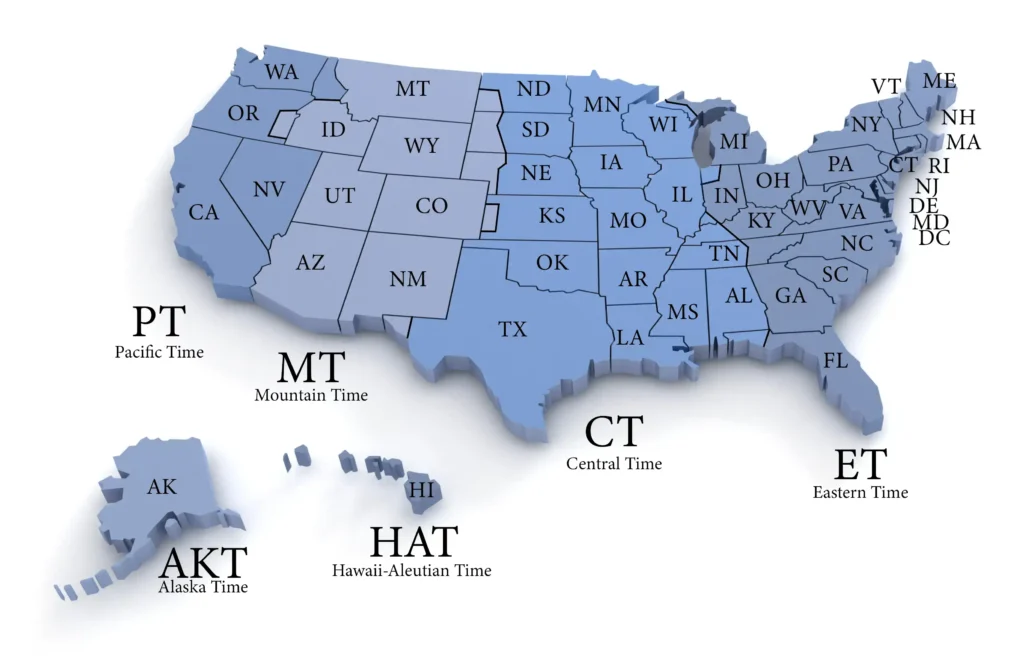
While official geographical definitions place Texas squarely in the South Central region of the United States, the lived experience of visiting and exploring Texas often evokes sensations associated with both the American South and the more traditionally understood “central” parts of the country. This duality is what makes a journey through Texas so rich and unpredictable, offering a unique blend of Southern charm and Texan swagger, coupled with the straightforwardness often associated with the heartland.
Defining “Central” and “Eastern” in the Texan Context
When discussing geographical regions, “central” typically evokes images of the Great Plains, rolling farmlands, and a sense of being at the crossroads of the nation. Think of states like Kansas, Nebraska, or Oklahoma. These areas are often characterized by a more moderate climate, agricultural economies, and a culture that values hard work and community.
Conversely, “eastern” often brings to mind the historic charm of the original colonies, lush forests, a more humid climate, and a pace of life that can feel more relaxed, steeped in tradition. States like Louisiana, Arkansas, or even the deeper South like Mississippi and Alabama come to mind. Here, influences from French, Spanish, and African cultures are palpable, manifesting in distinctive cuisines, music, and architectural styles.
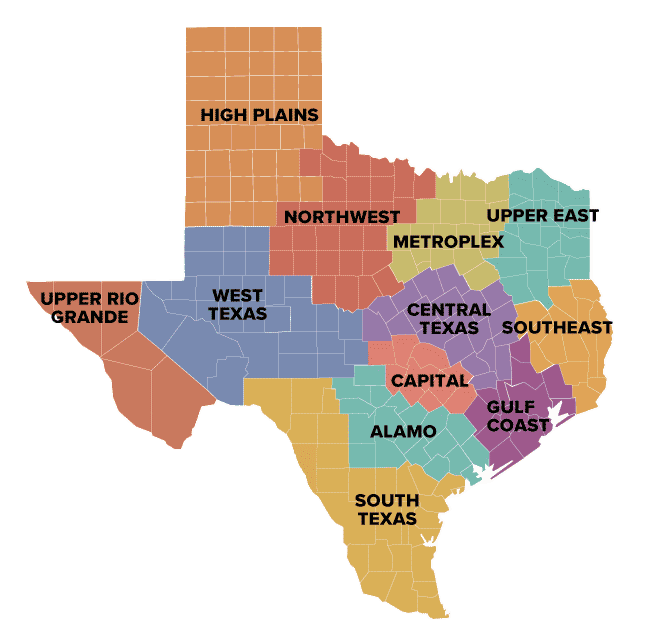
Texas itself presents a complex tapestry woven from these various threads. Its sheer size means that different parts of the state embody different regional characteristics. The eastern parts of Texas, particularly the piney woods region, share a significant amount of cultural and environmental DNA with neighboring states like Louisiana and Arkansas. The western expanses, however, move decidedly into a more arid, frontier-like territory, drawing comparisons to the American West. The central corridor, encompassing major cities like Austin, San Antonio, and Dallas-Fort Worth, acts as a dynamic nexus, blending these influences with its own burgeoning identity as a hub of innovation and cosmopolitanism.
The Eastern Influence: Piney Woods and Southern Hospitality
Traveling into East Texas is akin to stepping into a different world from the moment you cross the state line. The landscape transforms from the scrub brush and wide-open plains of West Texas into a verdant expanse of towering pine trees, rolling hills, and lush forests. This region, often referred to as the Piney Woods, shares a striking resemblance to the natural beauty and climate of the Deep South.
Cultural Echoes of the South
The cultural influences in East Texas are undeniable. The cuisine features the hallmarks of Southern cooking: slow-cooked meats, generous helpings of vegetables, and a strong presence of barbecue, often prepared with a distinct Eastern Texas flair. You’ll find sweet tea readily available, and the pace of life in many of the smaller towns can feel more leisurely, imbued with a genuine warmth and hospitality that is characteristic of the Southern states.
Cities like Jefferson, with its antebellum architecture and historic riverboat tours, transport visitors back in time, evoking a sense of the Old South. The Caddo Lake State Park, a mystical landscape of cypress trees draped in Spanish moss, offers a truly Southern gothic atmosphere. These areas are rich in history, with narratives that often intertwine with the broader historical context of the American South, including its complex legacy.
Landscapes that Whisper of the East
The geography itself reinforces the Eastern connection. The high humidity, the dense forests, and the presence of waterways like the Sabine River are all features more commonly associated with the eastern half of the United States than its central plains. For travelers seeking an experience that echoes the classic Southern aesthetic, East Texas delivers in abundance.
The Central Core: Crossroads of Culture and Commerce
The central corridor of Texas is where the state’s identity becomes most dynamic and arguably, most representative of its “central” positioning. This region, encompassing the major metropolitan areas, serves as a melting pot where diverse influences converge, creating a unique Texan brand of modernity.
Major Metropolises as Cultural Hubs
The “big four” cities – Houston, Dallas, San Antonio, and Austin – are the engines of Texas’s central identity. Each city boasts its own distinct character, yet together they represent a forward-thinking, diverse, and rapidly evolving cultural landscape.

Houston, the state’s largest city, is a global hub for energy and aerospace, with a famously diverse population that influences its culinary scene, often cited as one of the most diverse in the nation. Its museums, like the Museum of Fine Arts Houston, and the Space Center Houston, speak to an international outlook.
Dallas, often seen as the financial and commercial heart of the state, blends a strong sense of Texan pride with a sophisticated urban environment. Its arts district is world-class, and its shopping and dining scenes rival any major city.
San Antonio offers a profound historical and cultural experience, with its Spanish colonial heritage evident in the iconic Alamo and the San Antonio Missions National Historical Park. The city’s Riverwalk is a vibrant hub of activity, showcasing a unique blend of Texan and Mexican influences.
Austin, the state capital, has carved out a niche as the “Live Music Capital of the World.” It’s also a hub for technology and innovation, attracting a young, vibrant population that infuses the city with a progressive and energetic spirit, often described as a bit of an “island” of liberal thought within the state.
The “Central Texas” Experience
The “Central Texas” experience is less about a specific geographical placement and more about a cultural convergence. It’s a place where the rugged individualism of the West meets the hospitality of the South, all filtered through a lens of modern American ambition. The food scene here is a prime example, showcasing everything from authentic Tex-Mex and traditional barbecue to cutting-edge farm-to-table restaurants. The music scene is similarly eclectic, ranging from country and blues to indie rock and electronic.
This central region is a crossroads in more ways than one. It’s geographically positioned to be a nexus for transportation and commerce, and culturally, it acts as a dynamic point where different regional identities intersect and evolve. For a traveler, the central corridor offers a concentrated dose of Texas’s multifaceted appeal, providing a glimpse into both its rich history and its ambitious future.
Navigating the Texas Divide: Travel Recommendations
Understanding whether you’re experiencing the “Eastern” or “Central” aspects of Texas can significantly enhance your travel plans and expectations. The distinction isn’t just academic; it shapes the very essence of the experiences you’ll encounter.
For the Southern Charm Seeker
If your ideal Texas adventure involves historical towns, lush natural beauty, and a taste of Southern hospitality, then venturing into East Texas is your best bet.
- Destinations: Consider charming towns like Jefferson for its historic inns and antebellum homes, or Nacogdoches, the oldest town in Texas. Explore the natural wonders of Caddo Lake State Park or the Big Thicket National Preserve for hiking and wildlife viewing.
- Experiences: Enjoy leisurely strolls through historic districts, take a scenic drive through the piney woods, and indulge in classic Southern cuisine. Look for local festivals that often celebrate heritage and traditional crafts.
- Accommodation: Seek out historic bed and breakfasts or quaint motels that reflect the region’s charm.
For the Urban Explorer and Modern Enthusiast
If you’re drawn to the energy of large cities, diverse culinary scenes, and a contemporary cultural landscape, the central corridor is your playground.
- Destinations: Base yourself in Austin for live music and a quirky vibe, Dallas for upscale shopping and a sophisticated art scene, Houston for its world-class museums and global cuisine, or San Antonio for its rich history and vibrant cultural fusion.
- Experiences: Explore renowned museums, catch live performances, sample an incredible array of international cuisines, and experience the bustling nightlife. Attend a sporting event, whether it’s NFL football or NBA basketball.
- Accommodation: A wide range of options exist, from luxury hotels in downtown districts to stylish boutique hotels and serviced apartments, catering to every preference and budget.
Bridging the Gap: The Best of Both Worlds
For the traveler who wants to experience the full spectrum of Texas, a road trip that connects these regions is highly recommended. Start in East Texas, soaking in its laid-back atmosphere and natural beauty, then journey westward towards the dynamic energy of the central cities. This allows for a comprehensive appreciation of how the “Eastern” and “Central” influences coalesce to create the unique identity of the Lone Star State.
Ultimately, the question of whether Texas is central or eastern is best answered by recognizing that it is, in fact, both – and so much more. Its geographical expanse allows for a remarkable diversity of landscapes, cultures, and experiences, making it a destination that continues to surprise and delight every visitor.
LifeOutOfTheBox is a participant in the Amazon Services LLC Associates Program, an affiliate advertising program designed to provide a means for sites to earn advertising fees by advertising and linking to Amazon.com. Amazon, the Amazon logo, AmazonSupply, and the AmazonSupply logo are trademarks of Amazon.com, Inc. or its affiliates. As an Amazon Associate we earn affiliate commissions from qualifying purchases.