
Unearthing the Treasures of the Roughrider State
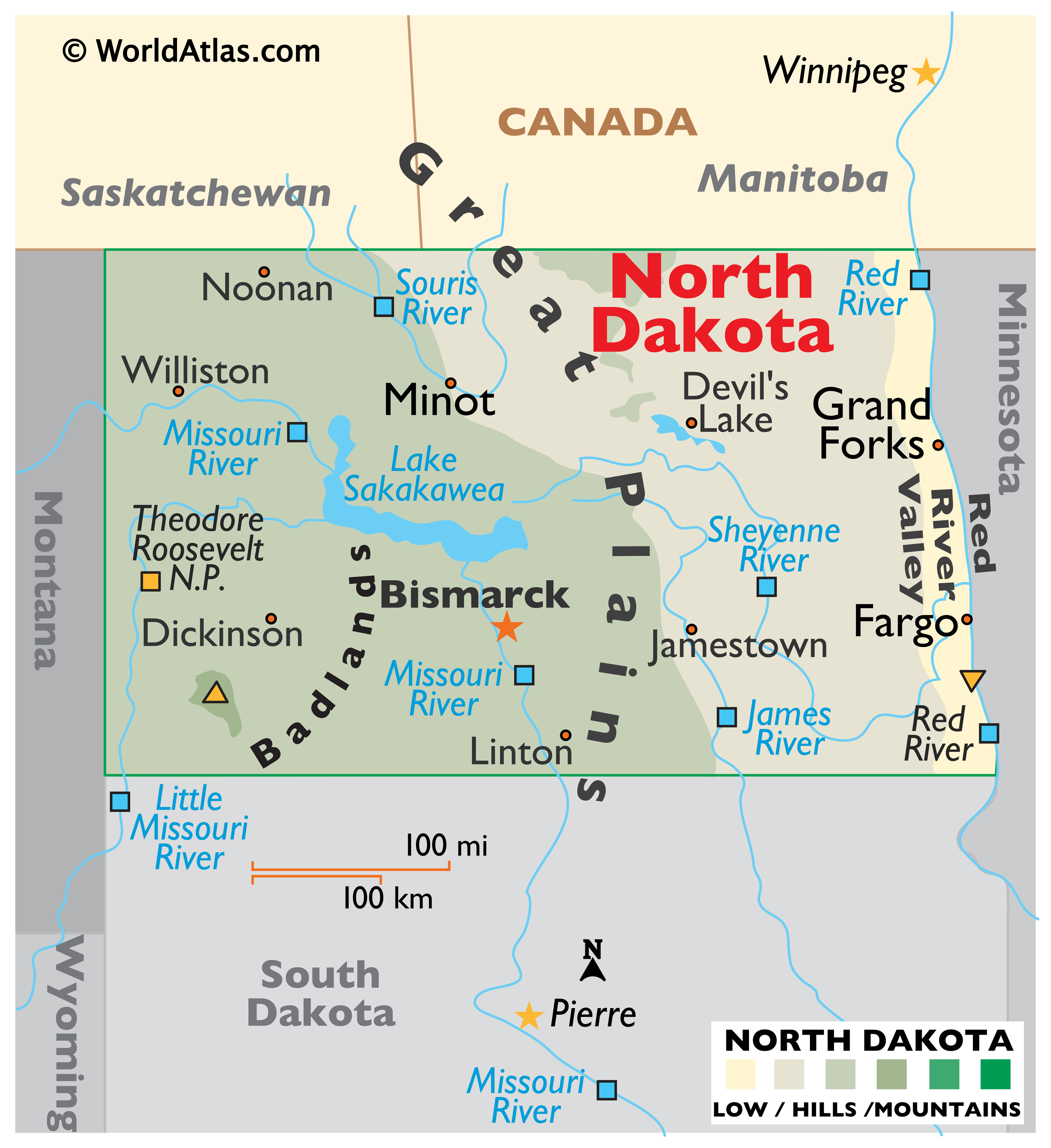
North Dakota, often overlooked on the vast canvas of American travel, is a state brimming with a unique brand of rugged beauty, rich history, and surprisingly vibrant culture. Far from the bustling metropolises, this northern prairie state offers a sanctuary for those seeking genuine experiences, breathtaking natural landscapes, and a deep connection to the American West. From the imposing Theodore Roosevelt National Park to the burgeoning arts scene in its cities, North Dakota beckons the curious traveler to explore its understated yet profound attractions.
The state’s allure lies in its open spaces and its commitment to preserving its heritage. It’s a destination that rewards those who venture off the beaten path, revealing a captivating tapestry woven from the threads of pioneer spirit, Native American traditions, and the enduring power of nature. Whether you’re drawn to the dramatic badlands, the tranquility of its lakes, or the warmth of its communities, North Dakota promises an unforgettable journey.

Natural Wonders and Wide-Open Spaces
The undeniable crown jewel of North Dakota is Theodore Roosevelt National Park. This sprawling wilderness area, named after the 26th U.S. President who found solace and inspiration here, is a testament to the raw, untamed beauty of the American West. The park is divided into three units: the South Unit near Medora, the North Unit along the Little Missouri River, and the Elkhorn Ranch Unit, Roosevelt’s actual ranch site.
The Badlands Majesty
The colorful, eroded landscape of the badlands is the park’s most striking feature. Formed over millions of years by wind and water erosion, these dramatic formations create a surreal, almost otherworldly terrain. Visitors can drive along scenic routes, such as the Petrified Forest Loop and the Caprock Coulee Trail in the South Unit, offering panoramic vistas of painted canyons, buttes, and mesas.
Wildlife thrives in this protected environment. Bison, the iconic symbol of the American prairie, roam freely, often seen grazing in herds. Elk, wild horses, prairie dogs, and a diverse array of bird species also call the park home. Hiking trails cater to all levels, from short, accessible walks to challenging backcountry treks, allowing for intimate encounters with this unique ecosystem. Birdwatching is a popular activity, with opportunities to spot golden eagles, western tanagers, and prairie falcons.
Lake Sakakawea and the Missouri River System
Beyond the badlands, North Dakota boasts a significant network of man-made lakes and the mighty Missouri River. Lake Sakakawea, one of the largest reservoirs in the United States, offers extensive recreational opportunities. Boating, fishing, swimming, and camping are popular pastimes, with numerous state parks dotting its shoreline, such as Fort Stevenson State Park and Lewis and Clark State Park. The lake is renowned for its walleye and northern pike fishing.
The Missouri River itself, alongside its tributaries, provides a vital artery for both recreation and historical exploration. Cruising along its waters or visiting its historic sites offers a glimpse into the state’s past as a gateway to the West. The Lewis and Clark National Historic Trail has several significant points of interest within North Dakota, including the Knife River Indian Villages National Historic Site.
A Legacy of History and Culture
North Dakota’s history is deeply intertwined with the American frontier, Native American heritage, and significant agricultural development. This legacy is palpable in its museums, historic sites, and the stories shared by its residents.
Native American Heritage
The state is home to several Native American reservations, including the Spirit Lake Indian Reservation, the Standing Rock Indian Reservation, and the Fort Berthold Indian Reservation. These communities are rich in tradition, and visitors can learn about their enduring culture through educational centers, powwows (when available), and art exhibits. The Knife River Indian Villages National Historic Site near Stanton offers a fascinating look at the Hidatsa and Mandan cultures that once thrived along the river.
Frontier Spirit and Pioneer Life
The story of westward expansion and pioneer settlement is vividly preserved throughout North Dakota. The charming town of Medora serves as a living history museum, transporting visitors back to the era of the Old West. Home to the Maltese Cross Cabin, where Theodore Roosevelt lived as a rancher, Medora offers a unique glimpse into the life of a future president. The town’s historic district, complete with wooden boardwalks and saloons, hosts the famous Medora Musical, a lively outdoor variety show that celebrates the spirit of the West.
Further exploration can be found at sites like the Fort Abraham Lincoln State Park near Mandan, which preserves the reconstructed buildings of a vital U.S. Army frontier post. The park includes the meticulously reconstructed On-A-Slant Village, a Mandan earthlodge village, offering a dual perspective on the region’s history.

Agricultural Roots
Agriculture has always been the backbone of North Dakota, and its significance is reflected in various exhibits and festivals. The annual North Dakota State Fair in Minot showcases the state’s agricultural prowess with livestock shows, competitions, and family-friendly entertainment. Understanding the state’s agricultural heritage provides valuable insight into the resilience and hard work of its people.
Urban Enclaves and Artistic Flourishing
While vast open spaces define much of North Dakota, its cities offer vibrant cultural hubs and unexpected artistic expressions.
Bismarck: The State Capital
Bismarck, the state capital, is a hub of government and culture. The North Dakota Heritage Center & State Museum offers an immersive journey through the state’s history, from its geological formation to its present-day life. Visitors can explore exhibits on Native American history, pioneer settlement, and the state’s agricultural and industrial development. The Missouri River waterfront provides recreational opportunities and scenic views.
Fargo-Moorhead: A Creative Nexus
The twin cities of Fargo and Moorhead (across the Red River in Minnesota) form the largest metropolitan area in North Dakota and have emerged as a surprising center for arts, technology, and culinary innovation. The Plains Art Museum in Fargo features an impressive collection of regional art, American art, and African art. The city’s downtown area is known for its revitalized atmosphere, housing independent boutiques, craft breweries, and a thriving live music scene.
The Hjemkomst Center in Moorhead is home to a full-scale replica of the Viking ship Hjemkomst and the Hopperstad Viking Ship, offering a unique connection to Scandinavian heritage. The vibrant downtown districts of both cities encourage exploration on foot, revealing public art installations, historic architecture, and a dynamic cultural calendar.
Grand Forks: A University Town
Grand Forks, located in northeastern North Dakota, is a lively university town with a strong sense of community. The University of North Dakota campus itself is an attraction, and the city offers cultural events, theaters, and a growing culinary scene. The North Dakota Museum of Art showcases contemporary art with a focus on artists from the region and beyond.
Experiencing North Dakota: Tips for Travelers
To truly appreciate the offerings of North Dakota, embracing its unique character is key.
Best Time to Visit
Summer (June to August) offers the most pleasant weather for outdoor activities, with warm days and long daylight hours. This is ideal for exploring the national parks, enjoying lake activities, and attending outdoor events like the Medora Musical. Spring and fall can be beautiful with fewer crowds, but weather can be more unpredictable. Winter offers a stark, quiet beauty and opportunities for snowshoeing and cross-country skiing in certain areas, though many attractions may have reduced hours or be closed.
Getting Around
A car is essential for exploring North Dakota. The state is large, and attractions are spread out. Major highways connect the larger cities, and scenic drives through rural areas offer stunning views of the prairie landscape.
Local Flavors and Hospitality
North Dakota is known for its friendly, down-to-earth hospitality. Don’t hesitate to strike up conversations with locals; they are often the best source of insider tips and personal recommendations. The cuisine reflects its agricultural roots, with hearty, comforting dishes. Look for local diners and restaurants serving regional specialties like Knoephla soup, kuchen (a sweet German pastry), and fresh walleye.
North Dakota may not boast the immediate name recognition of some other states, but its quiet charm, breathtaking natural beauty, and rich cultural tapestry make it a destination that rewards every visitor with genuine experiences and lasting memories. It’s a place where the vastness of the sky meets the resilience of the land, offering a profound connection to the spirit of the American West.
LifeOutOfTheBox is a participant in the Amazon Services LLC Associates Program, an affiliate advertising program designed to provide a means for sites to earn advertising fees by advertising and linking to Amazon.com. Amazon, the Amazon logo, AmazonSupply, and the AmazonSupply logo are trademarks of Amazon.com, Inc. or its affiliates. As an Amazon Associate we earn affiliate commissions from qualifying purchases.