
The temporal landscape of any vast geographical area can often lead to confusion, especially when one is planning travel or coordinating events across different regions. In the case of Texas, this question regarding its standard time zone is a common point of inquiry for both residents and visitors. The answer, it turns out, is not as straightforward as a simple yes or no, but rather involves understanding the historical and practical reasons behind its timekeeping.
Understanding Time Zones in North America
Before delving into the specifics of Texas, it’s essential to grasp the broader framework of time zones in North America. Time zones are a global system designed to standardize time by dividing the Earth into 24 longitudinal regions, each approximately 15 degrees wide. Within each zone, a standard time is kept. The primary reference point is Coordinated Universal Time (UTC), which is based on International Atomic Time.
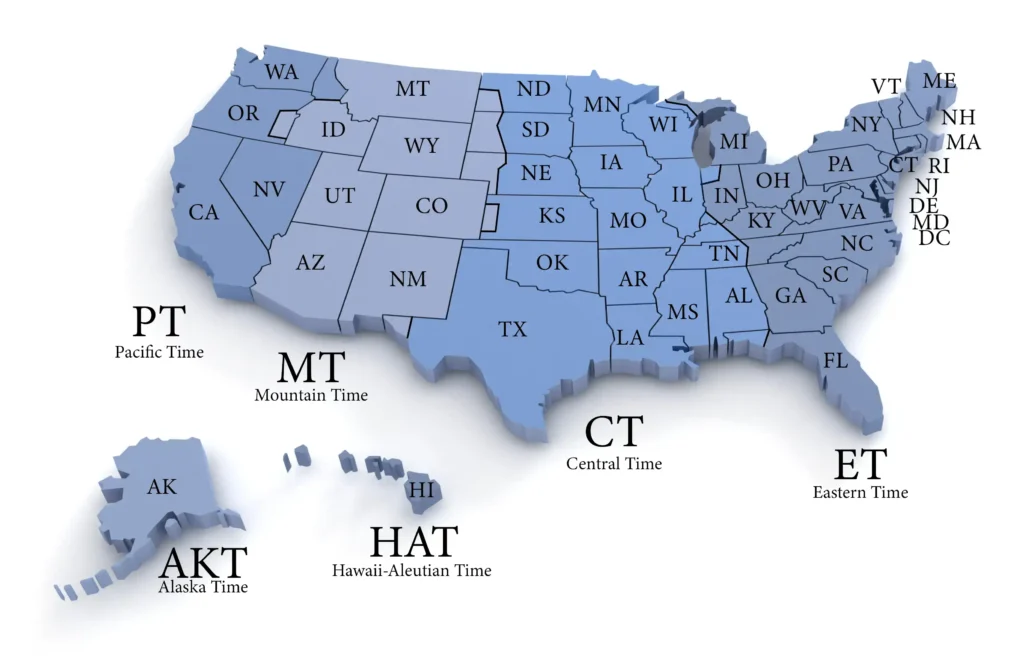
In the United States, these time zones are named based on their geographical location relative to UTC. From east to west, they are:
- Eastern Standard Time (EST): UTC-5
- Central Standard Time (CST): UTC-6
- Mountain Standard Time (MST): UTC-7
- Pacific Standard Time (PST): UTC-8
It is important to note the “Standard Time” designation. Many parts of the United States, including those in the Eastern and Central time zones, observe Daylight Saving Time (DST). During DST, clocks are advanced by one hour. When DST is in effect, the time zones are referred to with a “Daylight” suffix:
- Eastern Daylight Time (EDT): UTC-4
- Central Daylight Time (CDT): UTC-5
This shift creates a temporary one-hour difference between standard and daylight times, adding another layer of complexity to understanding time across regions.
Texas and Its Time Zone Designation
The vast majority of Texas observes Central Standard Time (CST). This means that the state generally operates on UTC-6. This designation places Texas alongside states like Illinois, Oklahoma, and much of Louisiana in the Central Time Zone.
However, the story doesn’t end there. Texas does participate in Daylight Saving Time. Therefore, for a significant portion of the year, the state observes Central Daylight Time (CDT), which is UTC-5. The transition between CST and CDT typically occurs on the second Sunday in March and ends on the first Sunday in November, aligning with the rest of the United States that observe DST.
So, to answer the question directly: Texas is primarily in the Central Time Zone, observing both CST and CDT.
The Peculiar Case of El Paso
While the rule of thumb is that all of Texas is in CST, there is a notable exception that often causes confusion. The westernmost city in Texas, El Paso, along with the rest of Hudspeth County, observes Mountain Time.
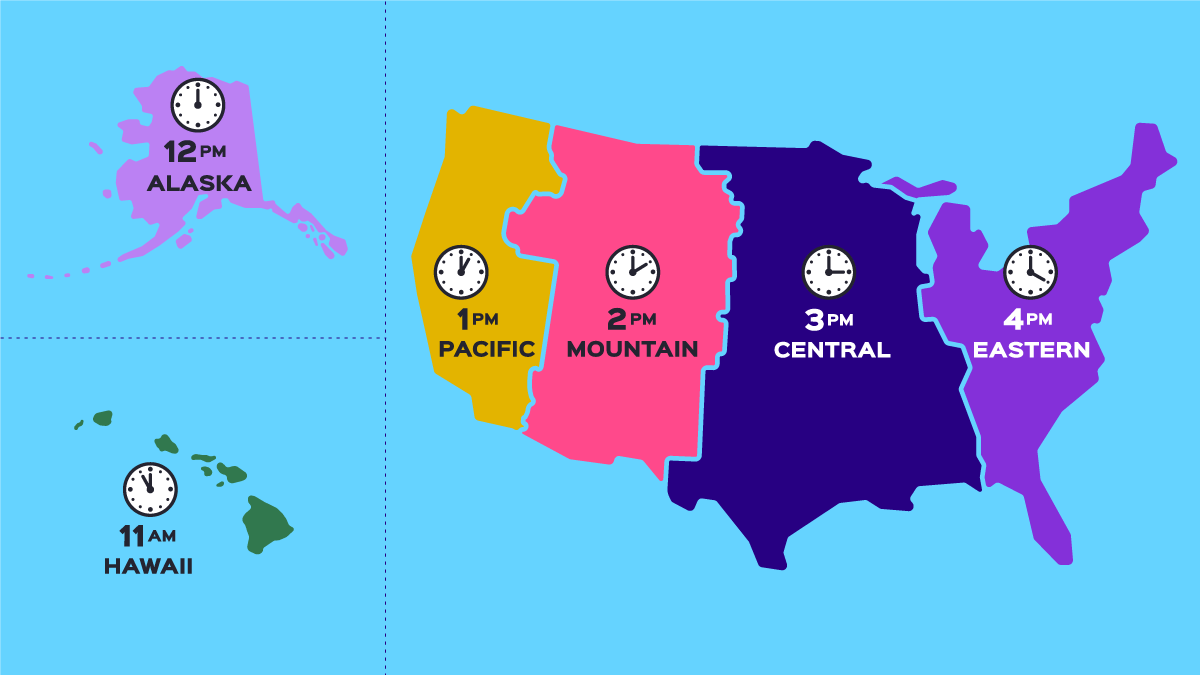
This means that El Paso and its surrounding areas are on Mountain Standard Time (MST), which is UTC-7, and Mountain Daylight Time (MDT), which is UTC-6, during DST. This puts El Paso on the same time as cities like Denver and Phoenix (though Arizona famously does not observe DST, except for the Navajo Nation).
The reason for this anomaly stems from historical transportation and communication networks. When time zones were established, geographical proximity and logistical convenience often dictated the boundaries, leading to some areas adopting the time zone of neighboring regions even if they fell within a different state’s broader designation. For El Paso, being on the border with New Mexico and close to Mexico, aligning with the Mountain Time Zone offered practical advantages.
Practical Implications for Travelers and Businesses
Understanding the time zone situation in Texas is crucial for various reasons.
Planning Travel Itineraries
For travelers, knowing whether they are heading to Dallas, Houston, or San Antonio, they will be operating on Central Time. However, if their destination includes El Paso, they need to be aware of the one-hour difference. This is particularly important for flight bookings, hotel check-ins, and planning activities. Missing a flight or an appointment due to a miscalculation of time zones can be a significant inconvenience.
For example, if you have a meeting scheduled for 2:00 PM in Dallas and you are currently in El Paso, you would need to ensure you are ready by 1:00 PM Mountain Time, as 2:00 PM Central Time would be 3:00 PM in El Paso.
Business and Communication
Businesses operating across Texas or with partners in the state must account for this time difference. Scheduling conference calls, setting deadlines, and coordinating operations require careful attention. A company headquartered in Austin might have employees or clients in El Paso, necessitating clear communication about working hours and meeting times.
The transition to and from Daylight Saving Time can also be a point of confusion. Ensuring that all systems and schedules are updated accurately on the designated changeover dates is vital to avoid disruptions. This is especially relevant for companies with automated scheduling systems or those that rely on precise timing for operations.
Understanding Local Culture and Daily Rhythms
While not as direct an impact as scheduling, understanding the time zone can also offer a subtle insight into the local rhythms of different parts of Texas. For instance, the earlier sunsets and sunrises in western Texas due to Mountain Time might subtly influence the timing of local events or daily routines compared to the more populous eastern and central parts of the state. This is a minor point, but for those seeking to immerse themselves in the local culture, even these temporal nuances can add to the experience.

Navigating Time Zones: Tips for Clarity
To avoid any confusion when dealing with Texas time, consider these practical tips:
- Always specify the time zone: When making plans or communicating times, be explicit. Instead of saying “meet at 3 PM,” say “meet at 3 PM Central Time” or “meet at 3 PM Mountain Time.”
- Check your device’s time settings: Most smartphones and computers automatically adjust to the local time zone. However, it’s always good to verify, especially when traveling. If your device is set to automatically update, it should reflect the correct time based on your location.
- Consult reliable sources: If you are unsure about the time zone of a specific location in Texas, use online time zone converters or check official government websites that often provide detailed time zone maps.
- Be mindful of Daylight Saving Time: Remember that the time difference between CST and MST is one hour, and this difference persists throughout the year because both regions observe DST. The actual clock difference remains constant, but the designation shifts between standard and daylight times.
In conclusion, while the vast majority of Texas operates under Central Standard Time (CST) and its daylight counterpart, Central Daylight Time (CDT), the western city of El Paso and Hudspeth County adhere to Mountain Time. This unique temporal division within the Lone Star State underscores the importance of paying attention to detail when planning any activities or communication involving this diverse and expansive region.
LifeOutOfTheBox is a participant in the Amazon Services LLC Associates Program, an affiliate advertising program designed to provide a means for sites to earn advertising fees by advertising and linking to Amazon.com. Amazon, the Amazon logo, AmazonSupply, and the AmazonSupply logo are trademarks of Amazon.com, Inc. or its affiliates. As an Amazon Associate we earn affiliate commissions from qualifying purchases.