
The Lone Star State, known for its vast landscapes, rich history, and independent spirit, is buzzing with a question that could significantly alter the experience of its residents and visitors alike: Is Texas doing away with vehicle inspections? This discussion, which has been gaining traction, delves into the potential implications for drivers, the automotive industry, and even the broader tourism sector that relies on smooth travel across its extensive network of highways and byways.
The Shifting Landscape of Texas Vehicle Inspections
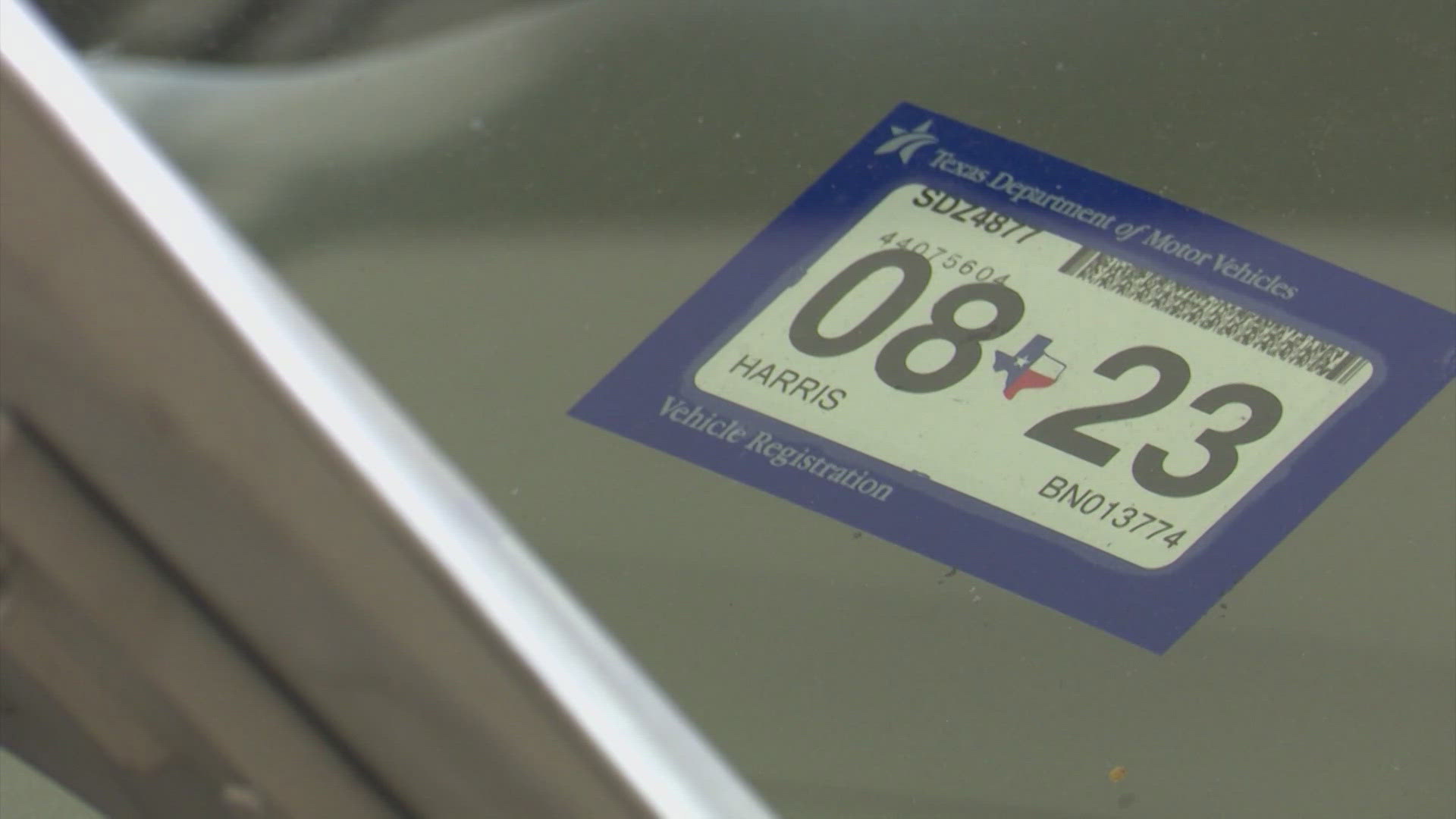
For decades, a mandatory annual vehicle inspection has been a staple of driving in Texas. This process, designed to ensure vehicles meet safety and emissions standards, has been a routine part of car ownership. However, recent legislative discussions and public sentiment have begun to question the necessity and effectiveness of this long-standing requirement. The debate is multifaceted, touching upon economic impacts, personal freedoms, and the actual benefits to road safety and environmental quality.

Historical Context and Rationale
The introduction of mandatory vehicle inspections in Texas was largely driven by a desire to improve road safety and reduce air pollution. In the early days, many vehicles on the road were older and less reliable, leading to a higher incidence of accidents due to mechanical failures. Similarly, as industrialization grew, so did concerns about air quality, particularly in major metropolitan areas like Houston and Dallas. The inspection program was seen as a crucial tool to address these issues, ensuring that vehicles were well-maintained and emitting fewer pollutants. Over time, vehicle manufacturing has become far more sophisticated, with modern cars incorporating advanced safety features and stricter emission controls from the factory. This technological evolution has led some to argue that the annual inspection, in its current form, may no longer be the most efficient or necessary mechanism for achieving its original goals.
The “Freedom of the Road” Argument
A significant driver behind the push to eliminate vehicle inspections is the sentiment that it represents an infringement on personal liberty and an unnecessary financial burden. Proponents of this view often cite that responsible car owners already maintain their vehicles diligently. They argue that the state should not mandate an additional expense and hassle for something that individuals are already motivated to do for their own safety and the longevity of their vehicles. This perspective aligns with a broader libertarian ethos that often surfaces in Texas politics, emphasizing individual autonomy and limited government intervention. The cost of the inspection sticker, though relatively modest, adds up for millions of Texans, and the time taken to visit an inspection station can be inconvenient, especially for those with demanding work schedules or limited access to transportation for their daily commute.
Economic Considerations for Drivers and Businesses
Eliminating the mandatory inspection could have tangible economic effects. For drivers, the immediate benefit would be the savings on inspection fees and potential repair costs required solely to pass the inspection. This could be particularly impactful for lower-income families or those operating older, less affluent vehicles. On the other hand, the automotive service industry, which includes a vast network of inspection stations, dealerships, and independent mechanics, relies significantly on the annual inspection. Many businesses have invested in the necessary equipment and training to perform these inspections. A complete elimination would undoubtedly lead to a loss of revenue and potentially job displacement within this sector. While some argue that mechanics would still be needed for repairs, the guaranteed customer base provided by inspections would vanish, requiring businesses to adapt their service offerings.
Potential Repercussions of Eliminating Inspections
The discussion around abolishing vehicle inspections in Texas extends beyond mere convenience and cost. It touches upon critical aspects of public safety, environmental quality, and the broader infrastructure that supports travel and tourism throughout the state.
Impact on Road Safety
The primary purpose of vehicle inspections has always been to enhance road safety. By identifying critical issues such as worn brakes, faulty tires, malfunctioning lights, and steering problems, inspections aim to prevent accidents caused by mechanical failures. If inspections are eliminated, there’s a concern that a greater number of vehicles with undetected mechanical defects could end up on Texas roads. This could lead to an increase in preventable accidents, posing a risk to drivers, passengers, and other road users. While modern vehicles are generally more reliable, they are not immune to wear and tear, and some failures can be sudden and catastrophic. Critics of the repeal argue that relying solely on driver self-assessment is insufficient to guarantee the safety of the entire road network.
Environmental Concerns
The emissions portion of the vehicle inspection has historically played a role in improving air quality, particularly in urban centers that have struggled with smog and other pollution-related issues. If vehicles are no longer regularly checked for emissions compliance, there’s a potential for an increase in harmful pollutants released into the atmosphere. This could have adverse effects on public health, leading to higher rates of respiratory illnesses, and could also impact the state’s efforts to meet federal air quality standards. For tourist destinations, particularly those that highlight natural beauty, like the Texas Hill Country or national parks, degraded air quality can detract from the visitor experience and impact the environment they are trying to preserve.
Implications for Tourism and Travel
Texas is a vast state, and its tourism industry thrives on the ability of visitors to travel easily and safely across its diverse regions. A perceived or actual decline in road safety due to the absence of inspections could have a chilling effect on tourism. Visitors planning trips to popular destinations like San Antonio to see the Alamo, or to explore the cultural hubs of Austin or Fort Worth, might reconsider if they believe the roads are less safe. Furthermore, the convenience of travel is paramount for tourists. If the lack of inspections leads to more breakdowns or traffic disruptions, it can negatively impact the overall travel experience. While the direct link might seem tenuous, a state’s commitment to safety and infrastructure can indirectly influence its appeal as a travel destination. Many travelers, even those visiting for leisure, value the assurance that the infrastructure and regulations in place are designed to facilitate a smooth and secure journey, much like the reliability of their chosen hotel or the accessibility of attractions.
The Path Forward: Potential Alternatives and Compromises
The debate surrounding vehicle inspections in Texas is not necessarily a binary choice between maintaining the status quo and complete elimination. Various alternatives and compromises are being discussed that could address concerns while potentially mitigating negative consequences.
Enhanced Enforcement and Public Awareness Campaigns
One approach is to shift the focus from mandatory inspections to more robust enforcement of existing traffic and vehicle maintenance laws. This could involve increased roadside checks for obvious safety violations or enhanced penalties for drivers caught operating unsafe vehicles. Simultaneously, comprehensive public awareness campaigns could educate drivers on the importance of regular vehicle maintenance, highlighting the benefits to safety, fuel efficiency, and vehicle longevity. Such campaigns could be integrated into driver education programs and widely disseminated through state transportation agencies and automotive associations.
Targeted Inspections or Different Inspection Models
Another possibility is a move towards a more targeted inspection system. This could involve focusing inspections on older vehicles that are statistically more prone to mechanical issues or on commercial vehicles that operate under more demanding conditions. Alternatively, Texas could explore different inspection models adopted by other states. For example, some states have transitioned to emissions-only inspections, while others have eliminated them altogether but rely on federal mandates for certain vehicle types or have implemented other safety assurance programs. Examining the successes and challenges of these different approaches could provide valuable insights for Texas as it navigates this complex issue.
The Role of Technology
Advancements in automotive technology could also play a role. Modern vehicles are equipped with sophisticated onboard diagnostic systems (OBD-II) that can detect many engine and emissions-related problems. In the future, it might be possible to leverage this technology to perform remote or self-diagnostic inspections, reducing the need for physical visits to inspection stations. While this is a more long-term prospect, it represents a potential avenue for modernizing the inspection process to be more efficient and less burdensome for drivers.

Conclusion: A State at a Crossroads
The question of whether Texas is doing away with vehicle inspections is a complex one, with significant implications for its residents, its economy, and its standing as a travel destination. The ongoing discussions reflect a tension between individual liberty, economic realities, and the collective need for safe and healthy public spaces. As the legislative and public discourse continues, the decisions made will undoubtedly shape the future of driving in the Lone Star State and influence the travel experiences of millions who explore its vast and varied landscapes. Whether the state opts for a complete overhaul, a modified system, or maintains its current approach, the outcome will be keenly watched by many.
LifeOutOfTheBox is a participant in the Amazon Services LLC Associates Program, an affiliate advertising program designed to provide a means for sites to earn advertising fees by advertising and linking to Amazon.com. Amazon, the Amazon logo, AmazonSupply, and the AmazonSupply logo are trademarks of Amazon.com, Inc. or its affiliates. As an Amazon Associate we earn affiliate commissions from qualifying purchases.