
The question of state income tax is a fundamental aspect of financial planning for residents and a significant consideration for those contemplating a move or investment in any state. For travelers planning extended stays, business professionals considering relocation, or retirees seeking a favorable financial environment, understanding the tax landscape is paramount. This exploration delves into the fiscal policies of Texas, specifically addressing the presence or absence of a state income tax, its implications for various stakeholders, and the broader economic philosophy that underpins this fiscal choice. The absence of a state income tax is a cornerstone of Texas’s economic strategy, often cited as a key driver of its robust growth and appeal to individuals and corporations alike.
The Absence of State Income Tax in Texas
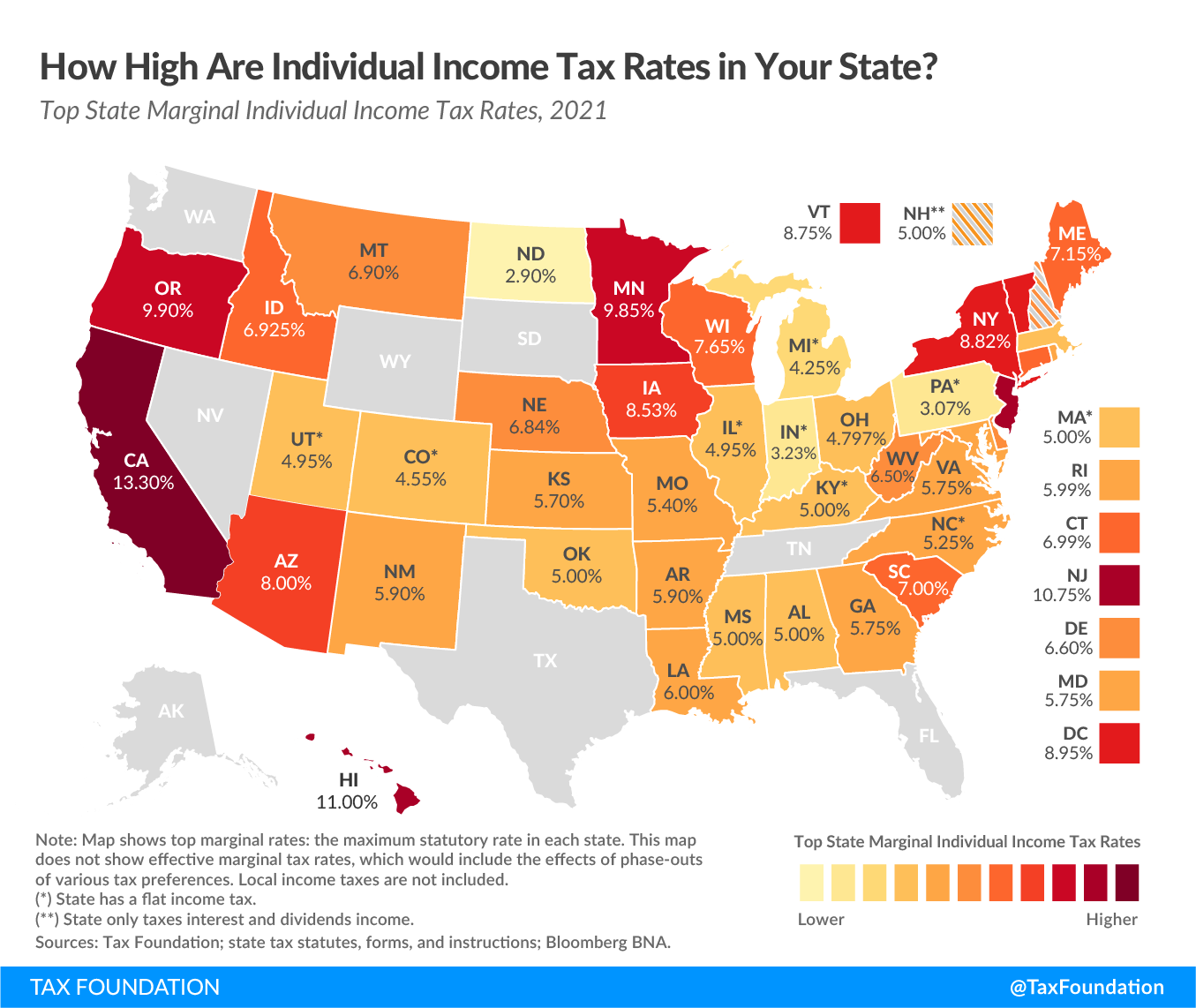
One of the most distinctive features of Texas’s tax system is its lack of a broad-based state income tax. Unlike many other states in the United States, Texans do not have a portion of their earned wages or investment income withheld and remitted to the state government as income tax. This policy has been in place for decades and is a significant point of differentiation that attracts many to the Lone Star State.
Historical Context and Rationale
The decision to forgo a state income tax is not an accident but a deliberate policy choice rooted in Texas’s economic development strategy. Historically, the state has relied heavily on other forms of revenue, such as sales taxes, property taxes, and business taxes, to fund its public services. The rationale behind this approach often centers on fostering a business-friendly environment, encouraging investment, and promoting job creation. Proponents argue that by leaving more disposable income in the hands of individuals and more capital within businesses, the state stimulates economic activity more effectively than through direct income taxation. This philosophy aligns with a broader belief in lower government intervention and a free-market approach to economic growth.
Impact on Residents
For residents, the absence of a state income tax means a higher take-home pay from wages and greater retention of investment earnings. This can translate into increased purchasing power, greater capacity for saving and investment, and a generally lower cost of living, especially when combined with other favorable tax policies. Retirees, in particular, often find Texas attractive as their retirement income, whether from pensions, social security, or investment withdrawals, is not subject to state income tax. This financial advantage can significantly enhance the quality of life and financial security for those in their later years.
Impact on Businesses
Businesses also benefit considerably from Texas’s tax structure. The absence of corporate income tax simplifies tax compliance and leaves more capital available for reinvestment, expansion, and employee compensation. This has been a major factor in Texas becoming a hub for corporate relocations and startup growth. Cities like Austin, Dallas, and Houston have seen significant influxes of businesses, many citing the favorable tax climate as a primary reason. While Texas does not have a corporate income tax, it does have the franchise tax, often referred to as the Margin Tax, which is a tax on the privilege of doing business in Texas. The structure and rate of this tax can vary based on a company’s revenue and profit margin.
Alternative Revenue Streams for Texas
If Texas does not levy a state income tax, it must generate revenue from other sources to fund its state government operations, infrastructure projects, and public services. The state employs a diverse mix of taxes and fees to meet these financial obligations.
Sales Tax
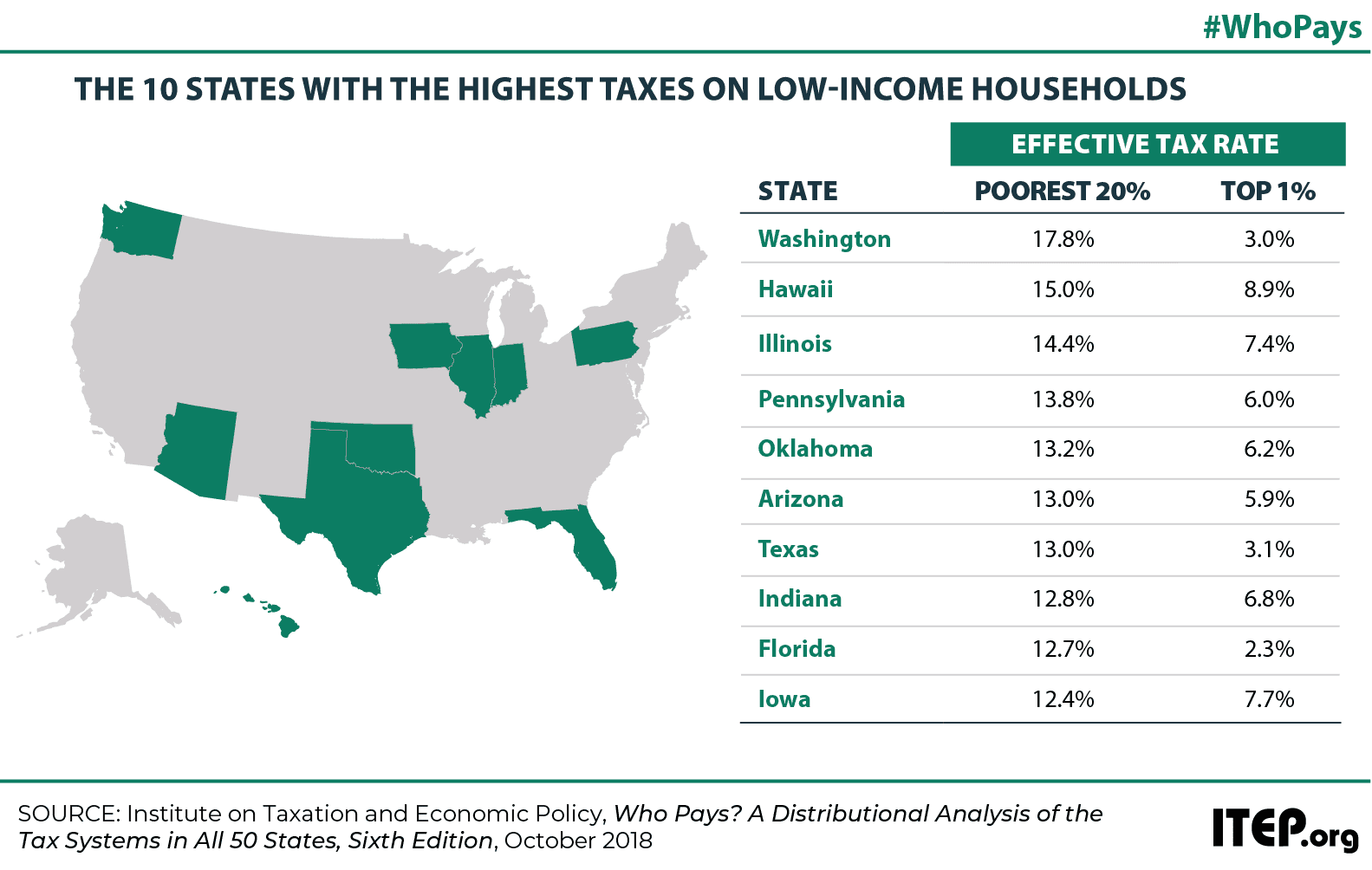
The most significant source of state revenue in Texas is the sales tax. This tax is levied on the sale of tangible personal property and certain services. The state sales tax rate is 6.25%, with local governments authorized to add up to 2% more, bringing the maximum combined rate to 8.25% in many areas. While this provides a substantial revenue stream, it can be considered regressive, disproportionately affecting lower-income individuals who spend a larger percentage of their income on taxable goods and services.
Property Tax
Property taxes are a crucial source of funding for local governments in Texas, including school districts, counties, and municipalities. While the state government does not directly levy property taxes on individuals, it sets the framework and regulations for these local taxes. Property taxes are based on the assessed value of real estate and personal property. Texas is known for having relatively high property taxes compared to some other states, which can offset some of the savings from the lack of state income tax for homeowners. This reliance on property taxes can also impact the cost of doing business for companies with significant real estate holdings.
Other Taxes and Fees

Beyond sales and property taxes, Texas collects revenue from various other sources. These include:
- Motor Vehicle Sales Tax: A tax levied on the purchase of vehicles.
- Motor Fuel Taxes: Taxes on gasoline and other fuels, which help fund transportation infrastructure.
- Cigarette and Tobacco Taxes: Taxes on tobacco products.
- Alcoholic Beverage Taxes: Taxes on the sale of alcoholic beverages.
- Hotel Occupancy Tax: A tax levied on the cost of lodging, often used to fund tourism promotion and local amenities. For travelers, this is a direct cost to consider when budgeting for a stay in cities like San Antonio or Galveston.
- Franchise Tax: As mentioned earlier, this tax applies to business entities and is based on their taxable margin.
- Severance Taxes: Taxes on the extraction of natural resources, such as oil and natural gas, which are particularly significant for Texas’s economy.
Considerations for Travelers and Long-Term Visitors
For individuals planning a visit to Texas, whether for leisure or a temporary work assignment, the absence of state income tax has minimal direct impact on their short-term stay. However, understanding the tax structure is still beneficial for budgeting and making informed decisions.
Impact on Cost of Goods and Services
The reliance on sales tax means that the cost of goods and services, including dining, shopping, and entertainment, can be higher than in states with a state income tax but lower sales tax. Travelers should factor in the combined state and local sales tax rates when estimating expenses for their trip. For instance, a meal in Houston will include this tax, unlike a portion of one’s salary in other states.
Accommodation Taxes
When booking accommodations, such as hotels in Dallas or vacation rentals, travelers will encounter the Hotel Occupancy Tax. This tax is applied to the nightly rate and contributes to the state and local governments. While not an income tax, it is a direct tax on the act of staying in Texas.
Business and Investment Decisions
For those considering extended stays, starting a business, or investing in Texas, the lack of state income tax is a compelling factor. It can significantly reduce the overall financial burden and increase the potential for profitability and personal wealth accumulation. This is particularly relevant for entrepreneurs looking to establish ventures in a dynamic economic environment.
Comparing Texas to Other States
The decision of whether or not to implement a state income tax is a common point of divergence among U.S. states. Many states, such as California, New York, and Illinois, have progressive income tax systems that can significantly impact high earners. Conversely, states like Florida, Washington, and Nevada also lack a state income tax, creating a competitive landscape for attracting residents and businesses.
The Trade-offs
States without income tax often compensate with higher sales taxes or property taxes. This means that the overall tax burden can vary depending on an individual’s or business’s spending habits, property ownership, and income sources. For example, a high-income individual who owns significant property might find their tax liability in Texas to be comparable to or even higher than in a state with an income tax but lower property taxes. Conversely, a lower-income individual who rents and has modest spending might benefit more from Texas’s tax structure.
Economic Growth and Development
The debate over state income tax often involves discussions about its impact on economic growth. Proponents of no income tax argue it stimulates economic activity by leaving more money in the hands of consumers and businesses, leading to job creation and increased investment. Critics might argue that states with income taxes can provide more robust funding for public services such as education, infrastructure, and social programs, which can also contribute to long-term economic health. Texas’s sustained economic growth over the past few decades is often presented as evidence supporting its no-income-tax model, though it’s a complex interplay of many factors.
Conclusion
In conclusion, the answer to whether Texas has a state income tax is a definitive no. This fiscal policy is a significant characteristic of the state’s economic landscape, influencing decisions for residents, businesses, and even long-term visitors. While the absence of income tax offers distinct financial advantages, it is crucial to understand that revenue is generated through other means, primarily sales and property taxes. For travelers and prospective residents, this means a different cost structure to consider, one where everyday purchases and property ownership carry a different tax weight. The Lone Star State’s approach to taxation is a deliberate strategy aimed at fostering economic dynamism, and it continues to be a defining element of its appeal.
LifeOutOfTheBox is a participant in the Amazon Services LLC Associates Program, an affiliate advertising program designed to provide a means for sites to earn advertising fees by advertising and linking to Amazon.com. Amazon, the Amazon logo, AmazonSupply, and the AmazonSupply logo are trademarks of Amazon.com, Inc. or its affiliates. As an Amazon Associate we earn affiliate commissions from qualifying purchases.