
Navigating the unpredictable landscape of school closures, especially in a state as vast and diverse as Texas, requires a keen understanding of local decision-making processes. While the title of this article might initially suggest a focus on educational logistics, for those planning travel, hotel stays, or engaging in tourism within the Lone Star State, understanding potential school closures is paramount. A widespread school closure can significantly impact traffic patterns, availability of family-oriented attractions, and even the general atmosphere of a city. This article aims to provide insights into the factors that influence school closures in Texas and how these events can ripple through the tourism and hospitality sectors.
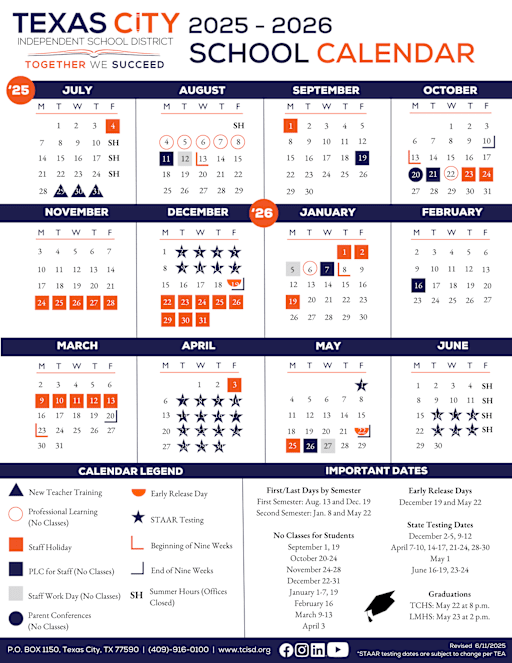
Understanding the Dynamics of School Closures in Texas
The decision to close schools in Texas is rarely a casual one. It’s a complex process driven by a variety of factors, primarily centered around student and staff safety. While the immediate concern might be for parents and students, the broader implications extend to anyone visiting or operating businesses within the affected regions.
Key Factors Influencing Closure Decisions
The most common catalyst for school closures across Texas is inclement weather. Given the state’s diverse climate, this can range from severe thunderstorms and flooding in the eastern and coastal regions to ice storms and blizzards in the Panhandle and North Texas.
- Severe Weather Events: Hurricanes, tropical storms, and associated heavy rainfall can lead to widespread flooding, rendering roads impassable and creating hazardous conditions. Similarly, winter storms, though less frequent in some parts of Texas, can bring significant ice accumulation, disrupting transportation and power grids.
- Public Health Emergencies: As witnessed in recent years, pandemics or widespread outbreaks of contagious illnesses can necessitate school closures to curb transmission. Local health departments play a crucial role in advising school districts on necessary precautions.
- Infrastructure Failures: Major disruptions to essential services, such as widespread power outages due to extreme temperatures or damage to utility infrastructure, can also force school closures. The Texas power grid, particularly during extreme weather, has been a point of concern, sometimes leading to cascading effects on other services.
- Local Emergencies: Unforeseen local emergencies, such as natural gas leaks, major accidents impacting school routes, or security threats, can also trigger temporary school closures.
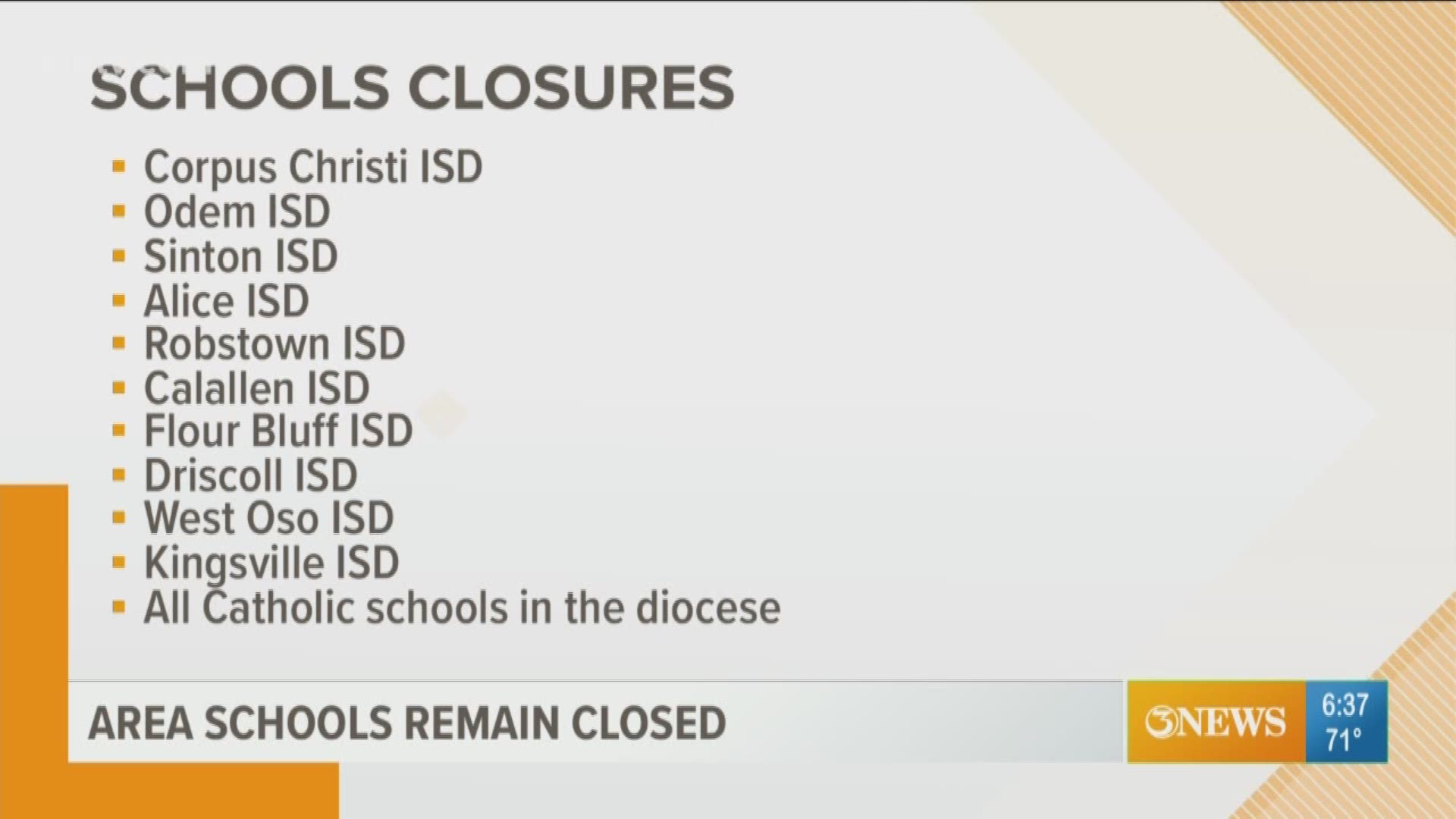
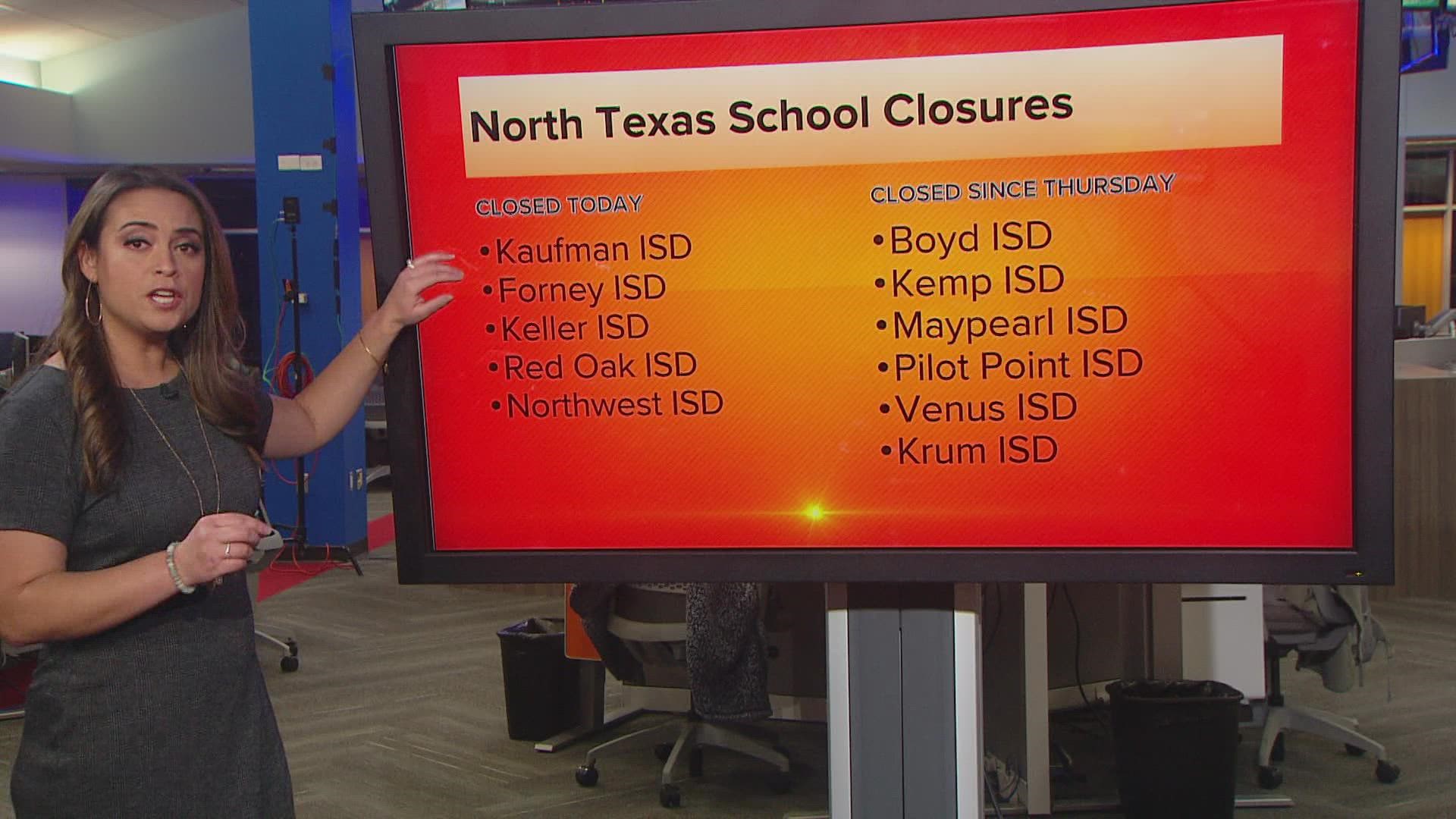
The decision-making authority typically rests with individual Texas school districts, often in consultation with local emergency management agencies, the National Weather Service, and public health officials. This means that closures can vary significantly even within relatively short distances. For instance, Dallas might be experiencing school closures due to ice, while Houston remains unaffected if the storm system doesn’t extend that far south.
Implications for Tourism and Hospitality in Texas
While a school closure might seem like a purely local educational issue, its impact on the tourism and hospitality sectors in Texas can be substantial and far-reaching. Understanding these connections is vital for travelers, hoteliers, and tourism operators alike.
Shifts in Travel Patterns and Demand
When schools close, particularly for extended periods, family travel plans can be significantly altered.
- Last-Minute Cancellations and Rescheduling: Families who had planned trips might be forced to cancel or postpone their vacations, leading to a direct impact on bookings for hotels, resorts, and attractions. Conversely, some families might seize the opportunity for an impromptu getaway, leading to unexpected surges in demand in certain areas.
- Altered Destination Choices: If a primary travel driver for a family was a specific event or attraction that is also affected by the closure (e.g., a museum or theme park), they may opt for a different destination altogether.
- Increased Local Demand: In areas where school closures are widespread, local residents might seek out nearby entertainment options, leading to increased patronage at restaurants, movie theaters, and indoor attractions that remain open. This can create a dual effect: a decrease in longer-distance tourism bookings but a potential uptick in local visitor spending.
Impact on Attractions and Activities
The closure of schools directly affects the availability and operation of many tourism-related activities and attractions, particularly those catering to families.
- Museums and Cultural Institutions: Many museums, science centers, and historical sites are popular destinations for school field trips. When schools are closed, these institutions may see a dip in their typical weekday visitor numbers unless they can pivot to attract independent family visitors.
- Theme Parks and Entertainment Venues: Parks like Six Flags Fiesta Texas in San Antonio or Kemah Boardwalk near Houston often experience reduced visitor numbers if weather conditions are severe enough to close schools, even if the parks themselves remain open. Safety concerns regarding travel to these locations will also deter visitors.
- Outdoor Recreational Activities: Parks, campgrounds, and outdoor adventure providers will be directly impacted by severe weather. Closures due to flooding, icy roads, or extreme heat will obviously prevent access and operations.
Operational Challenges for Hotels and Resorts
Hotels and resorts in Texas must be prepared for fluctuations in occupancy and operational adjustments during periods of school closures.
- Occupancy Rate Volatility: As mentioned, cancellations can lead to lower-than-expected occupancy. However, some families, unable to travel for other reasons (e.g., work disruptions), might choose to book short-term stays at hotels as a way to provide a change of scenery for their children. This can be particularly true for hotels offering amenities like pools or on-site dining.
- Staffing Adjustments: Depending on the severity and duration of the closures, hotels may need to adjust staffing levels. If staff members are unable to commute due to weather or other issues, it can create staffing shortages. Conversely, a temporary surge in local bookings might require bringing in additional staff.
- Food and Beverage Operations: Restaurants within hotels may see fluctuating demand. During widespread closures, they might experience an increase in in-house dining as local families seek meals outside their homes.
- Event Cancellations: Business conferences, weddings, and other events booked at hotels or convention centers can be canceled or postponed if attendees are unable to travel due to school closure-related disruptions or if the event itself is deemed unsafe to proceed.
Planning Your Texas Experience Amidst Uncertainty
For travelers, understanding the potential for school closures is a crucial part of planning a trip to Texas. Proactive planning can mitigate disruptions and ensure a smoother travel experience.
Proactive Travel Planning Strategies
- Monitor Local Weather and News: Before and during your trip, pay close attention to local weather forecasts and news outlets for the specific region you are visiting. This will provide the most up-to-date information on potential school closures and their associated impacts. Major cities like Austin, Fort Worth, and El Paso will have dedicated local news channels that provide timely updates.
- Check Directly with Attractions and Hotels: If you have specific bookings or activities planned, contact the venue directly to confirm their operational status. Many hotels will have policies in place for cancellations or rebooking due to unforeseen circumstances like severe weather.
- Book Flexible Travel Options: When making flight or rental car reservations, opt for flexible booking options that allow for changes or cancellations without significant fees.
- Have a Backup Plan: Consider having alternative activities or indoor options in mind in case your original plans are affected by weather or closures. This could include visiting indoor markets, exploring local libraries (which may remain open and offer programs), or enjoying hotel amenities.
- Understand Insurance Policies: Travel insurance can be a valuable asset, covering cancellations or disruptions due to severe weather events. Familiarize yourself with the terms and conditions of your policy.
Navigating Texas During School Closure Periods
If you find yourself in Texas during a period of school closures, it’s important to adjust your expectations and approach.
- Traffic and Commuting: Expect potential disruptions to traffic, especially in urban centers. Road closures due to flooding or icy conditions can cause significant delays. Public transportation services might also be affected.
- Attraction Availability: Some attractions might temporarily close their doors for safety reasons or due to staffing issues. Always verify operating hours and availability before heading out.
- Restaurant and Shopping: While many businesses will remain open, some smaller establishments might have reduced hours or temporary closures, particularly if their staff are unable to commute.
- Embrace Flexibility: This is a time when a flexible and adaptable mindset is key. If your original plans are thwarted, look for opportunities to experience the local culture in different ways. Perhaps a cozy afternoon in a Texas coffee shop, exploring a local bookstore, or enjoying the ambiance of your hotel.
The Broader Economic and Social Ripple Effect
The phenomenon of school closures in Texas extends beyond immediate safety concerns, touching upon broader economic and social dynamics that influence the state’s vibrant tourism sector.
Economic Indicators and Consumer Behavior
- Local Spending Patterns: When schools are out, parents may adjust their spending habits. Some might allocate more funds towards entertainment and dining, benefiting local businesses. Others might conserve resources due to unforeseen childcare costs or work disruptions. This can lead to unpredictable shifts in consumer spending, making it challenging for businesses to forecast demand.
- Impact on Seasonal Employment: For businesses heavily reliant on student workers, school closures can sometimes coincide with periods of lower demand (e.g., during a sudden cold snap in the winter tourism season), creating a double impact on their operational capacity and staffing.
- Business Interruption Insurance: For larger tourism operators, including hotels like the Driskill Hotel in Austin or theme parks, the ability to claim business interruption insurance due to severe weather events can be crucial for financial recovery.
Community Resilience and Preparedness
- Emergency Preparedness: School closures often highlight the importance of community-wide emergency preparedness. The communication systems and response protocols that are tested during school closure events are often the same ones that would be relied upon during larger-scale disasters.
- Public-Private Partnerships: The coordination between school districts, local government, and private businesses (including those in the tourism sector) becomes critical. Ensuring that essential services remain operational and that communication channels are clear can foster greater community resilience. For example, hotels might offer discounted rates to first responders or displaced families during emergencies, demonstrating a commitment to community support.
In conclusion, while the question “Is There School Tomorrow In Texas?” is primarily an educational one, its implications resonate deeply within the tourism and hospitality industries. Understanding the factors that lead to school closures, their potential impact on travel and attractions, and adopting a proactive planning approach are essential for anyone looking to experience the best of what Texas has to offer, regardless of the academic calendar. By staying informed and remaining flexible, travelers can navigate any potential disruptions and continue to enjoy the unique experiences Texas provides.
LifeOutOfTheBox is a participant in the Amazon Services LLC Associates Program, an affiliate advertising program designed to provide a means for sites to earn advertising fees by advertising and linking to Amazon.com. Amazon, the Amazon logo, AmazonSupply, and the AmazonSupply logo are trademarks of Amazon.com, Inc. or its affiliates. As an Amazon Associate we earn affiliate commissions from qualifying purchases.