
The question of when hurricane season truly impacts the Florida Keys is a crucial one for any traveler planning a visit to this unique archipelago. While the official Atlantic hurricane season spans from June 1st to November 30th, the risk in the Keys, due to its southerly latitude and exposed position, doesn’t follow a simple calendar cutoff. Understanding the nuances of hurricane season in this tropical paradise is vital for ensuring a safe and enjoyable trip, allowing you to plan around potential weather disruptions and make informed decisions about your travel dates.
Understanding the Atlantic Hurricane Season
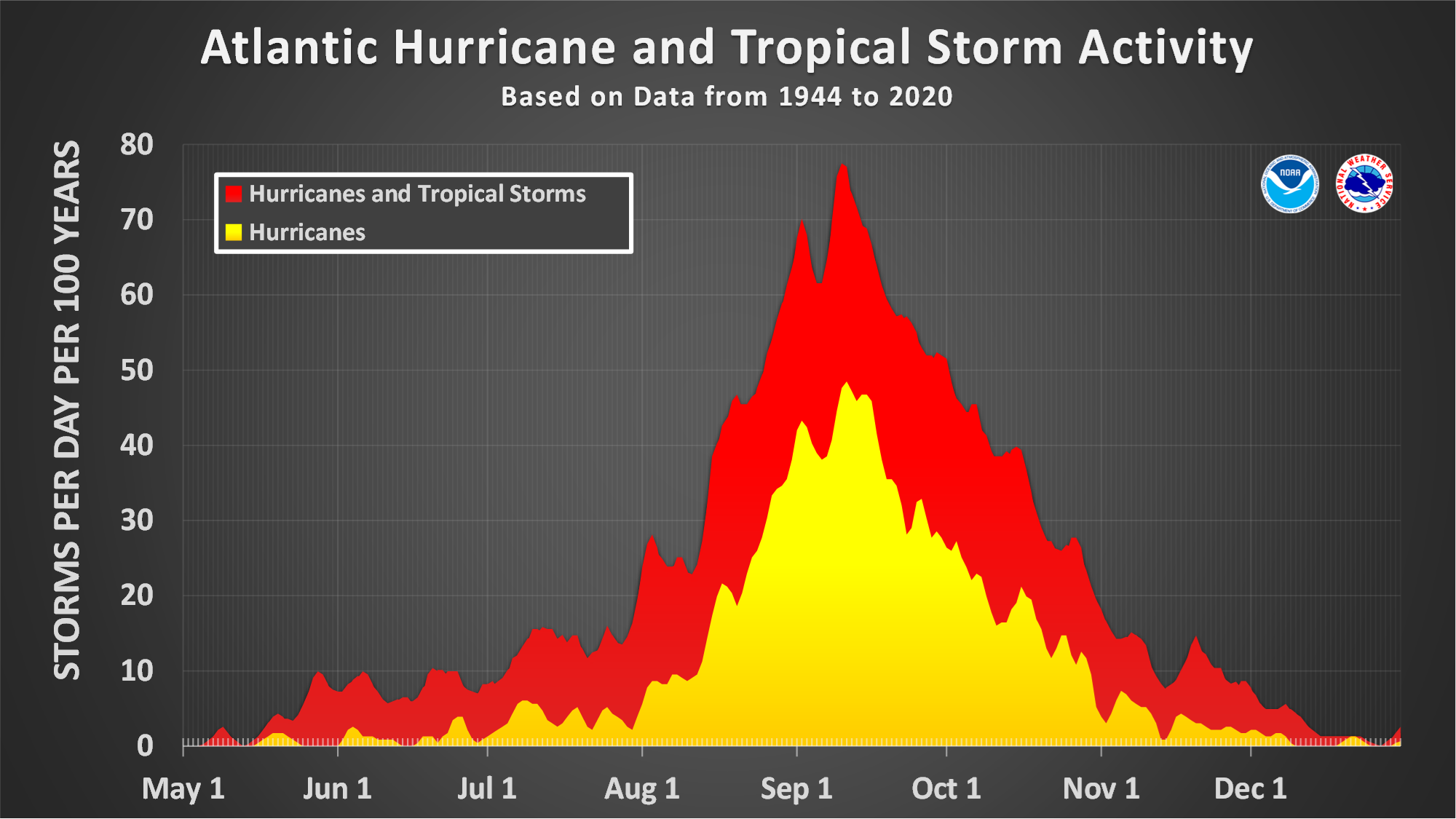
The Atlantic hurricane season is a well-defined period during which tropical cyclones are most likely to form and develop in the Atlantic Ocean, Caribbean Sea, and Gulf of Mexico. This season officially runs for six months, commencing on June 1st and concluding on November 30th.
Peak Activity Periods
Within the broader hurricane season, there are distinct periods of heightened activity. Typically, the most intense storm development occurs from mid-August through late October. This is when ocean temperatures are at their warmest, providing the necessary fuel for hurricanes to form and intensify.
- June and July: While the season begins on June 1st, the initial months often see a slower start. Tropical activity can occur, but it is generally less frequent and less intense than later in the season. Early-season storms are more likely to originate in the western Caribbean or off the coast of Central America.
- August: Activity begins to pick up considerably in August. Storms can form anywhere within the tropical Atlantic and are increasingly likely to threaten the United States coastline, including the Florida Keys.
- September: This is statistically the most active month for hurricanes in the Atlantic basin. The combination of warm ocean waters and favorable atmospheric conditions creates a breeding ground for powerful storms. The Florida Keys, with their low elevation and proximity to the open ocean, are particularly vulnerable during this peak period.
- October: While activity generally begins to wane in October, significant and dangerous hurricanes can still form. Storms in October often track further north or west, but the threat to the Florida Keys remains.
- November: By November, the likelihood of major hurricane development decreases significantly. However, isolated tropical storms or even hurricanes can still occur, especially early in the month.
Factors Influencing Storm Formation
Several meteorological factors contribute to the formation and intensification of tropical cyclones:
- Sea Surface Temperatures (SSTs): Warm ocean waters, generally above 80°F (26.5°C), are essential for fueling hurricanes. The Gulf of Mexico and the waters surrounding the Florida Keys can reach these temperatures during the summer and early fall.
- Atmospheric Moisture: Ample moisture in the atmosphere is needed for cloud development and storm sustenance.
- Low Vertical Wind Shear: Winds that remain relatively consistent in speed and direction from the surface to the upper atmosphere are crucial. High wind shear can tear apart developing storm systems.
- Pre-existing Weather Disturbances: Tropical waves, often originating from Africa, can serve as the initial spark for hurricane formation.
Hurricane Risk Specific to the Florida Keys
The Florida Keys face a unique set of challenges when it comes to hurricanes. Their geographical position as a chain of islands extending southwestward from the southern tip of the Florida mainland exposes them to storms approaching from multiple directions.
Vulnerability of Island Geography
The low-lying nature of most of the Florida Keys makes them highly susceptible to storm surge, which is the abnormal rise of water generated by a storm, over and above the predicted astronomical tide. Storm surge can be the most dangerous aspect of a hurricane, leading to widespread coastal flooding and significant damage.
- Direct Hits: A direct hit from a hurricane, even a relatively weak one, can bring devastating winds and severe storm surge to the islands.
- Indirect Impacts: Even if a hurricane makes landfall elsewhere in Florida or the Gulf Coast, the Florida Keys can still experience significant impacts, including heavy rainfall, strong winds, rip currents, and rough seas.
- Evacuation Challenges: Due to their geography and limited road access (primarily US Highway 1), evacuations can be complex and time-consuming. It is critical for residents and visitors to heed evacuation orders promptly.
Historical Storm Patterns
The history of the Florida Keys is marked by numerous powerful hurricanes. While any month from June to November can potentially bring a storm, certain periods have historically been more active.
- Labor Day Storms: Many devastating storms have occurred around the Labor Day holiday, highlighting the increased risk in late August and early September.
- October Surprises: While September is peak season, powerful storms have historically impacted the Keys in October, such as the infamous Labor Day Hurricane of 1935 (though it occurred in September, it’s a key historical reference point for extreme storms in the region).
Planning Your Florida Keys Trip Around Hurricane Season
For travelers, understanding hurricane season is not about avoiding the Florida Keys entirely during these months, but rather about making informed decisions and taking necessary precautions.
Travel Strategies for the Shoulder Seasons
The “shoulder seasons” – the early and late parts of hurricane season – can offer a sweet spot for visitors seeking fewer crowds and potentially lower prices, while still being mindful of the weather.
- June: Early June can be a beautiful time to visit the Florida Keys. The weather is warm, the water is inviting, and the official hurricane season is just beginning. However, it’s still prudent to monitor weather forecasts.
- Late October and November: As the season winds down, the threat generally diminishes. The weather can remain pleasant, and the intensity of hurricane activity usually decreases. This period can be ideal for enjoying activities like diving in the Florida Keys National Marine Sanctuary or exploring the unique attractions of Key West.
Booking and Travel Insurance Considerations
When booking a trip during hurricane season, it’s essential to factor in potential weather disruptions.
- Flexibility: Choose accommodations and flights with flexible cancellation or rebooking policies. Many hotels and airlines offer waivers or special provisions during declared weather emergencies.
- Travel Insurance: Purchasing comprehensive travel insurance is highly recommended. Ensure your policy covers trip cancellations or interruptions due to hurricanes, including non-refundable expenses. Carefully read the policy details to understand what events are covered and any waiting periods.
- Accommodation Choices: When selecting a place to stay, consider its elevation and hurricane preparedness plans. Resorts on higher ground or those with robust emergency protocols might offer greater peace of mind. Look into the offerings at places like the Cheeca Lodge & Spa or other established resorts that have experience managing severe weather.
Staying Informed and Prepared
Regardless of when you visit, staying informed about weather conditions is paramount.
- Official Sources: Rely on official sources for weather information, such as the National Hurricane Center (NHC) and local National Weather Service offices.
- Monitoring Forecasts: Monitor weather forecasts regularly, especially as your travel dates approach. Pay attention to the formation of tropical depressions, tropical storms, and hurricanes.
- Evacuation Plans: If you are traveling during a period of elevated risk, familiarize yourself with local evacuation routes and procedures for the specific keys you are visiting, such as Key Largo, Islamorada, Marathon, or Key West. Your accommodation provider can often offer guidance on this.
What to Do if a Storm Threatens Your Trip
Experiencing a potential or actual hurricane during your vacation can be unsettling, but preparedness and swift action can mitigate risks.
Monitoring Advisories and Orders
The most critical step is to pay close attention to official advisories from the National Hurricane Center and local emergency management officials.
- Tropical Storm Watch/Warning: A Tropical Storm Watch means tropical storm conditions are possible within the specified area, generally within 48 hours. A Tropical Storm Warning means tropical storm conditions are expected within the specified area, generally within 36 hours.
- Hurricane Watch/Warning: A Hurricane Watch means hurricane conditions are possible within the specified area, generally within 48 hours. A Hurricane Warning means hurricane conditions are expected within the specified area, generally within 36 hours.
- Evacuation Orders: If an evacuation order is issued for your area, it is imperative to leave immediately. These orders are put in place to ensure your safety.
Securing Your Accommodation and Belongings
If you are advised to shelter in place or if an evacuation order has not yet been issued but conditions are deteriorating, take steps to secure your immediate environment.
- Inside: Move indoors to a secure building. Close and secure all windows and doors.
- Valuables: Secure important documents and valuables in a waterproof container.
- Supplies: Ensure you have an emergency kit with water, non-perishable food, a flashlight, batteries, and any necessary medications.
Travel Adjustments and Rebooking
If a storm forces you to alter your plans, communication and flexibility are key.
- Contact Your Provider: Stay in constant contact with your airline, hotel, or rental car company. They will provide updates on operational status and rebooking options.
- Alternative Destinations: If your original destination becomes inaccessible or unsafe, consider alternative travel plans to a region not affected by the storm.
- Patience: During major weather events, travel disruptions are common. Exercise patience and understanding with service providers.
The Bright Side: When to Safely Enjoy the Keys
Despite the official hurricane season, the Florida Keys offer incredible experiences throughout the year.
The Best Times to Visit, Weather-Wise
While the risk is present from June to November, certain periods within this window are statistically less prone to major storm activity.
- Winter (December – February): This is often considered the peak season for the Florida Keys. The weather is typically drier, cooler, and less humid, with average temperatures in the comfortable 70s Fahrenheit. This period falls outside the official hurricane season, offering a lower risk of tropical weather disruptions.
- Spring (March – May): Spring continues the trend of pleasant weather, with temperatures gradually warming. This is another excellent time to visit, offering a good balance of favorable weather and manageable crowds before the official hurricane season begins.

Enjoying the Islands Safely
The allure of the Florida Keys – its vibrant coral reefs, historic sites like the Ernest Hemingway Home and Museum, and laid-back atmosphere – draws visitors year-round. By being informed about hurricane season and its potential impacts, travelers can better plan their trips to maximize enjoyment and minimize risk, ensuring their visit to this chain of islands is as spectacular and safe as possible. Whether you choose to visit during the official season with careful planning or opt for the generally calmer winter and spring months, the Florida Keys promise an unforgettable travel experience.
LifeOutOfTheBox is a participant in the Amazon Services LLC Associates Program, an affiliate advertising program designed to provide a means for sites to earn advertising fees by advertising and linking to Amazon.com. Amazon, the Amazon logo, AmazonSupply, and the AmazonSupply logo are trademarks of Amazon.com, Inc. or its affiliates. As an Amazon Associate we earn affiliate commissions from qualifying purchases.