
While the allure of Texas often conjures images of wide-open spaces, vibrant cities, and a burgeoning economy, businesses operating within the Lone Star State must navigate a complex web of regulations. One of the most critical considerations for employers is workers’ compensation insurance. Understanding its requirements, benefits, and implications is paramount for any business owner in Texas, impacting everything from employee well-being to legal compliance and financial stability. This article delves into the intricacies of workers’ compensation in Texas, aiming to provide a comprehensive overview for businesses considering their obligations and options.
The Texas Workers’ Compensation System: A Unique Approach
Unlike many other states, Texas operates a non-subscriber system for workers’ compensation. This means that private employers are generally not legally required to provide workers’ compensation insurance to their employees. However, this freedom comes with significant considerations and potential risks.
Non-Subscription: The Employer’s Choice
The choice not to subscribe to the state’s workers’ compensation system is known as being a “non-subscriber.” This decision allows employers to opt out of the traditional no-fault insurance system. In a non-subscriber scenario, if an employee is injured on the job, they cannot file a standard workers’ compensation claim. Instead, their recourse would be to file a civil lawsuit against their employer.
Pros and Cons of Non-Subscription
The primary perceived advantage of non-subscription is the potential cost savings. Premiums for workers’ compensation insurance can be substantial, and some businesses may find it more financially advantageous to self-insure or manage potential claims internally. Furthermore, non-subscribing employers may argue that they can offer more tailored benefits to their employees, potentially exceeding statutory requirements.
However, the risks associated with non-subscription are considerable. If an employee sues and wins, the employer could be liable for a range of damages, including medical expenses, lost wages, pain and suffering, and even punitive damages. This can result in significantly higher costs than what would have been paid in workers’ compensation premiums. Moreover, a non-subscriber employer loses the “exclusive remedy” protection offered by workers’ compensation. This means that employees are not barred from suing their employer for work-related injuries.
The Benefits of Workers’ Compensation Coverage
For employers who choose to subscribe to the Texas Workers’ Compensation system, the benefits are substantial and multifaceted. The core principle of workers’ compensation is to provide a no-fault system for injured workers. This means that an employee does not need to prove that the employer was negligent to receive benefits.
Medical Benefits
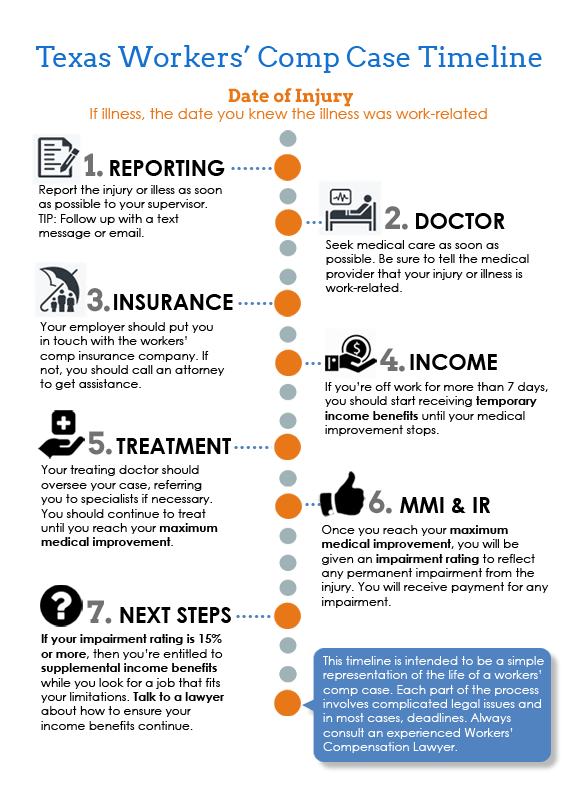
One of the most critical components of workers’ compensation is the provision of medical benefits. This coverage ensures that an injured employee receives necessary and appropriate medical treatment to recover from their work-related injury or illness. This can include doctor’s visits, hospital stays, surgeries, prescription medications, and rehabilitation services. The goal is to facilitate a timely and effective return to work.
Income Benefits
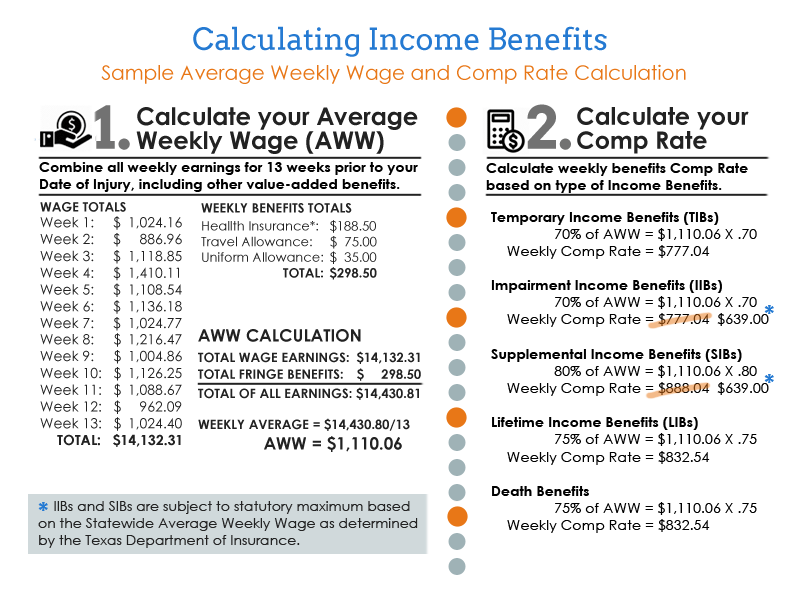
When a work-related injury prevents an employee from earning their usual wages, income benefits are provided. These benefits typically replace a portion of the employee’s lost wages. There are different types of income benefits, including:
- Temporary Income Benefits (TIBs): Paid when an employee is temporarily unable to work due to a work-related injury.
- Permanent Temporary Benefits (PTBs): For conditions that are expected to improve but will require ongoing treatment.
- Impairment Income Benefits (IIBs): Awarded if an employee has a permanent impairment after reaching maximum medical improvement.
- Supplemental Income Benefits (SIBs): Provided to assist employees who have a permanent impairment and are unable to earn at least 80% of their pre-injury wage.
- Death Benefits: Paid to the surviving dependents of an employee who dies as a result of a work-related injury or illness.
Death Benefits
In the tragic event of an employee’s death due to a work-related incident, death benefits are available to their dependents. These benefits help to provide financial support to the family during a difficult time.
Employer Protection: The Exclusive Remedy
A significant advantage for subscribing employers is the “exclusive remedy” provision. This means that if an employer carries workers’ compensation insurance, their injured employees are generally barred from suing them for work-related injuries. This protection shields employers from potentially devastating lawsuits and provides a predictable cost for managing workplace injuries.
Who is Required to Provide Workers’ Compensation in Texas?
While most private employers have the option to be non-subscribers, there are specific exceptions and circumstances where workers’ compensation insurance is mandatory.
Public Employers
All state and local government entities in Texas are required to provide workers’ compensation coverage for their employees. This includes state agencies, counties, cities, school districts, and other public bodies. This ensures that public servants who are injured in the line of duty have access to essential benefits.
Employers with Four or More Employees

For private employers, the requirement to provide workers’ compensation insurance hinges on the number of employees. If a private employer has four or more employees on the payroll for twenty or more employees during the preceding calendar year, they are required to provide workers’ compensation coverage. This threshold is crucial for many small and medium-sized businesses. It’s important to note that this includes part-time and temporary employees.
Exceptions and Special Cases
There are a few other specific circumstances where coverage might be mandated, even for employers with fewer than four employees. These can include:
- Construction Industry: Many employers in the construction industry, regardless of the number of employees, are required to provide workers’ compensation insurance. This is due to the inherently dangerous nature of construction work.
- Independent Contractors vs. Employees: The classification of workers as either independent contractors or employees is critical. Misclassifying employees as independent contractors to avoid workers’ compensation obligations can lead to significant penalties. The Texas Workforce Commission (TWC) has specific guidelines for determining worker status.
- Specific Contractual Requirements: Some contracts, particularly with government entities or larger corporations, may require a subcontractor or vendor to carry workers’ compensation insurance as a condition of doing business.
Navigating the Texas Department of Insurance, Division of Workers’ Compensation
The Texas Department of Insurance, Division of Workers’ Compensation (TDI-DWC) oversees the workers’ compensation system in Texas. This agency plays a vital role in ensuring that employers comply with the law, that insurance carriers fulfill their obligations, and that injured workers receive the benefits they are entitled to.
Employer Responsibilities
For employers who are required to carry workers’ compensation insurance, there are several key responsibilities:
- Obtain Coverage: Secure an insurance policy from a licensed insurance carrier.
- Post Notices: Inform employees about their rights and responsibilities under the workers’ compensation system by posting required notices in conspicuous places.
- Report Injuries: Report all work-related injuries to the insurance carrier and the TDI-DWC in a timely manner.
- Cooperate with Investigations: Cooperate with any investigations conducted by the TDI-DWC or the insurance carrier.
What Happens if an Employer Fails to Comply?
Failure to comply with Texas workers’ compensation laws can have severe consequences. For employers who are required to provide coverage but fail to do so, penalties can include:
- Stop-Work Orders: The TDI-DWC can issue a stop-work order, forcing the business to cease operations until compliance is achieved.
- Civil Penalties: Significant fines can be imposed.
- Personal Liability: In some cases, business owners or officers may be held personally liable for injuries sustained by employees.
- Loss of Exclusive Remedy Protection: If a non-subscriber employer fails to provide required coverage, they lose the protection against lawsuits, making them vulnerable to substantial civil claims.
Making Informed Decisions for Your Business
For businesses in Texas, the decision regarding workers’ compensation is a strategic one with far-reaching implications. While the non-subscriber option offers flexibility, the potential risks and liabilities are substantial. For those who are legally required to provide coverage, compliance is not just a legal obligation but a fundamental aspect of responsible business operation and employee welfare.
When to Consider Workers’ Compensation Even If Not Required
Even if a business has fewer than four employees and is not in a specifically mandated industry, there are compelling reasons to consider voluntary workers’ compensation coverage.
Protecting Your Business from Lawsuits
As mentioned, non-subscribers expose themselves to civil lawsuits. A single serious injury and subsequent lawsuit can bankrupt a small business. Workers’ compensation insurance provides a crucial shield against these financial risks.
Attracting and Retaining Talent
In today’s competitive job market, employees are increasingly looking for employers who offer comprehensive benefits. Providing workers’ compensation coverage demonstrates a commitment to employee safety and well-being, making your business a more attractive place to work.
Peace of Mind
Knowing that your employees are covered in the event of a work-related injury provides invaluable peace of mind for business owners. It allows you to focus on growing your business without the constant worry of potential liabilities.
Partnering with Insurance Professionals
Navigating the complexities of workers’ compensation insurance can be challenging. It is highly recommended that employers consult with licensed insurance agents and brokers who specialize in Texas workers’ compensation. They can help you:
- Assess your specific business needs and risks.
- Understand your legal obligations based on your industry and employee count.
- Compare quotes from various insurance carriers.
- Ensure you are obtaining the right type and amount of coverage.
By understanding the nuances of Texas workers’ compensation laws and making informed decisions, businesses can protect their employees, mitigate financial risks, and build a more secure and sustainable future.
LifeOutOfTheBox is a participant in the Amazon Services LLC Associates Program, an affiliate advertising program designed to provide a means for sites to earn advertising fees by advertising and linking to Amazon.com. Amazon, the Amazon logo, AmazonSupply, and the AmazonSupply logo are trademarks of Amazon.com, Inc. or its affiliates. As an Amazon Associate we earn affiliate commissions from qualifying purchases.