
The question of FanDuel legality in Oregon is a nuanced one, touching upon the evolving landscape of online sports betting and its integration into state-level regulations. While Oregon has a history with gambling, particularly through its tribal casinos and the now-defunct Oregon Lottery’s ScoreBoard app, the specific framework for daily fantasy sports (DFS) and broader online sportsbooks like FanDuel requires careful examination. Understanding the legal standing involves dissecting legislative actions, regulatory oversight, and the current operational status of major betting platforms within the state.
The Shifting Sands of Sports Betting Legality
The journey towards legalizing sports betting in the United States has been a dynamic one, significantly altered by the Supreme Court’s 2018 decision to overturn the Professional and Amateur Sports Protection Act (PASPA). This landmark ruling effectively returned the authority to regulate sports betting to individual states, sparking a wave of legislative action across the country. Oregon was one of the states that had already established some form of legal gambling prior to PASPA’s repeal, primarily through tribal gaming compacts and, for a period, a state-run sports lottery.
Historical Context in Oregon
Historically, Oregon has navigated the gambling landscape with a cautious approach. The state’s tribal casinos, such as the Spirit Mountain Casino and the Seven Feathers Casino Resort, have been significant players, offering a range of gaming options. For a period, the Oregon Lottery operated ScoreBoard, a mobile and online sports betting platform. However, ScoreBoard faced considerable challenges, including user dissatisfaction with its limited offerings and betting lines, and ultimately ceased operations in early 2022. This closure created a void in the state’s regulated online sports betting market, prompting renewed discussions about future possibilities and the role of private operators.
The Distinction Between Daily Fantasy Sports and Sports Betting
It’s crucial to differentiate between Daily Fantasy Sports (DFS) and traditional sports betting. While both involve wagering on athletic events, their legal interpretations and regulatory frameworks can differ significantly.
Daily Fantasy Sports (DFS)
DFS platforms, such as FanDuel and DraftKings, allow users to assemble virtual teams of real athletes and compete against other users based on the statistical performance of those athletes in actual games. The core argument for the legality of DFS often rests on the assertion that it is a game of skill rather than chance. This distinction is critical because many states have historically legalized games of skill while regulating or prohibiting games of chance.
Sports Betting
Traditional sports betting involves wagering on the outcome of a specific game or event, often through fixed odds or point spreads. This form of betting has historically been more heavily regulated and, in many jurisdictions, considered a form of gambling subject to strict oversight.
Regulatory Framework for Online Sportsbooks in Oregon
Following the dissolution of ScoreBoard, Oregon has been in a period of reassessment regarding its online sports betting regulations. While there isn’t a direct prohibition on DFS in Oregon under current statutes, the situation for major online sportsbooks like FanDuel is less clear-cut than in states with fully established legal markets.
The Role of Tribal Compacts and State Law
The legal landscape in Oregon is complex due to the unique relationship between tribal gaming and state law. Tribal casinos operate under federal Indian Gaming Regulatory Act (IGRA) and state-tribal compacts. These compacts often grant tribes exclusive rights to operate certain types of gaming within their territories. The introduction of statewide mobile sports betting, especially through private operators, can intersect with these exclusive rights, creating a legislative puzzle.
Current Status of FanDuel in Oregon
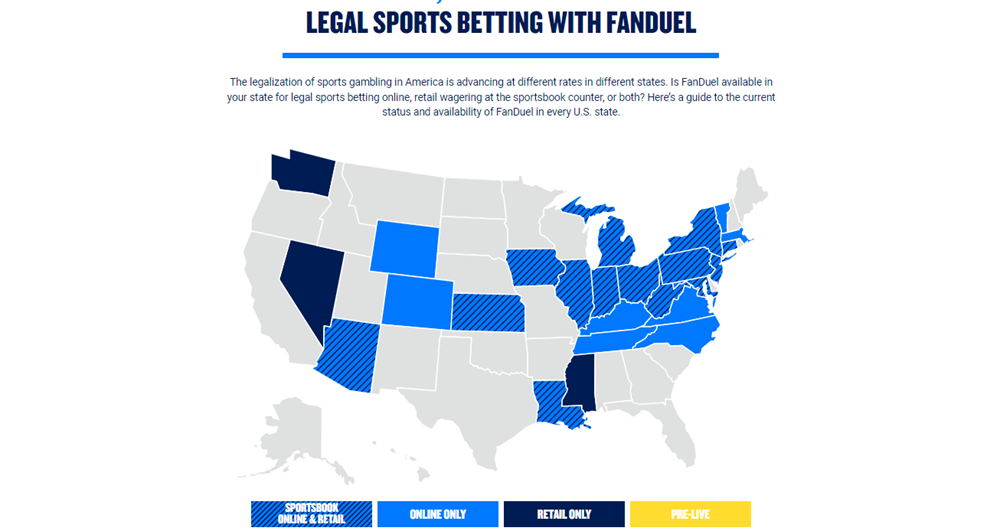
As of the current understanding of Oregon’s gambling laws, FanDuel does not operate as a licensed online sportsbook within the state. While FanDuel offers its DFS product in many states, its availability as a comprehensive sports betting platform is contingent on specific state legislation and licensing. In Oregon, the absence of a dedicated regulatory framework for private online sportsbooks means that FanDuel has not been granted the necessary licenses to operate its full suite of betting services.
Exploring the Nuances of Oregon’s Gambling Legislation
The path to comprehensive legal online sports betting in Oregon has been marked by legislative efforts and ongoing discussions. The state’s approach has often been characterized by a desire to protect existing gaming revenue streams, particularly those benefiting tribal entities and public services, while also exploring new opportunities.
Legislative Attempts and Debates
Over the years, various legislative proposals have been introduced in the Oregon legislature to address sports betting and online gaming. These debates often involve balancing the potential tax revenues and consumer protections offered by regulated markets against concerns about problem gambling and the impact on existing gaming operators. The intricate interplay between state and tribal interests frequently shapes the direction of these legislative endeavors.
The Impact of the Tribal Gaming Landscape
Oregon’s tribal casinos are significant economic and cultural institutions. Any statewide expansion of gaming, particularly online sports betting, must consider how it might affect the revenue generated by these enterprises and the terms of their compacts. This often leads to a more cautious legislative process, as stakeholders seek to ensure a mutually beneficial outcome or at least avoid detrimental impacts on established gaming operations.
Future Prospects for FanDuel and Similar Platforms
The future of FanDuel and other major online sportsbooks in Oregon hinges on legislative action. Should Oregon enact comprehensive legislation to license and regulate private online sports betting operators, it would open the door for platforms like FanDuel to apply for licenses and begin operations. This would likely involve a robust regulatory framework overseen by a state gaming commission, ensuring consumer safety, integrity of the games, and tax contributions to the state.
Potential Regulatory Models
Several models could be adopted by Oregon to bring online sports betting into a legal framework. One common model involves awarding licenses to existing land-based casinos, allowing them to partner with online operators. Another approach could involve direct licensing of online-only operators, subject to strict regulations and fees. The state might also explore a hybrid model, incorporating tribal interests and private sector participation.
The Role of Daily Fantasy Sports in the Interim
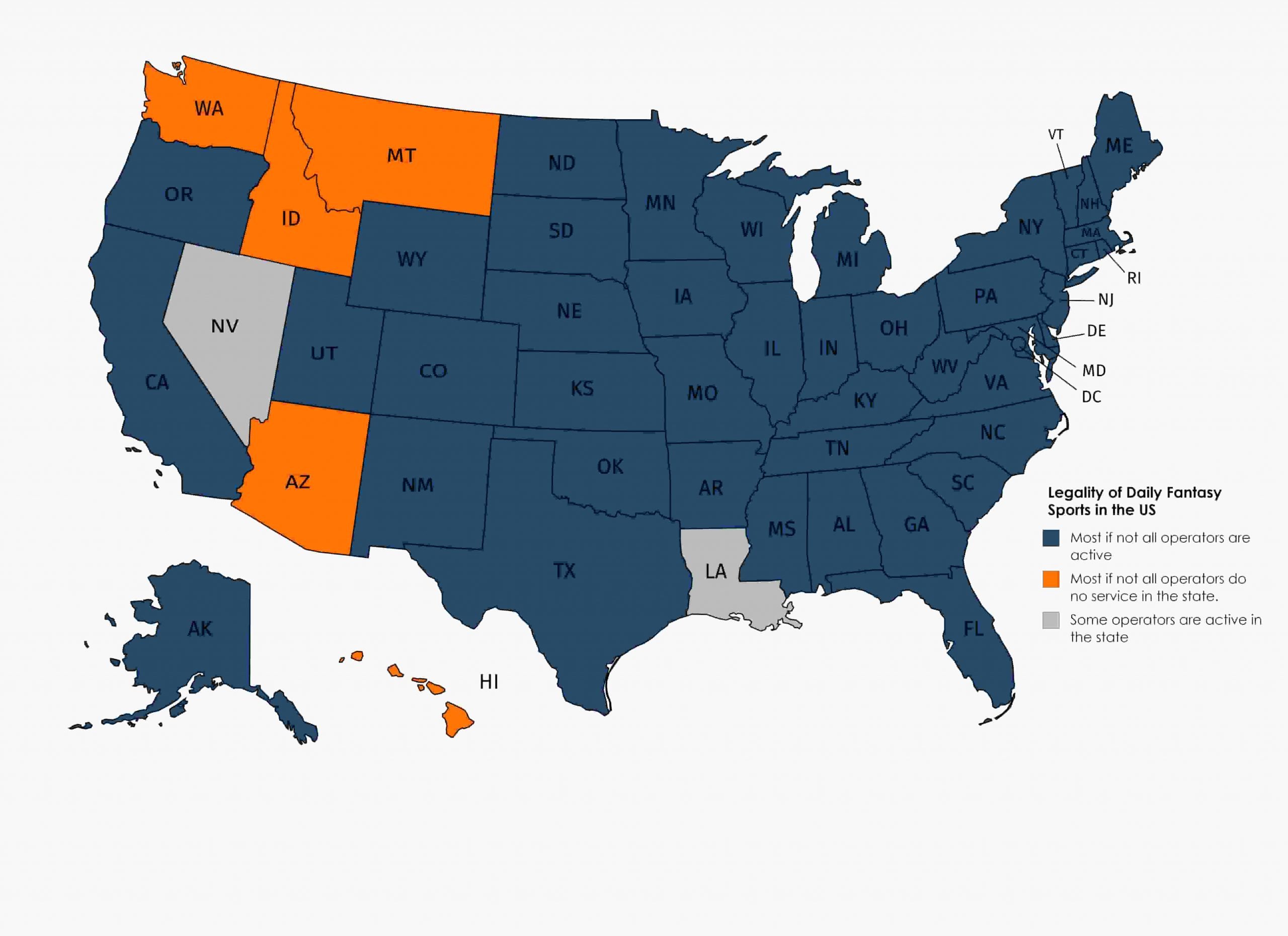
While FanDuel may not be operating its full sports betting platform in Oregon, its daily fantasy sports product might still be accessible, depending on how DFS is interpreted and treated by the state’s existing laws. It is always advisable for users to verify the current status and terms of service directly with the platform and to be aware of any local regulations that may apply.
Navigating Online Betting in Oregon: Key Considerations
For residents of Oregon interested in online betting activities, understanding the current legal landscape is paramount. The absence of a fully regulated statewide online sports betting market means that individuals must exercise caution and be informed.
Consumer Protections and Responsible Gaming
In states with legal and regulated online sports betting, robust consumer protections and responsible gaming measures are typically in place. These include age verification, self-exclusion programs, deposit limits, and access to problem gambling resources. In Oregon, where a comprehensive regulated market is still developing, these safeguards may not be as readily available for all online betting activities.
The Importance of Legal and Licensed Operators
When engaging in any form of online wagering, it is always recommended to use only legal and licensed operators. This ensures that your funds are secure, that games are fair, and that you have recourse in case of disputes. For residents of Oregon, this means staying informed about which platforms have received the necessary state authorization.
Staying Informed About Future Developments
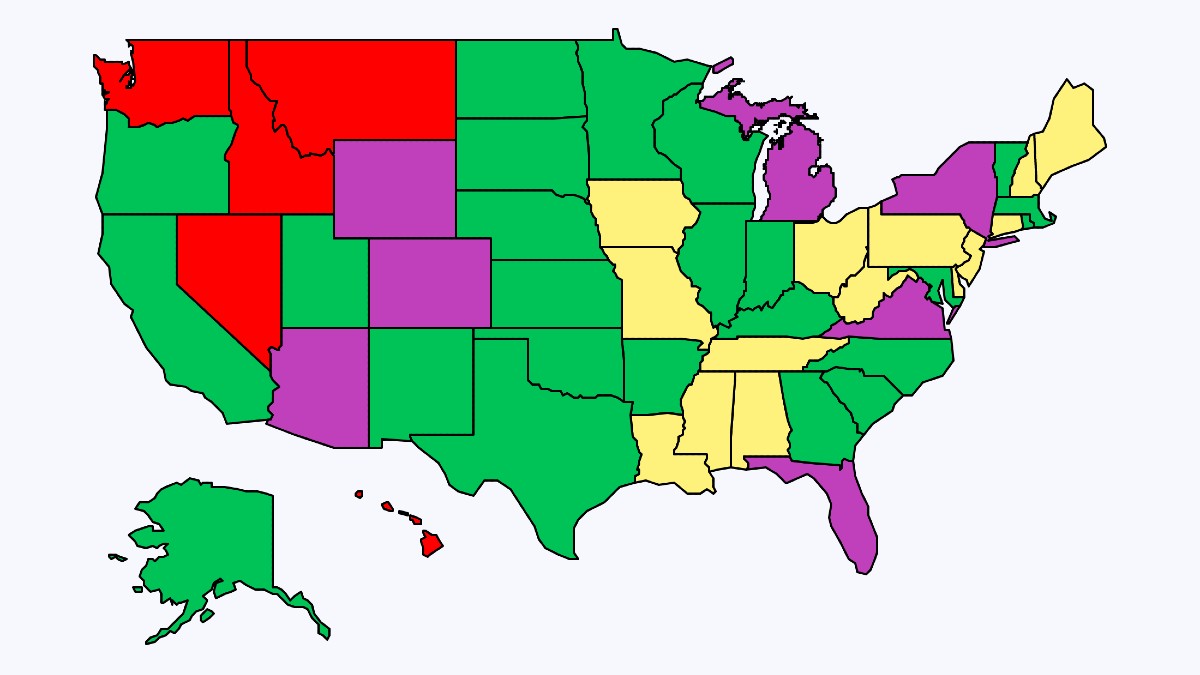
The legal status of online sports betting is subject to change as states continue to evolve their regulatory frameworks. Residents of Oregon are encouraged to follow legislative developments and news from the Oregon state government to stay abreast of any changes that may impact the availability of platforms like FanDuel for sports betting. The journey from the closure of ScoreBoard to a potential comprehensive online betting market is ongoing, and informed participation is key.
In conclusion, while FanDuel offers its daily fantasy sports product in many jurisdictions, its operation as a full-fledged online sportsbook in Oregon is currently not supported by the state’s existing regulatory framework for private operators. The state continues to explore its options, and future legislative changes could alter this landscape, potentially opening avenues for licensed sports betting operations.
LifeOutOfTheBox is a participant in the Amazon Services LLC Associates Program, an affiliate advertising program designed to provide a means for sites to earn advertising fees by advertising and linking to Amazon.com. Amazon, the Amazon logo, AmazonSupply, and the AmazonSupply logo are trademarks of Amazon.com, Inc. or its affiliates. As an Amazon Associate we earn affiliate commissions from qualifying purchases.