
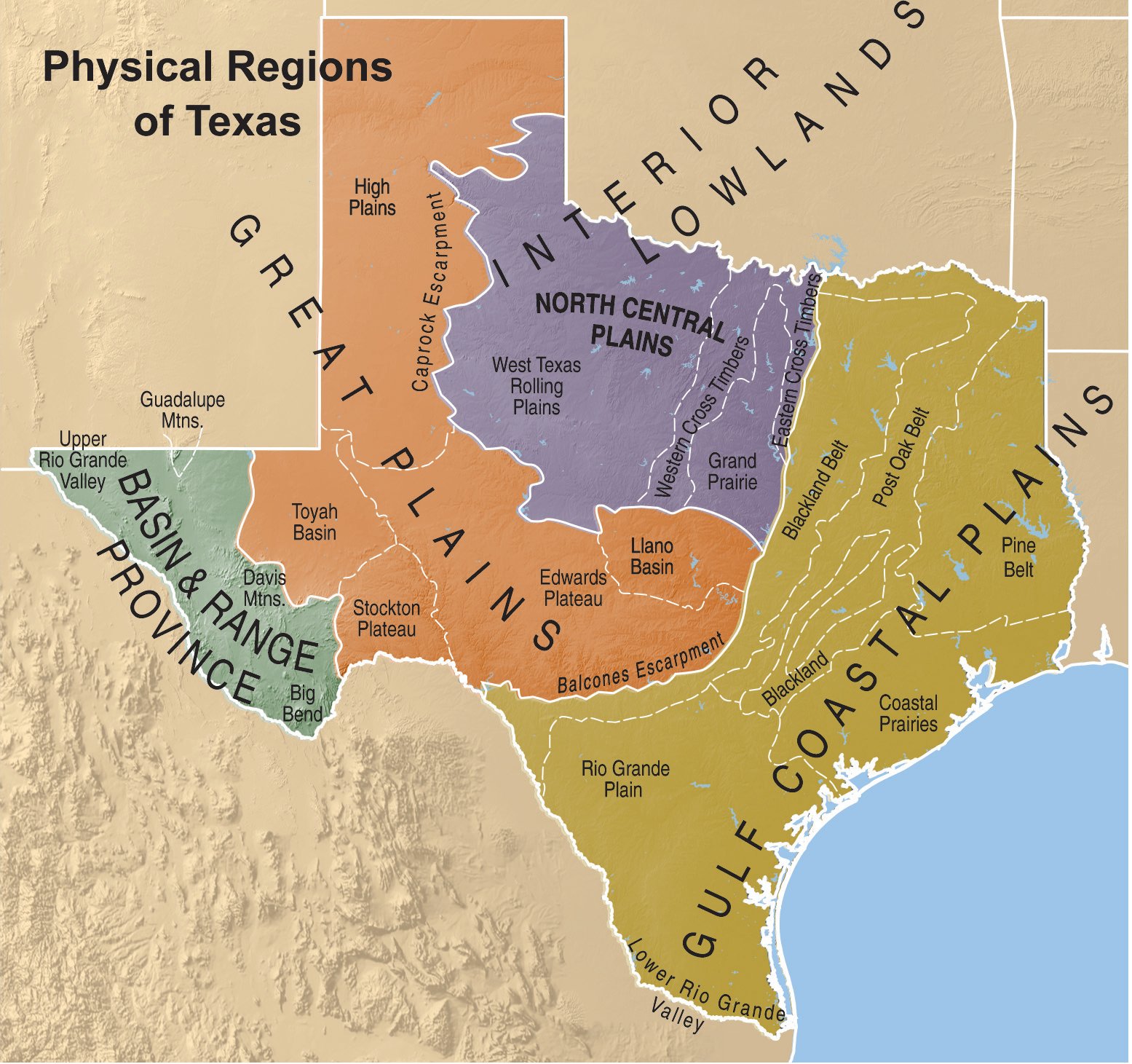
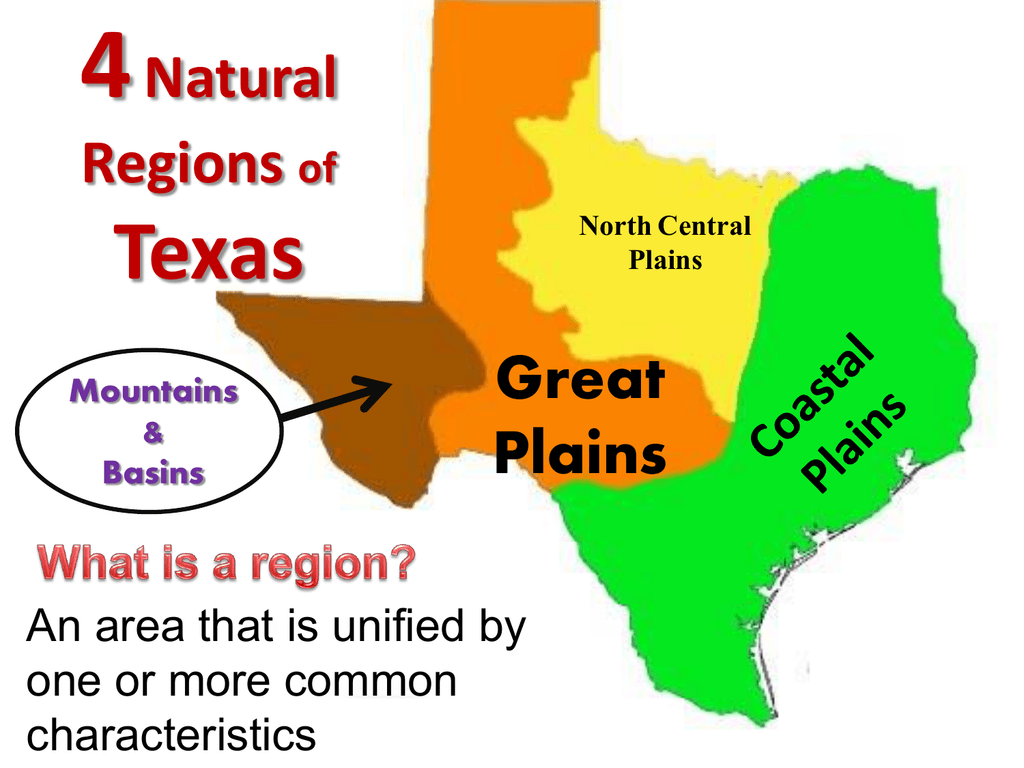
Texas, a state of immense scale and diverse landscapes, is often broadly understood, but its true character unfolds when explored through its distinct geographical and cultural regions. For travelers, understanding these four major divisions—the Piney Woods, South Texas Plains, Texas Hill Country, and Big Bend Country—is key to unlocking the state’s multifaceted allure. Each region offers a unique tapestry of attractions, from verdant forests and rolling hills to vast desert vistas and subtropical coastlines, promising an unforgettable journey for every kind of explorer.
The Piney Woods: A Verdant Wilderness in East Texas
Nestled in the easternmost corner of the Lone Star State, the Piney Woods region is a dramatic departure from the stereotypical image of arid Texas. This area is characterized by its dense forests of pine and hardwood trees, rolling terrain, and abundant waterways, creating a lush and tranquil environment that beckons nature lovers and outdoor enthusiasts. It’s a place where the air is thick with the scent of pine needles, and the pace of life slows down, allowing visitors to immerse themselves in the natural beauty and the unique culture that has sprung from this verdant landscape.
Natural Wonders and Outdoor Pursuits
The Piney Woods are home to numerous state and national forests, offering a plethora of opportunities for hiking, camping, fishing, and wildlife viewing.
Forests and Parks
- Big Thicket National Preserve: Often called the “Biological Crossroads of North America,” this preserve is a biodiversity hotspot, featuring a unique mix of ecosystems, including ancient cypress groves, diverse plant life, and abundant animal species. Visitors can explore over 110 miles of hiking trails, paddle through sloughs and bayous, and experience the wild heart of East Texas.
- Davy Crockett National Forest: This expansive forest offers opportunities for dispersed camping, fishing in the Neches River, and hiking the approximately 130 miles of trails, including a section of the historic Old San Antonio Road. The Ratcliff Lake Recreation Area is a popular spot for swimming, boating, and picnicking.
- Sabine National Forest: Bordering Louisiana, this forest surrounds the Sabine River and Toledo Bend Reservoir, one of the largest man-made lakes in the United States. It’s a prime destination for boating, fishing for bass and catfish, and enjoying the scenic beauty of East Texas.
Waterways and Recreation
The numerous lakes and rivers in the Piney Woods are central to the region’s appeal. Caddo Lake State Park, with its iconic Spanish moss-draped cypress trees, offers unparalleled opportunities for kayaking, canoeing, and boat tours through a mystical, bayou-like landscape. Fishing is a major draw, with species like largemouth bass, crappie, and catfish readily available.
Culture and Heritage
Beyond its natural attractions, the Piney Woods region boasts a rich history and distinct cultural heritage. The lumber industry has played a significant role in shaping the area, and remnants of this past can be found in charming small towns and local museums.
Historic Towns and Sites
- Nacogdoches: Known as the “Oldest Town in Texas,” Nacogdoches is steeped in history, with sites like the Old Stone Fort and the Millard’s Crossing Historic Village offering glimpses into its past. The town’s historic downtown is a delightful place to explore unique shops and eateries.
- Jefferson: This picturesque riverport town on Big Cypress Bayou was once a thriving hub of commerce. Today, visitors can enjoy horse-drawn carriage tours, explore antebellum homes, and delve into the town’s storied past, including its rumored hauntings.
The region’s culinary scene often reflects its Southern roots, with an emphasis on comfort food, barbecue, and fresh seafood, particularly in towns closer to the coast.
The South Texas Plains: Where Desert Meets the Gulf
Stretching from San Antonio and Austin south to the Rio Grande Valley and the Gulf Coast, the South Texas Plains represent a vast and varied expanse that blends arid landscapes with coastal influences. This region is known for its agricultural richness, its vibrant border culture, and its unique wildlife habitats. It’s a land of extremes, from the heat of the sun to the cooling sea breeze, offering a dynamic travel experience.
Diverse Ecosystems and Wildlife
The South Texas Plains encompass a range of environments, from the chaparral-covered brushlands to the coastal marshes and barrier islands. This diversity supports an incredible array of plant and animal life.
Brush Country and Wildlife Preserves
- The Brush Country: This iconic landscape of thorny shrubs and mesquite trees is home to white-tailed deer, javelinas, and numerous bird species. The region is a prime destination for hunting and for experiencing the rugged beauty of South Texas.
- Black Gap Wildlife Management Area: Located in the Trans-Pecos region but often associated with the broader South Texas experience due to its arid environment, this area is dedicated to conserving native wildlife, including desert bighorn sheep and various reptiles.
- King Ranch: One of the largest and most historic ranches in the United States, the King Ranch offers tours that showcase its legacy of cattle ranching and its significant impact on Texas history and culture.
Coastal Treasures
The Texas Coast, a significant part of the South Texas Plains, offers a different kind of natural beauty. Barrier islands like Galveston Island and Padre Island provide miles of sandy beaches, opportunities for birdwatching, and recreational activities. Mustang Island State Park and Boca Chica Beach are popular for camping, fishing, and enjoying the coastal breeze.
Cultural Melting Pot
The South Texas Plains are profoundly influenced by their proximity to Mexico, resulting in a rich tapestry of Hispanic culture, cuisine, and traditions. This border region is a vibrant hub of activity, with unique festivals, music, and art.
Border Towns and Cities
- Laredo: A major port of entry and a historic border city, Laredo offers a deep dive into Mexican-American heritage, evident in its architecture, food, and the warmth of its people. The San Agustin Plaza and the Fort McIntosh are key historical sites.
- Brownsville: Situated at the southernmost tip of Texas, Brownsville is a gateway to Matamoros and boasts a unique cultural blend. The Sabine National Wildlife Refuge offers exceptional birdwatching opportunities.
- The Rio Grande Valley: This fertile region is a major agricultural producer, known for citrus fruits, vegetables, and sugarcane. Towns like McAllen and Harlingen are bustling centers of commerce and culture.
Culinary Delights
The food scene here is a must-experience, characterized by Tex-Mex staples like enchiladas, tacos, and fajitas, often infused with a distinct South Texas flair. The influence of fresh seafood along the coast adds another layer to the region’s gastronomic offerings.
The Texas Hill Country: Rolling Hills and German Heritage
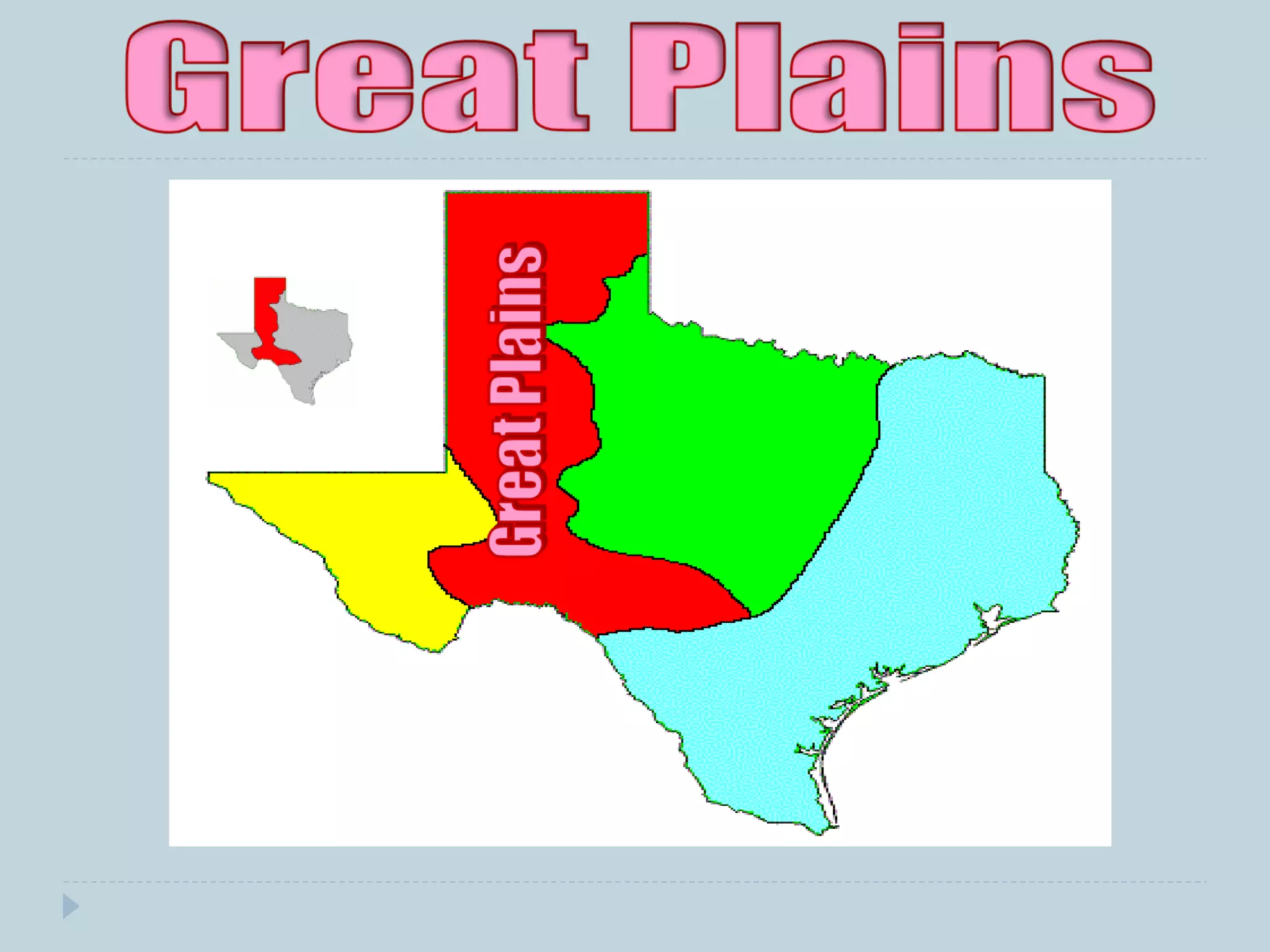
West of the South Texas Plains lies the Texas Hill Country, a picturesque region of rolling hills, clear rivers, and limestone cliffs that offers a refreshing contrast to the flatter terrains of other parts of the state. Settled by German immigrants in the 19th century, the Hill Country retains much of its unique cultural heritage, evident in its charming towns, wineries, and culinary traditions.
Natural Beauty and Outdoor Adventures
The Hill Country is renowned for its natural beauty and the abundance of outdoor activities it provides, particularly centered around its numerous rivers and springs.
Rivers and Springs
- The Guadalupe River, Comal River, and San Marcos River are popular for tubing, kayaking, and swimming. Towns like New Braunfels and San Marcos are summer meccas for river recreation.
- Barton Springs Pool in Austin is a natural spring-fed pool offering a cool respite, while Jacob’s Well is a stunning natural swimming hole.
Scenic Drives and State Parks
The winding roads of the Hill Country are a delight for scenic drives, especially during wildflower season when the fields erupt in color.
- Enchanted Rock State Natural Area: This massive pink granite dome is an iconic landmark, offering challenging hiking and breathtaking panoramic views.
- Pedernales Falls State Park: Features beautiful cascades and pools along the Pedernales River, with opportunities for hiking and camping.
German Heritage and Wine Country
The legacy of German immigration is a defining characteristic of the Hill Country, particularly in towns established by these settlers.
Historic German Towns
- Fredericksburg: Founded by German pioneers, Fredericksburg is a vibrant tourist destination known for its Main Street lined with shops, art galleries, and restaurants. It’s also the heart of the Texas wine country.
- New Braunfels: Another town with strong German roots, New Braunfels celebrates its heritage with festivals like Wurstfest, a renowned sausage festival. The Gruene Historic District, a preserved German settlement, is a must-visit.
- Boerne and Comfort: These smaller towns also offer charming glimpses into German-Texan life, with historic architecture and local craft shops.
Texas Wine Country
The Hill Country has emerged as a significant wine-producing region, with numerous vineyards and wineries offering tastings and tours. Visitors can create their own wine trails, sampling varietals like Tempranillo and Viognier, and enjoying the scenic beauty of the vineyards.
Big Bend Country: A Vast and Rugged Frontier
Covering the westernmost tip of Texas, Big Bend Country is a land of dramatic desert landscapes, towering mountains, and a vast, untamed wilderness that captivates the adventurous traveler. Named for the prominent bend in the Rio Grande, this region is defined by its solitude, its raw beauty, and its ancient geological history. It is Texas at its most wild and remote.
A Landscape of Extremes
The Big Bend region is characterized by its stark contrasts: scorching desert floors, rugged mountain ranges, and the life-giving artery of the Rio Grande. This extreme environment has shaped unique flora and fauna.
National and State Parks
- Big Bend National Park: This jewel of West Texas encompasses over 800,000 acres of diverse terrain. Highlights include the Chisos Mountains, the Ross Maxwell Scenic Drive offering access to the Santa Elena Canyon, and the Hot Springs Historic District. Hiking trails range from easy desert strolls to challenging mountain ascents.
- Big Bend Ranch State Park: Adjacent to the national park, this is the largest state park in Texas, offering an even more remote and rugged experience. It’s ideal for backpacking, primitive camping, and exploring seldom-seen vistas.
The Rio Grande and Canyons
The Rio Grande forms a significant portion of the park’s southern boundary and is a focal point for many visitors.
- River Rafting and Kayaking: Guided trips through the Rio Grande canyons, such as Santa Elena Canyon, Mariscal Canyon, and Boquillas Canyon, are an exhilarating way to experience the region’s grandeur.
- The Conchos River is another important waterway in the broader region, contributing to its unique ecosystem.
Gateway Towns and Unique Culture
While vast and sparsely populated, Big Bend Country has a few charming gateway towns and a distinct cultural identity shaped by its isolation and frontier spirit.
Desert Towns and Attractions
- Terlingua: Once a thriving mercury mining town, Terlingua is now a quirky ghost town and a popular hub for Big Bend visitors. Its cemetery is a famous landmark, and the Starlight Theatre offers live music and local fare.
- Study Butte and Alpine: These towns serve as supply points and lodging options for those exploring the Big Bend area. Alpine is home to Sul Ross State University and a cultural center for the region.
- Marfa: While technically just outside the core Big Bend Country, Marfa has become a major destination for art lovers, known for its minimalist art installations and its enigmatic Marfa Lights.
Stargazing and Astronomy
The remote location and minimal light pollution in Big Bend Country make it one of the best places in the United States for stargazing. The clarity of the night sky offers an unparalleled celestial spectacle.
By understanding and exploring these four distinct regions, travelers can gain a profound appreciation for the immense diversity and captivating spirit of Texas, from its lush eastern forests to its arid western deserts, its rolling central hills to its southern plains.
LifeOutOfTheBox is a participant in the Amazon Services LLC Associates Program, an affiliate advertising program designed to provide a means for sites to earn advertising fees by advertising and linking to Amazon.com. Amazon, the Amazon logo, AmazonSupply, and the AmazonSupply logo are trademarks of Amazon.com, Inc. or its affiliates. As an Amazon Associate we earn affiliate commissions from qualifying purchases.