
The phrase “Is There A Storm In Florida?” can evoke a range of reactions, from mild curiosity to significant concern, especially for those planning a visit or residing within the Sunshine State. Florida’s unique geographical position along the Atlantic hurricane belt makes it a frequent subject of weather-related news and advisories. Understanding the nuances of Florida’s storm season, the types of weather events that can impact travel plans, and how to prepare is crucial for a safe and enjoyable experience. This guide delves into the meteorological realities of Florida, offering insights for travelers and residents alike.

Understanding Florida’s Storm Season
Florida experiences a distinct storm season, primarily dominated by tropical cyclones, which include tropical depressions, tropical storms, and hurricanes. This season officially runs from June 1st to November 30th each year, with the peak activity typically occurring between mid-August and late October. However, it’s important to note that tropical systems can, and sometimes do, form outside these months.
Tropical Cyclones: The Primary Concern
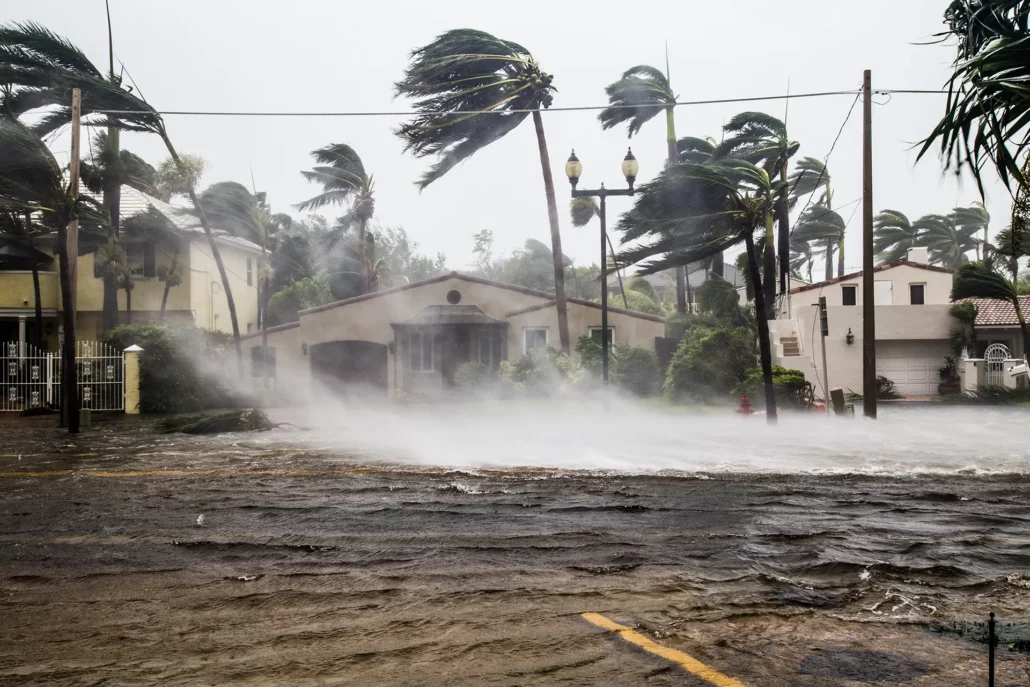
The most significant weather threats to Florida are tropical cyclones. These powerful rotating storm systems form over warm ocean waters and can bring devastating winds, heavy rainfall, and storm surge. The National Hurricane Center (NHC) is the primary source of information for tracking and forecasting these storms.
- Tropical Depressions: These are organized systems of clouds and thunderstorms with a defined circulation and maximum sustained winds of 38 mph or less. While not typically a direct threat to life and property, they can develop into more significant storms.
- Tropical Storms: When a tropical depression’s maximum sustained winds reach 39 mph or higher, it is upgraded to a tropical storm and receives a name from a predetermined list. Tropical storms can bring significant rainfall, flooding, and gusty winds.
- Hurricanes: A tropical storm becomes a hurricane when its maximum sustained winds reach 74 mph or higher. Hurricanes are categorized on the Saffir-Simpson Hurricane Wind Scale from Category 1 (74-95 mph winds) to Category 5 (157 mph or higher winds), indicating their potential intensity and associated damage.
The impact of a hurricane extends far beyond wind speed. Storm surge, the abnormal rise of water generated by a storm, is often the most dangerous aspect of a hurricane, capable of causing widespread coastal inundation and destruction. Heavy rainfall associated with hurricanes can also lead to severe inland flooding, particularly in areas with poor drainage.
Other Weather Phenomena
While tropical cyclones capture the most attention, Florida is also susceptible to other weather phenomena that can disrupt travel and daily life:
- Thunderstorms: Florida experiences frequent thunderstorms, especially during the summer months. These can be severe, producing lightning, heavy downpours, gusty winds, and even small, localized tornadoes. While generally less destructive than hurricanes, they can cause temporary travel disruptions and power outages.
- Rip Currents: Along Florida’s extensive coastline, rip currents are a persistent hazard. These powerful channels of water flowing away from the shore can quickly pull swimmers out to sea. Lifeguard presence and awareness of beach conditions are vital.
- Drought and Wildfires: While often associated with rain, Florida can also experience periods of drought, increasing the risk of wildfires, particularly in its vast pine forests and sawgrass prairies.
Preparing for Potential Storms: A Traveler’s Perspective
For travelers planning a trip to Florida, a proactive approach to weather awareness is essential. Understanding the typical weather patterns and having a contingency plan can mitigate potential disruptions.
Monitoring Weather Forecasts
The first and most crucial step is to monitor weather forecasts regularly leading up to and during your trip. Reliable sources include:
- National Hurricane Center (NHC): For tropical cyclone information, including advisories, watches, and warnings.
- National Weather Service (NWS): Provides local forecasts, severe weather alerts, and detailed meteorological information for specific regions within Florida.
- Reputable Weather Apps and Websites: Many commercially available weather services offer real-time updates and predictive models.
When a tropical system begins to form or track towards Florida, official advisories will be issued. These advisories provide crucial information about the storm’s location, intensity, projected path, and potential impacts. Familiarize yourself with terms like “watch” (conditions are possible within 48 hours) and “warning” (conditions are expected within 36 hours).

Booking and Travel Insurance
When booking flights and accommodations, consider the timing of your visit relative to the peak hurricane season. While many travelers visit Florida during the summer and fall without incident, being aware of the elevated risk is prudent.
- Travel Insurance: Purchasing comprehensive travel insurance is highly recommended for trips to Florida during storm season. Ensure your policy covers trip cancellations, interruptions, and delays due to severe weather events. Review the policy details carefully to understand what is covered and what exclusions apply.
- Flexible Booking Options: Whenever possible, opt for flexible booking options for flights and hotels. This allows for easier rescheduling or cancellation if a storm threatens your travel plans. Many airlines and hotel chains offer waivers or flexible change policies during hurricane events.
Emergency Preparedness for Visitors
If you are already in Florida when a storm watch or warning is issued, it’s vital to take immediate action.
- Know Your Evacuation Zone: If staying in a coastal area or a mobile home, be aware of your designated evacuation zone. Local emergency management agencies will issue mandatory evacuation orders if conditions warrant.
- Secure Your Accommodation: If you are in a hotel or rental property, follow the instructions of the management. They will have established emergency procedures. This might include moving to a more secure interior room or preparing for an evacuation.
- Pack an Emergency Kit: While unlikely to need it for a short visit, having a small emergency kit in your car or hotel room can be beneficial. This might include bottled water, non-perishable snacks, a flashlight, batteries, and any necessary medications.
- Stay Informed: Continuously monitor local news and official advisories for updates on the storm’s progression and any instructions from authorities.
Planning Your Florida Adventure: Embracing the Sunshine State Safely
Florida offers a wealth of attractions, from the theme parks of Orlando to the pristine beaches of the Florida Keys and the vibrant culture of Miami. While the possibility of storms is a factor, it shouldn’t deter you from experiencing all the Sunshine State has to offer.
Embracing the Outdoors Responsibly
Florida’s natural beauty is a major draw. Whether you’re exploring the unique ecosystems of the Everglades National Park, snorkeling in the clear waters off Key West, or enjoying a day at Clearwater Beach, understanding local conditions is key.
- Beach Safety: Always heed lifeguard warnings and be aware of flag systems indicating water conditions, such as rip current risks.
- Boating and Water Sports: If you plan on boating or engaging in other water sports, check marine forecasts and local conditions before heading out. Sudden thunderstorms can develop rapidly, posing a significant risk on the water.
- Park Closures: During severe weather events, national and state parks may close for safety reasons. Always check park websites or contact them directly for the latest information.
Navigating Florida’s Cities and Attractions
Major tourist hubs like Orlando, Tampa, and Fort Lauderdale are well-equipped to handle weather disruptions.
- Theme Parks: Major theme parks such as Walt Disney World Resort and Universal Orlando Resort have robust contingency plans for severe weather. They often have indoor attractions, covered walkways, and clear communication protocols for guests. While rides may temporarily close during thunderstorms or high winds, parks generally remain operational during less severe weather.
- Museums and Indoor Attractions: Florida boasts numerous world-class museums, aquariums, and indoor entertainment venues that offer excellent alternatives during inclement weather. Exploring the Kennedy Space Center Visitor Complex or the The Dali Museum are perfect indoor pursuits.
- Transportation: While flight delays or cancellations can occur during major storms, Florida’s major airports, including Orlando International Airport (MCO) and Miami International Airport (MIA), are equipped to manage significant weather events. Rental car companies also adjust their policies during widespread disruptions.
The Long-Term Outlook: Resilience and Adaptation
Florida’s relationship with storms is a long-standing one. The state has a history of resilience, with communities and infrastructure designed to withstand tropical weather. Continuous improvements in building codes, early warning systems, and emergency response capabilities enhance the state’s ability to prepare for and recover from storm impacts.
For regular visitors or those considering longer stays, understanding the cyclical nature of Florida’s weather is important. While the hurricane season brings potential challenges, the vast majority of the year is characterized by warm, sunny weather ideal for exploration and relaxation. By staying informed, planning ahead, and heeding official guidance, visitors can significantly minimize the impact of any potential storm and still enjoy the unparalleled beauty and attractions that Florida has to offer. The key is preparedness, flexibility, and a healthy respect for the power of nature.
LifeOutOfTheBox is a participant in the Amazon Services LLC Associates Program, an affiliate advertising program designed to provide a means for sites to earn advertising fees by advertising and linking to Amazon.com. Amazon, the Amazon logo, AmazonSupply, and the AmazonSupply logo are trademarks of Amazon.com, Inc. or its affiliates. As an Amazon Associate we earn affiliate commissions from qualifying purchases.