
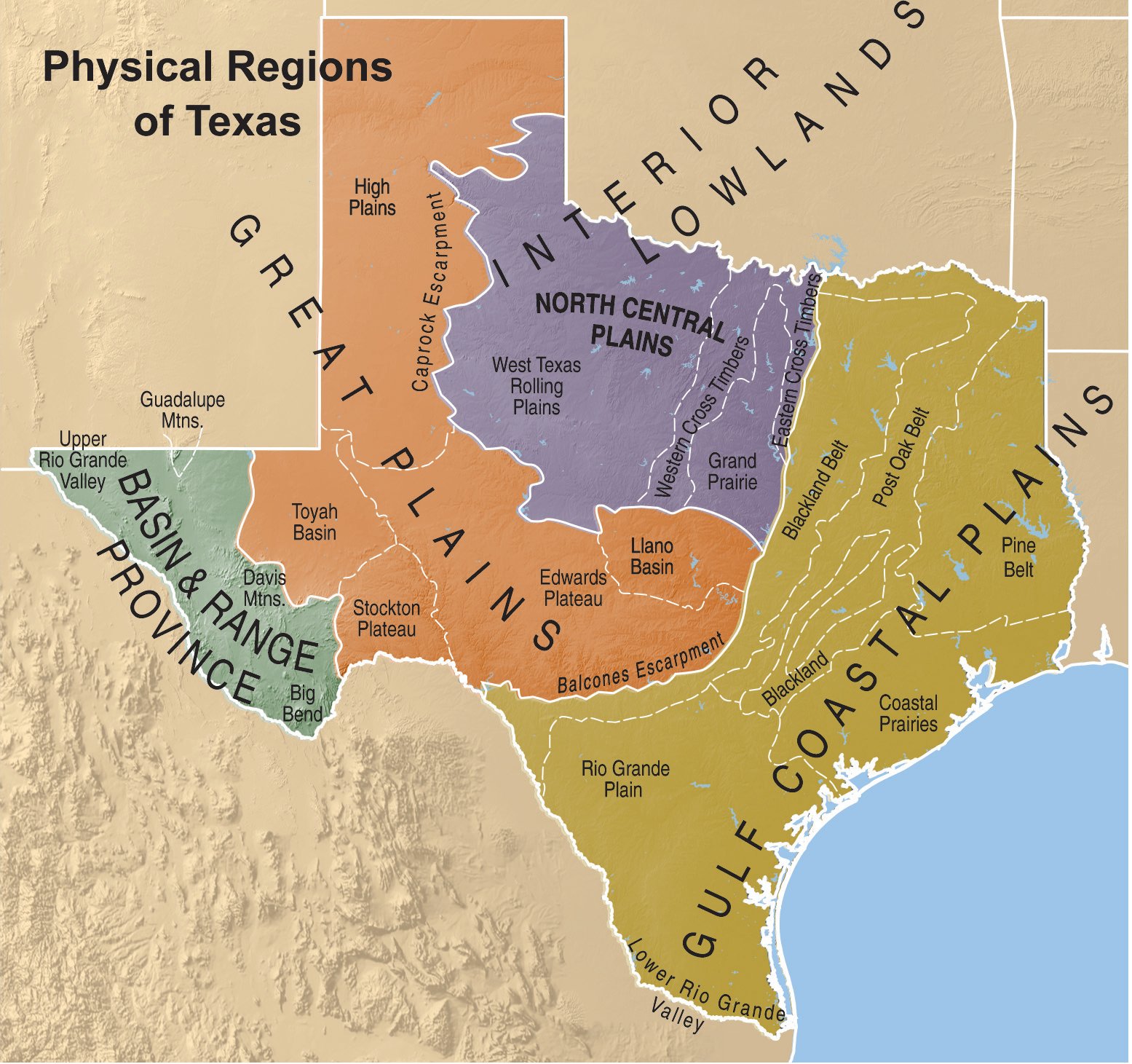
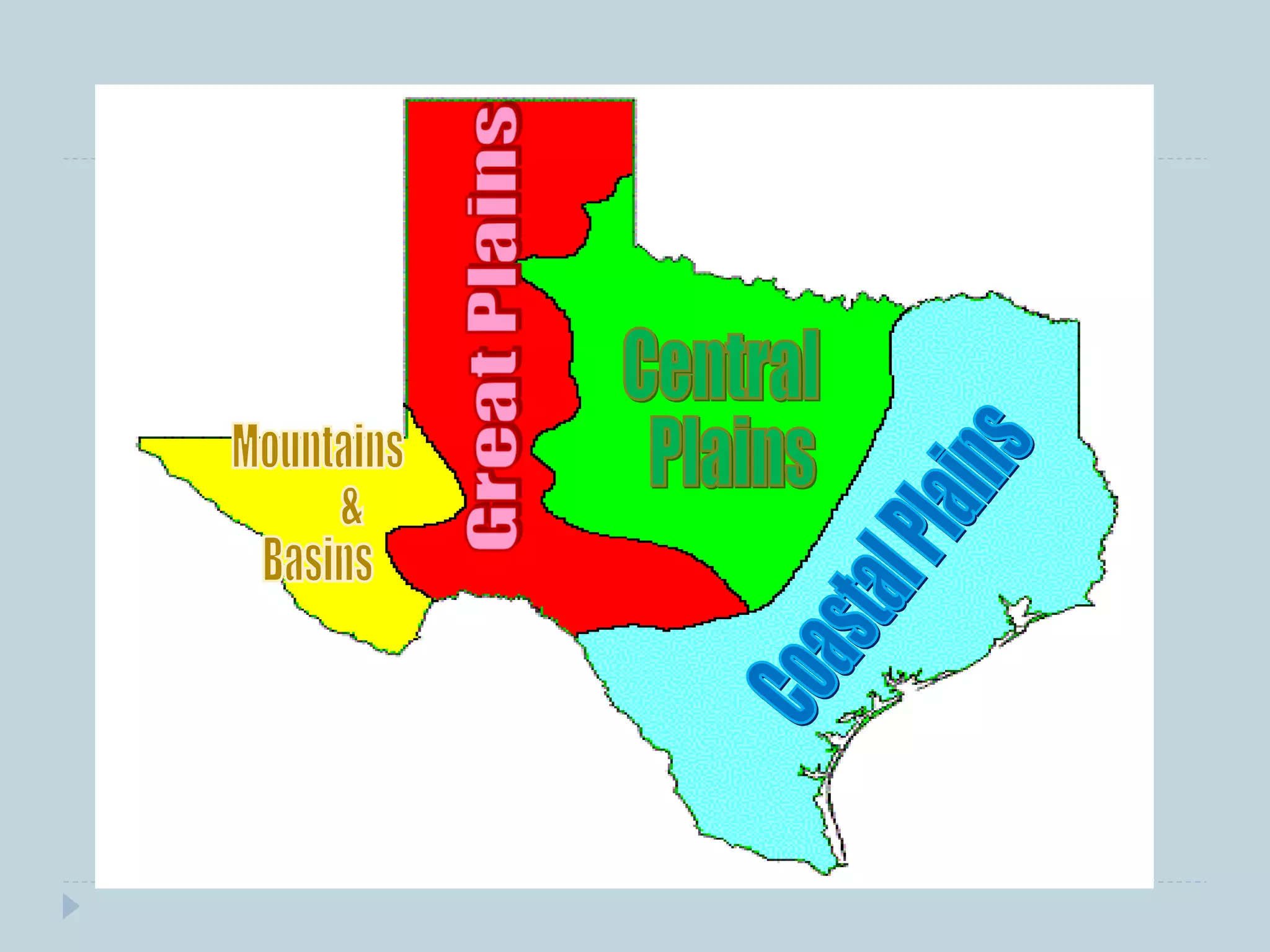
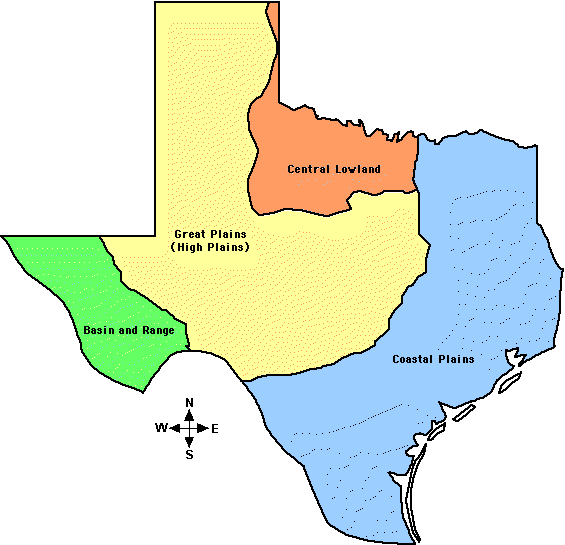
Texas, a state synonymous with vast landscapes, rich history, and a vibrant culture, is often perceived as a singular entity. However, to truly appreciate its diversity and understand its multifaceted appeal, it’s essential to explore its distinct geographical and cultural regions. These divisions aren’t merely lines on a map; they represent unique identities shaped by history, climate, economy, and local traditions. This guide delves into the four primary regions of Texas, offering insights into their defining characteristics, attractions, and the experiences they offer to any discerning traveler.
The Coastal Bend & Gulf Coast
Stretching along the southeastern coastline of Texas, the Gulf Coast region is a realm of shimmering waters, expansive beaches, and a lively maritime spirit. This area is defined by its proximity to the Gulf of Mexico, influencing its climate, economy, and recreational opportunities. The landscape is a captivating blend of sandy shores, bayous, estuaries, and coastal prairies, providing a habitat for a diverse array of wildlife, particularly migratory birds.
Beaches and Coastal Escapes
The allure of the Gulf Coast lies in its numerous barrier islands and stretches of sandy coastline. Galveston Island stands as a historic gem, boasting a Victorian-era charm with its Strand Historic District and the iconic Moody Gardens. Visitors can explore Schlitterbahn Waterpark or simply relax on the beaches. Further south, Corpus Christi offers a vibrant urban coastal experience, home to the Texas State Aquarium and the USS Lexington Museum. The nearby island of Padre Island National Seashore provides an unparalleled natural retreat, offering miles of undeveloped beach perfect for birdwatching, fishing, and camping.
Maritime Heritage and Economy
The maritime industry has long been the backbone of the Gulf Coast. Major ports like Port Houston and Port of Corpus Christi are vital to the state’s economy, handling significant cargo. This industrial presence is complemented by a thriving fishing and seafood industry, offering some of the freshest catches in the state. Travelers can indulge in local delicacies like gulf shrimp and oysters at numerous waterfront restaurants. The region’s history is also deeply intertwined with its coastal location, from pirate legends to its role in naval operations.
Wildlife and Nature
The wetlands and coastal marshes of the Gulf Coast are crucial ecosystems. Aransas National Wildlife Refuge, a wintering ground for the endangered Whooping Crane, is a must-visit for nature enthusiasts. Kayaking and paddleboarding through the bays and estuaries offer intimate encounters with marine life, including dolphins and a rich variety of fish.
The Hill Country & South Central Texas
Nestled in the heart of Texas, the Hill Country and South Central Texas region is a landscape of rolling hills, clear springs, picturesque rivers, and charming small towns. This area is renowned for its natural beauty, its burgeoning wine and craft beer scene, and its rich German and European heritage. It offers a more tranquil and scenic escape compared to the bustling metropolises of other regions.
Natural Wonders and Outdoor Recreation
The defining feature of the Hill Country is its topography. Numerous state parks provide opportunities for hiking, camping, and swimming. Enchanted Rock State Natural Area, with its massive pink granite dome, is a popular destination for climbing and enjoying panoramic views. The Texas Hill Country River region, with rivers like the Guadalupe River, Frio River, and Comal River, is a summer haven for tubing, swimming, and kayaking. The natural springs that feed these rivers, such as Barton Springs Pool in Austin, are also cherished natural attractions.
Charming Towns and Cultural Heritage
The Hill Country is dotted with picturesque towns that exude a unique charm. Fredericksburg, founded by German immigrants, is famous for its wineries, peach orchards, and preserved German culture. Visitors can stroll down Main Street, visit historical sites, and sample local wines. New Braunfels offers a taste of Bavarian culture with its annual Wurstfest, a sausage festival, and the historic Gruene Hall, Texas’s oldest continually operating dance hall. San Antonio, while a major city, is deeply rooted in its South Central Texas heritage, with the iconic Alamo and the vibrant Riverwalk showcasing its Spanish colonial past and lively atmosphere.
Culinary and Beverage Scene
The region has experienced a renaissance in its culinary and beverage offerings. The Hill Country is now a recognized wine-producing area, with numerous vineyards offering tastings and tours. Craft breweries have also sprung up across the region, contributing to a vibrant beer culture. Farm-to-table dining is prevalent, utilizing fresh, local ingredients that reflect the agricultural richness of the area.
The Panhandle Plains & West Texas
The vast expanse of the Panhandle Plains and West Texas embodies the rugged, wide-open spirit of the American West. This region is characterized by its dramatic landscapes, rich oil and ranching history, and a unique blend of Native American, Hispanic, and cowboy cultures. The sheer scale of this territory offers a sense of solitude and awe-inspiring natural beauty.
Vast Landscapes and Geological Wonders
The Panhandle Plains are known for their flat, fertile land, ideal for agriculture and cattle ranching, though they also hold surprising geological formations. The most iconic is the Palo Duro Canyon State Park, often called the “Grand Canyon of Texas,” offering stunning red rock formations, hiking trails, and scenic drives. Further west, West Texas transitions into a more arid and desert-like environment. The Big Bend National Park and the surrounding Big Bend Ranch State Park showcase the dramatic beauty of the Chihuahuan Desert, with rugged mountains, river canyons, and a unique ecosystem.
Ranching, Oil, and Frontier History
The legacy of the cowboy and the ranching industry is deeply ingrained in the Panhandle Plains and West Texas. Large ranches continue to operate, preserving a way of life. The discovery of oil in the early 20th century transformed the region’s economy and landscape, with towns like Midland and Odessa becoming major oil centers. The history of Native American tribes, frontier settlements, and the cattle drives that shaped America are palpable in the museums and historical sites scattered throughout the region.
Arts, Culture, and Unique Destinations
Despite its vastness, West Texas is home to a surprising artistic and cultural vibrancy. Marfa, a small desert town, has become an internationally recognized mecca for contemporary art, attracting artists and collectors with its minimalist galleries, installations like the Prada Marfa sculpture, and the enigmatic Marfa Lights. Nearby Alpine serves as a gateway to the region, with its historic district and connection to Sul Ross State University. The Guadalupe Mountains National Park, home to the highest peak in Texas, Guadalupe Peak, offers challenging hikes and spectacular desert mountain scenery.
East Texas & The Piney Woods
East Texas, often referred to as the Piney Woods, is a region of lush forests, rolling hills, and abundant water resources. This area possesses a distinct Southern charm, influenced by its historical ties to the Confederacy, its timber industry, and its proximity to the Deep South. It stands in stark contrast to the arid landscapes of West Texas.
Forests, Lakes, and Natural Beauty
The defining characteristic of East Texas is its dense pine forests, interspersed with hardwood trees. This verdant landscape is home to numerous state parks and national forests, offering opportunities for outdoor recreation. The region is also dotted with an impressive number of lakes, formed by dams on rivers like the Trinity River and Sabine River. Lakes such as Lake Sam Rayburn, Lake Toledo Bend, and Lake Texoma are popular for fishing, boating, and camping. The Big Thicket National Preserve, a unique ecological region where several major ecosystems converge, is a biodiversity hotspot offering hiking and wildlife viewing.
Southern Heritage and Cultural Influences
East Texas carries a strong Southern cultural identity. Its history is marked by cotton plantations, the timber industry, and a significant role in the discovery of oil at Spindletop. Cities like Tyler, known for its rose gardens, and Nacogdoches, the “Oldest Town in Texas,” offer glimpses into this heritage with their historic architecture and museums. The region’s cuisine often reflects Southern traditions, with comfort food and barbecue being local favorites.
Unique Attractions and Experiences
Beyond its natural beauty, East Texas offers a variety of unique attractions. The Caddo National Grassland offers a different landscape within the region, while the historic Jefferson boasts charming bed and breakfasts and carriage tours through its antebellum homes. The Texas State Railroad between Palestine and Rusk provides a nostalgic journey through the Piney Woods. The vibrant city of Shreveport, Louisiana (though technically outside of Texas, its cultural influence is felt in the eastern parts of the state) offers entertainment and casinos, highlighting the border region’s dynamic character.
LifeOutOfTheBox is a participant in the Amazon Services LLC Associates Program, an affiliate advertising program designed to provide a means for sites to earn advertising fees by advertising and linking to Amazon.com. Amazon, the Amazon logo, AmazonSupply, and the AmazonSupply logo are trademarks of Amazon.com, Inc. or its affiliates. As an Amazon Associate we earn affiliate commissions from qualifying purchases.