
Navigating the landscape of temporary disability in California can seem like a complex undertaking, especially when you’re already dealing with the challenges of an injury or illness. This guide is designed to illuminate the process, ensuring you understand your rights and the steps necessary to secure the benefits you deserve. While the term “temporary disability” is central, it’s crucial to understand that in California, this falls under the umbrella of workers’ compensation. Therefore, this article will focus on the application and claims process within the context of California’s workers’ compensation system, which provides benefits for lost wages due to work-related injuries or illnesses.
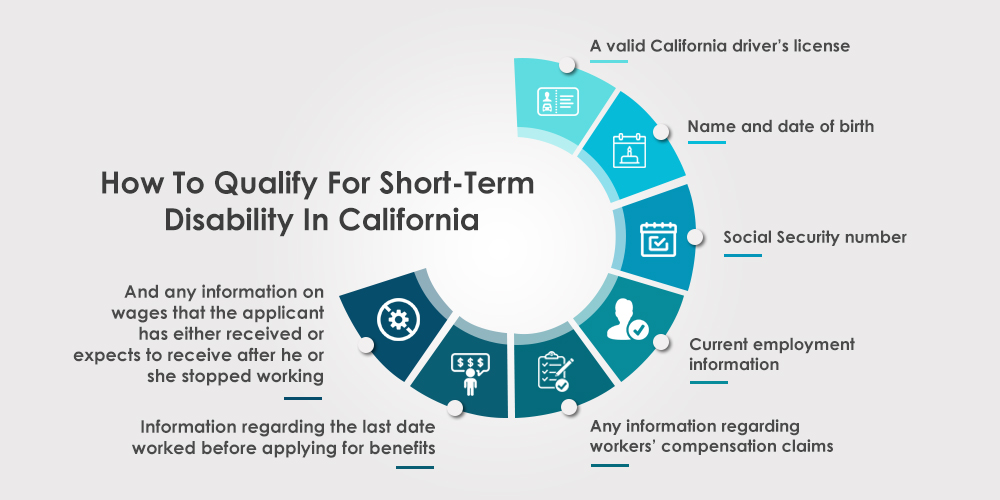
Understanding Temporary Disability in California Workers’ Compensation
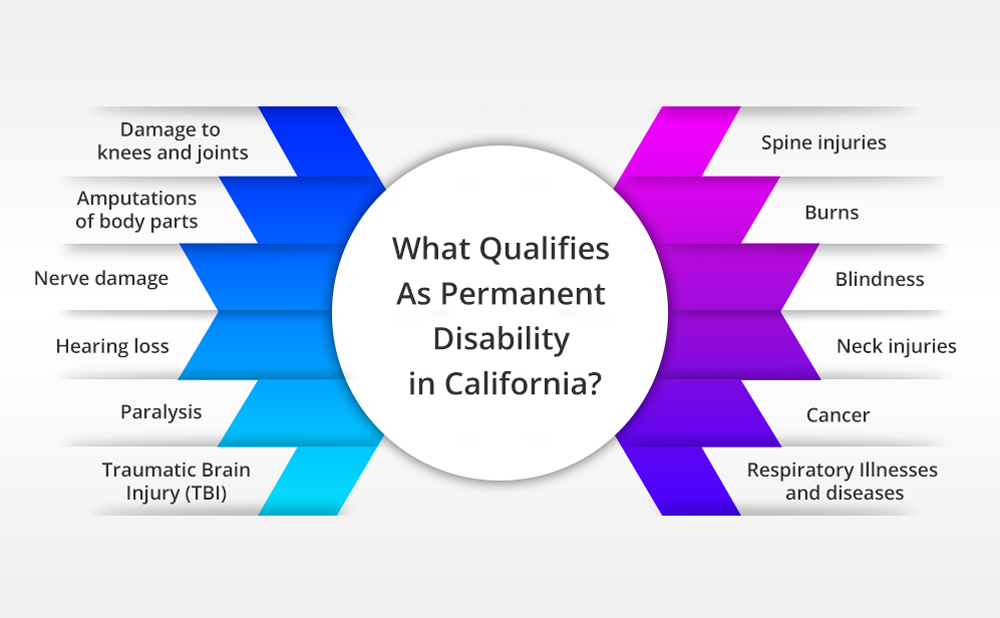
Temporary disability (TD) benefits in California are a crucial component of the workers’ compensation system. They are designed to provide financial support to workers who are unable to perform their usual job duties due to a work-related injury or illness. These benefits are intended to partially replace lost income while the individual is recovering and receiving appropriate medical treatment. It’s important to distinguish TD from permanent disability, which is awarded when an injury results in lasting limitations.
What Constitutes a Work-Related Injury or Illness?
A work-related injury or illness is one that occurs in the course and scope of your employment. This can include:
- Accidents: A sudden, unexpected event that causes harm, such as a slip and fall on a wet floor at the workplace or an injury sustained while operating machinery.
- Repetitive Motion Injuries: Conditions that develop over time due to repeated stress on a body part, like carpal tunnel syndrome from typing or back problems from lifting.
- Occupational Illnesses: Diseases contracted as a result of exposure to hazardous substances or conditions in the workplace, such as respiratory problems from inhaling dust or chemical exposure.
- Aggravation of Pre-existing Conditions: If your work activities worsen a pre-existing medical condition, the aggravation may be considered a work-related injury.
Eligibility for Temporary Disability Benefits
To be eligible for temporary disability benefits in California, you must meet specific criteria:
- Work-Related Injury or Illness: As detailed above, the condition must have originated from your employment.
- Medical Treatment: You must be receiving ongoing medical treatment for your condition, and your treating physician must certify that you are temporarily unable to perform your usual and customary job duties.
- Doctor’s Opinion: A qualified medical evaluator (QME) or your treating physician must provide an opinion stating that your work-related injury or illness is the cause of your temporary disability and that you are medically temporarily disabled.
- Lost Wages: You must have suffered a loss of income because you cannot work due to your injury or illness.
Duration of Temporary Disability Benefits
Temporary disability benefits are paid for the period you are medically and temporarily unable to work. This period generally ends when:
- You are deemed to have reached maximum medical improvement (MMI), meaning your condition is unlikely to improve further with more medical treatment.
- You are able to return to your usual and customary job duties.
- You are able to return to modified or alternative work offered by your employer.
The maximum duration for temporary total disability benefits is typically 104 weeks, although some complex cases may extend to 240 weeks. There are also specific rules for certain conditions like catastrophic injuries or those involving pneumoconiosis.
The Application Process: Filing Your Workers’ Compensation Claim
Initiating a workers’ compensation claim is the first formal step toward receiving temporary disability benefits. Prompt action is crucial, as there are time limits for reporting injuries and filing claims.
Step 1: Reporting Your Injury
Immediately after sustaining a work-related injury or becoming aware of an occupational illness, you must report it to your employer. While the law generally requires reporting within 30 days of the injury or knowledge of the illness, it is best practice to report it as soon as possible.
- Verbal or Written Notification: You can report your injury verbally or in writing. However, a written report (such as an email or a letter) provides better documentation.
- Employer’s Responsibility: Your employer is required to provide you with a Workers’ Compensation Claim Form (DL 440) within one working day of receiving notice of your injury or illness. They should also inform you about your rights and benefits.
Step 2: Completing the Claim Form (DL 440)
The Workers’ Compensation Claim Form (DL 440) is the official document that initiates your claim. It’s essential to fill it out accurately and completely.
- Your Information: Provide your full name, address, phone number, and Social Security number.
- Employer’s Information: Include your employer’s name, address, and phone number.
- Injury Details: Describe how, when, and where the injury occurred. Be specific about the date, time, and location. If it’s an illness, explain the nature of the exposure or condition.
- Body Part Affected: Clearly state which part(s) of your body were injured.
- Medical Treatment Sought: List any medical treatment you have already received.
- Your Signature and Date: Sign and date the form.
Step 3: Submitting the Claim Form
After completing the DL 440, you must sign and date it and give a copy to your employer. Your employer is then required to forward the claim form to their workers’ compensation insurance carrier and file it with the California Department of Industrial Relations, Division of Workers’ Compensation (DWC).
Step 4: Medical Evaluation and Treatment
Once your claim is filed, you will need to seek medical attention for your work-related injury or illness.
- Employer-Designated Physician: Initially, your employer may direct you to a physician from their list of approved medical providers. If your employer has a managed care program, you might be required to see a doctor within that network.
- Seeking Your Own Doctor: If your employer does not have a designated physician or program, or if you have a collective bargaining agreement that allows you to choose your doctor, you may have more flexibility.
- Doctor’s Report: The treating physician will assess your condition, determine if it’s work-related, and decide if you are temporarily disabled. They will provide medical reports supporting your claim, including the doctor’s opinion on your work status. These reports are critical for your temporary disability benefits.
Step 5: Insurance Adjuster Review and Decision
The workers’ compensation insurance carrier will review your claim, including the DL 440 and the medical reports. They will then make a decision on whether to accept or deny your claim.
- Acceptance: If the claim is accepted, you will begin receiving temporary disability payments.
- Rejection: If the claim is denied, you will receive a written explanation. You have the right to appeal a denial.
- Delayed Decision: The insurance adjuster has 90 days from the date the claim form was filed to either accept or deny the claim. If they need more time, they must inform you and provide further updates.
Receiving and Managing Your Temporary Disability Benefits
If your claim is accepted, you can expect to receive temporary disability payments. Understanding how these payments are calculated and managed is important for financial planning during your recovery.
Calculating Your Temporary Disability Rate
Your temporary disability rate is calculated based on your average weekly earnings (AWE) before your injury.
- Two-Thirds of AWE: The TD rate is generally two-thirds of your AWE, subject to statutory minimum and maximum limits.
- Maximum Benefit Rate: There is a maximum weekly benefit rate set by the state, which changes annually. For injuries occurring in 2024, the maximum TD rate is $1,333.33 per week.
- Minimum Benefit Rate: There is also a minimum weekly benefit rate. For injuries occurring in 2024, the minimum TD rate is $168.00 per week.
- Impact of Earnings: If your AWE is low, you might receive the minimum rate. If your AWE is very high, your benefits will be capped at the maximum rate.
When Payments Are Issued
Temporary disability payments are typically issued every two weeks, similar to regular paychecks. The first payment must be made no later than 14 days after the employer has notice of the injury and that the employee has a disability. Subsequent payments are due every two weeks thereafter.
What Happens If Payments Are Delayed or Denied?
If you experience delays in receiving payments or if your payments are stopped without proper notification, it’s essential to take action.
- Contact the Adjuster: First, contact the claims adjuster to understand the reason for the delay or stoppage.
- Seek Assistance: If you cannot resolve the issue directly, you may need to seek assistance from the Division of Workers’ Compensation (DWC). They can provide information and guidance.
- Dispute Resolution: If there is a dispute regarding your benefits, the DWC offers dispute resolution services, including mediation and arbitration.
Your Role in the Medical Recovery Process
While receiving benefits, your active participation in your medical recovery is paramount.
- Attend Appointments: Consistently attend all scheduled medical appointments, physical therapy sessions, and any other treatments prescribed by your doctor.
- Follow Doctor’s Orders: Adhere strictly to your doctor’s instructions regarding activity restrictions, medications, and lifestyle changes.
- Communicate with Your Doctor: Keep your doctor informed about your progress, pain levels, and any new symptoms.
- Cooperate with the Adjuster: Respond promptly to requests from the claims adjuster and provide any necessary documentation.
Potential Challenges and How to Address Them
The workers’ compensation system, while designed to help, can sometimes present challenges. Being prepared can help you navigate these issues effectively.
Disagreements with Medical Opinions
A common challenge arises when there is a disagreement between your treating physician and the insurance carrier’s doctor regarding your condition, work status, or the need for continued treatment.
- Qualified Medical Evaluator (QME): If you and the insurance company cannot agree on medical issues, you have the right to request a Qualified Medical Evaluator (QME). A QME is an independent physician appointed by the state who will conduct an evaluation and issue an opinion that is often binding on the parties.
- Medical-Legal Evaluations: In some cases, you may undergo a medical-legal evaluation, which is similar to a QME evaluation.
Employer Retaliation
It is illegal for an employer to discriminate or retaliate against an employee for filing a workers’ compensation claim.
- What Constitutes Retaliation: This includes firing, demoting, harassing, or otherwise penalizing an employee for exercising their rights under the workers’ compensation system.
- Reporting Retaliation: If you believe you have experienced retaliation, you can file a complaint with the DWC or seek legal counsel.
Delays in Claim Processing
As mentioned earlier, claim processing can sometimes be slow.
- Documentation: Keep meticulous records of all communications, medical appointments, and submitted forms.
- Proactive Follow-up: Regularly follow up with your claims adjuster to inquire about the status of your claim.
- DWC Assistance: If delays are persistent and unreasonable, the DWC can be a resource for assistance.

Navigating the Legal System
For complex cases, disputes, or if you feel your rights are not being protected, consulting with a workers’ compensation attorney is highly recommended.
- Legal Expertise: Attorneys specializing in California workers’ compensation have a deep understanding of the laws, procedures, and common pitfalls.
- Representation: They can represent you in all aspects of your claim, from negotiations with the insurance company to appearances before administrative law judges.
- Contingency Fees: Most workers’ compensation attorneys work on a contingency fee basis, meaning they only get paid if they successfully recover benefits for you.
Applying for temporary disability in California through the workers’ compensation system requires diligence and an understanding of the process. By knowing your rights, meticulously documenting your claim, and seeking appropriate medical care and advice, you can effectively navigate this system and secure the benefits necessary for your recovery. Remember, the goal of temporary disability is to provide a financial bridge while you heal and prepare to return to work or engage in vocational rehabilitation if needed.
LifeOutOfTheBox is a participant in the Amazon Services LLC Associates Program, an affiliate advertising program designed to provide a means for sites to earn advertising fees by advertising and linking to Amazon.com. Amazon, the Amazon logo, AmazonSupply, and the AmazonSupply logo are trademarks of Amazon.com, Inc. or its affiliates. As an Amazon Associate we earn affiliate commissions from qualifying purchases.