
California — the Golden State — is synonymous with innovation, opportunity, and an unparalleled lifestyle that draws people from every corner of the globe. From the sun-drenched beaches of Southern California to the majestic redwoods of the north, and from the bustling urban hubs of Los Angeles and San Francisco to the serene vineyards of Napa Valley, this state offers a diverse tapestry of experiences. For many, it’s not just a travel destination but a place to build a life, a career, and even a legacy. If you’re a skilled professional contemplating a move or a career transition, particularly in the thriving construction sector, understanding how to obtain a contractor’s license in California is an essential first step. This guide is designed to illuminate that path, connecting the practicalities of professional licensing with the broader appeal of living and working in one of the world’s most dynamic economies.
Charting Your Course: Why California Calls for Licensed Professionals
California’s economy is robust, characterized by constant growth and development across various sectors, including real estate and construction. This sustained activity fuels a high demand for qualified contractors who can contribute to new projects, renovations, and the maintenance of the state’s vast infrastructure. For individuals seeking a lifestyle that balances professional ambition with access to unparalleled natural beauty, cultural diversity, and economic opportunity, becoming a licensed contractor in California presents a golden ticket.
A Golden Opportunity for Lifestyle and Career
Imagine a career where your expertise directly shapes the environment around you, from luxury villas overlooking the Pacific Ocean in Santa Barbara to cutting-edge commercial spaces in Silicon Valley. A contractor’s license in California isn’t just a piece of paper; it’s a gateway to diverse projects, higher earning potential, and the autonomy that comes with running your own business. It allows you to contribute to the state’s vibrant growth while enjoying the flexibility to explore its myriad attractions. Perhaps your work takes you to San Diego for a resort renovation, offering weekends to enjoy its famous zoo and beaches, or to the foothills of the Sierra Nevada near Lake Tahoe for a mountain home build, providing ample opportunities for skiing or hiking. This profession truly offers a blend of professional challenge and lifestyle enrichment that is hard to match.
Moreover, the construction industry in California is perpetually evolving, driven by innovative architectural trends, sustainable building practices, and the continuous need for modernizing infrastructure. Licensed contractors are at the forefront of these developments, ensuring that new structures are not only aesthetically pleasing but also meet stringent safety and environmental standards. This commitment to quality and professionalism directly benefits the residents and millions of tourists who visit California each year, ensuring that the state’s facilities, from public transportation to private accommodations, are built to last and impress.
The Backbone of California’s Iconic Landscapes and Accommodations
Think about the world-class hotels, exquisite resorts, and unique accommodations that define California’s hospitality scene. From boutique hotels in Palm Springs to sprawling beachfront resorts, each structure represents the meticulous work of skilled contractors. Whether it’s the intricate design of a luxury suite, the foundational stability of a multi-story building, or the sophisticated electrical systems powering a modern resort, licensed contractors are the unsung heroes behind these architectural marvels.
These professionals are crucial not only for new construction but also for the preservation and renovation of California’s historic landmarks and tourist attractions. Maintaining the integrity of these sites while upgrading them for contemporary use requires a specific set of skills and, critically, a valid contractor’s license. By becoming a licensed contractor, you’re not just building structures; you’re actively contributing to the state’s allure, enhancing the visitor experience, and ensuring that California remains a premier destination for both leisure and business travelers. The quality of our travel experiences often hinges on the quality of infrastructure and accommodation, and licensed contractors are integral to upholding these standards.
Navigating the Essentials: Key Requirements for Aspiring Contractors
Before you can even apply for a contractor’s license in California, there are several fundamental requirements you must meet. These prerequisites are designed to ensure that all licensed contractors possess a baseline level of experience, integrity, and competence, protecting both consumers and the reputation of the industry.
Foundation First: Age, Identification, and Experience
To be eligible for a contractor’s license in California, you must satisfy the following basic criteria:
- Age: You must be at least 18 years old. This ensures that applicants have reached legal adulthood and are capable of entering into binding contracts and managing the responsibilities of a business.
- Identification: You must have a Social Security Number (SSN) or Individual Taxpayer Identification Number (ITIN). This is a standard requirement for most professional licenses in the United States, facilitating background checks and tax compliance.
- Experience: This is arguably the most critical requirement. You must have at least four full years (48 months) of verifiable experience at a journeyman level or higher in the classification for which you are applying. This experience must be obtained within the last 10 years. What constitutes “journeyman level or higher”?
- Journeyman: A person who has completed an apprenticeship program or is experienced in a trade, capable of performing tasks unsupervised.
- Foreman: A person who supervises other employees and typically works under a superintendent or project manager.
- Supervising Employee: An individual who has the authority to direct the work of others on a construction project.
- Contractor: Experience gained as a licensed contractor in another state (or California for an additional classification) can also count.
- Owner-Builder: Experience acquired while building or improving your own property can sometimes count, but it must be detailed and verifiable.
This emphasis on practical experience underscores California’s commitment to ensuring that its licensed professionals have hands-on knowledge and a proven track record. It’s not just about theoretical understanding; it’s about having the skills to execute projects safely and effectively, from a small-scale home renovation to the construction of a large hotel.
Proving Your Prowess: Documenting Your Expertise
The Contractors State License Board (CSLB) – the agency responsible for licensing and regulating contractors in California – requires thorough documentation of your experience. This isn’t a formality; it’s a critical step in verifying your qualifications. When you submit your application, you’ll need to provide detailed information about your work history. This typically involves:
- Work Experience Certification: You will need to identify individuals who can certify your experience, such as other licensed contractors, employers, foremen, superintendents, or even clients if you worked as an owner-builder. These individuals will sign off on your experience, detailing the type of work performed, the duration, and your role.
- Detailed Descriptions: Simply stating “worked in construction” won’t suffice. You’ll need to describe the specific tasks you performed, the tools and techniques you used, and how your experience aligns with the classification you’re seeking. For instance, if applying for a plumbing license, you’d detail pipe installation, fixture repair, system design, and adherence to codes.
- Supporting Documentation: While not always mandatory, providing supporting documents like pay stubs, W-2 forms, contracts, permits, or client testimonials can strengthen your application, especially if your certifiers are difficult to reach or if your experience is from an owner-builder project.
The CSLB takes experience verification seriously, sometimes conducting audits or contacting certifiers directly. This rigorous process is in place to protect the public, ensuring that only genuinely qualified individuals are granted the privilege of holding a California contractor’s license. It means that when you hire a licensed contractor for your property in California, whether it’s a vacation rental or a permanent residence, you can trust their foundational expertise.
The Journey Through Application and Examination
Once you’ve confirmed you meet the experience requirements, the next phase involves navigating the formal application process and successfully passing the required examinations. This stage demands attention to detail and dedicated preparation.
Step-by-Step: From Application to Fingerprints
The application process is administrative but crucial. It generally follows these steps:
- Obtain and Complete the Application: You can download the “Application for Original Contractor’s License” from the CSLB website. Fill it out completely and accurately, ensuring all sections related to your experience, business information, and classifications are correct.
- Submit the Application and Fee: Mail your completed application along with the non-refundable application fee to the CSLB. The fee covers the processing of your application, and it’s essential to check the current fee schedule as it can change.
- Background Check and Fingerprinting: All applicants, including each partner, officer, or managing employee, must undergo a criminal background check. After the CSLB processes your application, they will send you instructions for fingerprinting (Live Scan). You must complete this at an approved Live Scan vendor in California. This background check ensures that individuals holding a public license uphold certain standards of conduct and helps maintain consumer trust in the contracting industry.
- Application Processing Time: Be prepared for a waiting period. The CSLB processes a high volume of applications, and it can take several weeks or even months for your application to be reviewed and for you to receive your “Notice to Appear for Examination.”
Conquering the Exams: Trade and Law & Business Acumen
Once your application is approved and you’ve cleared the background check, the CSLB will schedule you for your examinations. Most applicants will need to pass two distinct exams:
-
Law and Business Examination: This exam covers essential business knowledge relevant to operating a contracting business in California. Topics include:
- Business Organization
- Business Financials
- Employment Requirements
- Contracts
- Licensing Requirements
- Safety
- Construction Liens and Payments
- Public Works
Understanding these aspects is crucial for any business, whether it’s managing a team building a new hotel in San Francisco or renovating a historic home in Sacramento.

- Trade Examination: This exam focuses on the specific knowledge and skills required for the particular classification of license you are seeking (e.g., General Building, Electrical, Plumbing). It tests your practical understanding of construction methods, materials, codes, and safety procedures pertinent to your trade. For example, a General Building (B) contractor’s exam would cover framing, concrete, roofing, and general project management, while an Electrical (C-10) exam would delve into wiring, circuitry, and code compliance.
Exam Details:
- Both exams are closed-book, multiple-choice, and administered via computer.
- You will be given a specific time limit for each exam.
- A minimum score of 70% is required to pass each exam.
- Rescheduling: If you don’t pass an exam, you can reschedule it, typically after a waiting period and often for an additional fee. You usually have 18 months from the date your application is accepted to pass both exams.
Thorough preparation is key. Many applicants invest in study guides, courses, or online resources specifically designed for the California contractor exams. These resources often provide practice tests and detailed explanations of the topics covered, significantly increasing your chances of success.
Securing Your Status: Post-Exam Procedures and Ongoing Commitments
Passing the exams is a significant hurdle overcome, but a few more steps are necessary before your license is officially issued and operational. Furthermore, maintaining your license requires ongoing commitment to professional standards.
The Final Touches: Bonding, Insurance, and License Issuance
Once you’ve passed both required examinations, you’re on the home stretch. The CSLB will notify you of the final requirements to officially activate your license:
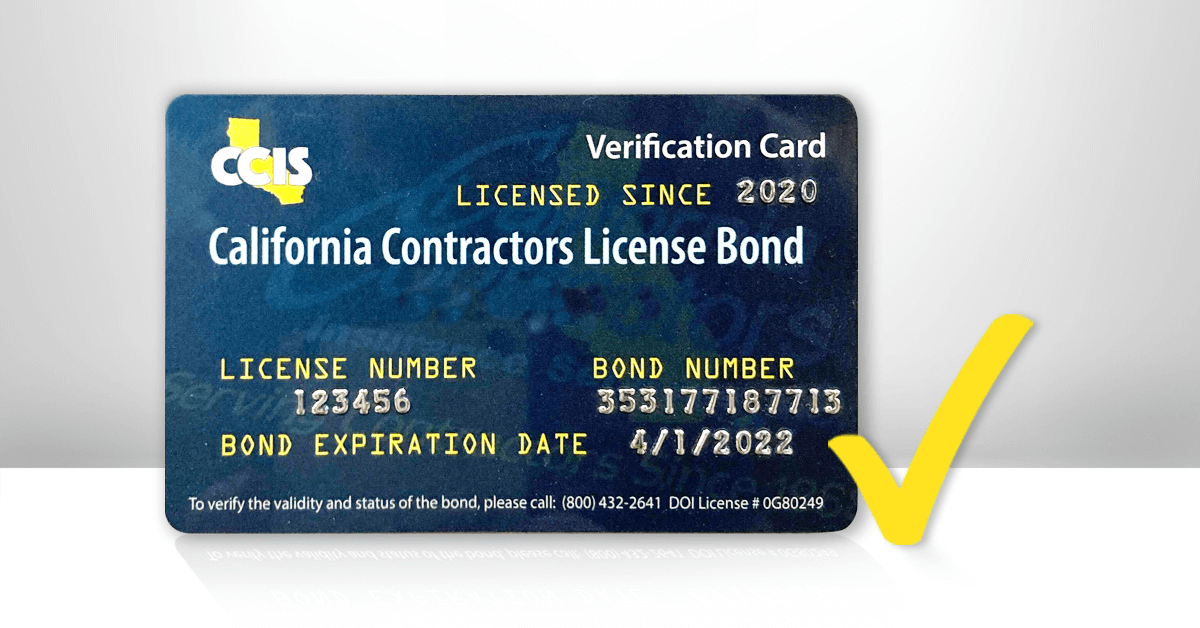
- Contractor Bond: All licensed contractors in California must file a contractor bond with the CSLB. This bond is a form of consumer protection, providing financial recourse for clients who suffer damages due to a contractor’s faulty work or failure to complete a project. The bond amount is mandated by state law and is subject to change, so always check the current requirements.
- Bond of Qualifying Individual (BQI) (If Applicable): If your experience was certified by a “Qualifying Individual” who is not an owner or partner in your business, an additional BQI might be required.
- Workers’ Compensation Insurance (If Applicable): If you will have employees, you are legally required to carry workers’ compensation insurance. This insurance protects your employees in case of work-related injuries or illnesses and must be kept current. Even if you don’t initially plan to hire employees, it’s wise to understand this requirement for future business growth. If you do not plan to hire employees, you can typically file an exemption.
- License Issuance: Once all bonds, insurance certificates (if needed), and other final documents are received and approved by the CSLB, your contractor’s license will be issued. You will receive a wall certificate and a pocket card, officially granting you the privilege to operate as a licensed contractor in California.
This rigorous process, from experience verification to bonding and insurance, reinforces the integrity of the California contracting industry. It ensures that when a homeowner or a business invests in construction services, they are engaging with a professional who is not only skilled but also financially responsible and accountable.
Sustaining Your Craft: Renewals and Professional Growth
Obtaining your license is a milestone, but it also marks the beginning of your journey as a licensed professional. To maintain your active status, you must adhere to ongoing requirements:
- License Renewal: Contractor licenses in California are typically issued for two-year periods. You must renew your license before its expiration date to avoid penalties or inactivation. The CSLB will usually send renewal notices as a courtesy, but it remains your responsibility to track your expiration date.
- Continuing Education (If Applicable): While California does not currently require continuing education for most contractor classifications, it’s always wise to stay informed about any legislative changes. Even without a mandate, continuous professional development, attending industry seminars, and staying updated on building codes and new technologies are crucial for staying competitive and providing the best service.
- Maintaining Bonds and Insurance: Your contractor bond and, if applicable, workers’ compensation insurance must remain active and current throughout your licensure period. Lapses can lead to license suspension.
- Adherence to Regulations: Licensed contractors are expected to operate ethically and in full compliance with all state and local laws, including consumer protection regulations.
By fulfilling these ongoing commitments, you ensure your continued ability to contribute to California’s vibrant economy, undertake exciting projects, and enjoy the fulfilling lifestyle that comes with a successful contracting career in this beautiful state.
Unlocking Diverse Opportunities: Categories of California Contractor Licenses
California’s construction landscape is incredibly diverse, mirroring the state’s varied geography and economy. To address this, the CSLB categorizes licenses into different classes, each specifying the scope of work a contractor is legally permitted to perform.
Generalists and Specialists: Class A, B, and C Defined
Understanding these classifications is vital for applying for the correct license that aligns with your experience and career aspirations:
-
Class A – General Engineering Contractor: This license is for contractors whose principal business is in connection with fixed works requiring specialized engineering knowledge and skill. This includes projects such as:
- Dams, bridges, roads, highways, and tunnels.
- Pipelines, water, sewage, and drainage systems.
- Irrigation works and flood control.
- Railroads and airports.
- River and harbor improvements.
- Earthmoving and grading.
Essentially, Class A contractors handle large-scale public and private infrastructure projects that shape the very fabric of California’s environment and support its tourism and travel industries.
-
Class B – General Building Contractor: The most common type of contractor, a Class B licensee typically undertakes projects that require the use of at least two unrelated building trades or crafts. This is often referred to as “rough and finish” work. General building contractors are authorized to construct or remodel structures, for example:
- Residential homes, apartment complexes, and condominiums.
- Commercial buildings, offices, and retail spaces.
- Hotels, motels, and other accommodation facilities.
- This classification generally allows for oversight of entire building projects, coordinating various subcontractors.
If you dream of building bespoke luxury homes in Malibu or developing cutting-edge commercial spaces in downtown Los Angeles, the Class B license is likely your target.
-
Class C – Specialty Contractor: There are 42 distinct Class C specialty licenses, each covering a specific trade or craft. These contractors typically work on projects that involve only one particular trade. Examples include:
- C-2 Electrical Contractor: Installation and repair of electrical wiring, fixtures, appliances, and systems.
- C-10 Plumbing Contractor: Installation and repair of plumbing systems, including water supply, drainage, gas, and sanitation.
- C-20 HVAC Contractor: Heating, ventilation, air conditioning, and refrigeration systems.
- C-36 Roofing Contractor: Installation and repair of roofs.
- C-27 Landscaping Contractor: Design, installation, and maintenance of landscape systems.
- C-33 Painting and Decorating Contractor: Application of paints, coatings, and finishes.
- And many more, from concrete (C-8) and drywall (C-9) to glazing (C-17) and structural steel (C-51).
Specialty contractors are essential for every project, providing the detailed expertise that makes a structure functional, beautiful, and compliant with specific codes. They are the artisans and technicians who bring intricate details to life in homes, hotels, and commercial venues across the state.
You may hold multiple classifications, but you must meet the experience and pass the trade exam for each classification you seek. This multi-faceted licensing system ensures that regardless of the complexity or specificity of a construction project, California has licensed professionals equipped to handle it with competence and accountability.
Investing in Your Future: Understanding the Costs Involved
Obtaining a contractor’s license in California involves several financial outlays. While these are investments in your professional future, it’s important to budget for them:
- Application Fee: This non-refundable fee is paid when you submit your initial application to the CSLB.
- Examination Fee: Charged for each scheduled examination attempt (Law & Business and Trade). If you need to retake an exam, you’ll incur this fee again.
- Fingerprinting (Live Scan) Fee: The cost for the Live Scan service, paid directly to the Live Scan provider.
- License Issuance Fee: Paid once you’ve passed the exams and met all other requirements, this fee activates your license.
- Contractor Bond Cost: The premium for your contractor bond (and BQI if applicable) is an ongoing expense, typically paid annually to a surety company. The cost varies based on the bond amount and your creditworthiness.
- Workers’ Compensation Insurance: If required, the cost of workers’ comp insurance varies widely based on the number of employees, their classifications, and your company’s claims history.
- Study Materials/Courses: While optional, investing in quality study guides, online courses, or exam preparation workshops can significantly improve your chances of passing the exams on the first attempt, potentially saving you money on retake fees.
While these costs can accumulate, they are a necessary investment in securing a valuable license that opens doors to significant earning potential and a fulfilling career within California’s thriving construction industry. For many, the benefits of professional autonomy, higher wages, and the ability to contribute to the Golden State’s magnificent built environment far outweigh the initial investment.
In conclusion, embarking on the journey to become a licensed contractor in California is a strategic move for those seeking a dynamic career paired with an enviable lifestyle. It’s a path that demands dedication, experience, and a commitment to professional excellence, but one that richly rewards those who successfully navigate its requirements. With a California contractor’s license, you’re not just building structures; you’re building a future in one of the world’s most exciting destinations.
LifeOutOfTheBox is a participant in the Amazon Services LLC Associates Program, an affiliate advertising program designed to provide a means for sites to earn advertising fees by advertising and linking to Amazon.com. Amazon, the Amazon logo, AmazonSupply, and the AmazonSupply logo are trademarks of Amazon.com, Inc. or its affiliates. As an Amazon Associate we earn affiliate commissions from qualifying purchases.