
For many travelers, especially those who envision exploring the vast and diverse landscapes of the Lone Star State at their own pace, understanding the nuances of a Texas driver’s license is paramount. While the primary function of this document is to authorize an individual to operate a motor vehicle, its “class” designation can hold implications beyond just driving. This article delves into the classification of a standard driver’s license in Texas, focusing on its relevance within the broader context of Travel. Understanding these classifications can streamline your journey, whether you’re a local resident planning a road trip or an international visitor preparing to rent a car and discover hidden gems across the state.

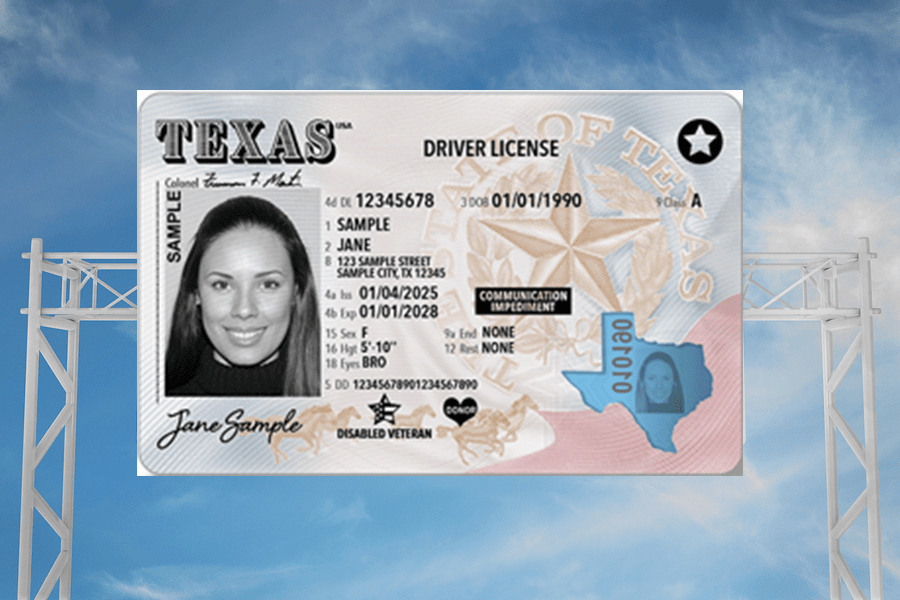
The Standard Texas Driver’s License: Class C
In the state of Texas, the most common and therefore “regular” driver’s license issued to individuals for the operation of standard passenger vehicles is designated as Class C. This classification is the workhorse of personal transportation and is what most people obtain when they first learn to drive or when renewing their existing license for typical use.
Defining Class C
A Class C license permits the holder to drive a single vehicle with a gross vehicle weight rating (GVWR) of less than 26,001 pounds. This encompasses the vast majority of passenger cars, SUVs, pickup trucks, and vans that individuals commonly use for personal travel and everyday errands. Crucially, a Class C license also allows the operation of a vehicle that is designed to transport 15 or fewer passengers, including the driver. This means that if you are planning to rent a standard minivan for a family excursion to Big Bend National Park or a sedan for a city exploration of Austin, your Class C license will suffice.
What Class C Does NOT Cover
It is important to note what a Class C license does not authorize. It does not permit the operation of:
- Vehicles with a GVWR of 26,001 pounds or more (such as large commercial trucks).
- Vehicles designed to transport 16 or more passengers, including the driver (such as large passenger vans or buses).
- Motorcycles (which require a separate Class M license).
- Vehicles carrying hazardous materials in quantities requiring placards.
For the average traveler intending to rent a car for sightseeing or a road trip through the scenic Hill Country, the Class C license is precisely what you will need. It is the gateway to independent exploration across the diverse terrains and vibrant cities of Texas.
International Visitors and Texas Driver’s Licenses
For international travelers planning an extended stay or those who prefer the freedom of self-driving tours, understanding how their foreign license interacts with Texas regulations is vital. While Texas does not require visitors to obtain a Texas driver’s license for short tourist visits, there are important considerations.
Short-Term Visits
If you are visiting Texas for a vacation or a business trip that is relatively short in duration (typically less than 90 days, though specific rules can apply), and you possess a valid driver’s license from your home country, you can generally use that license to drive rental vehicles within the state. This is a common practice for tourists wanting to explore attractions like the Alamo in San Antonio or visit family in smaller towns.
Requirements for International Drivers

However, even with a valid foreign license, it is advisable to carry your passport and a copy of your visa (if applicable) at all times while driving. Many rental car agencies will also require an International Driving Permit (IDP) in conjunction with your home country’s license, especially if your license is not in English. The IDP serves as a translation of your domestic license and is a widely recognized document for travelers. It’s always best to check with your chosen rental car company in Texas for their specific requirements regarding foreign licenses and IDPs.
When a Texas License Becomes Necessary
If your stay in Texas extends beyond a certain period (typically 90 days for non-residents), or if you establish residency, you will be required by law to obtain a Texas driver’s license. This process involves visiting a Texas Department of Public Safety (DPS) Driver License office, passing vision and knowledge tests, and potentially a driving skills test, depending on your prior driving experience.
Special Licenses and Their Relevance to Travel
While Class C is the standard, Texas also issues other license classes that might be relevant to certain travel scenarios, though less common for the typical tourist.
Class A and Class B Licenses
- Class A: This license is for operating combinations of vehicles where the combined gross vehicle weight rating (GVWR) is 26,001 pounds or more, provided the GVWR of the vehicle being towed is in excess of 10,000 pounds. This is typically for commercial truckers or those operating large recreational vehicles (RVs) that exceed these weight limits. For a standard road trip exploring national parks like Guadalupe Mountains National Park, a Class A is not necessary unless you are towing a significantly large trailer.
- Class B: This license is for operating a single vehicle with a GVWR of 26,001 pounds or more, or any such vehicle towing a vehicle with a GVWR not in excess of 10,000 pounds. This includes larger buses and straight trucks. Again, this is generally for commercial purposes or operating larger specialized vehicles.
Class M Licenses
- Class M: This license is specifically for operating motorcycles. If your travel plans in Texas involve renting and riding a motorcycle to explore the open roads and scenic byways, you will need to obtain a Class M license in addition to or instead of a Class C, depending on your needs. This requires passing a separate motorcycle knowledge test and a driving skills test on a motorcycle.
The Importance of Licensing for Safe and Legal Travel
Understanding the classification of your driver’s license is not merely a bureaucratic detail; it is fundamental to ensuring safe and legal travel across Texas. Operating a vehicle for which you are not properly licensed can lead to serious consequences, including fines, license suspension, and invalidation of insurance coverage.
Vehicle Rental and Insurance
When you rent a vehicle in Texas, the rental agency will verify that you possess a valid driver’s license of the appropriate class for the vehicle you intend to drive. For standard passenger vehicles, a Class C license or an equivalent valid foreign license with an IDP is generally sufficient. Attempting to rent a vehicle that requires a higher class license (e.g., a large RV that classifies as a Class A vehicle) with only a Class C license will result in denial of the rental. Furthermore, insurance policies are often voided if the driver is not legally licensed to operate the vehicle.
Navigating Texas Roads
Texas is a vast state with an extensive network of highways and byways, from the bustling streets of Dallas to the quiet country roads leading to charming small towns. Having the correct driver’s license ensures you can confidently and legally explore all that Texas has to offer, whether it’s a scenic drive along the coast or a journey through the heart of the state’s rich cultural tapestry. For most travelers who are not intending to operate commercial vehicles or motorcycles, the Class C license is your key to unlocking the freedom of the open road in Texas.
LifeOutOfTheBox is a participant in the Amazon Services LLC Associates Program, an affiliate advertising program designed to provide a means for sites to earn advertising fees by advertising and linking to Amazon.com. Amazon, the Amazon logo, AmazonSupply, and the AmazonSupply logo are trademarks of Amazon.com, Inc. or its affiliates. As an Amazon Associate we earn affiliate commissions from qualifying purchases.