
This question, while seemingly straightforward, delves into a complex and often misunderstood aspect of Puerto Rico‘s relationship with the United States. For travelers considering a visit, or those simply curious about the political status of this vibrant Caribbean island, understanding the citizenship of its inhabitants is crucial for grasping its unique identity and its position within the broader American sphere. The answer, in essence, is yes, but the historical and political context surrounding this fact is what truly defines the experience of being Puerto Rican and traveling to Puerto Rico.
A Constitutional Mandate: Birthright Citizenship
The foundation of Puerto Rican citizenship lies in the Jones-Shafroth Act of 1917. This landmark legislation, enacted by the U.S. Congress, officially granted statutory citizenship of the United States to the inhabitants of Puerto Rico. Prior to this act, Puerto Ricans were considered nationals of the United States, a status that carried certain rights but lacked the full implications of citizenship.
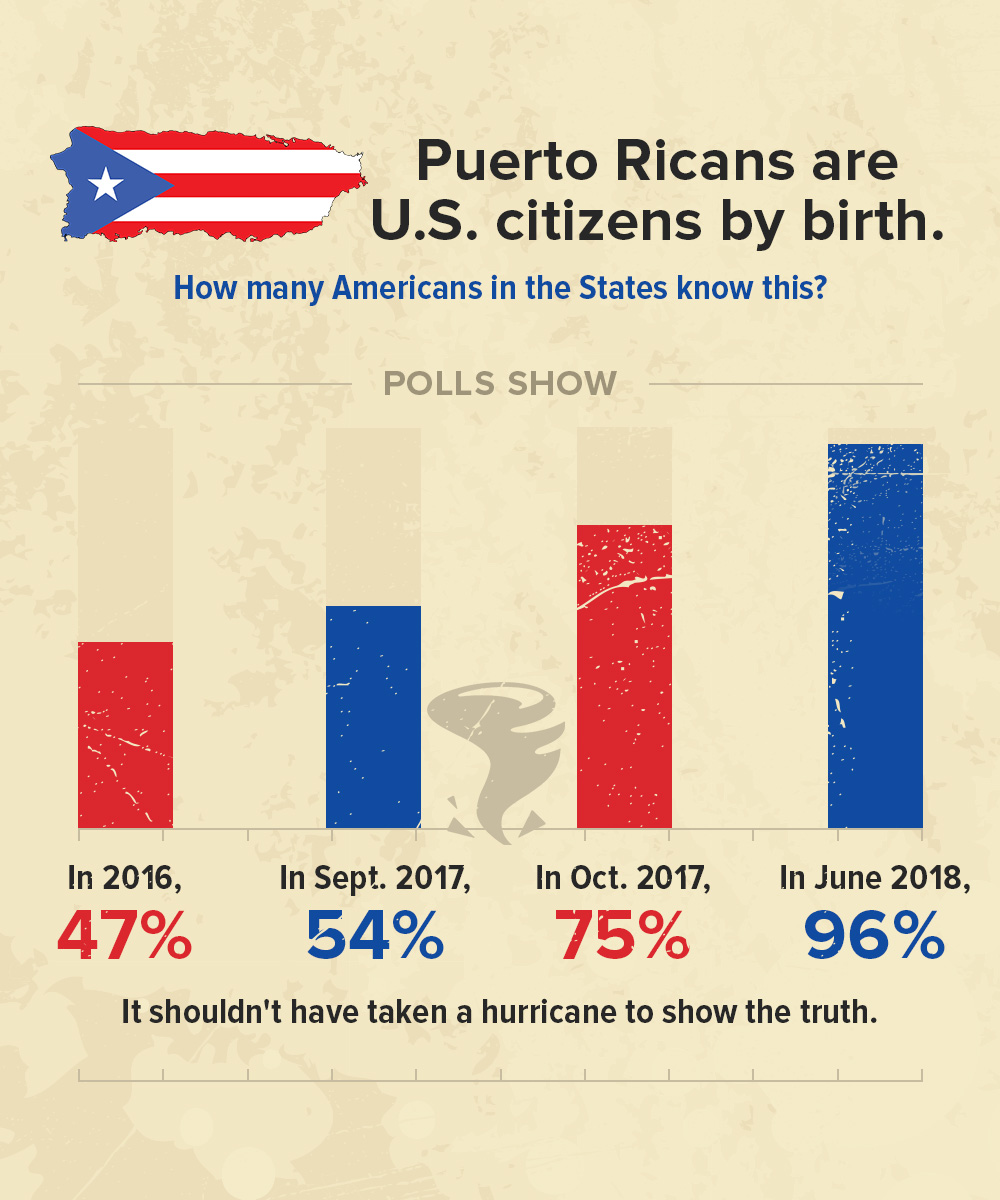
The 1917 Act was a significant turning point, driven by a desire to solidify the island’s relationship with the mainland and, in part, by the exigencies of World War I, which saw many Puerto Ricans enlisting in the U.S. Army. The collective naturalization granted by this act meant that individuals born in Puerto Rico on or after April 11, 1899 (the date of ratification of the Treaty of Paris, which ceded Puerto Rico from Spain to the United States) were automatically considered U.S. citizens.
This birthright citizenship is a cornerstone of the U.S. Constitution. It means that, like individuals born in any of the 50 states or in Washington D.C., Puerto Ricans are born with the full rights and responsibilities of U.S. citizenship. This includes the right to vote in federal elections (though Puerto Rico residents cannot vote for the President in general elections, they can vote in primaries), the right to serve in the U.S. military, and the right to travel freely between Puerto Rico and the mainland United States without passports or visas.
Historical Context and Evolution of Status
The journey to statutory citizenship was not a simple one. After the Spanish-American War in 1898, Puerto Rico became a U.S. territory. The initial status of its inhabitants was a subject of debate and legal interpretation. The Insular Cases, a series of U.S. Supreme Court rulings in the early 20th century, established that U.S. territories were not incorporated into the United States in the same way as states. This led to the distinction between U.S. citizens and U.S. nationals.
The Jones-Shafroth Act was, therefore, a deliberate legislative act to grant full citizenship. It was a response to the evolving understanding of the island’s place within the American political landscape and the desire to grant its people a more concrete status. The act was later amended by the Nationality Act of 1940, which further clarified and codified U.S. citizenship laws, reaffirming the status of Puerto Ricans.
Subsequent legislative actions have continued to shape the island’s relationship with the U.S., most notably the Promised to the People Act of 1950 and the Puerto Rico Federal Relations Act of 1952, which established a local constitution and a degree of self-governance. However, these acts did not alter the fundamental citizenship status granted in 1917.
Implications for Travelers and Residents
The fact that Puerto Ricans are U.S. citizens has profound implications for anyone traveling to or from the island, as well as for those who choose to reside there.
Travel and Mobility
For travelers from the mainland United States, visiting Puerto Rico is akin to traveling to another state. There are no passport requirements, no customs checks at the point of entry, and no need for visas. This ease of travel makes Puerto Rico an accessible and attractive destination for millions of Americans seeking a tropical getaway. The currency is the U.S. dollar, and local infrastructure, such as telecommunications and banking, largely aligns with mainland standards.
Similarly, Puerto Ricans can move freely to and from the mainland. This mobility has led to significant migration patterns over the decades, with many Puerto Ricans establishing residency in states like Florida, New York, and Texas. This constant flow of people contributes to the rich cultural tapestry of both Puerto Rico and the communities they join on the mainland.
Rights and Responsibilities

As U.S. citizens, Puerto Ricans possess the fundamental rights and responsibilities that come with this status. They can hold U.S. passports, serve on U.S. juries, and are subject to U.S. federal laws. The U.S. military is accessible to them, and many have served with distinction in various conflicts.
However, the island’s territorial status also creates unique challenges and limitations. While Puerto Ricans are U.S. citizens, the island does not have voting representation in the U.S. Congress. This lack of representation fuels ongoing debates about the island’s political future and its relationship with the United States. The political status of Puerto Rico—whether it should become a state, remain a commonwealth, or seek independence—remains a central issue in island politics and has implications for its governance and economy.
The Nuances of Status: Commonwealth vs. Statehood vs. Independence
Despite being U.S. citizens, the political status of Puerto Rico as a commonwealth (or “Estado Libre Asociado” in Spanish) means it is subject to U.S. federal laws but does not have the full rights of a state. This unique arrangement is a source of ongoing debate and political maneuvering on the island and within the U.S. Congress.
Commonwealth Status: A Delicate Balance
The commonwealth status grants Puerto Rico a degree of autonomy, allowing it to have its own constitution and elected governor. It also provides certain federal benefits, though these are often less comprehensive than those available to states. For instance, Medicare and Medicaid funding, while present, often differs in its structure and amount compared to what states receive. Supplemental Security Income (SSI) is not available to residents of Puerto Rico, a point of contention for many.
The economic implications of this status are also significant. While Puerto Rico benefits from certain U.S. trade policies and access to the mainland market, it also faces limitations in its ability to control certain aspects of its economy, such as its own trade agreements or the full extent of its fiscal policy. The island’s public debt crisis in recent years has highlighted some of these challenges and has led to increased U.S. federal oversight through entities like the Financial Oversight and Management Board for Puerto Rico.
The Statehood Movement
A significant portion of the Puerto Rican population advocates for statehood. Proponents of statehood argue that it would grant Puerto Rico full representation in the U.S. Congress, including voting representation in the House of Representatives and two senators. They believe statehood would bring greater economic stability, increased federal funding, and a more equitable relationship with the United States. Several referendums on the island have indicated a preference for statehood, though the process for admission is complex and requires Congressional approval.
Independence Aspirations
Another perspective within Puerto Rico champions independence from the United States. Advocates for independence believe that full sovereignty would allow Puerto Rico to forge its own path, control its own destiny, and re-establish its unique cultural and political identity on the global stage. This movement often draws on historical narratives of resistance and self-determination. However, the economic and logistical challenges of establishing an independent nation are considerable, and there is no widespread consensus on this path.

Understanding the “Puerto Rican” Identity
The question of citizenship often intertwines with the distinct cultural identity of Puerto Rico. Despite being U.S. citizens, Puerto Ricans maintain a vibrant and unique cultural heritage, heavily influenced by their Taíno, Spanish, and African roots. The Spanish language is widely spoken, alongside English, and cultural traditions, music, and cuisine are deeply cherished.
This duality—being both U.S. citizens and having a strong, independent cultural identity—is a defining characteristic of the Puerto Rican experience. It means that while they share legal ties with the United States, they also possess a distinct sense of nationhood and cultural pride. This is often evident in how they interact with the world, their artistic expressions, and their political aspirations.
For travelers, understanding this dynamic adds a layer of appreciation to their visit. It means engaging with a culture that is both familiar in its U.S. ties and uniquely its own. Whether exploring the historic streets of Old San Juan, hiking in the El Yunque National Forest, or enjoying the vibrant nightlife of San Juan, visitors are engaging with a place that is intricately linked to the United States yet possesses a spirit and character that is unequivocally Puerto Rican.
In conclusion, the answer to “Are Puerto Rico US Citizens?” is a definitive yes. However, this legal status is merely the starting point for understanding the rich, complex, and evolving narrative of Puerto Rico and its people. The ongoing discussions about its political future, its deep-seated cultural identity, and its unique position within the American constellation all contribute to the compelling story of this island territory.
LifeOutOfTheBox is a participant in the Amazon Services LLC Associates Program, an affiliate advertising program designed to provide a means for sites to earn advertising fees by advertising and linking to Amazon.com. Amazon, the Amazon logo, AmazonSupply, and the AmazonSupply logo are trademarks of Amazon.com, Inc. or its affiliates. As an Amazon Associate we earn affiliate commissions from qualifying purchases.