
Victoria, Texas, a city rich in history and burgeoning with opportunity, is nestled within the heart of the Texas Gulf Coast region. To understand its geographical and administrative context, we must delve into its county. Victoria, Texas, is the county seat of Victoria County. This designation signifies its central role in the governance and administration of the surrounding area. Beyond its administrative importance, understanding this affiliation provides a gateway to exploring the unique characteristics, attractions, and cultural tapestry that define this vibrant Texan locale.
Victoria County itself is a part of the larger South Texas Plains, an area characterized by its fertile land, diverse ecosystems, and a history deeply intertwined with ranching, agriculture, and a growing industrial base. The county’s strategic location, approximately 120 miles southwest of Houston and about 100 miles northeast of San Antonio, places it within reach of major metropolitan hubs while retaining its distinct rural charm and community spirit.

Exploring Victoria County: Geography and Demographics
Victoria County is defined by its geographic features and the people who call it home. The Guadalupe River flows through the county, providing vital water resources and shaping the landscape. This river, along with other smaller waterways and the generally flat to gently rolling terrain, supports a mix of agricultural activities and natural habitats. The county’s economy has historically been driven by agriculture, particularly cattle ranching and cotton farming. However, in recent decades, it has seen significant diversification with the growth of manufacturing, petrochemical industries, and a robust service sector, largely centered in the city of Victoria itself.
The demographic makeup of Victoria County is a blend of long-standing Texan families and newer residents drawn by economic opportunities and a desirable quality of life. This diversity contributes to a rich cultural mosaic, evident in the local cuisine, festivals, and community events. The population of Victoria County is predominantly concentrated in the city of Victoria, which serves as the commercial, educational, and cultural hub. However, smaller communities and unincorporated areas dot the landscape, each contributing to the county’s unique character. Understanding these demographic trends and geographical influences is crucial for anyone seeking to experience the authentic essence of this part of Texas.
Key Geographic Features
- The Guadalupe River: This significant waterway is a defining feature of Victoria County, offering recreational opportunities and supporting local ecosystems. Its presence has been instrumental in the region’s development, from early settlements to modern industry.
- South Texas Plains: The county is situated within this broader geographical region, known for its warm climate, abundant sunshine, and fertile soil. This environment is conducive to a variety of agricultural pursuits.
- Proximity to Major Cities: Its location between major Texan cities like Houston and San Antonio offers residents and visitors the best of both worlds: the tranquility of a smaller community with easy access to the amenities and cultural offerings of large urban centers.
Victoria County’s Historical Significance
The history of Victoria County is a narrative of exploration, settlement, and resilience. Established in 1824, it is one of the oldest counties in Texas. Its origins are deeply connected to the early days of Mexican Texas and the subsequent push for Texan independence. The city of Victoria, founded by Martín De León, was a significant settlement in this formative period. The county’s development has been shaped by various influences, including Spanish colonization, Mexican governance, Texan independence, and its eventual incorporation into the United States.
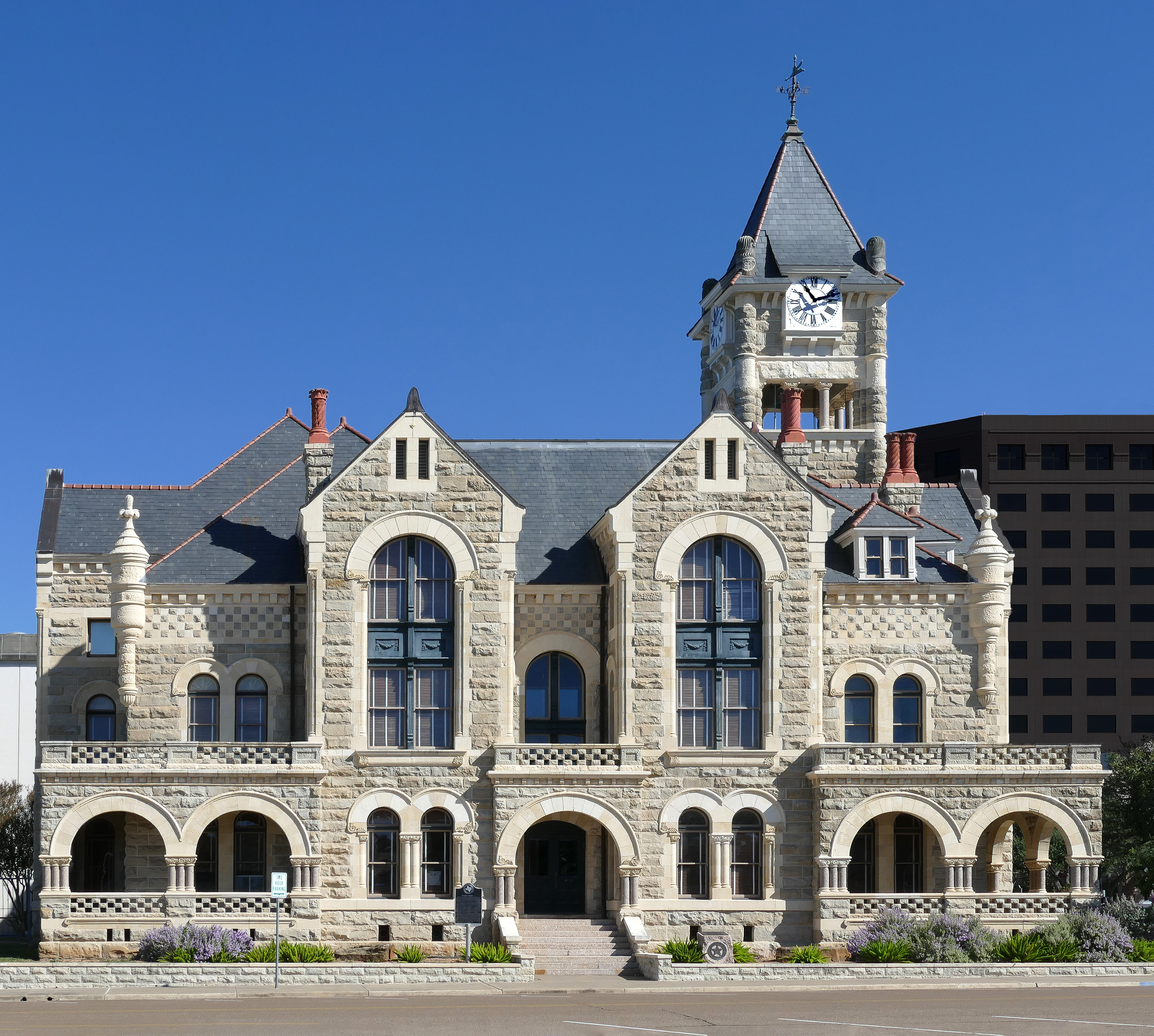
Throughout its history, Victoria County has been a frontier region, facing challenges and adapting to changing times. The area played a role in the cattle drives of the late 19th century and witnessed the impact of the oil and gas boom in the 20th century. Today, the county preserves its historical legacy through various landmarks, museums, and cultural organizations, offering a glimpse into its past for both residents and visitors. The stories embedded in its soil and its architecture speak to the enduring spirit of the people who have shaped its destiny.
Notable Historical Periods and Events
- Spanish and Mexican Era: The founding of Victoria by Martín De León in 1824 marks a pivotal moment in the county’s history, establishing one of the first major settlements under Mexican rule.
- Texan Independence: Residents of the area were involved in the struggle for Texan independence, with the county contributing to the revolutionary cause.
- The Cattle Kingdom: Victoria County was a significant part of the vast cattle ranches that defined the Texan economy for decades, with its lands serving as crucial routes for cattle drives.
- 20th Century Development: The discovery of oil and gas and the subsequent industrialization in the mid-20th century dramatically altered the economic landscape of Victoria County, leading to growth and modernization.
Cultural Richness and Local Experiences
Victoria County, and by extension the city of Victoria, offers a vibrant cultural landscape that reflects its diverse heritage. The influence of Tejano culture, Southern traditions, and a general Texan spirit permeates the region. This cultural blend is most apparent in its culinary scene, music, and community celebrations. From authentic Tex-Mex eateries to traditional barbecue joints, the food in Victoria County is a delicious exploration of local flavors.
The performing arts and visual arts also find a home here, with local theaters, galleries, and museums showcasing regional talent and historical artifacts. Community events, such as festivals, rodeos, and farmer’s markets, provide excellent opportunities for visitors to immerse themselves in the local way of life, interact with residents, and experience the genuine hospitality of Victoria County. The rhythm of life here is often dictated by the seasons, agricultural cycles, and a deep appreciation for community and tradition.
Culinary Delights
- Tex-Mex Cuisine: A staple in Victoria County, offering a flavorful fusion of Mexican and Texan culinary traditions. Expect dishes like enchiladas, tacos, and fajitas, often with a local twist.
- Barbecue: No visit to Texas would be complete without indulging in its world-renowned barbecue. Victoria County offers several establishments serving slow-smoked brisket, ribs, and sausage.
- Southern Comfort Food: Reflecting its Southern influences, you’ll also find hearty dishes and home-style cooking that evoke a sense of comfort and tradition.
Arts and Entertainment
- Victoria Regional Museum Association: This organization plays a vital role in preserving and showcasing the history and culture of Victoria County, offering exhibits that delve into its past.
- Local Theaters and Performance Venues: The community supports a variety of venues for live music, theatrical productions, and other performing arts, providing entertainment for all ages.
- Festivals and Events: Throughout the year, Victoria County hosts numerous festivals celebrating everything from local heritage and agriculture to music and arts. These events are perfect for experiencing the community’s spirit and enjoying local traditions.
Economic Landscape of Victoria County
The economy of Victoria County is a dynamic mix of traditional industries and modern enterprises. While agriculture, particularly cattle ranching, remains a significant contributor, the county has successfully diversified its economic base. The presence of major industrial facilities, including those in the petrochemical and manufacturing sectors, has provided substantial employment opportunities and driven economic growth.
The city of Victoria serves as the primary economic engine for the county, housing a majority of its businesses and commercial activities. The strategic location of Victoria County, with its access to transportation networks including railways and major highways, further enhances its appeal for industrial and commercial development. This economic resilience and diversification ensure a stable and promising future for the region, attracting both businesses and individuals seeking opportunities in a thriving Texas community.

Key Economic Sectors
- Agriculture: Continues to be a cornerstone of the county’s economy, with a strong focus on cattle ranching and crop production.
- Manufacturing and Industry: The presence of large manufacturing plants, particularly in the petrochemical sector, is a significant driver of employment and economic output.
- Healthcare and Education: These sectors are crucial employers and service providers within Victoria County, supporting the well-being and development of its residents. The presence of institutions like Victoria College and the University of Houston-Victoria contributes significantly to the educational and economic landscape.
- Retail and Services: The city of Victoria acts as a retail and service hub for the surrounding county, offering a wide array of goods and services to residents and visitors.
Understanding that Victoria, Texas, is situated within Victoria County is more than just a geographical fact; it is the key to unlocking the rich history, vibrant culture, and economic vitality of this charming South Texas locale. From the banks of the Guadalupe River to the bustling streets of its namesake city, Victoria County offers a compelling blend of traditional Texan life and modern opportunity, making it a destination worth exploring.
LifeOutOfTheBox is a participant in the Amazon Services LLC Associates Program, an affiliate advertising program designed to provide a means for sites to earn advertising fees by advertising and linking to Amazon.com. Amazon, the Amazon logo, AmazonSupply, and the AmazonSupply logo are trademarks of Amazon.com, Inc. or its affiliates. As an Amazon Associate we earn affiliate commissions from qualifying purchases.