
Navigating the process of obtaining a driver’s license in any state can feel like a bureaucratic maze, and Texas is no exception. For new residents, temporary visitors, or those seeking to upgrade their driving credentials, understanding the requirements is the first crucial step. This guide breaks down the essential documents and steps needed to secure your Texas driver’s license, ensuring a smooth and efficient experience as you embrace the open roads of the Lone Star State.
Understanding the Texas Driver’s License Application Process
The Texas Department of Public Safety (DPS) oversees the issuance of driver’s licenses. The application process is designed to verify identity, residency, and eligibility to operate a motor vehicle. Whether you’re applying for a standard Class M (motorcycle) license or a more common Class A, B, or C, the fundamental requirements remain consistent. It’s important to note that the specific documents and procedures might vary slightly depending on your age and whether you are applying for a provisional license, a standard license, or a renewal. The DPS website is the definitive source for the most up-to-date information, but this overview covers the core necessities.
Age and Eligibility Considerations
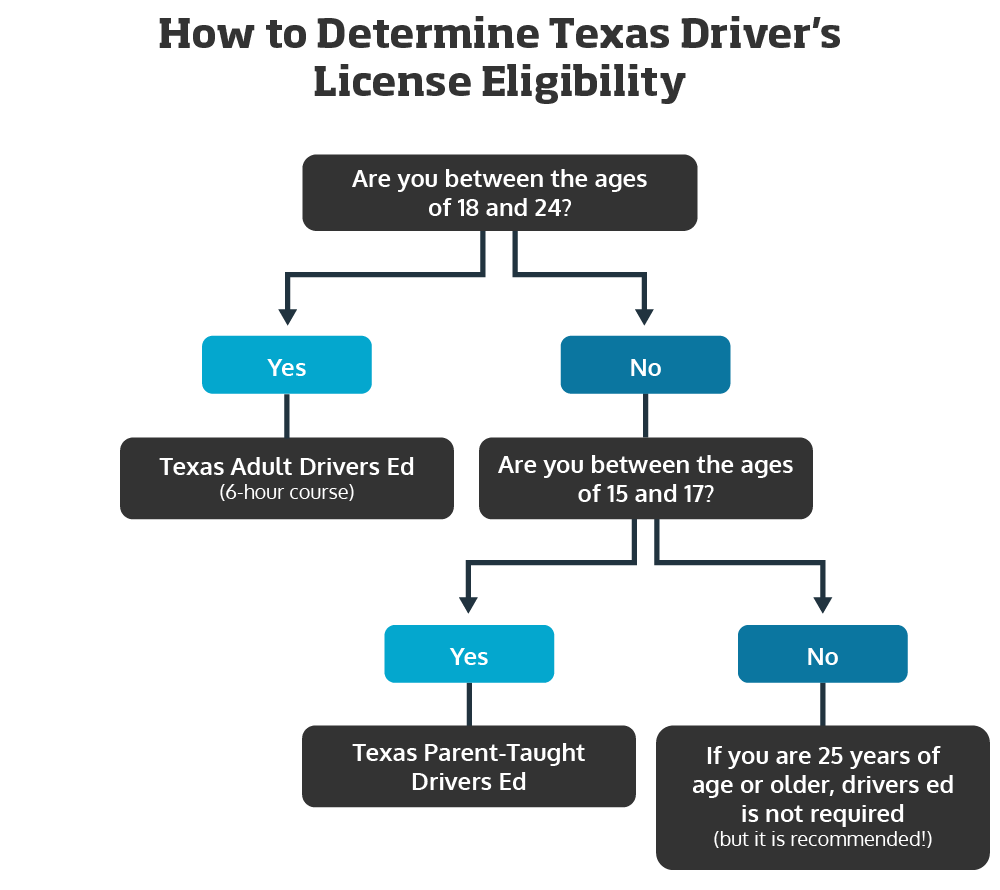
Texas has distinct requirements based on age, particularly for younger drivers.
- Under 18 Years Old: Individuals under 18 must complete a Driver Education program approved by the state. This includes both classroom instruction and behind-the-wheel training. Upon completion, they will receive a certificate of completion, which is a vital document for their application. They must also hold a learner’s permit for at least six months before applying for a provisional license. The provisional license has restrictions on driving at night and with passengers under 21.
- 18 Years or Older: Adults applying for their first Texas driver’s license are generally exempt from formal driver education courses but must still pass the required knowledge and driving tests. They will typically start with a learner’s permit, allowing them to practice driving under supervision, before progressing to a full driver’s license.
Proving Your Identity and Legal Presence
One of the most critical aspects of the application is providing proof of identity and legal presence in the United States. The Texas DPS requires specific forms of documentation. It is recommended to have originals or certified copies of these documents readily available.
- Proof of Identity: This can include a U.S. birth certificate (original or certified copy), a U.S. passport, a Certificate of Citizenship, or a Certificate of Naturalization.
- Proof of Social Security Number (SSN): A Social Security card or an official document showing your full SSN, such as a W-2 form or a pay stub with your name and SSN. If you are not eligible for an SSN, you will need to provide documentation from the Social Security Administration stating this.
- Proof of U.S. Citizenship or Lawful Presence: This is often covered by the identity documents mentioned above. However, for non-U.S. citizens, documents such as an unexpired foreign passport with an I-94 form, a Permanent Resident Card, or an Employment Authorization Document are required. The validity period of these documents is crucial.
Establishing Texas Residency
In addition to proving your identity and legal status, you must demonstrate that you reside in Texas. The DPS requires at least one, but sometimes two, documents to verify your Texas address. These documents should be recent, typically dated within the last 60 to 90 days, and clearly show your name and Texas address.
- Acceptable Residency Documents:
- Utility bills (electricity, gas, water, cable, or internet)
- Bank statements
- Lease agreements or mortgage statements
- Vehicle registration or title
- Insurance policies (homeowners, renters, or auto)
- Mail from government agencies
- A letter from a homeless shelter or transitional housing program if applicable.
It’s essential to ensure that the address on your application matches the address on your supporting documents precisely. Any discrepancies can lead to delays in processing your application.
The Application Process at the Driver License Office
Once you have gathered all the necessary documentation, the next step is to visit a Texas Department of Public Safety Driver License office. It’s advisable to check the Texas DPS website for the nearest office and to see if appointments are recommended or required, as wait times can vary significantly.
Required Tests and Examinations
At the driver license office, you will be required to complete several steps to demonstrate your knowledge and ability to drive safely.
- Application Form: You will fill out the official driver’s license application form, providing all requested information accurately.
- Vision Test: A basic vision screening will be conducted to ensure you meet the minimum vision standards for driving. If you wear corrective lenses, you will be permitted to drive with them, but this will be noted on your license.
- Knowledge Test: This is a multiple-choice test covering Texas traffic laws, road signs, and safe driving practices. It is based on the information provided in the Texas Driver Handbook, which is readily available online and at driver license offices. Familiarizing yourself with the handbook is crucial for passing this test.
- Driving Test (Road Test): For those applying for a new license and not a renewal, a road test is mandatory. This test assesses your ability to safely operate a vehicle in various driving situations. You will need to provide a registered and insured vehicle for the test. The examiner will evaluate your skills in areas such as starting and stopping, turning, changing lanes, parking, and obeying traffic signals and signs.
Fees and Obtaining Your License
There are fees associated with obtaining a Texas driver’s license. The exact amount can vary based on the type of license and its validity period. Payment is typically accepted in the form of cash, check, money order, or credit/debit card at the driver license office. Once you have successfully completed all the requirements, including passing the tests and paying the applicable fees, you will be issued a temporary driver’s license. Your permanent plastic driver’s license will be mailed to your registered address within a few weeks.
Special Considerations for New Texas Residents
If you are moving to Texas from another state or country, there are specific rules to follow regarding transferring your existing driver’s license.
Transferring an Out-of-State Driver’s License
Texas operates under an agreement with most other U.S. states that allows for the transfer of out-of-state licenses without requiring a new driving test. However, you are still required to surrender your valid out-of-state license and provide the necessary documentation to prove identity, legal presence, and Texas residency. You will still need to pass the vision test and pay the applicable fees. You generally have 90 days after establishing residency in Texas to obtain a Texas driver’s license.
International Drivers
For individuals who previously held a driver’s license from a foreign country, the process typically involves presenting your valid foreign license along with proof of lawful presence in the U.S. and Texas residency. Depending on the country of origin and reciprocity agreements, you may need to take the knowledge and driving tests. It is highly recommended to contact the Texas DPS directly or consult their official website for the most accurate information regarding international license transfers.
Tips for a Smooth Application Experience
To ensure your visit to the Texas Department of Public Safety is as efficient and stress-free as possible, consider these helpful tips:
- Gather Documents in Advance: Collect all required documents well before your scheduled appointment or visit. Ensure they are originals or certified copies and that they meet the criteria for validity (e.g., recent utility bills).
- Study the Driver Handbook: Thoroughly review the Texas Driver Handbook. Understanding the traffic laws and rules of the road is essential for passing the knowledge test and for safe driving in Texas.
- Practice Driving: If you are taking the road test, practice your driving skills in various conditions and scenarios. Familiarize yourself with the maneuvers that will be tested.
- Check Office Hours and Appointment Requirements: Visit the Texas DPS website to confirm office hours, locations, and whether appointments are necessary or recommended. This can save you considerable waiting time.
- Be Prepared for Fees: Have the payment ready for the license fees. Knowing the approximate cost beforehand can help you be better prepared.
- Arrive Early: If you have an appointment, arrive a little early. If you are going without an appointment, be prepared for potential wait times and arrive as early as the office opens.
By understanding these requirements and preparing accordingly, obtaining your Texas driver’s license will be a manageable and successful undertaking, opening up the freedoms and conveniences of driving throughout the vast and diverse landscape of the Lone Star State.
LifeOutOfTheBox is a participant in the Amazon Services LLC Associates Program, an affiliate advertising program designed to provide a means for sites to earn advertising fees by advertising and linking to Amazon.com. Amazon, the Amazon logo, AmazonSupply, and the AmazonSupply logo are trademarks of Amazon.com, Inc. or its affiliates. As an Amazon Associate we earn affiliate commissions from qualifying purchases.