
The nursing profession is a cornerstone of the healthcare industry, demanding dedication, expertise, and a compassionate spirit. For registered nurses (RNs) working in Oklahoma, understanding their earning potential is crucial for career planning, financial stability, and making informed decisions about their professional journey. The salary of an RN in Oklahoma is influenced by a multifaceted array of factors, including experience, location within the state, specialty, and the type of healthcare facility they are employed by. This article delves into the typical salary ranges, the contributing elements, and the outlook for registered nurses in the Sooner State.
Understanding RN Salary Factors in Oklahoma
The compensation package for a registered nurse is rarely a one-size-fits-all proposition. Several key variables interact to determine the final salary figure. For aspiring or current RNs in Oklahoma, a thorough understanding of these dynamics is essential for salary negotiation and long-term career satisfaction.
Experience Level: The Foundation of Earning Potential
One of the most significant determinants of an RN’s salary is their years of experience. Entry-level nurses, fresh out of nursing school, typically command a lower starting salary. As they gain practical experience, hone their skills, and take on more responsibility, their earning potential increases substantially.
- Entry-Level RNs: New graduates or those with less than two years of experience often find themselves at the lower end of the salary spectrum. This initial phase is crucial for building a foundational skill set and understanding the nuances of patient care.
- Mid-Career RNs: With five to ten years of experience, nurses have developed a more comprehensive understanding of their field. They may have begun specializing, taken on charge nurse roles, or mentored junior staff, all of which contribute to higher compensation.
- Experienced RNs: Nurses with over ten years of experience are highly valued for their extensive knowledge, problem-solving abilities, and leadership potential. They are often sought after for specialized roles, management positions, or as preceptors for new nurses, reflecting in their elevated salaries.
Geographic Location Within Oklahoma: Urban vs. Rural Dividends
Just as in many other states, the cost of living and the demand for healthcare professionals can vary significantly across Oklahoma. Major metropolitan areas and their surrounding suburbs often offer higher salaries to attract and retain nurses, largely due to higher living expenses and a greater concentration of large healthcare systems.
- Metropolitan Areas: Cities like Oklahoma City and Tulsa typically offer the most competitive salaries for RNs. The presence of large hospital networks, specialized treatment centers, and a higher population density contribute to this trend. These areas may also offer more opportunities for advanced roles and specialized training.
- Suburban Regions: Areas bordering major cities might also provide attractive compensation packages, though they may be slightly lower than the urban core. These locations often strike a balance between professional opportunities and a potentially more affordable lifestyle.
- Rural and Underserved Areas: RNs working in more remote or rural parts of Oklahoma may find that salaries are somewhat lower. However, these positions often come with other benefits, such as loan repayment programs, housing assistance, or a stronger sense of community impact. The demand for nurses in these areas can also be consistently high, offering job security.
Nursing Specialty: Specialization Drives Demand and Earnings
The specific area of nursing a registered nurse chooses to specialize in plays a pivotal role in their earning potential. Certain specialties require advanced education, specialized skills, and are in higher demand, leading to increased compensation.
- High-Demand Specialties: Fields such as critical care, emergency room nursing, intensive care unit (ICU) nursing, operating room (OR) nursing, and anesthesia are often associated with higher salaries due to the intensity of the work, the critical nature of patient care, and the specialized training required.
- Pediatric Nursing: Caring for children requires a unique skill set and often involves working with families during stressful times. While rewarding, pediatric nursing salaries can vary, with specialized roles in pediatric ICUs commanding higher rates.
- Medical-Surgical Nursing: This is a broad and fundamental area of nursing, and while generally well-compensated, salaries may fall within the average range for RNs unless coupled with extensive experience or specific certifications.
- Psychiatric and Mental Health Nursing: With the growing awareness and demand for mental health services, psychiatric nurses are becoming increasingly vital. Their salaries are competitive and often reflect the specialized therapeutic skills they employ.
Type of Healthcare Facility: Varying Compensation Structures
The environment in which an RN practices their profession also significantly influences their salary. Different types of healthcare facilities have distinct financial structures and compensation models.
- Hospitals: Traditional hospitals, especially large, non-profit or for-profit systems, are major employers of RNs. Salaries here can be competitive, with opportunities for advancement into management or specialized roles. Teaching hospitals affiliated with universities may offer slightly different pay scales and research opportunities.
- Outpatient Clinics and Ambulatory Care Centers: These facilities, which offer services that don’t require an overnight hospital stay, are also significant employers. While the pace might be different from an acute care setting, RNs in clinics, such as those found in Oklahoma City or Tulsa, often earn salaries that align with mid-range RN compensation.
- Long-Term Care Facilities and Skilled Nursing Homes: These facilities provide care for individuals requiring extended medical assistance. While essential, RNs in long-term care may find salaries are typically on the lower end of the spectrum compared to hospital-based positions, though this can vary based on the facility’s size and services offered.
- Government and Public Health Agencies: Working for state or local health departments in Oklahoma can offer stable employment and benefits. Salaries in these roles may be more standardized and influenced by government pay scales.
- Travel Nursing Agencies: While not a direct facility type, RNs who work for travel nursing agencies can earn significantly higher hourly rates and often receive stipends for housing and other expenses, making their overall compensation package potentially very lucrative, especially when working in areas with high demand.
Average RN Salary in Oklahoma: What to Expect

Pinpointing an exact average salary for registered nurses in Oklahoma requires consulting up-to-date salary data from reputable sources. However, general trends and figures provide a valuable benchmark.
As of recent data, the average annual salary for a registered nurse in Oklahoma hovers around the $70,000 to $80,000 mark. It is important to note that this is an average, and actual salaries can fall outside this range.
- Entry-level salaries might start in the high $50,000s to low $60,000s.
- Experienced RNs, especially those with specialized skills or in high-demand roles in major metropolitan areas, can see their annual earnings exceed $90,000, and in some cases, even reach six figures.
These figures are dynamic and are influenced by the economic conditions, healthcare industry trends, and the ongoing demand for skilled nursing professionals within the state.
The Impact of Certifications and Advanced Degrees
Beyond experience and specialty, pursuing additional certifications and advanced degrees can significantly boost an RN’s earning potential in Oklahoma.
- Certifications: Obtaining specialized certifications, such as those in critical care (CCRN), emergency nursing (CEN), or oncology (OCN), demonstrates a higher level of expertise and commitment to a particular field. Many employers offer salary differentials or bonuses for RNs who hold relevant certifications.
- Advanced Degrees: Pursuing a Bachelor of Science in Nursing (BSN) is increasingly becoming the standard for entry-level RN positions and is often a prerequisite for career advancement. For those aiming for leadership roles, advanced practice nursing (e.g., Nurse Practitioner, Certified Nurse Midwife), or specialized clinical positions, a Master of Science in Nursing (MSN) or a Doctor of Nursing Practice (DNP) is often required and commands significantly higher salaries.
Career Outlook and Earning Opportunities for RNs in Oklahoma
The demand for registered nurses across the United States, and Oklahoma is no exception, remains strong. An aging population, increasing prevalence of chronic diseases, and advancements in medical technology all contribute to a persistent need for skilled nursing professionals.
Growing Demand and Job Security
The healthcare sector is projected to be one of the fastest-growing employment sectors in the coming years. This translates to excellent job security for registered nurses in Oklahoma. The state’s growing population and evolving healthcare needs ensure a consistent demand for their services.
Opportunities for Advancement
The nursing career path is not linear; it offers numerous avenues for growth and increased earning potential. RNs in Oklahoma can advance their careers by:
- Moving into Management: Becoming a nurse manager, unit supervisor, or director of nursing offers increased responsibility and higher salaries.
- Specializing Further: Developing expertise in niche areas like wound care, informatics, or public health can lead to specialized, higher-paying roles.
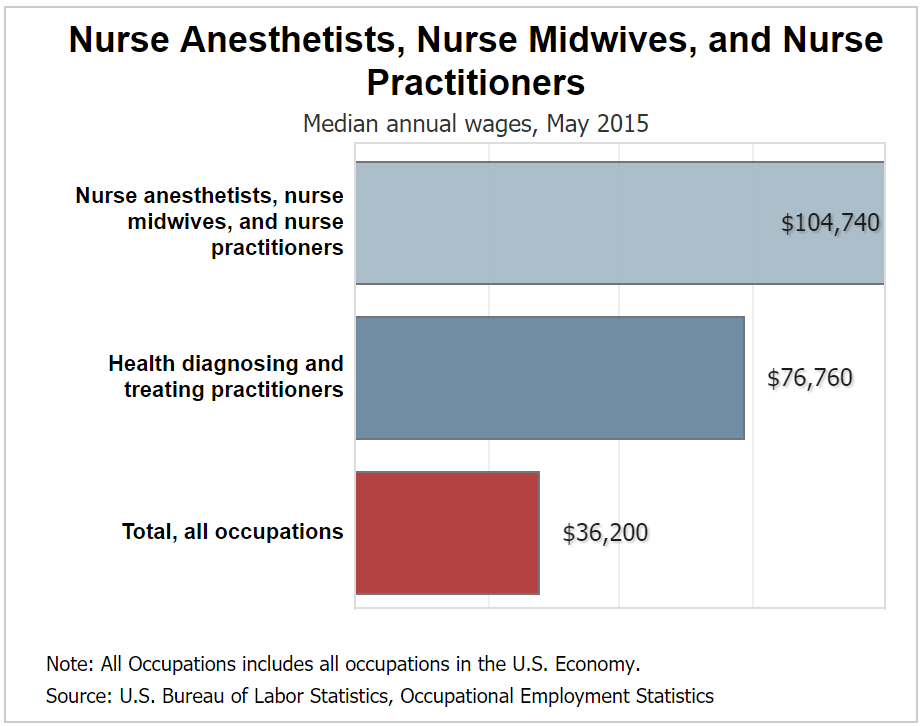
- Pursuing Advanced Practice: Becoming a Nurse Practitioner or Certified Registered Nurse Anesthetist (CRNA) represents a significant career leap with a substantial increase in earning potential. These advanced practice registered nurses (APRNs) often work autonomously or in collaboration with physicians, providing a wide range of healthcare services.
- Educating Future Nurses: RNs with master’s or doctoral degrees can transition into academic roles, teaching at nursing schools across Oklahoma, such as those at the University of Oklahoma or Oklahoma State University.

The Role of the Nursing Shortage
While Oklahoma may not experience the same severity of nursing shortages as some other states, it is not immune. When shortages occur, they often drive up salaries as healthcare facilities compete for a limited pool of qualified nurses. This is particularly true for specialized roles and in underserved geographic areas.
In conclusion, the earning potential for registered nurses in Oklahoma is robust and offers significant opportunities for growth. By understanding the factors that influence salary, pursuing specialized training and certifications, and remaining adaptable to the evolving healthcare landscape, RNs can build a fulfilling and financially rewarding career in the Sooner State. The consistent demand for their expertise, coupled with the diverse opportunities for advancement, makes nursing a highly respected and valuable profession.
LifeOutOfTheBox is a participant in the Amazon Services LLC Associates Program, an affiliate advertising program designed to provide a means for sites to earn advertising fees by advertising and linking to Amazon.com. Amazon, the Amazon logo, AmazonSupply, and the AmazonSupply logo are trademarks of Amazon.com, Inc. or its affiliates. As an Amazon Associate we earn affiliate commissions from qualifying purchases.