
Obtaining a Texas Identification Card (ID) is a fundamental step for many individuals living in or visiting the Lone Star State. Whether you’re a new resident, a student, or simply need a valid form of identification for everyday purposes, understanding the requirements is crucial. This guide will walk you through everything you need to know to successfully acquire your Texas ID, ensuring a smooth and efficient process.
Understanding the Texas ID Card
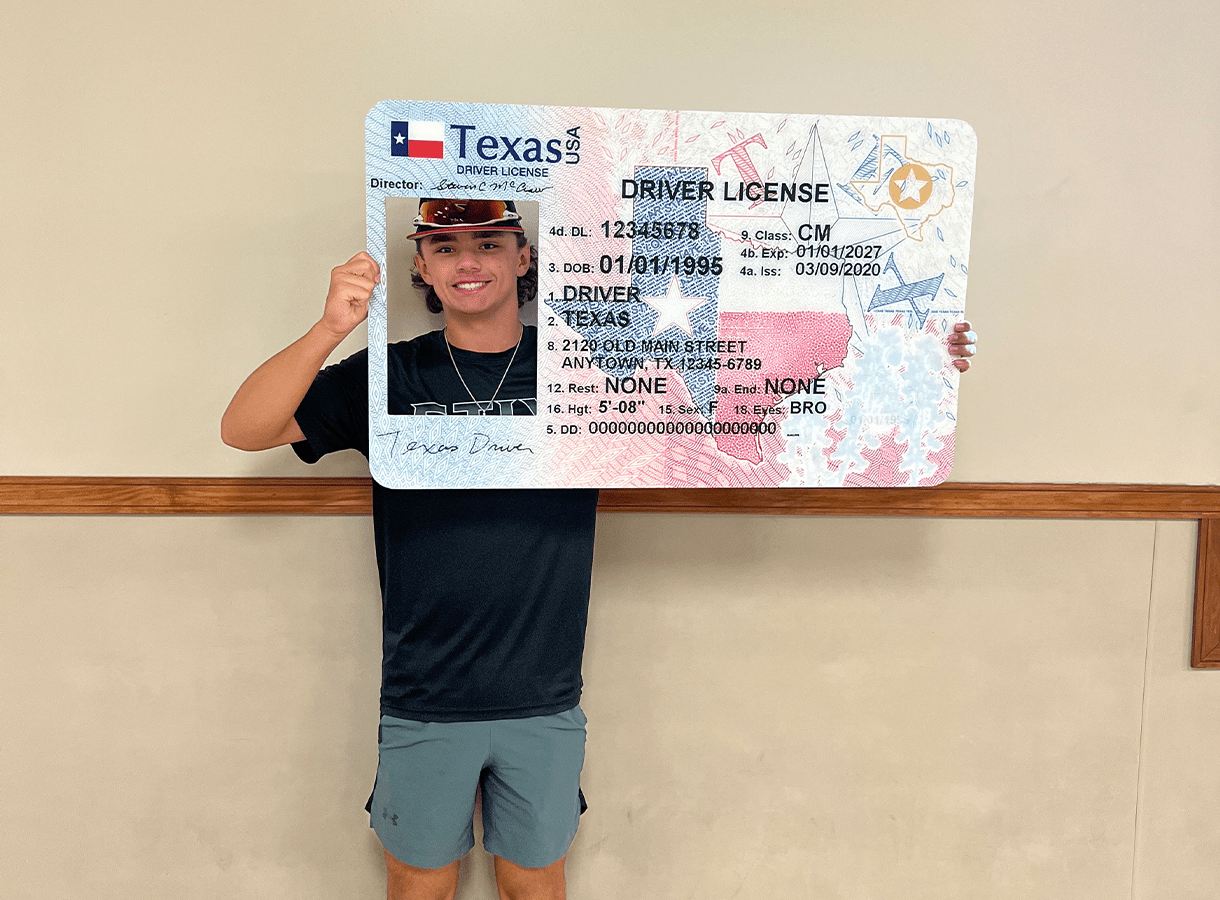
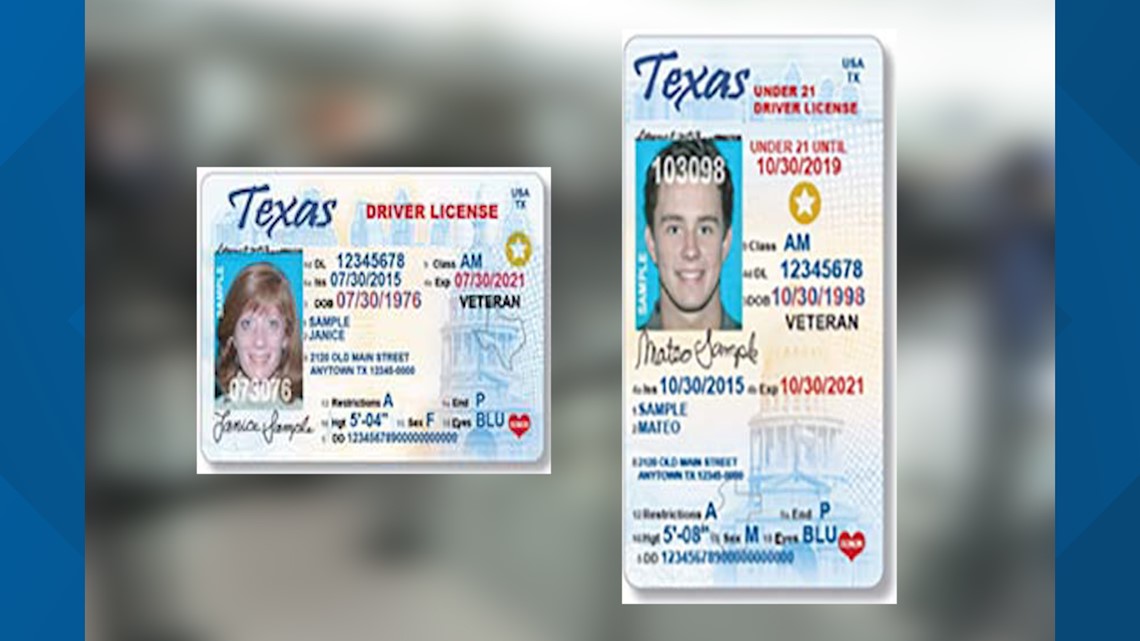
The Texas ID card, often referred to as a “Non-Driver ID,” serves as official proof of identity issued by the Texas Department of Public Safety (DPS). Unlike a driver’s license, it does not grant driving privileges but is essential for various activities, including opening bank accounts, accessing certain government services, purchasing age-restricted items, and verifying your identity when necessary. It is a valuable document for anyone residing in Texas, regardless of their driving status. The card features your photograph, name, address, date of birth, and a unique identification number, making it a comprehensive personal identifier.
Eligibility Requirements
To be eligible for a Texas ID card, you must meet specific criteria set by the Texas Department of Public Safety. Primarily, you must be a resident of Texas. The DPS defines residency as an individual who maintains a place of residence in Texas. This typically means you have established a home in the state and intend to remain there indefinitely. For minors, parental or legal guardian consent and presence may be required. It’s important to note that the Texas ID is designed for individuals who do not possess a valid Texas driver’s license. If you have a driver’s license, it generally serves as your primary form of identification.
Types of Texas ID Cards
While the term “Texas ID” usually refers to the standard Non-Driver ID, there are specific variations that might be relevant depending on your circumstances. The most common is the standard Texas ID card. However, for specific situations, other forms of identification may be applicable, though they are not typically what people mean when they ask about a “Texas ID.” It’s always best to confirm with the Texas Department of Public Safety if you are unsure about which specific card or document best suits your needs. The primary goal is to have a recognized and verifiable identity document.
Essential Documents for Your Application
Gathering the correct documentation is the most critical part of the Texas ID application process. The Texas Department of Public Safety requires proof of identity, proof of social security number, and proof of Texas residency. Failure to present the correct documents can lead to delays or the rejection of your application. It is advisable to collect all necessary documents in advance to ensure a streamlined visit to a DPS driver license office.
Proof of Identity
To prove your identity, you will need one acceptable document that bears your full legal name and date of birth. Accepted forms of identity include:
- U.S. Birth Certificate: An original or certified copy issued by a U.S. state, county, or city.
- U.S. Passport: A valid U.S. passport book or card.
- Foreign Passport: A valid foreign passport with a valid U.S. visa or an I-94 form.
- U.S. Permanent Resident Card: A valid Permanent Resident Card (Form I-551).
- Consular Report of Birth Abroad (CRBA): A CRBA issued by the U.S. Department of State.
- Employment Authorization Document (EAD): A valid EAD card (Form I-766).
- Valid Driver’s License or ID from another U.S. State: A current or recently expired driver’s license or ID card from another U.S. state.
It is crucial that the name on your identity document exactly matches the name you wish to appear on your Texas ID card. If there are discrepancies, you may need to provide additional documentation, such as a marriage certificate or court order, to legally change your name.
Proof of Social Security Number
You must provide proof of your Social Security number (SSN). Accepted documents include:
- Social Security Card: Your original Social Security card.
- W-2 Form: A federal W-2 form that displays your SSN.
- Pay Stub: A recent pay stub showing your SSN.
- SSA-1099 Form: An SSA-1099 form.
- IRS Form W-7: An IRS Form W-7, application for a Social Security card.
If you do not have a Social Security number, you may need to provide a letter from the Social Security Administration stating that you are not eligible for an SSN.
Proof of Texas Residency
To establish your residency in Texas, you will need to present at least one acceptable document that lists your name and current Texas address. Some commonly accepted residency documents include:
- Utility Bills: Recent utility bills (e.g., electricity, gas, water, internet) dated within the last 90 days.
- Bank Statements: Recent bank statements or canceled checks showing your name and address.
- Lease Agreement: A valid lease agreement or mortgage statement.
- Voter Registration Certificate: A current voter registration certificate.
- Property Tax Statement: A recent property tax statement.
- Mail from Government Agencies: Official mail from federal, state, or local government agencies.
- Current Insurance Policy: A current homeowner’s or renter’s insurance policy.
Ensure that the address on your residency documents is your current, physical address in Texas. P.O. Boxes are generally not accepted as proof of residency.
The Application Process
Once you have all your required documents, the next step is to visit a Texas Department of Public Safety driver license office. It’s advisable to check the DPS website for the nearest office and their operating hours. Some offices may allow you to schedule an appointment, which can significantly reduce your wait time.
Completing the Application Form
You will need to complete the Application for a Texas Identification Card (Form DL-14A). This form will require you to provide personal information such as your name, address, date of birth, and other identifying details. Ensure that you fill out the form accurately and legibly. You can often download this form from the DPS website to complete it in advance.
Verification and Photo Capture
At the driver license office, a DPS representative will review your submitted documents to verify your identity, SSN, and residency. This verification process is thorough and ensures the integrity of the identification system. Following the document verification, you will have your photograph taken for the ID card. It’s important to dress appropriately for your photo, as this image will be on your official identification for several years. You will also be asked to provide your signature, which will be electronically captured for your ID.
Fees and Issuance
There is a fee associated with obtaining a Texas ID card. The exact amount can vary, so it’s best to check the Texas Department of Public Safety website for the most current fee schedule. Payment is typically accepted in the form of cash, check, money order, or credit/debit card. Once your application is approved and payment is processed, your Texas ID card will be mailed to your specified address. The processing and mailing time can vary, but you should typically receive it within a few weeks. In the interim, you may be issued a temporary paper identification document.
Important Considerations and Tips
Navigating the process of obtaining a Texas ID can be straightforward with proper preparation. Here are some additional tips to make your experience as smooth as possible.
Keeping Documents Up-to-Date
Ensure that all your supporting documents are current and valid. Expired documents will not be accepted. For example, utility bills should be from the past 90 days, and any identification documents must not be expired. If your name has changed, you must present legal documentation of the name change along with your updated identity documents.
Real ID Compliance
Many Texas ID cards are now compliant with the federal REAL ID Act. A REAL ID-compliant card is required for accessing federal facilities, entering nuclear power plants, and boarding commercial aircraft in the United States starting May 7, 2025. To obtain a REAL ID-compliant Texas ID, you will need to provide specific documentation proving your identity, SSN, and residency, as outlined by the DPS. This often involves more stringent document requirements than a standard ID. Check the DPS website for the complete list of REAL ID-compliant documentation.

Renewal and Replacement
Texas ID cards have an expiration date and will need to be renewed periodically. The renewal process is generally simpler than the initial application. You will be notified by mail when your ID is nearing expiration. Similarly, if your Texas ID is lost, stolen, or damaged, you can apply for a replacement card by following a similar process, often with a reduced set of required documents. You will need to visit a DPS office and complete the necessary paperwork, along with paying the applicable fees.
By understanding these requirements and preparing diligently, you can successfully obtain your Texas ID card, ensuring you have the necessary identification for life in Texas.
LifeOutOfTheBox is a participant in the Amazon Services LLC Associates Program, an affiliate advertising program designed to provide a means for sites to earn advertising fees by advertising and linking to Amazon.com. Amazon, the Amazon logo, AmazonSupply, and the AmazonSupply logo are trademarks of Amazon.com, Inc. or its affiliates. As an Amazon Associate we earn affiliate commissions from qualifying purchases.