
Florida, with its generally warm climate, presents unique opportunities and challenges for strawberry cultivation. Unlike regions with distinct four seasons, strawberry growing in the Sunshine State requires a nuanced approach to timing, variety selection, and pest management. Understanding the optimal planting and harvesting windows is crucial for both home gardeners and commercial growers aiming for a bountiful and delicious harvest of these beloved berries. This guide delves into the specifics of when to plant and harvest strawberries in Florida, offering insights to maximize success.
Understanding Florida’s Growing Seasons for Strawberries
Florida’s subtropical climate dictates a growing season that differs significantly from traditional strawberry-producing areas in more temperate zones. Instead of a spring planting and summer harvest, Florida’s strawberry season is largely concentrated in the cooler months, typically from fall through spring. This shift is primarily due to the strawberry plant’s sensitivity to extreme heat, which can hinder fruit development and increase susceptibility to diseases.
Fall Planting: The Foundation for Spring Harvest
The most critical planting period for strawberries in Florida occurs in the fall. This allows the plants to establish a strong root system during the milder weather of October, November, and December before the heat of summer arrives. Planting during these months takes advantage of the naturally cooler temperatures that promote vegetative growth without the stress of intense solar radiation and high humidity.
- Ideal Planting Months: Generally, late September through December is the recommended window for planting strawberry bare roots or transplants. Early fall planting, especially in the northern parts of Florida, can provide an earlier harvest.
- Variety Selection for Fall Planting: Choosing varieties suited for Florida’s conditions is paramount. Many popular varieties, such as ‘Florida Radiance’, ‘Strawberry Festival’, and ‘Sweet Charlie’, are specifically bred or well-adapted to the state’s climate and perform exceptionally well when planted in the fall. These varieties are often day-neutral or short-day types, meaning they are triggered to flower and fruit by specific day lengths and temperatures, making them ideal for a fall planting that leads to a winter and spring harvest.
- Soil Preparation and Site Selection: Before planting, it is essential to prepare the soil thoroughly. Well-draining soil rich in organic matter is ideal. Raised beds are often recommended in Florida to improve drainage and aeration, helping to prevent root rot, a common issue in humid environments. Amending the soil with compost or other organic materials will provide the necessary nutrients for healthy plant development. Choosing a location that receives at least 6-8 hours of sunlight daily is also crucial for optimal fruit production.
Winter and Early Spring: Peak Fruiting and Harvesting
Once established, Florida’s strawberry plants begin to flower and produce fruit as temperatures remain moderate. The peak harvest season typically occurs from late winter through early spring, a delightful period for enjoying fresh, locally grown strawberries.
- Harvesting Window: The first fruits can often be expected as early as January or February in South Florida, with the season extending through April or even May in North Florida. The exact timing can vary based on the specific microclimate, planting date, and weather patterns of the year.
- Factors Influencing Harvest: Consistent watering, adequate sunlight, and protection from late frosts are vital for a successful harvest. While Florida generally avoids the harsh freezes experienced in other regions, occasional cold snaps can still damage blossoms or young fruit. Row covers or other protective measures might be necessary during unexpected cold periods.
- Monitoring for Ripeness: Strawberries are ready to harvest when they are fully colored and firm. The entire berry should be a vibrant red, with no green or white areas remaining at the stem end. Gently tugging on the berry will allow it to detach easily from the plant; if resistance is met, it is likely not fully ripe. Harvesting in the cooler parts of the day, such as early morning, will help maintain the berries’ freshness and quality.
Key Considerations for Successful Florida Strawberry Cultivation
Beyond the fundamental planting and harvesting schedules, several factors contribute to thriving strawberry plants and a rewarding harvest in Florida’s unique environment. Addressing these elements proactively can significantly enhance yield and quality.
Pest and Disease Management in a Humid Climate
Florida’s warm and humid climate can be a breeding ground for various pests and diseases that target strawberry plants. Integrated pest management (IPM) strategies are essential for keeping these issues in check without resorting to excessive chemical use.
- Common Pests: Aphids, spider mites, thrips, and various types of beetles are common strawberry pests in Florida. Regular monitoring of plants for signs of infestation, such as leaf discoloration, wilting, or the presence of insects, is crucial. Early detection allows for timely intervention.
- Disease Prevention: Fungal diseases like powdery mildew, gray mold (Botrytis), and anthracnose can thrive in humid conditions. Proper plant spacing to ensure good air circulation, avoiding overhead watering which keeps foliage wet, and using disease-resistant varieties are key preventive measures. Crop rotation, even for home gardeners, can also help break disease cycles.
- Control Methods: Organic control methods often include insecticidal soaps, neem oil, and horticultural oils for pest management. For diseases, applications of organic fungicides or preventative sprays can be beneficial. In cases of severe infestation or disease, consulting with local agricultural extension offices can provide tailored recommendations for safe and effective control methods. The University of Florida IFAS Extension is an invaluable resource for Florida growers.
Watering and Nutrition Requirements
Strawberries have specific watering and nutrient needs that must be met throughout their growing cycle to ensure optimal fruit production.
- Watering Schedule: Consistent moisture is vital, especially during flowering and fruiting. The soil should be kept evenly moist but not waterlogged. Drip irrigation is an excellent method for delivering water directly to the root zone, minimizing water waste and reducing the risk of fungal diseases on foliage and fruit. During dry spells, more frequent watering may be necessary.
- Fertilization Strategy: Strawberries are moderate feeders. A balanced fertilizer with a slightly higher phosphorus content can be beneficial during the initial establishment phase. As the plants begin to flower and set fruit, a fertilizer with a balanced N-P-K ratio or one slightly higher in potassium can support fruit development. Over-fertilization with nitrogen can lead to lush foliage but reduced fruit production and increased susceptibility to pests and diseases. Soil testing can help determine specific nutrient deficiencies and guide fertilization practices.
Protecting Blossoms and Fruit
Florida’s weather can be unpredictable, and protecting the delicate strawberry blossoms and developing fruit is essential for a successful harvest.
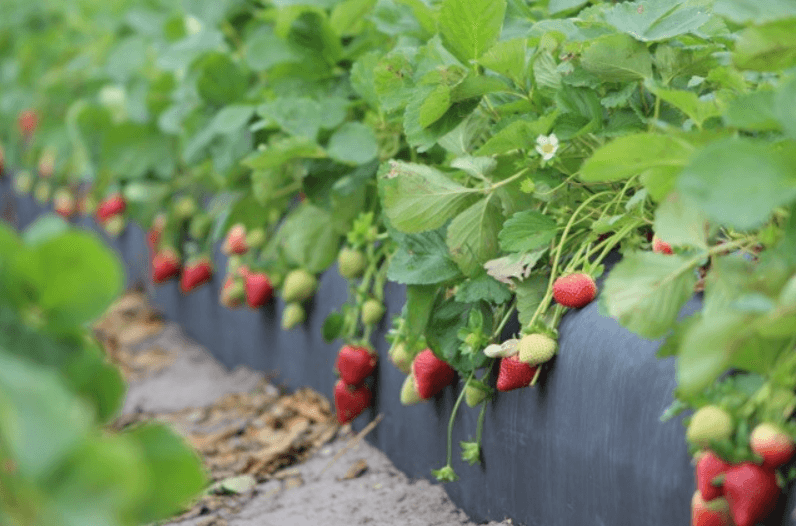
- Frost Protection: While Florida’s winters are mild, occasional frost can occur, particularly in the northern regions. If a frost is predicted, covering plants with frost cloths, blankets, or even plastic sheeting (ensuring it doesn’t touch the foliage directly) can protect them. Watering the soil thoroughly before a frost can also help insulate the roots and provide some protection.
- Heat Stress: As spring progresses and temperatures rise, heat stress can impact strawberry plants. Ensuring adequate watering and providing some afternoon shade, perhaps through taller companion plants or shade cloths, can help mitigate heat-related damage. Mulching around the plants helps retain soil moisture and keeps the root zone cooler.
Popular Strawberry Varieties for Florida Growers
The selection of strawberry varieties plays a significant role in their performance and yield in Florida’s climate. Many varieties have been developed or proven effective for the state’s unique growing conditions, offering a range of flavors, textures, and harvest times.
Day-Neutral and Short-Day Varieties
Florida growers primarily focus on day-neutral and short-day strawberry varieties. Day-neutral varieties are less sensitive to day length and will produce fruit throughout the year as long as temperatures are favorable. Short-day varieties are triggered to flower by shorter days and cooler temperatures, making them ideal for a fall planting and winter/spring harvest.
- ‘Florida Radiance’: This is a widely grown and highly productive variety known for its firm, medium-sized, conical berries with a sweet, slightly tart flavor. It exhibits good disease resistance and is well-suited for Florida’s climate.
- ‘Strawberry Festival’: Another popular choice, ‘Strawberry Festival’ produces large, firm, bright red berries with an excellent sweet flavor. It is known for its high yield and good adaptability to Florida’s growing conditions.
- ‘Sweet Charlie’: This variety is prized for its exceptional sweetness and aroma. The berries are medium to large and are an excellent choice for fresh consumption and desserts. It performs well when planted in the fall.
- ‘Florida Jewel’: While perhaps less common than ‘Radiance’ or ‘Festival’, ‘Florida Jewel’ offers consistently good yields of firm, flavorful berries and is another option for growers in the state.
These varieties, when planted in the fall and managed appropriately, can provide a continuous supply of delicious strawberries from winter through spring, bringing a taste of sunshine to any table.
Maximizing Your Strawberry Harvest
Achieving a bountiful strawberry harvest in Florida is a rewarding endeavor that combines careful planning with attentive care. By understanding the nuances of the state’s climate and adopting best practices, gardeners and farmers can enjoy the sweet rewards of homegrown strawberries.
Harvesting Techniques for Optimal Quality
The way strawberries are harvested directly impacts their quality and shelf life. Gentle handling and proper timing are key to ensuring the best possible flavor and appearance.
- When to Pick: As mentioned, ripeness is indicated by full, uniform red color. Avoid picking berries that show any signs of green or white near the stem, as these will not ripen further off the plant. Harvest in the early morning hours, after the dew has dried, for the freshest and firmest berries.
- How to Pick: Do not pull the berry off the stem. Instead, grasp the stem just above the berry and pinch or snip it with scissors. This prevents damage to the plant and ensures the small green cap (calyx) remains attached to the berry, which helps prolong its freshness.
- Handling and Storage: Handle harvested berries with extreme care to avoid bruising. Do not wash strawberries until you are ready to consume them, as moisture can promote spoilage. Store them in a single layer in a breathable container in the refrigerator.
Extending the Season
While Florida’s natural strawberry season is concentrated, certain techniques can help extend the harvest period.
- Succession Planting: Planting different varieties with slightly staggered maturity dates or planting in succession a few weeks apart can provide a more continuous supply of berries.
- Cold Protection: As discussed, protecting plants from late frosts can save developing fruit and allow the season to extend into warmer months. Conversely, in extremely hot periods, providing shade can help plants continue to produce.
Engaging with Local Resources
For both novice and experienced growers, tapping into local expertise can be invaluable. The Florida Strawberry Growers Association is a key organization for commercial growers, offering resources and networking opportunities. For home gardeners, local agricultural extension offices and master gardener programs are excellent sources of region-specific advice on planting times, variety selection, and troubleshooting common issues. Exploring local u-pick farms, such as those found near Plant City, can also provide practical insights and inspiration.
LifeOutOfTheBox is a participant in the Amazon Services LLC Associates Program, an affiliate advertising program designed to provide a means for sites to earn advertising fees by advertising and linking to Amazon.com. Amazon, the Amazon logo, AmazonSupply, and the AmazonSupply logo are trademarks of Amazon.com, Inc. or its affiliates. As an Amazon Associate we earn affiliate commissions from qualifying purchases.