
Understanding the intricacies of vehicle ownership is a crucial aspect of navigating the Lone Star State, especially for those planning extended stays or considering a permanent move. While often overlooked amidst the allure of its vast landscapes and vibrant cities, a Texas vehicle title is a foundational document that signifies legal ownership. For travelers and potential residents alike, familiarizing oneself with its appearance and contents can prevent confusion and streamline processes, whether you’re purchasing a vehicle, transferring ownership, or simply ensuring your documentation is in order for a cross-country adventure. This document is more than just a piece of paper; it’s the legal proof of who possesses the rights to a particular automobile within the state.
The Anatomy of a Texas Vehicle Title
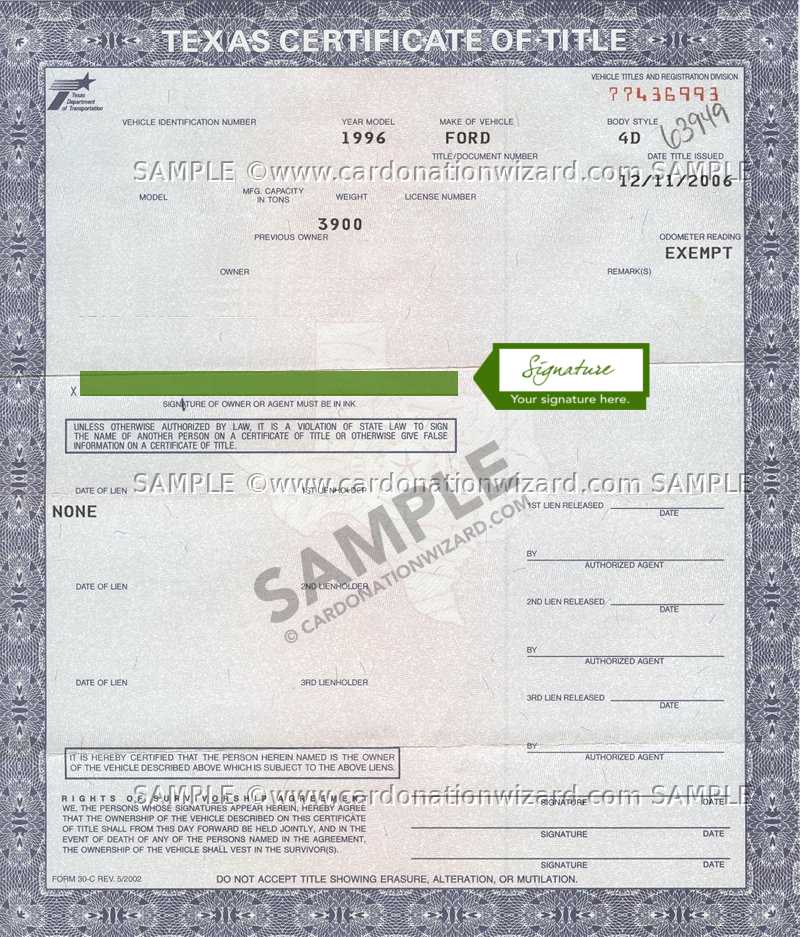
A Texas vehicle title, officially known as a Certificate of Title, is a standardized document issued by the Texas Department of Motor Vehicles (TxDMV). Its primary purpose is to prove ownership of a motor vehicle. It contains a wealth of information, meticulously detailed to ensure accuracy and prevent fraud. Familiarizing yourself with these key components will help you identify a genuine title and understand its significance.
Essential Identifying Information
At the forefront of the Texas vehicle title, you will find critical identifiers for both the vehicle and its owner. This section is designed to be unambiguous and unique, leaving no room for misinterpretation.
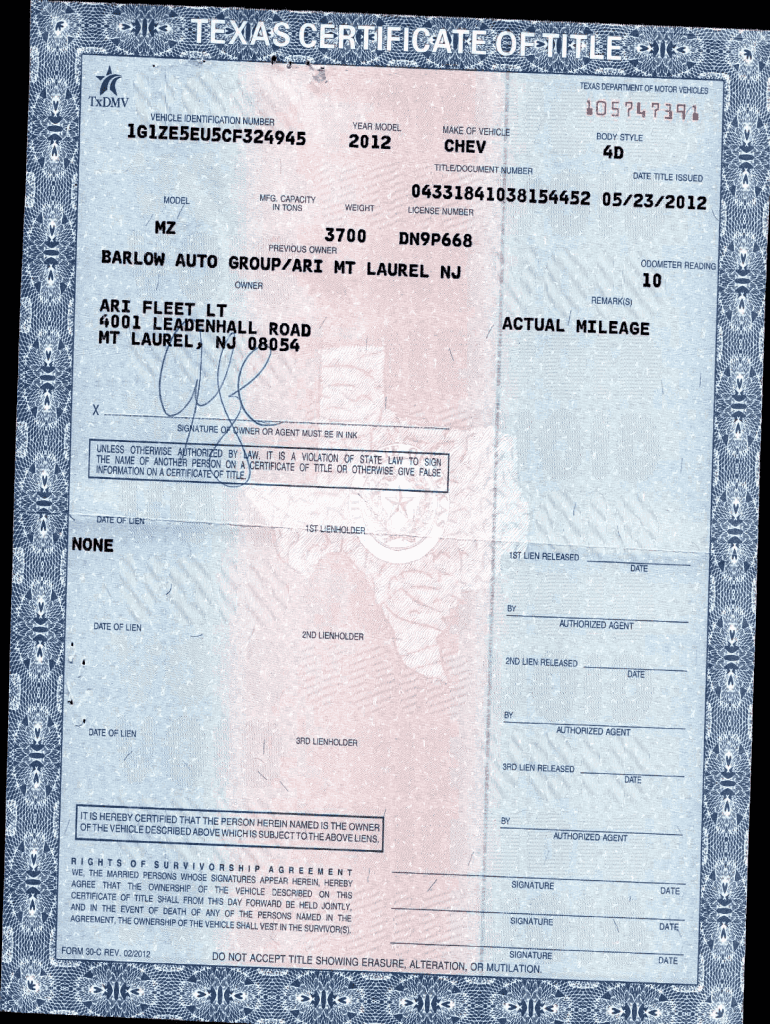
- Vehicle Identification Number (VIN): This is arguably the most important identifier on the title. The 17-character VIN is a unique serial number assigned to every motor vehicle manufactured since 1981. It contains information about the manufacturer, year, model, and specific features of the vehicle. The VIN on the title must precisely match the VIN physically present on the vehicle.
- Make, Model, and Year: The title will clearly state the manufacturer (e.g., Ford, Toyota), the specific model (e.g., F-150, Camry), and the year of manufacture for the vehicle. This information helps in distinguishing between different vehicles, even those with similar VINs.
- Body Style: This describes the physical configuration of the vehicle, such as Sedan, SUV, Truck, Van, or Convertible.
- Color: The exterior color of the vehicle is also listed, though this can sometimes be subject to minor variations or modifications over time.
- Odometer Reading: The mileage recorded at the time of title issuance or transfer is a critical piece of information, particularly for determining a vehicle’s value and history.
- Owner Information: The full legal name and address of the registered owner(s) are prominently displayed. This section is vital for verifying who has legal claim to the vehicle.
Ownership and Lien Information
The title document also details the chain of ownership and any financial encumbrances associated with the vehicle. This is particularly important for buyers and lenders.
- Previous Owner Information: If the vehicle has had previous owners, their names and addresses may be listed, showcasing the title’s history.
- Lienholder Information: If the vehicle was purchased with a loan, the title will list the name and address of the lienholder (the financial institution that holds a security interest in the vehicle). The lienholder typically retains possession of the physical title until the loan is fully paid off. Once paid, the lien can be released, and a clear title can be issued to the owner.
- Title Number: Each Texas title is assigned a unique title number for administrative purposes by the TxDMV.
Special Designations and Features
Texas titles can also carry special notations that indicate specific characteristics or legal statuses of the vehicle. These are important to note for potential buyers.
- Brand Designations: Certain conditions or histories of a vehicle will be “branded” on the title. Common brands include:
- Salvage: Indicates the vehicle has been declared a total loss by an insurance company due to damage (e.g., collision, flood). A salvage vehicle cannot be legally registered or driven until it is repaired and passes a stringent inspection.
- Rebuilt/Restored Salvage: Applies to vehicles that were previously branded as salvage but have since been repaired and passed a state inspection.
- Flood: Signifies the vehicle has sustained damage from flooding.
- Hail: Indicates significant damage caused by hail.
- Lemon: Denotes a vehicle that has been repurchased by the manufacturer due to persistent defects that could not be repaired after a reasonable number of attempts.
- Antique or Classic Vehicle Status: Some titles may indicate if a vehicle is designated as an antique or classic, which can affect registration and inspection requirements.
Security Features and Authenticity
To combat fraud and ensure the integrity of vehicle titles, the TxDMV incorporates several security features into its official documents. Recognizing these features can help distinguish a legitimate title from a counterfeit one.
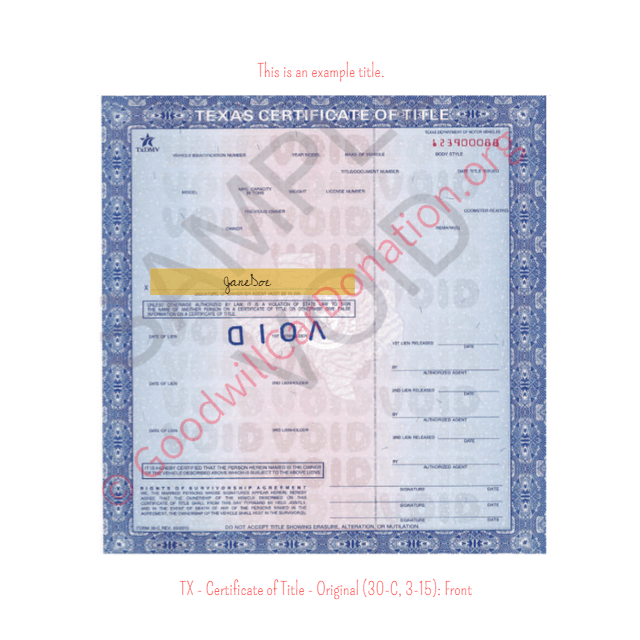
- Watermarks: Genuine Texas vehicle titles often feature specialized watermarks that are visible when held up to a light source. These are difficult to replicate.
- Microprinting: Tiny, intricate text, often illegible to the naked eye, may be incorporated into the design. This microprinting is a hallmark of legitimate official documents.
- Holograms: Some titles may include holographic elements that change appearance when viewed from different angles.
- Special Paper Stock: The paper used for official titles is typically of a specific weight and texture, different from standard printing paper.
- Unique Seals and Signatures: Official seals of the TxDMV and authorized signatures are present on the document, further validating its authenticity.
It is crucial to remember that even if a title appears authentic, it is always advisable to verify its status through the TxDMV or a reputable vehicle history report service. This is especially important when purchasing a used vehicle, as a title can be clear, or it can carry liens or brands that significantly impact its value and usability.
The Importance of a Texas Vehicle Title for Travelers and Residents
For individuals planning an extended road trip through Texas or considering establishing residency in the state, understanding the vehicle title is paramount. It underpins the legality of your vehicle ownership and is essential for various transactions.
Purchasing a Vehicle in Texas
When buying a vehicle in Texas, whether from a dealership or a private seller, the title transfer process is critical.
- Private Sales: If buying from an individual, ensure the seller has a clear title in their name. The seller must sign the title over to you, and you will need to take this signed title, along with other required documentation, to the county tax assessor-collector’s office to register the vehicle and obtain a new title in your name. If there is a lienholder listed, you will need the lien release from the previous lender.
- Dealerships: Licensed dealerships will handle most of the title transfer paperwork for you as part of the sale. However, it is still wise to review the documents carefully before signing.
Registering and Insuring a Vehicle
A Texas vehicle title is a prerequisite for registering your vehicle with the state and obtaining license plates. It is also a key document required by insurance companies when you apply for coverage. Without a valid title, you cannot legally operate a vehicle on Texas roads.
Proof of Ownership for Travel
For long-term travelers or those frequently crossing state lines, carrying your vehicle title is advisable. While registration and insurance are primary, the title serves as the ultimate proof of legal ownership. In some situations, such as if you are stopped by law enforcement in another state or need to prove ownership for any reason, having the title readily available can simplify matters. This is particularly true if you are traveling to or from locations that may require more stringent vehicle documentation.
Potential Pitfalls and Best Practices
Navigating the vehicle title system can sometimes present challenges. Being aware of these potential pitfalls can save you time and frustration.
- Lost or Damaged Titles: If your Texas vehicle title is lost, stolen, or damaged, you must apply for a replacement title immediately from the TxDMV. This process involves completing an Application for a Certified Copy of Title, along with a fee. Do not attempt to operate a vehicle without a title, especially if you are selling it or transferring ownership.
- Title Jumping: This is an illegal practice where a seller does not sign the title over to the buyer, but instead, the buyer signs a blank title or the previous owner’s name, and then sells it to a new buyer without ever legally owning it themselves. This practice creates significant legal and ownership complications and should be strictly avoided. Always ensure the title is properly signed over to you.
- Verification: Before purchasing a vehicle from a private seller, especially a valuable or classic one, consider running a vehicle history report using the VIN. This can help uncover any hidden issues like salvage brands or outstanding liens that might not be immediately apparent on the title itself.
Ultimately, the Texas vehicle title is an indispensable document for anyone who owns or intends to own a vehicle in the state. Whether you are a tourist exploring the vastness of Texas in a rented RV, a business traveler establishing a temporary base, or a new resident settling into the Lone Star State, understanding what a Texas vehicle title looks like and the information it contains is a fundamental step in ensuring legal compliance and peace of mind.
LifeOutOfTheBox is a participant in the Amazon Services LLC Associates Program, an affiliate advertising program designed to provide a means for sites to earn advertising fees by advertising and linking to Amazon.com. Amazon, the Amazon logo, AmazonSupply, and the AmazonSupply logo are trademarks of Amazon.com, Inc. or its affiliates. As an Amazon Associate we earn affiliate commissions from qualifying purchases.