
Navigating the complexities of vehicle ownership in any state can sometimes feel like deciphering an ancient map. For those venturing into or residing in the vast expanse of Texas, understanding the specifics of vehicle registration is a crucial step in ensuring compliance and avoiding potential pitfalls. A Texas vehicle registration isn’t merely a piece of paper; it’s a legal document that signifies your vehicle is properly titled and permitted to operate on the state’s roadways. It’s a fundamental aspect of the Travel ecosystem, as it facilitates the freedom to explore the diverse landscapes and attractions the state has to offer, from the bustling streets of Dallas to the historic charm of San Antonio and the vibrant coastlines near Galveston. This guide delves into the appearance, components, and significance of a Texas vehicle registration.
Decoding the Texas Vehicle Registration Document
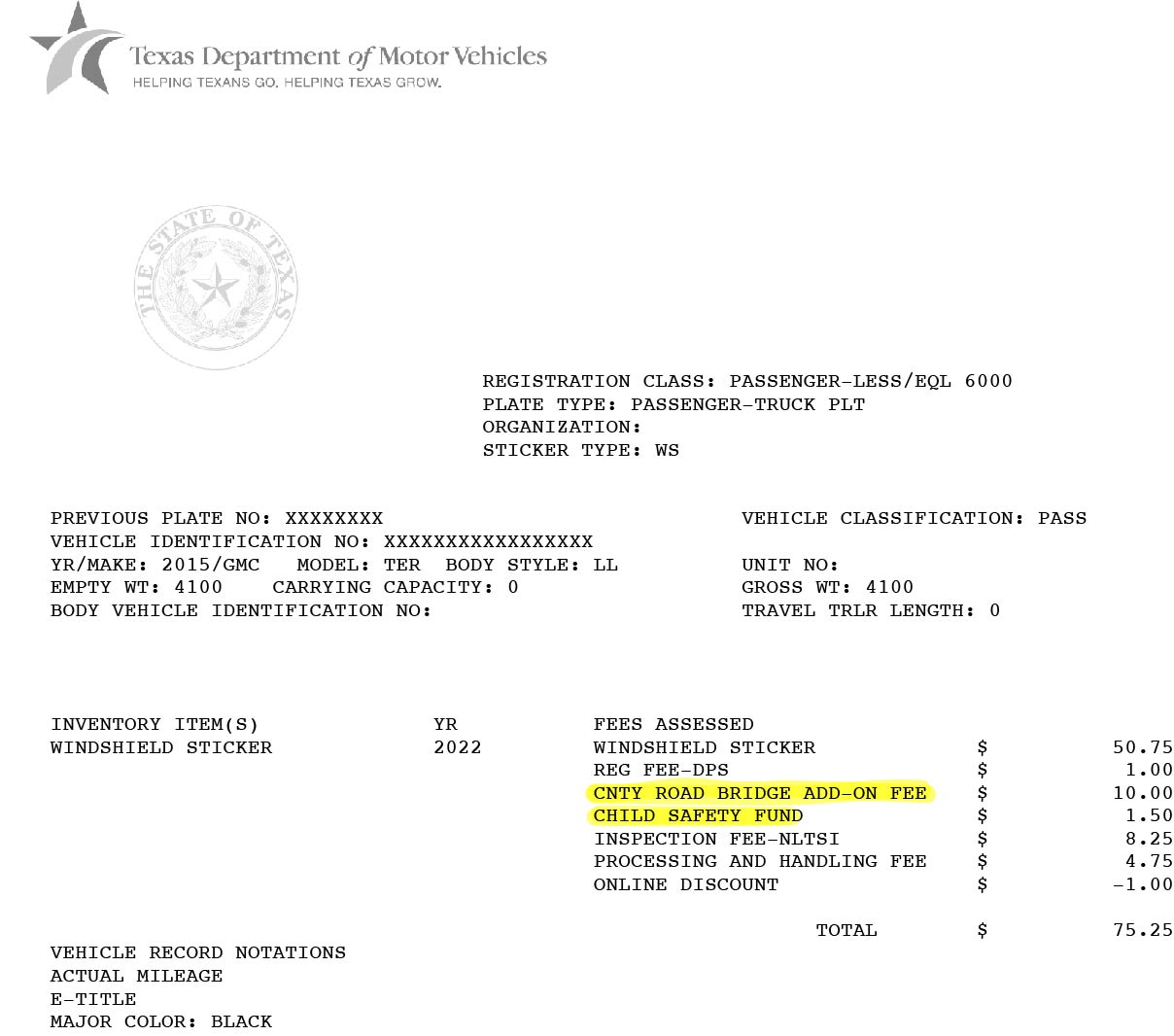
The Texas vehicle registration is issued by the Texas Department of Motor Vehicles (TxDMV). While the exact visual presentation might vary slightly due to updates in design or printing methods, the core information and security features remain consistent. Understanding these elements is key to recognizing a legitimate document and ensuring all details are accurate.
Key Information Present on the Registration
At its core, the registration document serves as a confirmation of your vehicle’s legal standing. It contains several vital pieces of information, each serving a specific purpose:
-
Vehicle Information: This section is dedicated to identifying the specific vehicle the registration pertains to. It will include:
- License Plate Number: This is the unique alphanumeric identifier assigned to your vehicle, prominently displayed on your license plates.
- Vehicle Identification Number (VIN): The VIN is a 17-character alphanumeric code that serves as a unique fingerprint for your vehicle. It’s crucial for identifying the vehicle across various databases and for law enforcement.
- Make, Model, and Year: The registration will clearly state the manufacturer (e.g., Ford, Toyota), the specific model (e.g., F-150, Camry), and the manufacturing year of the vehicle.
- Body Style: This describes the type of vehicle, such as Sedan, SUV, Truck, or Motorcycle.
-
Owner Information: This section identifies the legal owner(s) of the vehicle. It typically includes:
- Owner’s Name(s): The full legal name of the registered owner(s).
- Owner’s Address: The current mailing address of the registered owner.
-
Registration Details: This part of the document provides information about the registration itself:
- Expiration Date: This is perhaps the most critical piece of information, indicating when the current registration expires. Texas registrations are typically valid for one or two years.
- Registration Number: This might be a separate number from the license plate number, serving as an internal reference for the TxDMV.
- Issuance Date: The date when the registration was issued.
-
County of Registration: While not always a primary focus, the county where the vehicle is registered might be indicated, especially if local taxes or fees are involved.
Security Features
To prevent fraud and ensure the authenticity of the registration, the TxDMV incorporates several security features. These may include:
- Watermarks: These are subtle designs or patterns embedded in the paper that are visible when held up to light.
- Holograms: Some official documents utilize holographic elements that change appearance when viewed from different angles.
- Specialized Paper: The paper stock itself might have unique properties or security threads that are difficult to counterfeit.
- Unique Barcodes or QR Codes: These can store encrypted information and are often used for quick verification by law enforcement or officials.
It’s important to note that while you receive a physical registration certificate, the primary indicator of a registered vehicle is the current license plate and its associated validation sticker (often referred to as “tags”) affixed to the rear license plate. The physical registration document is a crucial record to keep in your vehicle or at home for reference.
The Purpose and Importance of Vehicle Registration in Texas
Beyond its physical appearance, the Texas vehicle registration serves several vital purposes, underpinning safe and legal operation of vehicles for both locals and visitors exploring the state’s many attractions.
Legal Compliance and Law Enforcement
The most apparent purpose of a vehicle registration is to ensure compliance with state laws. Operating an unregistered vehicle can lead to significant penalties, including fines, towing, and even impoundment of the vehicle. For law enforcement officers, the registration serves as a quick way to verify a vehicle’s legal status and identify its owner in case of traffic stops, accidents, or criminal activity. This is particularly important when exploring new areas or driving through different jurisdictions within Texas.
Financial Responsibility and Insurance Verification
In Texas, proof of financial responsibility, typically in the form of liability insurance, is a prerequisite for vehicle registration. The registration process is intertwined with verifying that you have the legally required insurance coverage. This ensures that if an accident occurs, there are funds available to cover damages or injuries, contributing to the overall safety and stability of the roadways. This is a crucial aspect for any traveler, as unforeseen circumstances can arise, and being properly insured provides peace of mind.
Funding State Services and Infrastructure
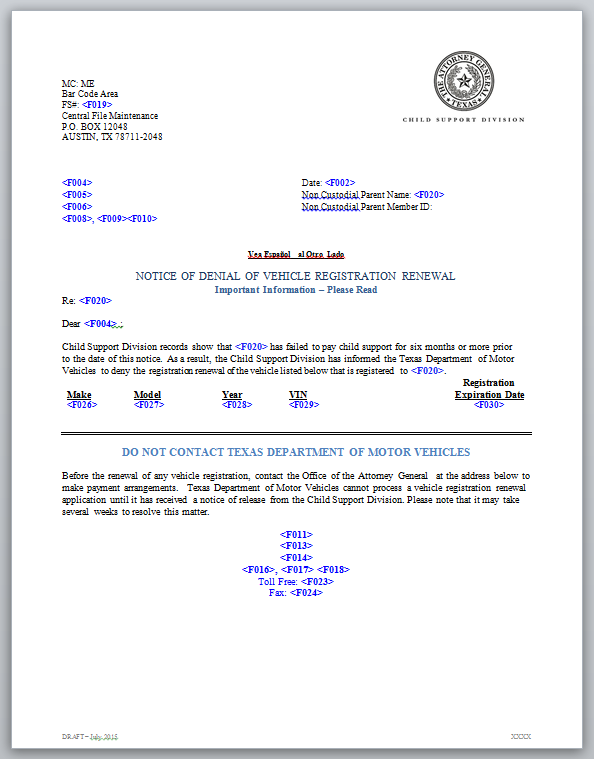
A portion of the fees collected from vehicle registration in Texas directly contributes to the state’s transportation infrastructure. This includes funding for road maintenance, construction projects, and traffic safety initiatives. When you register your vehicle, you are indirectly contributing to the upkeep and improvement of the very roads you’ll be using to travel to destinations like the Alamo in San Antonio or the beautiful state parks.
Record Keeping and Vehicle History
Vehicle registrations, along with titles, create a comprehensive record of a vehicle’s ownership history. This information is vital for various purposes, including vehicle sales, insurance claims, and accident investigations. It helps to establish a clear chain of ownership and can be used to track vehicles that may have been reported stolen or involved in significant incidents.
The Registration Process and What to Expect
For those new to Texas or acquiring a new vehicle, understanding the registration process is essential for a smooth transition. This process typically involves a visit to a local county tax assessor-collector’s office or an authorized third-party vendor.
Initial Registration for New Residents or Newly Purchased Vehicles
If you are moving to Texas with a vehicle registered in another state, you generally have 30 days to register your vehicle in Texas. You will need to:
- Obtain a Texas Title: If you own your vehicle outright, you’ll need to apply for a Texas title. If you have a loan, your lienholder will typically handle this.
- Pass a Vehicle Inspection: Most vehicles in Texas require an annual safety inspection. For some counties, emissions testing is also mandatory.
- Secure Texas Insurance: Proof of Texas liability insurance is required.
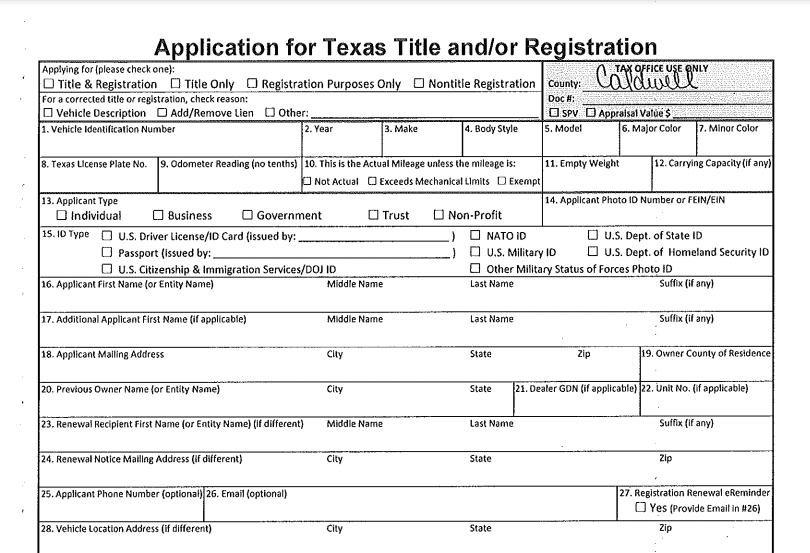
- Submit Application and Fees: You will complete an application for registration and pay the applicable fees, which vary based on vehicle type and weight.
For newly purchased vehicles from a dealership, the dealer often handles much of the initial titling and registration paperwork, providing you with temporary tags and the necessary documentation to receive your permanent registration.
Renewal of Existing Registrations
Texas vehicle registrations are typically renewed annually or biennially. You will receive a renewal notice from the TxDMV by mail or email before your current registration expires. Renewals can often be completed online through the TxDMV website, by mail, or in person at a county tax assessor-collector’s office. Online renewals are a convenient option for those who have already passed their vehicle inspection and have their insurance information readily available, streamlining the process for those eager to get back on the road and explore destinations like the Big Bend National Park.
The “Validation Sticker” – The Visible Sign of Registration
While the physical registration document is important for record-keeping, the most visible and legally required indicator of a current registration in Texas is the validation sticker, commonly known as “tags.”
What is the Validation Sticker?
The validation sticker is a small, adhesive label that is affixed to the rear license plate of your vehicle. It displays the month and year your registration expires. This sticker serves as immediate visual confirmation to law enforcement and the public that your vehicle is legally registered. It is crucial to ensure your validation sticker is up-to-date, as driving with expired tags is a traffic violation.
Where to Display the Sticker
The validation sticker must be clearly visible on the rear license plate. It is typically placed in a designated corner of the plate. Tampering with or altering the validation sticker is illegal.
Replacement of Lost or Damaged Stickers
If your validation sticker is lost, stolen, or damaged, you will need to obtain a replacement. This can usually be done through your local county tax assessor-collector’s office. You will likely need to provide proof of your current registration and pay a small fee for the replacement sticker. This ensures you maintain legal compliance, whether you’re heading to a concert in Austin or a quiet retreat in the Hill Country.
Conclusion: Registration as a Gateway to Exploration
In Texas, a vehicle registration is more than just a bureaucratic requirement; it’s an integral part of enjoying the freedom and flexibility that personal transportation offers. It ensures legal compliance, promotes road safety, and contributes to the maintenance of the infrastructure that connects the state’s diverse and captivating destinations. By understanding what a Texas vehicle registration looks like, its components, and its significance, drivers can confidently navigate the state’s roads, whether embarking on a cross-country road trip or simply exploring their local community. It is the essential first step in unlocking the vast potential for adventure and discovery that the Lone Star State holds.
LifeOutOfTheBox is a participant in the Amazon Services LLC Associates Program, an affiliate advertising program designed to provide a means for sites to earn advertising fees by advertising and linking to Amazon.com. Amazon, the Amazon logo, AmazonSupply, and the AmazonSupply logo are trademarks of Amazon.com, Inc. or its affiliates. As an Amazon Associate we earn affiliate commissions from qualifying purchases.