
Embarking on a cruise from Florida to the Bahamas promises sun-drenched days, turquoise waters, and a welcome escape from the everyday. As you finalize your preparations, a crucial question often arises: how will you stay connected? For many, T-Mobile is their preferred mobile carrier, and understanding its service on board a cruise ship and in offshore destinations is paramount. This guide delves into the intricacies of T-Mobile connectivity during your Florida to Bahamas voyage, covering onboard services, port-of-call usage, and strategies for managing your connectivity needs.
Understanding Cruise Ship Connectivity
Cruise ships are essentially floating cities, and their connectivity is a complex logistical feat. While at sea, most cruise ships offer Wi-Fi services, but these are typically managed by third-party providers, not directly by your mobile carrier. This means that standard T-Mobile domestic plans, which might include international roaming or Wi-Fi calling, often don’t automatically extend to the ship’s network.
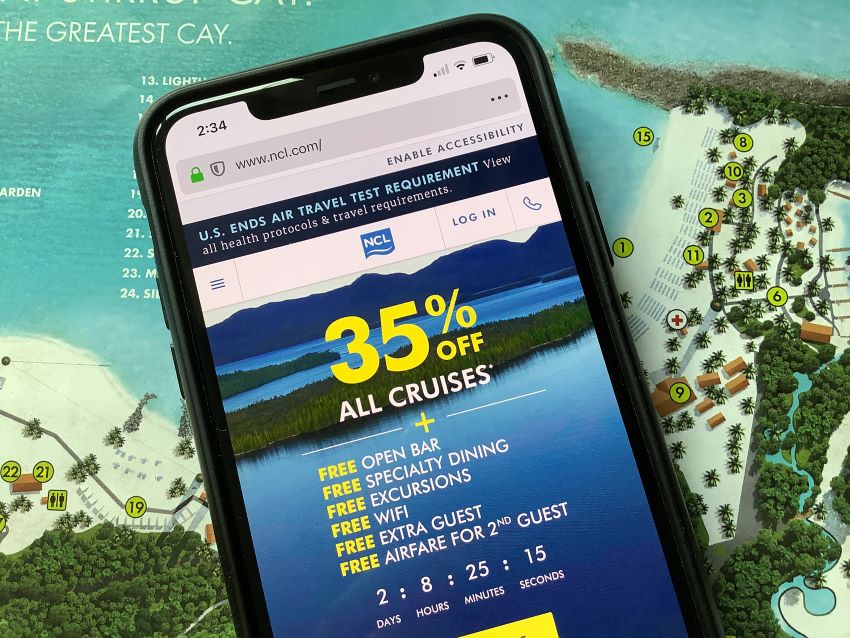
Onboard Wi-Fi Packages
The primary way to access the internet while at sea on your cruise is through purchasing a Wi-Fi package directly from the cruise line. These packages can vary significantly in price, speed, and data allowances. Some offer unlimited access, while others are tiered based on usage. It’s essential to research your specific cruise line’s offerings before you depart.
- Speed and Reliability: Ship Wi-Fi can often be slower and less reliable than land-based internet due to the satellite technology used to connect the vessel to the mainland. This can impact activities like streaming video, making video calls, or even loading complex web pages.
- Cost: Expect to pay a premium for onboard Wi-Fi. Daily rates can range from $20 to $50 or more, depending on the package and cruise line. Multi-day or unlimited packages might offer a slight discount per day.
- Data Limits: Some packages come with data caps, and exceeding these can result in additional charges or a significant slowdown in service. Be mindful of your usage, especially if you plan to use it for work or extensive social media.
Does T-Mobile Roam Automatically on Cruise Ships?
Generally, no. T-Mobile does not automatically provide cellular service on cruise ships as they are considered international waters and the ship operates its own cellular network, often a “maritime network” or “in-flight” type network. When you see your phone display “Searching for Service” or a specific carrier name that isn’t familiar while at sea, it’s usually the ship’s network. Attempting to connect to these networks without a specific cruise-based international plan will likely result in extremely high roaming charges.
T-Mobile’s International Roaming Policies
T-Mobile is known for its generous international roaming benefits on its Magenta plans. These plans typically include free international data and texting at slower speeds in many countries. However, these benefits usually apply to land-based cellular networks in those countries, not the specialized networks found on cruise ships. Always check the fine print of your specific T-Mobile plan or contact T-Mobile customer service directly to confirm the exact terms and conditions for international roaming and maritime services.
Wi-Fi Calling with T-Mobile
If your T-Mobile plan supports Wi-Fi calling, this could be a lifesaver when you have access to the ship’s Wi-Fi. Wi-Fi calling allows you to make and receive calls and texts over a Wi-Fi network, using your regular phone number. This can be a cost-effective way to stay in touch if you’ve purchased an onboard Wi-Fi package.
- Enabling Wi-Fi Calling: Ensure Wi-Fi calling is enabled on your T-Mobile device before you leave. You can usually find this setting in your phone’s network or cellular settings.
- International Wi-Fi Calling: T-Mobile generally includes Wi-Fi calling from international locations at no extra charge. This means that even if you are in international waters, if you can connect to the ship’s Wi-Fi and it allows Wi-Fi calling, your calls and texts should be covered by your plan’s domestic rates or international roaming benefits, avoiding exorbitant per-minute charges.
Connectivity in Bahamian Ports of Call

Once your cruise docks in the Bahamas, the connectivity landscape changes dramatically. You will be using local cellular networks, and this is where T-Mobile’s international roaming capabilities typically come into play.
T-Mobile’s International Roaming in the Bahamas
The Bahamas is generally included in T-Mobile’s international roaming packages for its Magenta plans. This means you can usually expect:
- Data Access: You’ll likely have access to data at high speeds, though the exact speeds and data allowances can vary depending on the specific plan. Some plans offer unlimited high-speed data, while others might have a cap before slowing down.
- Texting: International texting is almost always included and is a convenient way to stay in touch.
- Voice Calls: Voice calls made from the Bahamas back to the United States are often included at no extra charge or at a reduced international calling rate, depending on your plan. Calls to local Bahamian numbers or other international destinations will incur different rates.
Navigating Local Networks
When you arrive in a port such as Nassau or Freeport, your phone will automatically attempt to connect to a local cellular network. T-Mobile has roaming agreements with carriers in the Bahamas, ensuring that you can leverage their network.
- Checking Your Plan Details: Before your trip, it’s wise to log into your T-Mobile account or call customer service to confirm that the Bahamas are covered under your current international roaming benefits and to understand any specific data or usage limits.
- Manual Network Selection: In rare cases, if your phone doesn’t automatically connect to a preferred network, you might be able to manually select a carrier through your phone’s network settings. However, it’s generally best to let your phone select automatically to ensure you connect to a network with a roaming agreement.
Strategies for Managing Connectivity on Your Cruise
Whether you’re relying on onboard Wi-Fi or local networks in port, a proactive approach to connectivity management can save you money and frustration.
Pre-Cruise Planning
- Research Cruise Line Wi-Fi: Understand the Wi-Fi options offered by your cruise line. Look at pricing, speed, and data limits for the duration of your cruise. Consider whether a package is necessary for your needs.
- Verify T-Mobile Plan: Confirm T-Mobile’s international roaming benefits for the Bahamas and understand their policies on maritime networks. Ensure Wi-Fi calling is enabled on your device.
- Download Offline Content: Before you leave Florida, download maps, music, podcasts, and any essential documents to your device. This will reduce your reliance on internet access.
During the Cruise
- Prioritize Wi-Fi Calling: When you need to make calls or send texts, use your purchased ship Wi-Fi and leverage Wi-Fi calling. This is often the most cost-effective method for staying in touch while at sea.
- Strategic Use of Onboard Wi-Fi: Use the ship’s Wi-Fi for essential tasks like checking emails, brief social media updates, or quick messaging. Avoid streaming high-definition video or large file downloads unless you have an unlimited, high-speed package.
- Monitor Data Usage: If you have a data-limited Wi-Fi package, keep a close eye on your usage. Many devices have built-in data monitors.
- Connect Only When Necessary: When in port in the Bahamas, your phone will likely use local networks. Be mindful of your data consumption, especially if your plan has limitations. Consider turning off cellular data when you don’t need it, or enabling data saver modes.
- Utilize Free Wi-Fi in Port: Some cafes or public areas in Bahamian ports might offer free Wi-Fi, which can be a good alternative for occasional connectivity needs.

Alternatives to Cellular Data
- Satellite Phones: For critical communication needs where reliable connectivity is essential, consider renting a satellite phone. These are expensive but offer service in virtually any location.
- Local SIM Cards: In some destinations, purchasing a local SIM card can be more cost-effective than international roaming. However, for short Bahamian trips, T-Mobile’s roaming is often sufficient and more convenient.
By understanding how mobile services work on cruise ships and in international destinations like the Bahamas, and by employing a thoughtful approach to connectivity, you can ensure you remain connected without facing unexpected charges. A T-Mobile plan can offer significant benefits for your Florida to Bahamas cruise, provided you are aware of the nuances of maritime and international roaming.
LifeOutOfTheBox is a participant in the Amazon Services LLC Associates Program, an affiliate advertising program designed to provide a means for sites to earn advertising fees by advertising and linking to Amazon.com. Amazon, the Amazon logo, AmazonSupply, and the AmazonSupply logo are trademarks of Amazon.com, Inc. or its affiliates. As an Amazon Associate we earn affiliate commissions from qualifying purchases.