
Understanding the agricultural and horticultural landscape of a region is fundamental to unlocking its full potential, whether for seasoned gardeners, agricultural professionals, or even urban planners. For those looking to cultivate thriving plant life in Dallas, Texas, pinpointing the correct USDA Plant Hardiness Zone is the crucial first step. This zone designation, based on average annual minimum winter temperatures, dictates which plants are likely to survive and flourish in a given area. Dallas, with its distinct climate, falls within a specific range that informs everything from backyard vegetable gardens to large-scale landscaping projects.
Understanding USDA Plant Hardiness Zones
The United States Department of Agriculture (USDA) developed the Plant Hardiness Zone Map as a standard tool for determining which perennial plants are most likely to survive the winter in a particular location. The map is divided into ten zones, with Zone 1 being the coldest and Zone 10 being the warmest. Each zone is further divided into “a” and “b” subsections, representing a 5-degree Fahrenheit temperature difference. For instance, Zone 7a is colder than Zone 7b.
How Zones Are Determined
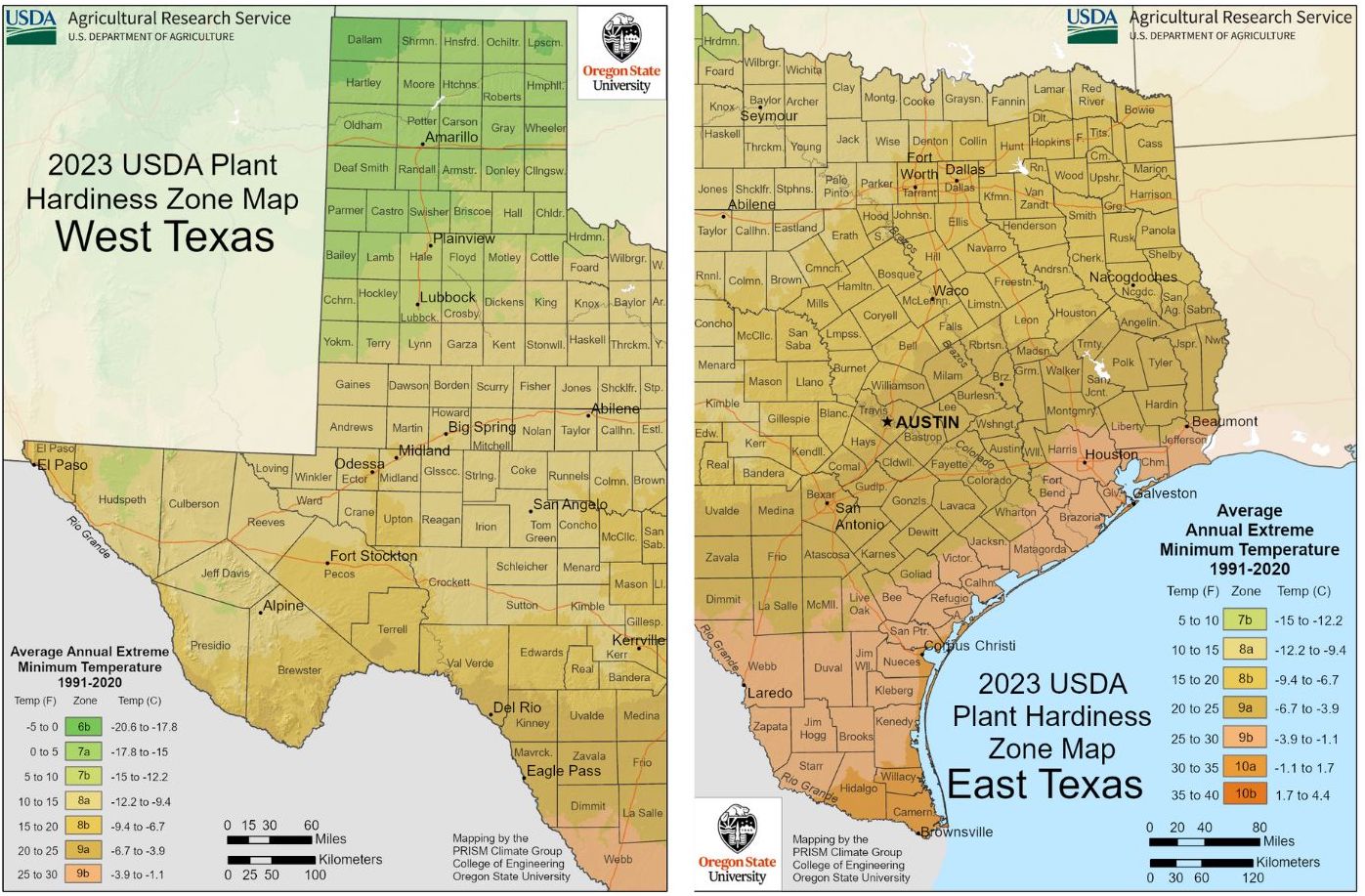
The primary factor in determining a zone is the average annual minimum winter temperature. This isn’t about the coldest temperature ever recorded, but rather the average of the lowest temperatures experienced over a period of time. This average provides a reliable indicator of the lowest temperatures a plant might encounter in a typical winter. Plants are then categorized into these zones based on their cold tolerance. If a plant is rated for Zone 7b, it means it can typically survive winters where the average annual minimum temperature is between 5°F and 10°F (-15°C to -12°C).
Importance for Gardeners and Landscape Professionals
For anyone involved in planting, particularly perennials (plants that live for more than two years), understanding the zone is paramount. It prevents the disheartening experience of a plant failing to survive the winter, saving both time and money. Landscape architects, nursery owners, and agricultural researchers all rely on this information to make informed decisions about plant selection, species suitability, and the overall success of planting initiatives. Choosing plants that are rated for your specific zone ensures they have the best chance of establishing deep roots and surviving seasonal temperature fluctuations.
Dallas, Texas: Navigating the Climate
Dallas, Texas, is known for its warm summers and relatively mild winters, though occasional cold snaps can occur. This climate presents unique opportunities and challenges for plant cultivation. The geographical location of Dallas within Texas places it in a transitional zone, influenced by both continental and subtropical air masses. This means that while generally warm, the city can experience periods of significant cold, particularly during severe winter weather events.
Average Winter Temperatures in Dallas
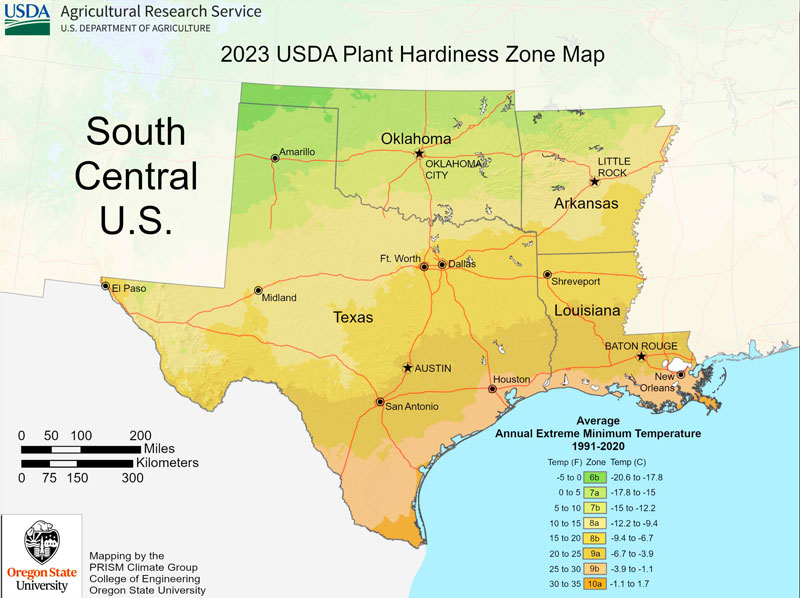
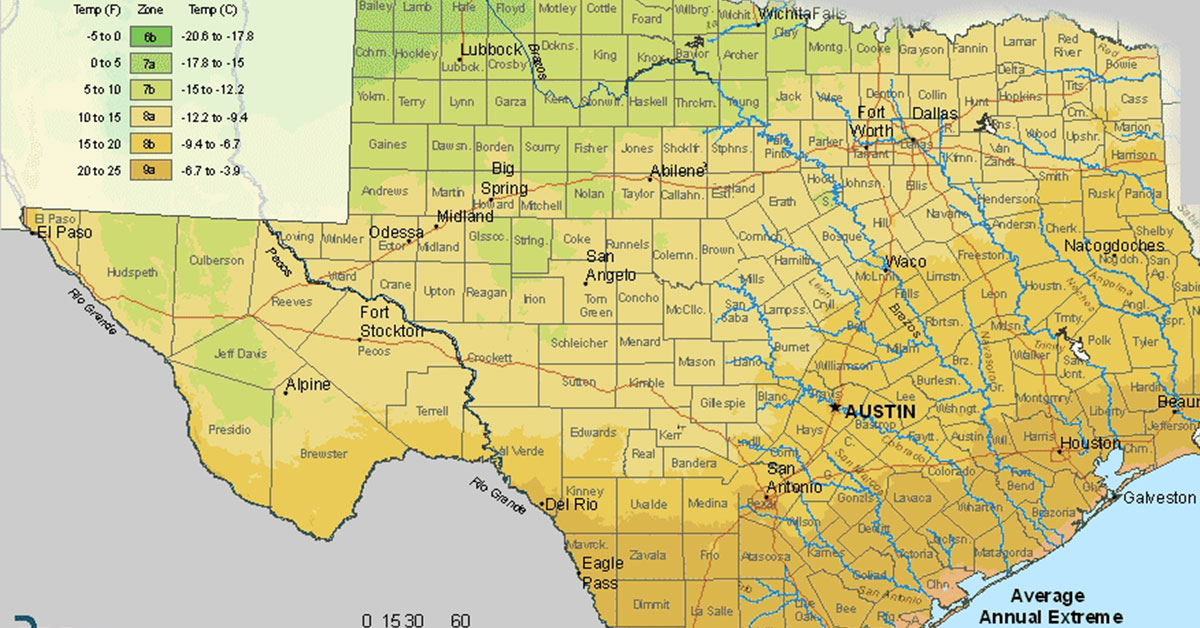
The average annual minimum winter temperature in Dallas typically falls within the range of Zone 8a and Zone 8b. Zone 8a generally experiences average minimum winter temperatures between 10°F and 15°F (-12°C to -9°C), while Zone 8b ranges from 15°F to 20°F (-9°C to -7°C). This classification highlights that while Dallas is not subjected to the extreme cold of northern states, it does experience temperatures low enough to kill off less hardy tropical or subtropical plants. The possibility of occasional dips below 10°F means that even plants rated for Zone 8b might be at risk during unusually harsh winters.
Microclimates Within Dallas
It is important to note that Dallas is not a monolithic climate zone. Microclimates can significantly influence plant survival. Urban areas, for instance, often benefit from the “urban heat island” effect, where buildings and pavement absorb and retain heat, leading to slightly warmer temperatures compared to surrounding rural areas. Conversely, low-lying areas or those with poor drainage might be colder and wetter, impacting plant hardiness. Factors such as proximity to bodies of water, exposure to wind, and the presence of large trees or structures can all create variations within the broader Dallas climate.
Identifying Your Specific Dallas Garden Zone
While the general consensus places Dallas in Zone 8, gardeners should always confirm their specific location’s designation. The USDA map is a valuable resource, but local gardening experts and nurseries can offer even more precise guidance.
Utilizing the USDA Plant Hardiness Zone Map
The USDA provides an interactive online map that allows users to enter their zip code and receive an accurate zone determination. This is the most authoritative source for official zone information. For Dallas, Texas, inputting zip codes for various neighborhoods will typically confirm the Zone 8 classification, often with variations between 8a and 8b depending on the specific locale within the metropolitan area.
Consulting Local Resources
Beyond the USDA map, local resources are invaluable. Dallas has a vibrant gardening community, and local nurseries, botanical gardens, and agricultural extension offices are excellent sources of information. Staff at these establishments are intimately familiar with the success and failures of various plants in the Dallas environment. They can provide tailored advice based on specific neighborhood conditions and even recommend plant varieties known to perform exceptionally well in the local climate. For example, the Dallas Arboretum and Botanical Garden is a prime example of a local institution that showcases plants suited to the region and offers educational programs.
Plants Thriving in Dallas’s Garden Zones
With Dallas situated primarily in USDA Hardiness Zones 8a and 8b, a wide array of plants can successfully thrive. This zone designation allows for a diverse selection of both flowering plants and edible crops, provided they are suited to the region’s hot summers and mild winters.
Perennials for Zone 8
Perennial plants are the backbone of a sustainable garden, returning year after year. In Dallas, Zone 8 gardeners can explore a rich selection of these resilient plants.
- Flowering Perennials: Many beloved flowering plants are well-suited for Dallas. These include varieties of roses (such as the ‘Knock Out’ series), coneflowers (Echinacea), black-eyed Susans (Rudbeckia), daylilies (Hemerocallis), and ornamental grasses like Muhly Grass. For vibrant spring color, bulbs such as tulips and daffodils can be planted, though they often require chilling periods that may need to be addressed in warmer zones. Lavender, with its drought tolerance once established, is also a popular choice.
- Shrubs and Trees: Hardy shrubs that perform well in Dallas include hydrangeas (though they may need protection from the harshest afternoon sun), azaleas, and camellias. Native Texas shrubs like the Texas Sage (Leucophyllum frutescens) are exceptionally well-adapted to the local climate, requiring minimal water once established and blooming prolifically after rainfall. For trees, varieties like Live Oaks (Quercus virginiana), Pecan trees (Carya illinoinensis), and Crape Myrtles (Lagerstroemia) are iconic and well-suited to the Dallas environment.
Edible Gardening in Dallas
The gardening zone of Dallas also supports a robust edible gardening season. While the heat of summer requires careful plant selection, the mild winters allow for extended growing periods and even some winter crops.
- Spring and Fall Gardens: The most productive times for vegetable gardening in Dallas are spring and fall. Cool-season crops like lettuce, spinach, peas, broccoli, cauliflower, carrots, and radishes can be planted in early spring and again in the fall.
- Summer Crops: During the hot Dallas summers, heat-loving vegetables can be cultivated. Tomatoes, peppers, eggplant, okra, sweet potatoes, and melons are generally well-suited to the heat. However, strategies to mitigate extreme temperatures are often necessary, such as providing shade during the hottest part of the day or choosing heat-tolerant varieties.
- Winter Crops: The mild winters in Dallas allow for the cultivation of certain crops through the cooler months. Garlic, onions, kale, collard greens, and mustard greens can often be grown successfully throughout the winter.
Adapting Your Gardening Practices for Dallas
Beyond understanding the garden zone, successful gardening in Dallas requires adapting practices to suit the region’s specific climatic conditions, particularly its intense summer heat and potential for drought.
Water Management and Drought Tolerance
Texas, and Dallas in particular, can experience periods of significant drought. Implementing water-wise gardening practices is essential.
- Drought-Tolerant Plants: Prioritizing native and well-adapted drought-tolerant plants significantly reduces water needs. These plants have evolved to survive on less water and are often more resilient to the local climate.
- Mulching: Applying a thick layer of organic mulch around plants helps retain soil moisture, suppress weeds, and regulate soil temperature.
- Efficient Irrigation: Drip irrigation or soaker hoses deliver water directly to the plant roots, minimizing evaporation compared to overhead sprinklers. Watering deeply and less frequently encourages plants to develop deeper root systems, making them more drought-resistant. Watering early in the morning is also recommended to reduce water loss through evaporation.
Managing Summer Heat
The prolonged and intense summer heat in Dallas can stress even well-established plants.
- Shade and Protection: For heat-sensitive plants, providing afternoon shade with shade cloth or by strategically planting them near larger, heat-tolerant shrubs or trees can be beneficial.
- Soil Health: Healthy soil rich in organic matter improves water retention and nutrient availability, helping plants better withstand heat stress.
- Timing of Activities: Avoid strenuous gardening activities like pruning or transplanting during the hottest parts of the day or during extreme heat waves.
By understanding the USDA Plant Hardiness Zone for Dallas, Texas, and by implementing climate-appropriate gardening practices, residents can cultivate beautiful and productive landscapes that reflect the unique character of this dynamic region. Whether aiming for a vibrant floral display or a bountiful vegetable patch, knowledge of one’s garden zone is the indispensable foundation for horticultural success.
LifeOutOfTheBox is a participant in the Amazon Services LLC Associates Program, an affiliate advertising program designed to provide a means for sites to earn advertising fees by advertising and linking to Amazon.com. Amazon, the Amazon logo, AmazonSupply, and the AmazonSupply logo are trademarks of Amazon.com, Inc. or its affiliates. As an Amazon Associate we earn affiliate commissions from qualifying purchases.