
Navigating the complexities of identification requirements can be a daunting task, especially when planning essential travel or engaging in activities that necessitate official documentation. For residents and visitors of California, understanding the nuances of the Real ID Act is paramount. This federal mandate, designed to enhance national security, has specific implications for daily life, particularly concerning air travel and access to federal facilities. While not a universal replacement for all forms of identification, a Real ID-compliant driver’s license or identification card is increasingly becoming a necessity for certain key activities.
The primary driver behind the Real ID Act, enacted by Congress in 2005, was to establish minimum security standards for state-issued driver’s licenses and identification cards. These standards aim to prevent fraudulent identification and ensure that each card is issued only to individuals who can prove their identity and lawful presence in the United States. For California and other states, this meant a significant overhaul of their identification issuance processes, requiring applicants to provide more robust documentation.
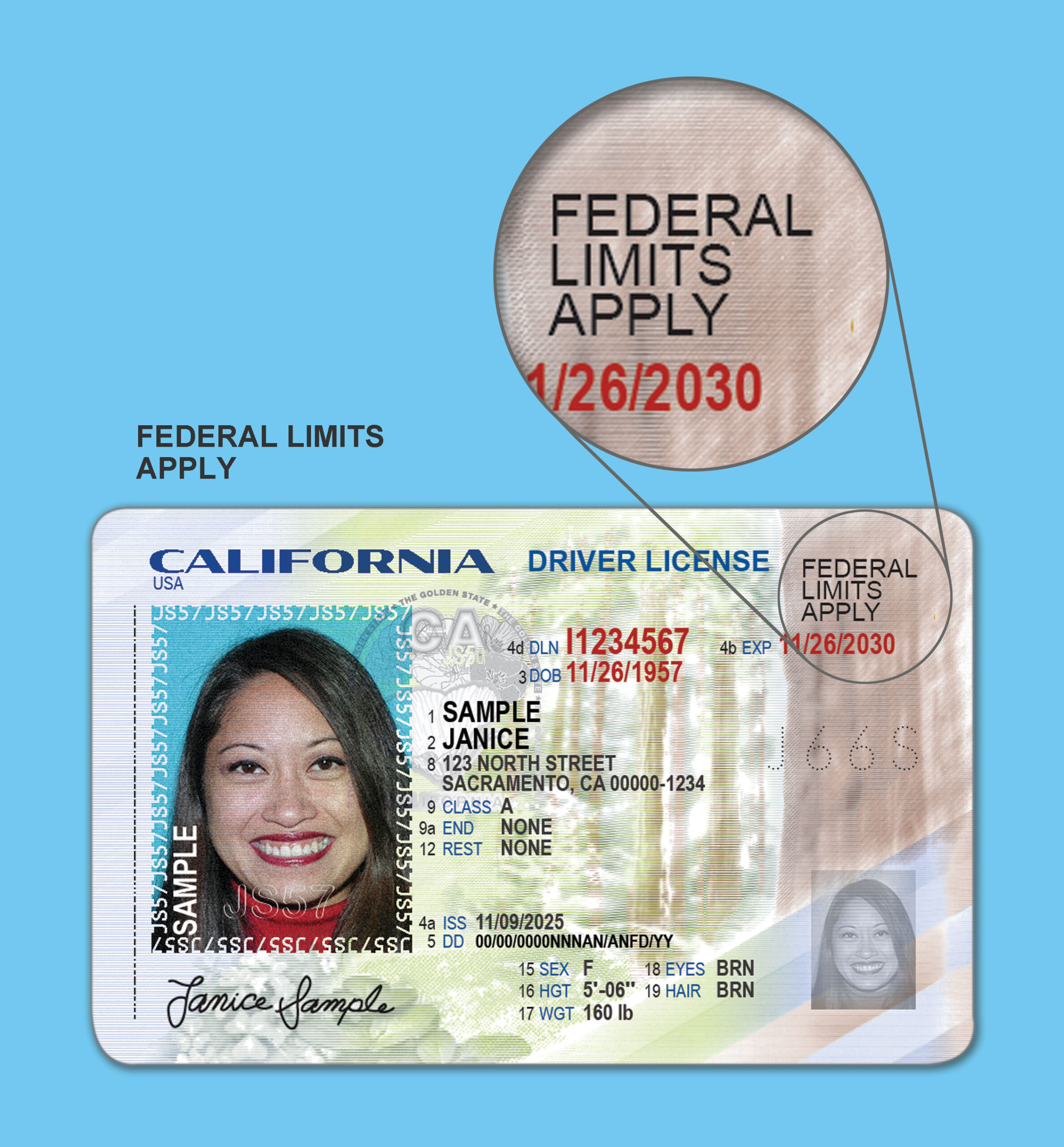
The most visible and frequently encountered requirement for a Real ID in California pertains to domestic air travel. As of May 7, 2025, passengers will need to present a Real ID-compliant driver’s license or identification card, or another acceptable form of identification, to board federally regulated commercial aircraft. This means that if your current California driver’s license or ID card does not display the Real ID star symbol, you will need to upgrade to a Real ID if you intend to fly domestically without presenting an alternative form of identification.
Understanding the Real ID Star Symbol
The visual indicator for a Real ID-compliant card in California is a small gold star in the upper right corner of the card. This star signifies that the issuing Department of Motor Vehicles (DMV) has verified the applicant’s identity, date of birth, Social Security number, and residency. Without this star, a standard California driver’s license or identification card will not be sufficient for domestic air travel after the enforcement date.
It is crucial to understand that a standard California driver’s license or identification card will still be valid for other purposes, such as driving, voting, or entering federal buildings that do not require a Real ID. However, for the specific purpose of boarding a domestic flight, the Real ID becomes indispensable.
Alternatives to Real ID for Air Travel
For individuals who choose not to obtain a Real ID, or who are unable to do so by the deadline, alternative forms of identification will still be accepted for domestic air travel. The Transportation Security Administration (TSA) maintains a list of acceptable IDs, which includes:
- U.S. Passport or Passport Card: A universally accepted form of identification.
- DHS Trusted Traveler Cards: Such as Global Entry, NEXUS, and SENTRI cards.
- U.S. Department of Defense IDs: Including IDs issued to active duty, retired, and their dependents.
- Permanent Resident Card: Also known as a “Green Card.”
- State-issued Enhanced Driver’s License: Some states offer enhanced driver’s licenses that meet Real ID standards.
- Federally Recognized, Tribal-issued Photo ID: Such as those issued by federally recognized Native American tribes.
- HSPD-12 PIV card.
- Foreign government-issued passport.
- Canadian Provincial Driver’s License or Indian and Northern Affairs Canada ID.
- Transportation Worker Identification Credential (TWIC) card.
- U.S. Citizenship and Immigration Services Employment Authorization Card (I-766).
- U.S. Merchant Mariner Credential.
This list is not exhaustive, and the TSA website provides the most up-to-date information. However, the convenience of a Real ID lies in its single-card solution for multiple federal requirements, simplifying the process of air travel.
Accessing Federal Facilities
Beyond air travel, a Real ID-compliant card will also be required for accessing certain federal facilities. This includes:
- Federal Courthouses: For entry into buildings housing federal courts.
- Federal Prisons: For visitation or official business.
- Military Bases: For entry onto U.S. military installations.
- Nuclear Power Plants: For access to these secure facilities.
It is important to note that the requirement for accessing federal facilities may have a phased implementation. However, the overarching goal of the Real ID Act is to ensure that federal agencies are only granting access to individuals whose identities have been thoroughly verified.
Gradual Implementation and Future Requirements
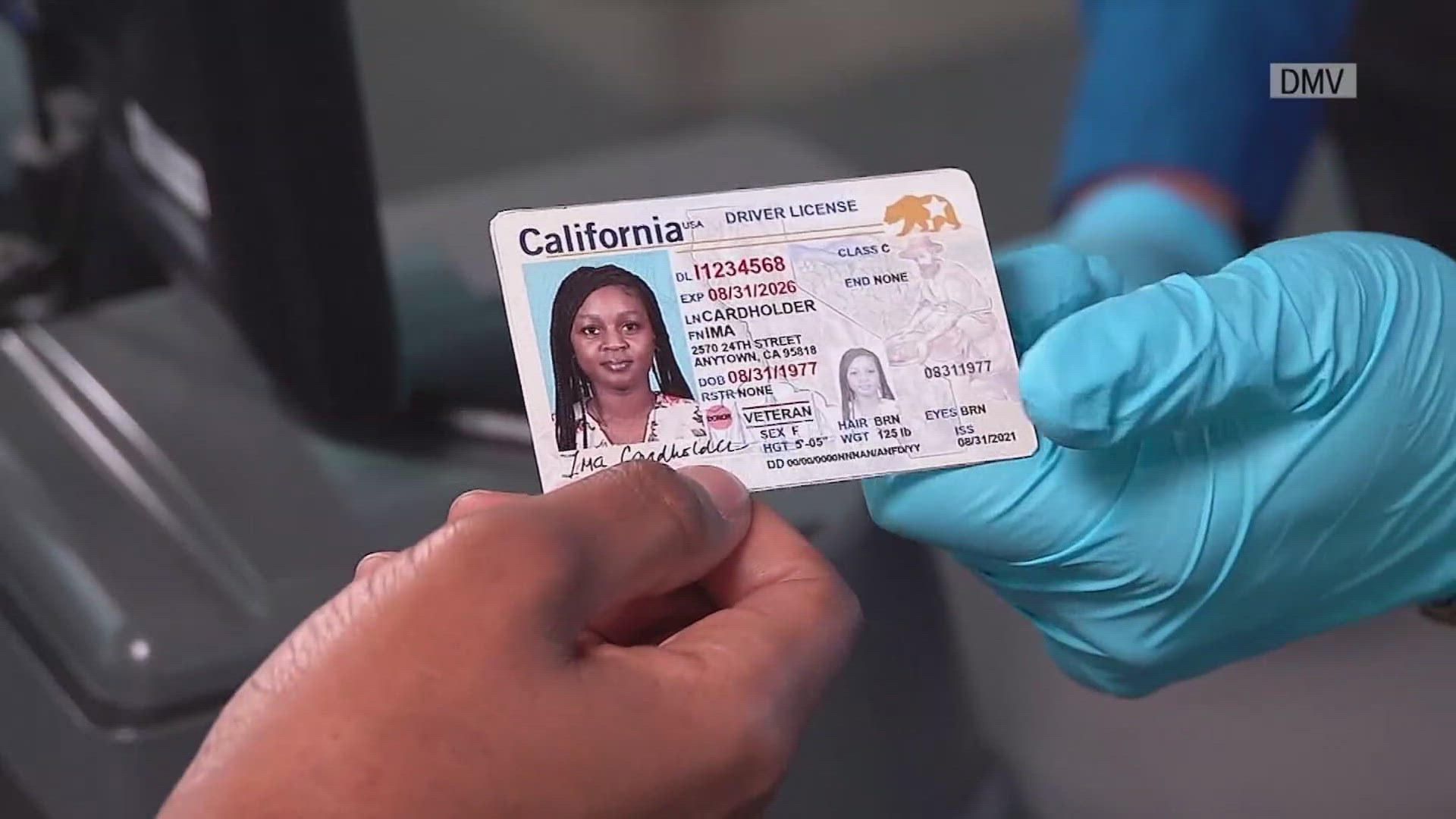
The enforcement date for Real ID has been extended multiple times, reflecting the significant undertaking for states to comply with the new standards. As of the latest updates, the deadline for individuals to possess a Real ID for domestic air travel is May 7, 2025. Federal agencies will also be transitioning to Real ID requirements for entry.
While the immediate focus is on air travel and federal facility access, it’s prudent to consider the long-term implications. The spirit of the Real ID Act is about bolstering national security through robust identity verification. It is plausible that other sectors might adopt similar standards in the future, though no concrete plans have been announced for widespread adoption beyond the current scope.
Obtaining a Real ID in California
The process of obtaining a Real ID in California involves a visit to a California Department of Motor Vehicles (DMV) office. Applicants must present original or certified copies of specific documents to prove their identity, date of birth, Social Security number, and residency. These documents typically include:
Required Documentation
- Proof of Identity and Date of Birth: Typically a certified copy of a birth certificate, a U.S. passport, or a U.S. birth certificate.
- Proof of Social Security Number: A Social Security card, W-2 form, or a pay stub with the full Social Security number.
- Proof of Residency: Two different documents showing your California address. Examples include utility bills, rental agreements, mortgage statements, or bank statements.
- Proof of Legal Presence: For non-U.S. citizens, this could include an employment authorization document, permanent resident card, or foreign passport with a valid visa.
It is highly recommended to check the official California DMV website for the most current and comprehensive list of acceptable documents, as requirements can be specific. Many DMV offices require appointments, so planning ahead is essential to avoid lengthy wait times.
The Application Process
At the DMV office, you will fill out an application form, present your documents for verification, and have your photograph taken. There is also a fee associated with obtaining a Real ID, which is typically the same as the fee for a standard driver’s license or identification card renewal.
The DMV will then process your application. You will receive a temporary Real ID at the office, and your permanent card will be mailed to you within a few weeks. It is vital to ensure all your documents are in order before your visit to streamline the process.
Planning Your Travel with Real ID
For frequent travelers, obtaining a Real ID is a straightforward way to ensure seamless domestic air travel. The convenience of having a single document that satisfies both driving and federal identification requirements simplifies travel planning. Consider your travel habits and any upcoming trips to California or within the United States.
If you plan to visit popular destinations like Los Angeles, San Francisco, or any other city requiring flights, a Real ID will become your primary travel credential. Even if you are a tourist visiting from another country, understanding these domestic requirements is beneficial. Travelers from outside the U.S. may use their passports and visas for domestic air travel, but for those who have established residency or are seeking to obtain a California ID, the [Real ID](https://lifeout complementariness.com/real-id) is the relevant consideration.
The Convenience Factor
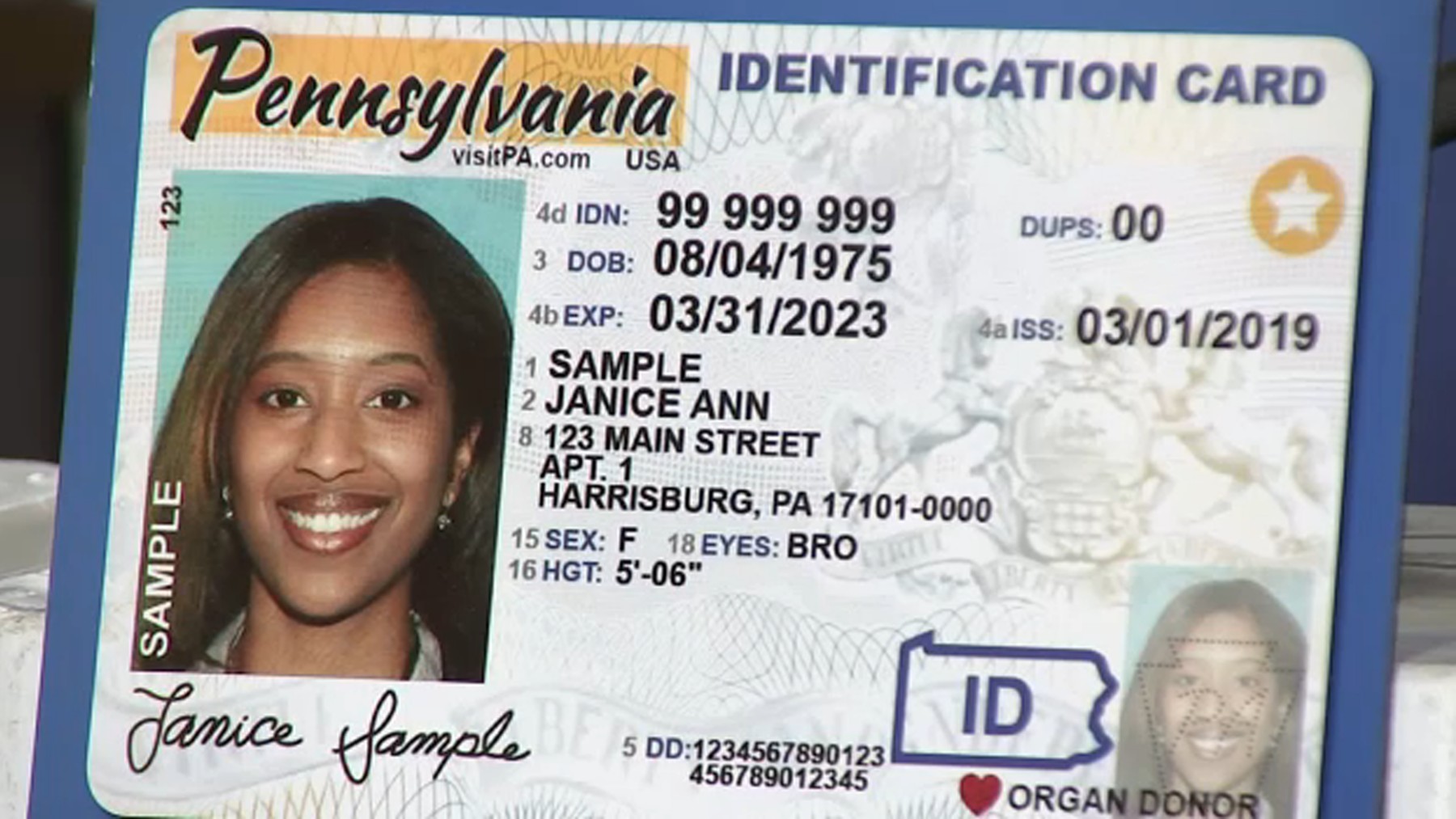
The core benefit of a Real ID is its ability to streamline access. Instead of juggling multiple forms of identification for different scenarios, a [Real ID](https://lifeout complementariness.com/real-id) serves as a unified credential. This is particularly advantageous for business travelers who may need to access federal buildings or fly frequently. For families planning vacations, having everyone in possession of a [Real ID](https://lifeout complementariness.com/real-id) can make the airport experience much smoother.
In conclusion, the requirement for a [Real ID](https://lifeout complementariness.com/real-id) in [California](https://lifeout complementariness.com/california) is primarily driven by federal mandates for domestic air travel and access to secure federal facilities. By understanding the implications, the necessary documentation, and the application process, [California](https://lifeout complementariness.com/california) residents and those seeking to interact with federal entities can proactively ensure they meet these important identification standards before the May 7, 2025, deadline.
LifeOutOfTheBox is a participant in the Amazon Services LLC Associates Program, an affiliate advertising program designed to provide a means for sites to earn advertising fees by advertising and linking to Amazon.com. Amazon, the Amazon logo, AmazonSupply, and the AmazonSupply logo are trademarks of Amazon.com, Inc. or its affiliates. As an Amazon Associate we earn affiliate commissions from qualifying purchases.