
Understanding time zones is crucial for seamless travel and communication, especially when planning a trip to a vast state like Texas. While the question “What GMT is Texas?” might seem straightforward, the reality involves a nuanced understanding of its geographic positioning and the two primary time zones that govern its sprawling landscape. Unlike some regions that strictly adhere to a single standard, Texas presents a fascinating case study in temporal divisions.
The Dominant Time Zone: Central Time
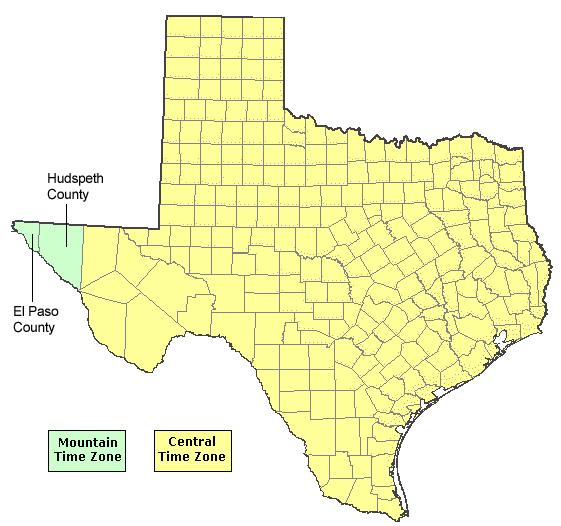
The overwhelming majority of Texas operates on Central Standard Time (CST) during the standard months and Central Daylight Time (CDT) when daylight saving is observed. Central Time is UTC-6 during standard time and UTC-5 during daylight saving. This places most of the state six hours behind Coordinated Universal Time (UTC) for CST and five hours behind for CDT.
Understanding UTC and Its Relation to Texas
Coordinated Universal Time (UTC) is the primary time standard by which the world regulates clocks and time. It is essentially the successor to Greenwich Mean Time (GMT). For practical purposes, especially in North America, UTC is often used interchangeably with GMT, though they are technically distinct. When someone asks “What GMT is Texas?”, they are generally inquiring about its position relative to UTC or the time in Greenwich, London.
Given that most of Texas observes Central Time, its relationship to UTC is consistently defined. During CST, Texas is six hours behind UTC. For example, if it is 12:00 PM UTC, it is 6:00 AM in most of Texas. When CDT is in effect, the difference shrinks to five hours. Therefore, if it is 12:00 PM UTC, it is 7:00 AM in the Central Daylight Time zone.
The Scope of Central Time in Texas
The Central Time Zone encompasses the vast majority of the state’s population and its major urban centers. This includes cities such as:
- Houston
- Dallas
- San Antonio
- Austin
- Fort Worth
- El Paso (Note: While El Paso is geographically in the Mountain Time Zone, it observes Central Time due to practical reasons and proximity to the rest of the state.)
This broad application of Central Time simplifies travel and business operations for most Texans and visitors. When you land at Dallas/Fort Worth International Airport or navigate the streets of Austin, you will be operating under Central Time.
The Exception: Mountain Time
While Central Time dominates, there is a small, albeit geographically significant, portion of Texas that observes Mountain Time. This is the westernmost tip of the state, primarily encompassing the city of El Paso and its surrounding county, El Paso County.
Understanding Mountain Time’s Relation to UTC
Mountain Time is UTC-7 during standard time (Mountain Standard Time – MST) and UTC-6 during daylight saving time (Mountain Daylight Time – MDT). This means that when most of Texas is on Central Time, El Paso is one hour behind.
For example, if it is 12:00 PM UTC, it is 6:00 AM in most of Texas (on CST). However, in El Paso, it would be 5:00 AM MST. During daylight saving, when most of Texas is on CDT (UTC-5), El Paso would be on MDT (UTC-6), still maintaining a one-hour difference.

The Geographic and Practical Considerations of Mountain Time in Texas
The adherence to Mountain Time in El Paso is largely due to its geographical proximity to New Mexico and its historical ties to the Mountain Time Zone. Many residents and businesses in El Paso have strong economic and social connections with neighboring New Mexico communities, which also observe Mountain Time. This shared time zone facilitates daily interactions, business transactions, and personal communication across the state line.
When traveling to El Paso from other parts of Texas, it is essential to remember to adjust your watch back by one hour. This small but significant adjustment can prevent confusion and ensure you arrive on time for appointments or events.
Daylight Saving Time in Texas
Like most of the United States, Texas observes Daylight Saving Time (DST). DST begins on the second Sunday in March and ends on the first Sunday in November. During this period, clocks are moved forward by one hour.
Impact on Central Time
For the vast majority of Texas under Central Time, this means transitioning from CST (UTC-6) to CDT (UTC-5). This shift effectively means that during DST, Texas is five hours behind UTC.
Impact on Mountain Time
In the western tip of Texas observed by Mountain Time, the transition is from MST (UTC-7) to MDT (UTC-6). This keeps El Paso one hour behind the rest of the state, regardless of whether DST is in effect.
It is worth noting that there have been discussions and attempts to opt out of Daylight Saving Time in Texas, but as of now, DST remains in effect. This means that the temporal landscape of the state shifts twice a year, requiring a moment of adjustment for residents and visitors alike.
Navigating Time Zones in Texas for Travelers
For travelers, understanding the time zone situation in Texas is a fundamental aspect of planning a successful trip. Whether you are flying into George Bush Intercontinental Airport in Houston or driving through the vast expanse of West Texas, a little temporal awareness goes a long way.
Key Considerations for Visitors
- Identify your destination within Texas: The most critical step is to know precisely where in Texas you will be spending your time. If your itinerary is confined to major cities like Dallas, Austin, or San Antonio, you will be firmly within Central Time. If your travels take you to the far western edge, specifically El Paso, you will need to account for Mountain Time.
- Factor in DST shifts: If your travel dates fall around the times when Daylight Saving Time begins or ends, be sure to check the current time locally. This is particularly important if you are coordinating meetings or calls across different time zones.
- Communicate clearly: When making arrangements with people in Texas, always specify the time zone, or even better, state the time in UTC to avoid any ambiguity. For example, instead of saying “Let’s meet at 2 PM,” you could say “Let’s meet at 2 PM Central Time.”

Practical Tips for a Smooth Experience
- Update your devices: Most modern smartphones and computers automatically adjust for time zone changes and Daylight Saving Time. However, it’s always a good idea to ensure your device’s time settings are correct.
- Use reliable resources: When in doubt, consult online time zone converters or check the local time on reputable news websites or weather apps.
- Be mindful of flight schedules: Airlines operate on the local time of the arrival and departure airports. Therefore, when booking flights into or out of Texas, the flight times listed will already be in the correct local time for each city.
In conclusion, while the simple question “What GMT is Texas?” points to a unified temporal identity, the answer is more layered. Most of Texas observes Central Time, which is UTC-6 during standard time and UTC-5 during daylight saving. However, the western city of El Paso operates on Mountain Time, which is UTC-7 during standard time and UTC-6 during daylight saving. Understanding this distinction is key to navigating the Lone Star State with temporal precision.
LifeOutOfTheBox is a participant in the Amazon Services LLC Associates Program, an affiliate advertising program designed to provide a means for sites to earn advertising fees by advertising and linking to Amazon.com. Amazon, the Amazon logo, AmazonSupply, and the AmazonSupply logo are trademarks of Amazon.com, Inc. or its affiliates. As an Amazon Associate we earn affiliate commissions from qualifying purchases.