
The vibrant culinary landscape of Houston, Texas is a tapestry woven with diverse flavors and unique dining experiences. Among the establishments that have graced its gastronomic map, Shell Shack held a distinct place, particularly for its lively atmosphere and seafood-centric menu. While the specific “happening” can refer to various scenarios—from a simple menu change to a complete closure—this exploration will delve into the typical lifecycle and potential shifts an establishment like Shell Shack might undergo within the dynamic Houston food scene, focusing on the culinary and tourism aspects of such a venue.
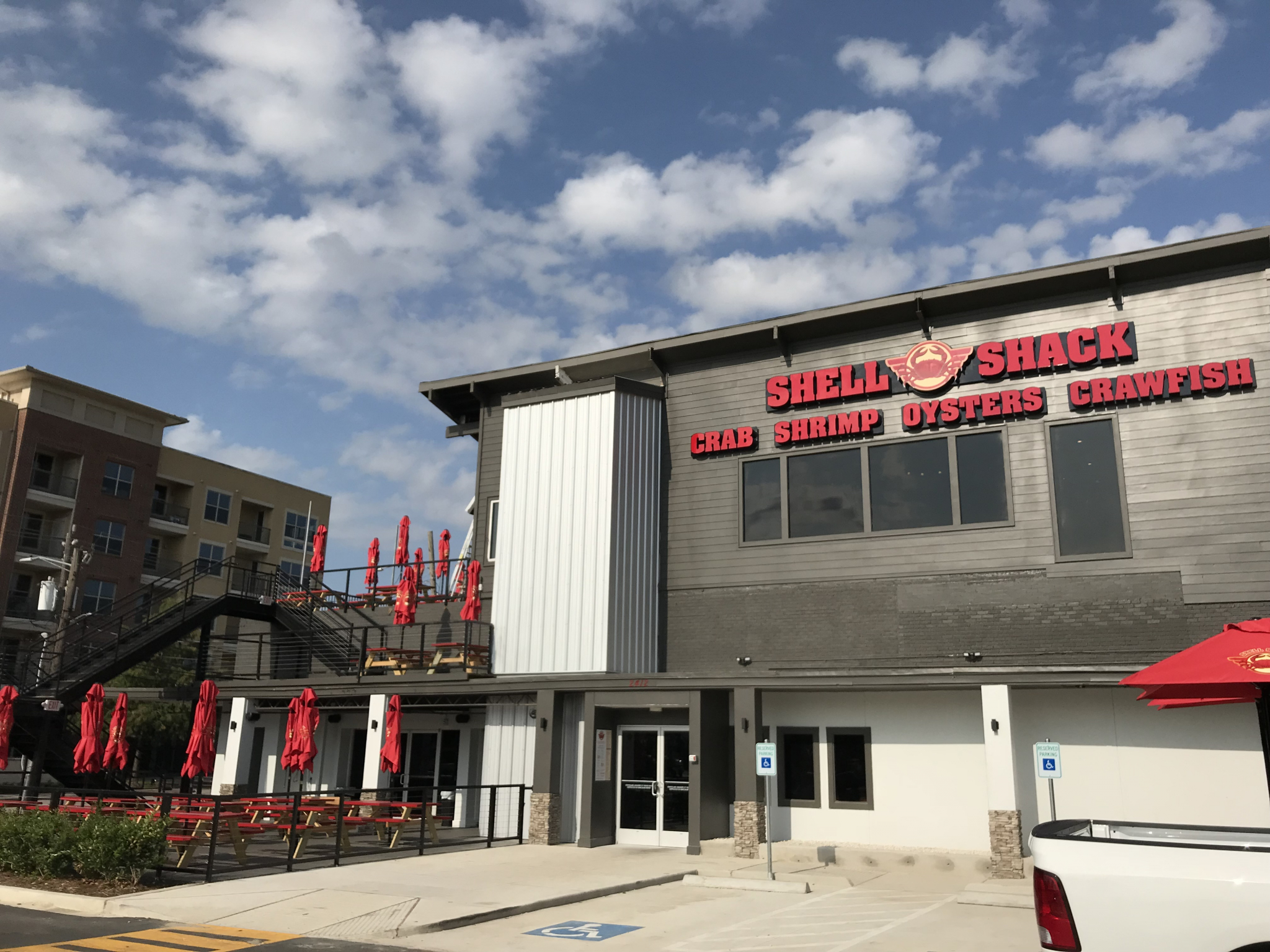
The Rise and Appeal of Shell Shack
Shell Shack carved out a niche for itself by offering a casual yet engaging dining experience centered around shellfish. Its appeal lay in several key areas that resonate with both locals and visitors exploring the culinary offerings of Houston.
A Seafood Destination
At its core, Shell Shack was a destination for seafood lovers. The menu typically featured an array of crustaceans and mollusks, from the ever-popular crawfish and shrimp to oysters and crab. This focus allowed the restaurant to hone its craft, developing signature preparations and ensuring a fresh, high-quality product. The “shack” moniker evoked a sense of unpretentious enjoyment, where diners could roll up their sleeves and savor the bounty of the sea.
The Social Dining Experience
Beyond the food, Shell Shack cultivated an environment conducive to social gatherings. The ambiance was often described as energetic, with lively music and a general buzz of conversation. This made it a popular spot for groups of friends, families, and even casual business meetings. The communal nature of enjoying seafood, often served in bags or platters, further enhanced this social aspect, turning a meal into an interactive event. This type of experience is a significant draw for the tourism sector in Houston, offering an authentic taste of Texan hospitality and a break from more formal dining settings.
Culinary Trends and Adaptations
The success of any restaurant, including one like Shell Shack, often hinges on its ability to adapt to evolving culinary trends and consumer preferences. This could involve introducing new seafood preparations, incorporating seasonal ingredients, or responding to dietary trends. For a seafood establishment in a city like Houston, which is a melting pot of global cuisines, staying relevant means not only mastering classic dishes but also being open to innovation. This could include introducing fusion elements, healthier cooking methods, or even plant-based alternatives to cater to a broader audience, thus enhancing its appeal to tourists seeking diverse food experiences.
Potential Shifts and Interpretations of “What Happened?”
The question “What Happened To Shell Shack?” can prompt several interpretations within the context of a restaurant’s existence. Understanding these potential shifts is crucial for appreciating the life cycle of dining establishments.
Operational Challenges and Market Dynamics
The restaurant industry is notoriously competitive, and Houston is no exception. Shell Shack, like any other business, would have faced a myriad of operational challenges. These could include:
- Rising Costs: Increases in the cost of seafood, labor, and overhead can put significant pressure on profit margins.
- Staffing Issues: Attracting and retaining skilled staff, from chefs to servers, is a perpetual challenge in the hospitality sector.
- Market Saturation: The sheer volume of dining options in Houston means that establishments must constantly differentiate themselves to stand out.
- Economic Downturns: Broader economic factors can affect consumer spending on dining out.
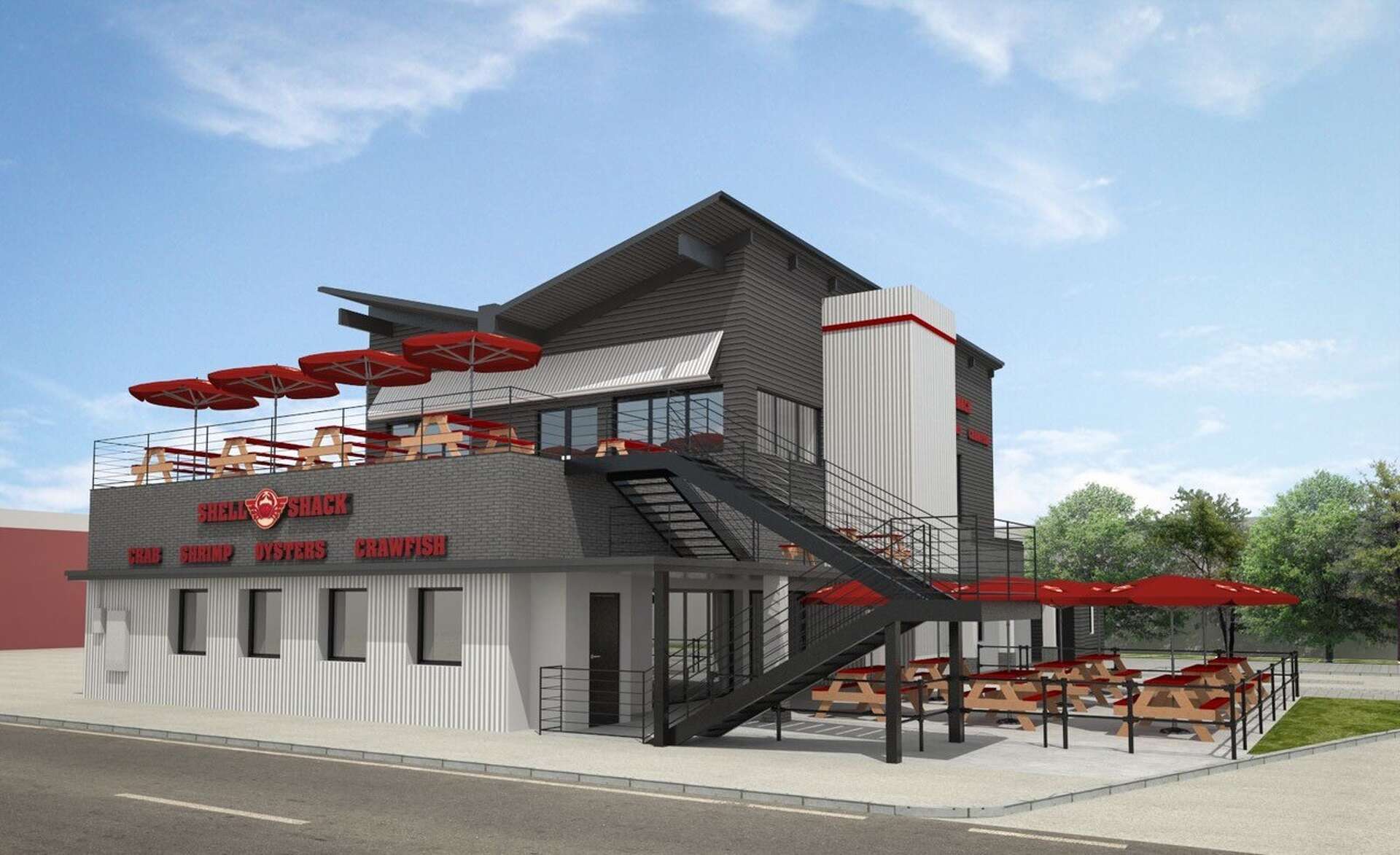
These challenges can lead to changes in operations, such as adjustments to the menu, pricing, or even a strategic decision to rebrand or relocate. For a tourist seeking recommendations, understanding these dynamics can offer insight into the reliability and longevity of certain dining venues.
Menu Evolution and Special Events
“What Happened?” might simply refer to updates or significant changes within the restaurant’s operations, rather than a complete cessation of business. For Shell Shack, this could manifest as:
- Seasonal Menu Changes: Introducing new dishes based on the availability of fresh, seasonal seafood. This is a common practice to keep the offerings exciting for regular patrons and to highlight the best produce of the region, a point of interest for food tourists.
- Limited-Time Offers (LTOs): Special promotions or themed events, such as a “Crawfish Boil Season” or “Oyster Fest,” can create buzz and attract new customers. These events are particularly appealing to tourists looking for authentic local experiences.
- Menu Revamps: A complete overhaul of the menu to introduce new signature dishes, update popular items, or respond to customer feedback. This can be a sign of a restaurant striving to remain current and competitive.
- Culinary Collaborations: Partnering with local chefs or other businesses for special dining events can introduce new audiences and create unique culinary experiences that draw visitors to Houston.
These types of developments are often positive indicators, suggesting a restaurant’s commitment to evolving and meeting the demands of its clientele. They contribute to the dynamic nature of Houston’s culinary tourism.
Rebranding or Relocation
Sometimes, a significant change for a dining establishment involves more than just menu updates. The phrase “What Happened?” could allude to a strategic shift in identity or physical location.
- Rebranding: A restaurant might undergo a rebranding to refresh its image, target a different demographic, or better reflect its current offerings. This could involve a new name, logo, interior design, and even a slight shift in cuisine focus. For instance, Shell Shack might evolve into a more upscale seafood bistro or a specialized oyster bar, catering to a different segment of the Houston dining scene.
- Relocation: Businesses, especially in rapidly developing urban areas like Houston, might relocate to secure more favorable lease terms, access a larger customer base, or find a space better suited to their operational needs. A move to a different neighborhood or a larger venue can signify growth and ambition. This can be an important point of information for tourists planning their itinerary, ensuring they are looking for the establishment in the correct location.
These larger strategic decisions are often driven by a desire for long-term sustainability and growth, aiming to capitalize on the vibrant Houston market.
The Hypothetical Closure and Its Implications
While not definitively stated in the prompt, the question “What Happened To Shell Shack?” can also imply a closure. The closure of a well-regarded establishment can have ripple effects within the local food community and for those who frequent it.
Reasons for Closure
A closure, whether voluntary or involuntary, usually stems from a confluence of factors. For Shell Shack, potential reasons could include:
- Financial Unsustainability: Persistent operational challenges, declining customer numbers, or an inability to adapt to market changes can lead to financial losses that are no longer viable.
- Owner Decision: The owners might decide to retire, pursue other ventures, or simply feel that it is time to move on.
- Lease Expiration or Unfavorable Lease Terms: In a competitive real estate market like Houston, unfavorable lease renewals or the expiration of a lease can force a closure.
- External Factors: Unforeseen events, such as natural disasters impacting operations or widespread economic disruptions, can also contribute to closure.

Impact on the Local Scene and Tourism
The closure of a restaurant like Shell Shack would represent a loss of a unique dining option within Houston. For the local community, it means one less gathering spot and a disruption to established dining habits. For tourists, it means the disappearance of a specific culinary experience they might have been seeking. Houston’s reputation as a culinary powerhouse is built on the diversity and vibrancy of its food scene. The departure of any establishment, especially one with a distinct identity, can leave a small void. However, the dynamic nature of Houston’s food landscape often means that new ventures quickly emerge to fill such gaps, contributing to the ongoing evolution of its gastronomic offerings and maintaining its appeal as a top food tourism destination. The city’s ability to continuously regenerate its dining scene is a testament to its enduring appeal.
LifeOutOfTheBox is a participant in the Amazon Services LLC Associates Program, an affiliate advertising program designed to provide a means for sites to earn advertising fees by advertising and linking to Amazon.com. Amazon, the Amazon logo, AmazonSupply, and the AmazonSupply logo are trademarks of Amazon.com, Inc. or its affiliates. As an Amazon Associate we earn affiliate commissions from qualifying purchases.