
Texas Hold’em, the undisputed king of poker variations, captivates millions worldwide with its blend of strategy, psychology, and a dash of luck. While the basic rules are straightforward, mastering the game and consistently winning requires a deep understanding of its nuances. This guide delves into the core principles and advanced tactics that separate winning players from those who merely participate.
The Foundation: Understanding the Game
At its heart, Texas Hold’em involves players being dealt two private “hole” cards, followed by a series of betting rounds where players can wager on the strength of their hand. Five community cards are then revealed, one by one, forming the “board.” The goal is to create the best five-card poker hand using any combination of their two hole cards and the five community cards. Winning a hand is achieved either by having the best hand at showdown or by successfully bluffing opponents into folding their cards.
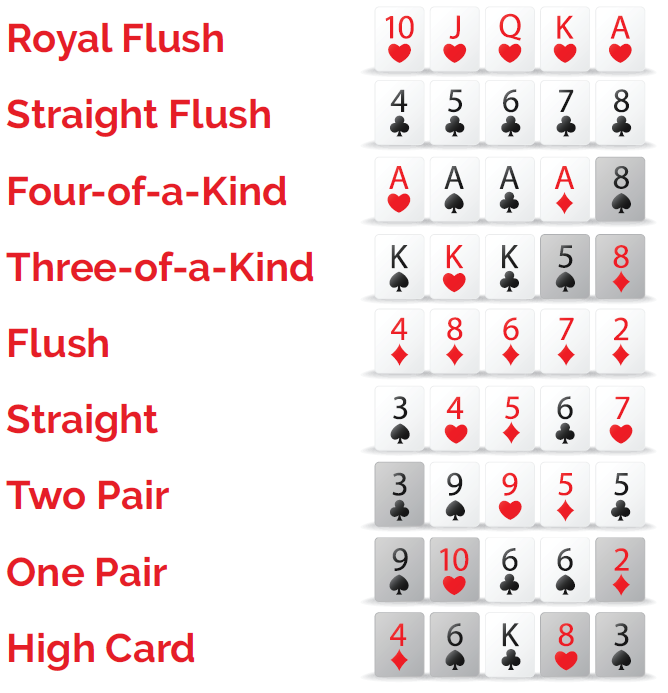
Hand Rankings: The Bedrock of Strategy
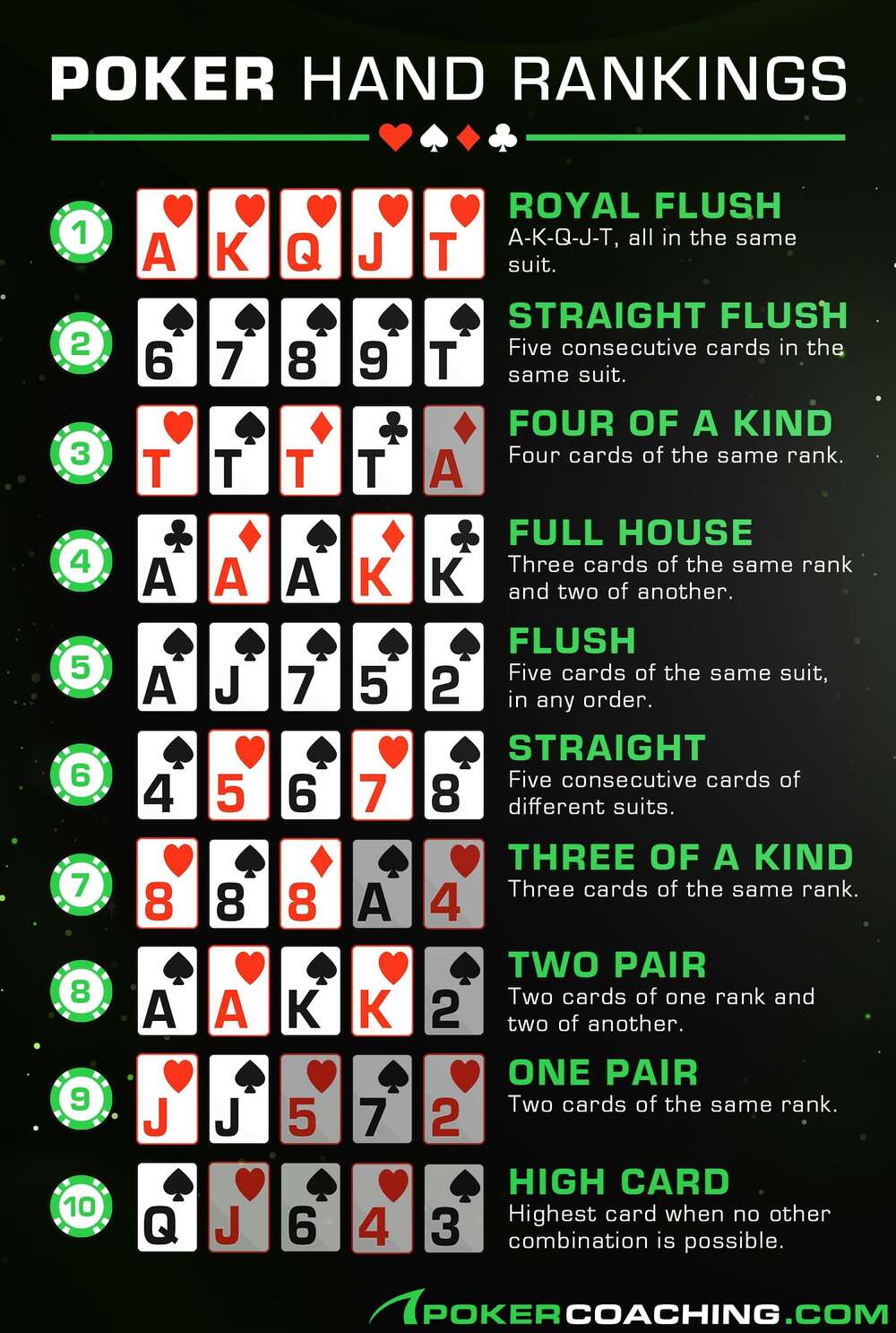
A firm grasp of poker hand rankings is non-negotiable. Without it, even the most astute strategic decisions will be based on flawed assumptions. From highest to lowest, the standard poker hand rankings are:
- Royal Flush: A, K, Q, J, 10 of the same suit.
- Straight Flush: Five consecutive cards of the same suit (e.g., 9, 8, 7, 6, 5 of spades).
- Four of a Kind: Four cards of the same rank (e.g., four Kings).
- Full House: Three cards of one rank and two cards of another rank (e.g., three Queens and two 7s).
- Flush: Five cards of the same suit, not in consecutive order.
- Straight: Five consecutive cards of different suits (e.g., 7, 6, 5, 4, 3).
- Three of a Kind: Three cards of the same rank.
- Two Pair: Two cards of one rank and two cards of another rank.
- One Pair: Two cards of the same rank.
- High Card: When no player has any of the above hands, the player with the highest card wins.
Betting Rounds and Actions
Understanding the flow of betting is crucial. The game progresses through several stages:
- Pre-flop: This is the first betting round, occurring after players receive their hole cards. The player to the left of the big blind acts first.
- The Flop: Three community cards are dealt face-up. This is followed by another betting round, starting with the player to the left of the dealer button.
- The Turn: A fourth community card is dealt face-up. Another betting round ensues.
- The River: The fifth and final community card is dealt face-up. The last betting round takes place.
- Showdown: If more than one player remains after the final betting round, players reveal their hands, and the best five-card hand wins the pot.
The available actions in each betting round are:
- Check: To stay in the hand without betting, if no bet has been made before you.
- Bet: To place the first wager in a betting round.
- Call: To match the amount of the previous bet or raise.
- Raise: To increase the amount of the previous bet.
- Fold: To discard your hand and forfeit any claim to the pot.
Strategic Pillars for Winning
Beyond the basic rules, winning Texas Hold’em hinges on several key strategic pillars. These are not rigid rules but rather guiding principles that experienced players adapt to various situations.
Position is Power
In Texas Hold’em, your position at the table relative to the dealer button is paramount. Acting later in a betting round (being “in position”) provides a significant advantage. This is because you get to see how your opponents act before you have to make your own decision.
- Early Position (EP): Players acting first or soon after the blinds. They generally need stronger hands to play and must be cautious.
- Middle Position (MP): Players situated between early and late positions. They have more flexibility than EP players.
- Late Position (LP) / Button (BTN): Players acting last or second to last. This is the most profitable position as you have the maximum information before acting. You can play a wider range of hands profitably from late position.
The ability to steal blinds, bluff effectively, and control the size of pots is greatly enhanced by good positional play.
Understanding Hand Ranges
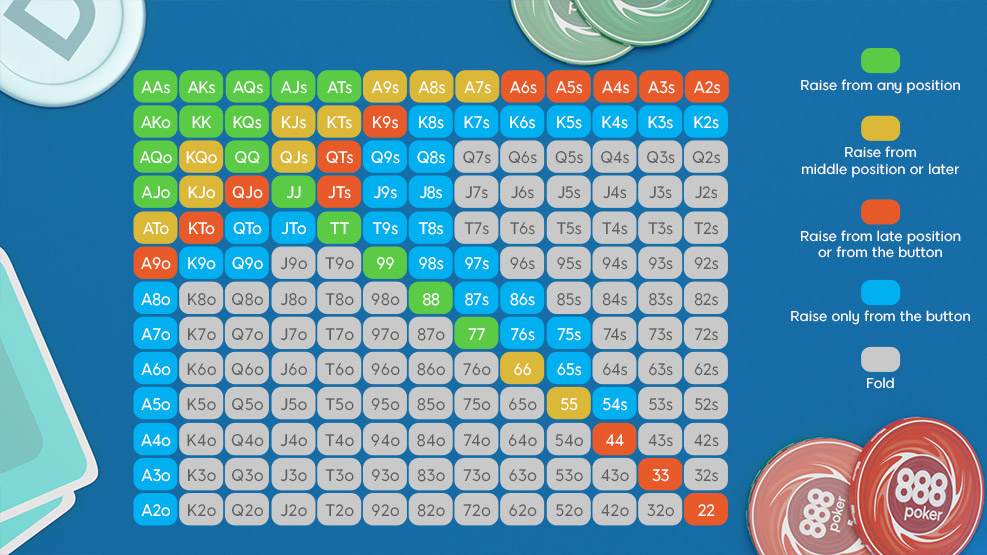
Instead of focusing on specific hands, winning players think in terms of “hand ranges.” A hand range is the set of all possible hands a player might hold given their actions and position. For instance, if a player in early position raises, their range of hands is typically very strong (e.g., premium pairs like AA, KK, QQ, AKs). Conversely, a player who calls a raise from the button might have a much wider and weaker range.
- Pre-flop Range Analysis: Develop an understanding of typical opening ranges for different positions.
- Post-flop Range Assessment: Adjust your assessment of an opponent’s range based on their actions on the flop, turn, and river. For example, if an opponent bets aggressively on the flop with a weak starting hand, their range might include strong draws or even air (no pair).
Bet Sizing and Pot Control
The amount you bet or raise is a critical tool for extracting value or protecting your hand.
- Value Betting: When you believe you have the best hand, bet an amount that your opponents are likely to call with worse hands. The goal is to maximize your winnings.
- Bluffing: Betting or raising with a weak hand to induce folds from opponents with better hands. Effective bluffs require careful consideration of your image at the table and your opponents’ tendencies.
- Pot Control: When you have a medium-strength hand, you might want to keep the pot small to avoid significant losses if you are beaten. This can involve checking or calling rather than betting or raising. Conversely, with a very strong hand, you want to build the pot.
Bankroll Management
Crucially, consistent winning in poker is impossible without sound bankroll management. This involves setting aside a specific amount of money for playing poker that you can afford to lose.
- Buy-in Strategy: A common guideline is to have at least 20-50 buy-ins for the stakes you are playing. For example, if you play $1/$2 No-Limit Hold’em with a $200 buy-in, you should have at least $4,000-$10,000 in your bankroll.
- Moving Up and Down: If your bankroll grows significantly, you might consider moving up in stakes. Conversely, if you experience a downswing, you should be prepared to move down to lower stakes to preserve your bankroll.
Advanced Concepts and Psychological Warfare
Beyond the fundamental strategies, winning Texas Hold’em often involves mastering the psychological aspects of the game and employing more advanced concepts.
Reading Opponents and Table Image
Your “table image” is how your opponents perceive you based on your playing style. Are you seen as tight and aggressive, loose and passive, or a maniac? Understanding and manipulating your table image is a powerful weapon.
- Observing Tendencies: Pay close attention to how your opponents play. Do they bluff often? Do they fold easily to pressure? Do they play too many hands?
- Exploiting Weaknesses: Once you identify an opponent’s tendencies, you can exploit them. For example, if an opponent folds too often, you can bluff them more frequently. If they call too much, you should value bet more heavily with strong hands.
Bluffing and Semi-Bluffing
Bluffing is an art form in poker. A successful bluff convinces your opponents that you have a stronger hand than you do, causing them to fold.
- Bluff Frequency: Don’t bluff too often, or your opponents will catch on.
- Bluffing Spots: Bluff in spots where your story makes sense. For example, if you were aggressive pre-flop and on the flop, continuing that aggression on the turn with a scary card can be effective.
- Semi-Bluffing: This involves betting or raising with a hand that is not currently strong but has good potential to improve (e.g., a flush draw or a straight draw). This gives you two ways to win: your opponent folds immediately, or you hit your draw on a later street.
Understanding Variance and Tilt
Texas Hold’em inherently involves variance – the natural ups and downs of winning and losing due to luck. Even the best players will experience losing sessions.
- Accepting Variance: Understand that variance is part of the game. Focus on making good decisions, not just on the immediate outcome.
- Avoiding Tilt: Tilt is a state of emotional frustration or anger that leads to poor decision-making. When you feel yourself tilting, take a break. Never play poker when you are emotional. Staying disciplined and rational is key to long-term success.
Tournament vs. Cash Games
While the core rules are the same, the strategies for winning can differ significantly between Texas Hold’em tournaments and cash games.
- Cash Games: The primary goal is to maximize profit on every hand. Bankroll management is paramount. Stack sizes are often deeper, allowing for more complex play.
- Tournaments: The objective is survival and accumulating chips to win. Stack sizes change throughout the tournament, and blind levels increase, forcing players to adapt their strategy. Understanding ICM (Independent Chip Model) becomes critical in later stages of tournaments.
Winning at Texas Hold’em is a continuous journey of learning and adaptation. By mastering the fundamentals, understanding strategic concepts, and cultivating the right mindset, you can significantly improve your game and increase your chances of winning at the felt, whether you are playing at the Bellagio Poker Room in Las Vegas or at a local card club.
LifeOutOfTheBox is a participant in the Amazon Services LLC Associates Program, an affiliate advertising program designed to provide a means for sites to earn advertising fees by advertising and linking to Amazon.com. Amazon, the Amazon logo, AmazonSupply, and the AmazonSupply logo are trademarks of Amazon.com, Inc. or its affiliates. As an Amazon Associate we earn affiliate commissions from qualifying purchases.