
Understanding the financial landscape of doing business in a state like Texas is crucial for any entrepreneur or established company. Among the various tax obligations, the franchise tax stands out as a unique and often misunderstood component. This tax, levied on certain business entities for the privilege of doing business in the Lone Star State, is not an income tax but rather an earned surplus tax. For businesses operating within Texas, grasping the intricacies of the franchise tax is paramount to ensuring compliance and optimizing financial strategy.
The Essence of the Texas Franchise Tax
At its core, the Texas franchise tax is a fee imposed on most business entities formed or doing business in Texas. Unlike taxes based on profits or sales, it is calculated on a business’s “earned surplus,” which is a measure of a company’s net worth. This distinction is vital, as it means even businesses that are not profitable may still owe franchise tax.

Who is Subject to the Franchise Tax?
The franchise tax applies to a broad spectrum of business structures. This includes:
- Corporations: Both C-corporations and S-corporations formed in Texas or “doing business” in the state are subject to the tax.
- Limited Liability Companies (LLCs): LLCs operating in Texas are also required to pay the franchise tax.
- Partnerships: Both general and limited partnerships are included.
- Professional Corporations and Professional Limited Liability Companies: These specific entity types are also within the purview of the franchise tax.
- Business Trusts: Certain business trusts operating in Texas are also liable.
There are, however, exemptions. Certain entities, such as sole proprietorships and general partnerships where all partners are natural persons, are generally exempt. Additionally, specific industries or non-profit organizations may qualify for exemptions. It is essential to consult the official guidelines from the Texas Comptroller of Public Accounts for a comprehensive list of exemptions.
What Constitutes “Doing Business” in Texas?
The phrase “doing business” in Texas is broad and can include a variety of activities. It is not limited to having a physical presence, such as an office or employees. Activities like:
- Owning or leasing property in Texas.
- Employing individuals who work in Texas.
- Soliciting business in Texas through sales representatives or advertising.
- Receiving income from sources within Texas.
can all trigger the obligation to pay franchise tax, even if the primary operations of the business are located elsewhere. This extraterritorial reach is a key consideration for businesses with a national or international footprint.
Calculating the Franchise Tax
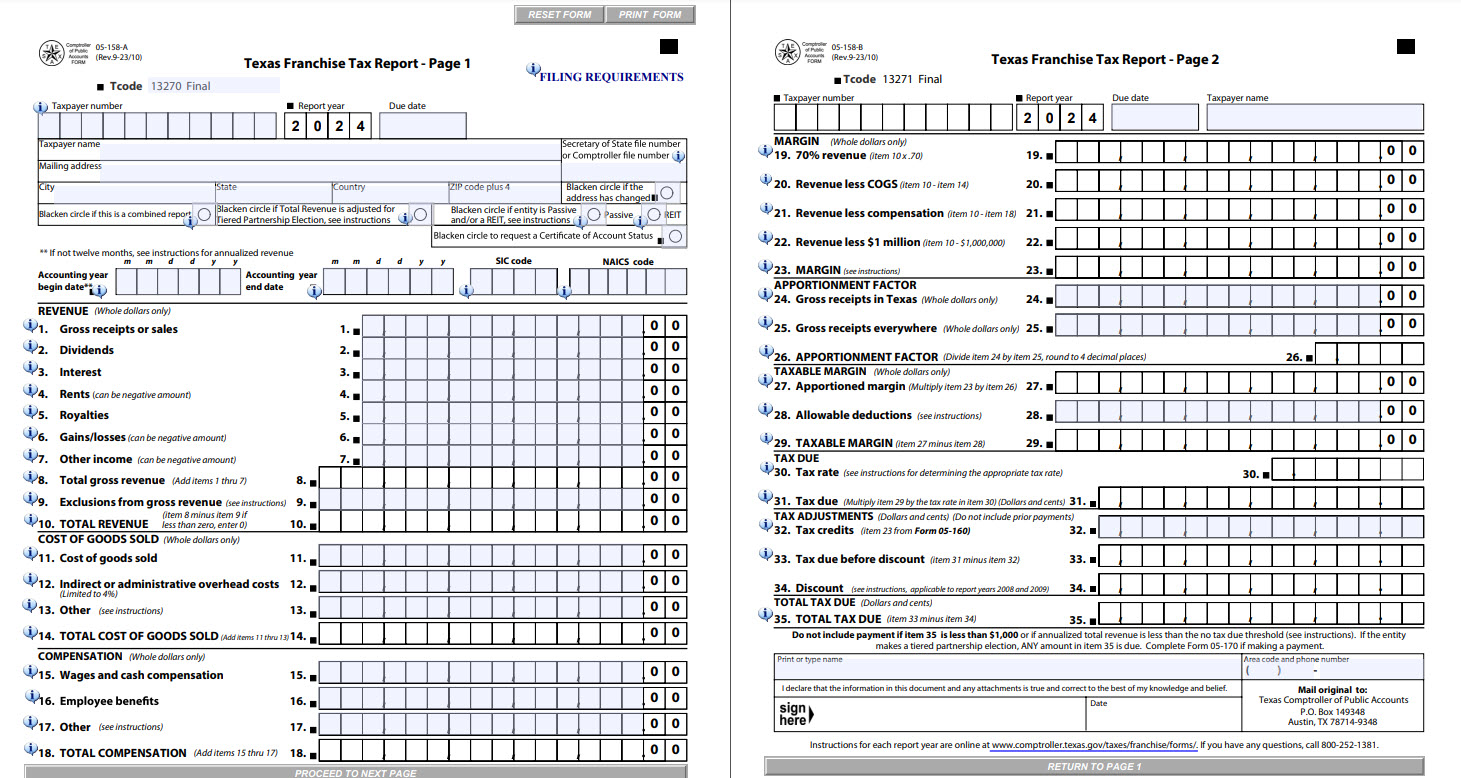
The calculation of the Texas franchise tax is complex and has evolved over the years. Currently, businesses have two primary methods to compute their tax liability:
Method 1: The Cost of Performance Method
This method calculates the tax based on a business’s “earned surplus.” Earned surplus is generally understood as total assets minus total liabilities. The tax rate is then applied to this figure. For most entities, the tax rate is 0.75% of the earned surplus.
Method 2: The Margin Tax
This method allows businesses to pay the lesser of their franchise tax calculated using the earned surplus method or a “taxable margin.” The taxable margin is determined by calculating one of the following:
- Total Revenue: A business can deduct 70% of its total revenue, and the remaining 30% is subject to the tax rate.
- Compensation and Cost of Goods Sold: A business can deduct its compensation costs and its cost of goods sold (COGS) from its total revenue. The remaining amount is subject to the tax rate.
The available deductions and the applicability of each method depend on the specific business and its operations. The Texas Comptroller’s office provides detailed worksheets and instructions for these calculations.
Thresholds and Exemptions
It’s important to note that Texas has a “threshold” for franchise tax liability. If a business’s total revenue is below a certain amount (which is adjusted annually), it may not be required to file a franchise tax report or pay any tax. For the 2024-2025 biennium, this threshold is $1.23 million in total revenue. Businesses with total revenue above this threshold must file a “No Tax Due” report or a franchise tax report, even if they owe no tax.
Filing and Compliance
The Texas franchise tax reports are due annually on May 15. Businesses must file electronically through the Texas Comptroller’s Webfile system. Failure to file or pay on time can result in penalties and interest.
Key Dates and Deadlines
- Annual Filing Deadline: May 15.
- First Payment Due (if applicable): For entities with a franchise tax liability exceeding $500, extensions can be filed.
- Annual Report Due: The annual report must be filed regardless of tax liability if the entity has total revenue exceeding the established threshold.
Record Keeping Requirements
Maintaining accurate and detailed financial records is crucial for franchise tax compliance. Businesses should keep records that substantiate their revenue, expenses, assets, and liabilities, as these figures are used in the tax calculations. This includes:
- Financial Statements: Balance sheets, income statements, and cash flow statements.
- Asset and Liability Schedules: Detailed breakdowns of all assets and liabilities.
- Payroll Records: For businesses claiming compensation deductions.
- Cost of Goods Sold Documentation: Invoices, receipts, and inventory records.
Proper record-keeping not only ensures compliance but also provides valuable data for business analysis and strategic planning.
Strategic Implications for Businesses
The Texas franchise tax necessitates careful financial planning and an understanding of business structure.
Entity Choice and its Impact
The choice of business entity can have significant implications for franchise tax liability. For example, the tax treatment might differ between a corporation and an LLC, even though both are subject to the tax. Consulting with a tax professional specializing in Texas business law and taxation is highly recommended when forming a business or considering a restructuring.
Maximizing Deductions
Understanding the nuances of the margin tax calculation allows businesses to explore strategies for minimizing their tax liability. This might involve optimizing the reporting of revenue, properly categorizing expenses, and ensuring all eligible deductions are claimed. For instance, meticulous tracking of compensation and COGS can significantly reduce the taxable margin.
Geographic Considerations
For businesses that operate across state lines, the “doing business” clause in Texas is a critical factor. A business that believes it has minimal presence in Texas might still be liable if its activities meet the state’s definition. Thoroughly assessing nexus and potential tax obligations in Texas is essential to avoid unexpected liabilities.
Professional Guidance
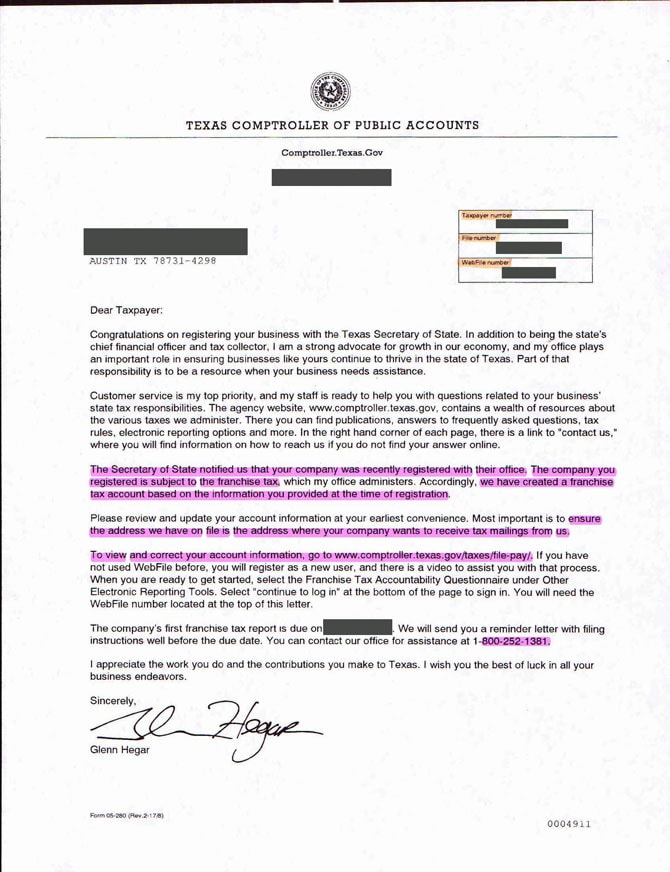
Given the complexity of the franchise tax, seeking advice from qualified tax advisors, accountants, or legal professionals is not just advisable but often indispensable. They can help navigate the intricate rules, ensure accurate calculations, and identify potential tax-saving opportunities, allowing businesses to focus on growth and operations rather than the complexities of tax compliance. The Texas Comptroller’s website offers resources and publications, but the personalized advice from a professional remains invaluable.
LifeOutOfTheBox is a participant in the Amazon Services LLC Associates Program, an affiliate advertising program designed to provide a means for sites to earn advertising fees by advertising and linking to Amazon.com. Amazon, the Amazon logo, AmazonSupply, and the AmazonSupply logo are trademarks of Amazon.com, Inc. or its affiliates. As an Amazon Associate we earn affiliate commissions from qualifying purchases.