
Understanding the intricacies of estate planning is crucial for safeguarding your assets and ensuring your wishes are carried out after your passing. In Texas, a living trust, also known as a revocable trust, is a powerful tool that offers significant benefits beyond a traditional will. This comprehensive guide explores what a living trust is in Texas, its advantages, and how it functions within the state’s legal framework.
The Fundamentals of a Texas Living Trust
At its core, a living trust is a legal arrangement that allows you, the grantor, to transfer ownership of your assets to a trust while you are still alive. You typically appoint yourself as the trustee, meaning you retain full control over the assets during your lifetime. A successor trustee is designated to manage the trust assets upon your incapacitation or death.
Revocable vs. Irrevocable Trusts
It’s important to distinguish between revocable and irrevocable trusts. As the name suggests, a revocable trust can be amended, altered, or even revoked entirely by the grantor during their lifetime. This flexibility is a key advantage, allowing you to adapt your estate plan as your circumstances change. An irrevocable trust, on the other hand, generally cannot be changed or canceled once established, and it offers different estate tax benefits. For most individuals seeking to manage their assets during their lives and ensure a smooth transition afterward, a revocable living trust is the preferred choice.
Key Players in a Living Trust
- Grantor (or Settlor/Trustor): This is the individual who creates the trust and transfers assets into it. In a living trust, the grantor is typically also the initial trustee.
- Trustee: The individual or entity responsible for managing the trust assets according to the terms of the trust agreement. In a living trust, the grantor usually serves as the initial trustee.
- Beneficiary: The individual or individuals who will ultimately receive the assets held within the trust.
- Successor Trustee: The person or entity appointed to take over as trustee when the original trustee is unable to fulfill their duties, due to death, incapacitation, or resignation.
Advantages of Establishing a Living Trust in Texas
The decision to create a living trust in Texas is often driven by several compelling advantages over relying solely on a will.
Avoiding Probate
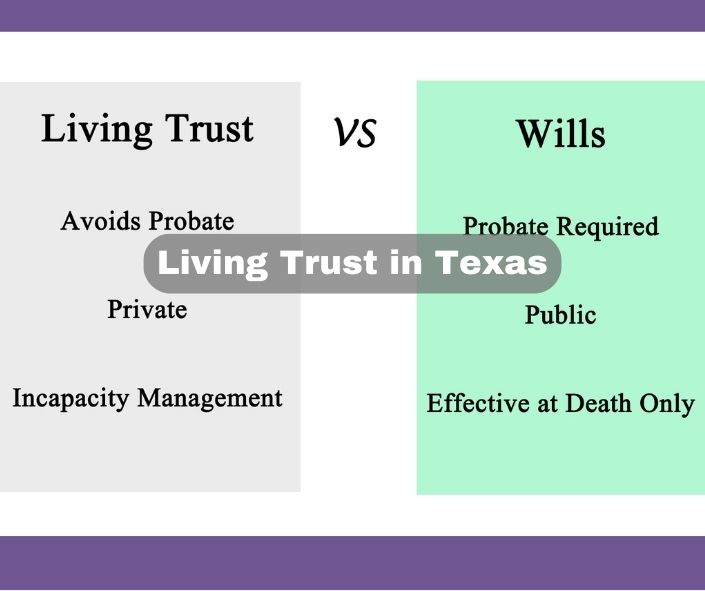
One of the most significant benefits of a living trust is its ability to bypass the probate process. Probate is the legal procedure through which a court validates a will, inventories assets, pays debts and taxes, and distributes remaining assets to beneficiaries. This process can be time-consuming, costly, and a matter of public record. Assets held in a living trust pass directly to the named beneficiaries outside of the court’s oversight, offering a quicker and more private distribution of your estate. This is particularly appealing in Texas, where probate can sometimes be a lengthy undertaking.
Privacy
As mentioned, probate proceedings are public record. Anyone can access information about the deceased’s assets, debts, and beneficiaries. A living trust, conversely, is a private document. The terms of the trust and the distribution of assets remain confidential between the trustee and the beneficiaries, preserving the privacy of your estate.
Incapacity Planning
A living trust provides a robust mechanism for managing your affairs if you become incapacitated and are unable to manage your own financial matters. If you become mentally or physically unable to make decisions, your designated successor trustee can step in immediately to manage the trust assets without the need for court intervention, such as a guardianship or conservatorship. This ensures your bills are paid, investments are managed, and your daily financial needs are met seamlessly, providing peace of mind for you and your loved ones.
Control and Flexibility
With a revocable living trust, you retain a high degree of control over your assets. You can buy, sell, or manage assets within the trust as you see fit during your lifetime. Furthermore, the revocable nature of the trust allows you to make changes to its terms, beneficiaries, or trustees as your life circumstances evolve. This flexibility is a key advantage for individuals who anticipate changes in their family situation, financial status, or philanthropic goals.
Potential for Reduced Estate Taxes
While not a primary goal for everyone, certain trust structures, including some variations of living trusts, can be utilized as part of a broader estate plan to minimize estate taxes, especially for larger estates. Consulting with an estate planning attorney is crucial to determine if this is applicable and beneficial to your specific situation.
How a Living Trust Works in Texas
The process of establishing and operating a living trust in Texas involves several key steps.
Creating the Trust Document
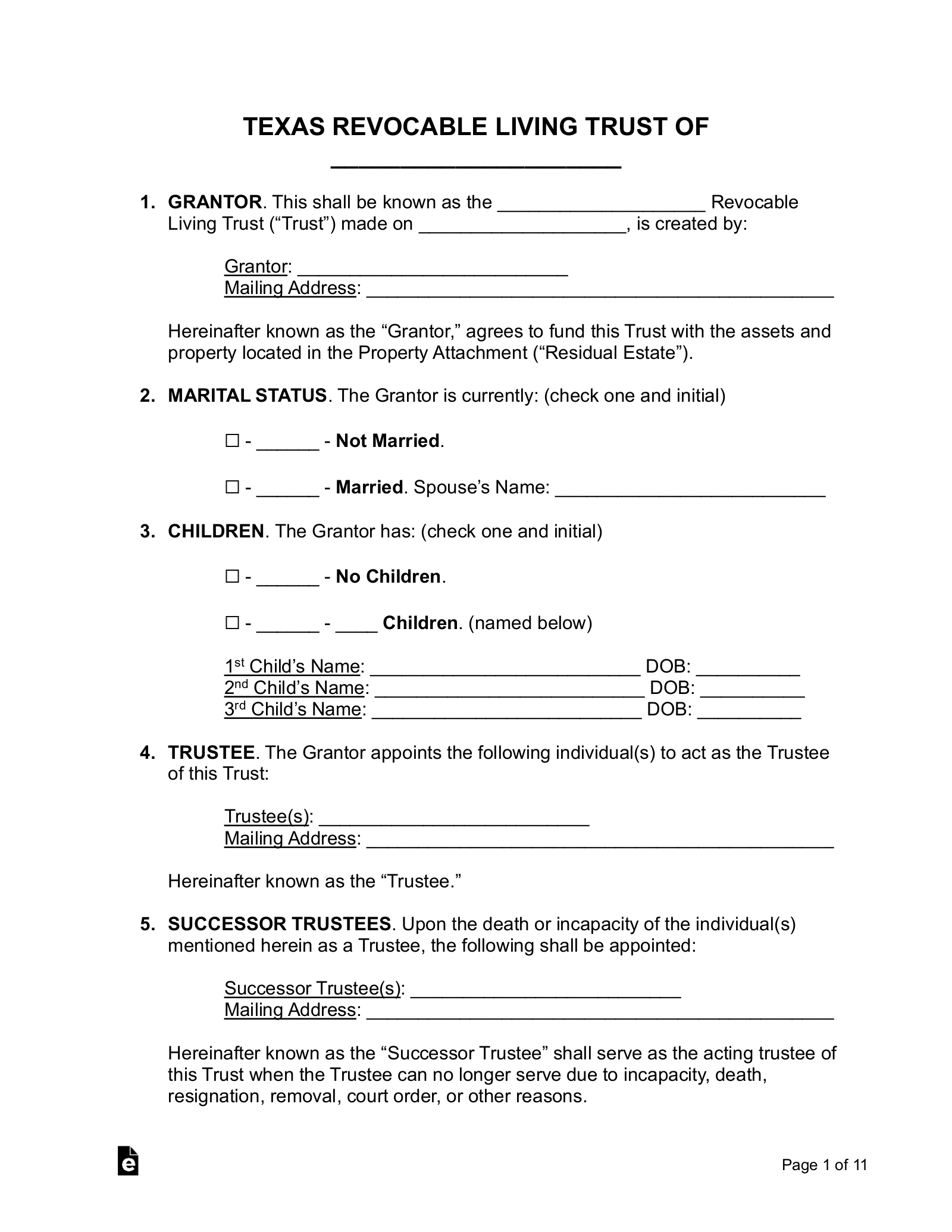
The first step is to draft a comprehensive trust agreement. This legally binding document outlines the terms of the trust, including the identification of the grantor, trustee, and beneficiaries, the assets being transferred, and the instructions for asset management and distribution. It is highly recommended to work with an experienced estate planning attorney in Texas to ensure the trust document is correctly drafted and complies with all state laws.
Funding the Trust
A living trust is only effective if it is properly funded. This means retitling assets into the name of the trust. For example, real estate deeds need to be updated, bank accounts and brokerage accounts should be transferred to the trust’s name, and beneficiary designations on other accounts may need to be reviewed and potentially adjusted. The grantor, as the initial trustee, continues to have control over these assets.
Managing Assets During Your Lifetime
As the grantor and initial trustee, you manage the assets within the trust for your benefit. You can continue to use your property, invest your funds, and live your life as you did before creating the trust. The trust simply provides a legal framework for ownership.
Successor Trustee’s Role
Upon your incapacitation or death, the successor trustee you designated takes over. They will follow the instructions outlined in the trust document to manage and distribute the trust assets. This process is generally much smoother and faster than going through probate. The successor trustee will be responsible for:
- Gathering assets: Identifying all assets held within the trust.
- Paying debts and taxes: Settling any outstanding financial obligations and taxes of the deceased.
- Distributing assets: Distributing the remaining assets to the named beneficiaries according to the trust’s terms.
- Maintaining records: Keeping detailed records of all transactions related to the trust.
Considerations and Limitations
While a living trust offers numerous advantages, it’s essential to be aware of its limitations and specific considerations within Texas.
Cost of Establishment
Creating a living trust typically involves higher upfront costs compared to drafting a simple will. This is due to the complexity of drafting the trust document and the need for retitling assets. However, these costs are often offset by the savings realized by avoiding probate fees and potential delays.
Ongoing Management
While the trust is revocable, it requires diligent management to ensure it remains effective. Proper funding and updating are crucial. If assets are not properly transferred into the trust, they may still be subject to probate.
No Automatic Protection from Creditors
A revocable living trust generally does not offer protection from your creditors during your lifetime. Creditors can typically access assets within a revocable trust to satisfy debts, just as they could with assets held in your individual name. For asset protection strategies, other legal tools may be more appropriate.
Tax Implications
While a living trust can be a part of an estate tax minimization strategy, it does not inherently eliminate estate taxes. The tax laws are complex, and specific trust provisions, along with federal and state estate tax thresholds, will determine any tax implications.

Is a Living Trust Right for You in Texas?
The decision to establish a living trust in Texas depends on individual circumstances, financial situations, and estate planning goals. It is an excellent option for those who:
- Wish to avoid the probate process and its associated costs and delays.
- Value privacy in the distribution of their assets.
- Want to ensure seamless management of their affairs in case of incapacitation.
- Own significant assets, such as real estate or investment portfolios.
- Have complex family situations or beneficiaries with special needs.
It is crucial to consult with a qualified estate planning attorney in Texas to discuss your specific needs and determine if a living trust is the most suitable estate planning tool for you. They can guide you through the creation, funding, and management of your trust, ensuring your legacy is protected and your wishes are honored.
LifeOutOfTheBox is a participant in the Amazon Services LLC Associates Program, an affiliate advertising program designed to provide a means for sites to earn advertising fees by advertising and linking to Amazon.com. Amazon, the Amazon logo, AmazonSupply, and the AmazonSupply logo are trademarks of Amazon.com, Inc. or its affiliates. As an Amazon Associate we earn affiliate commissions from qualifying purchases.