
Understanding the road infrastructure and associated costs is a crucial aspect of planning any journey through a new state. For travelers heading to or through Connecticut, the question of tolls inevitably arises. This guide aims to provide a comprehensive overview of Connecticut’s toll system, clarifying which roads are tolled, how they are managed, and what alternatives might exist for budget-conscious or toll-averse travelers.
Connecticut’s Tolling Landscape
Connecticut has a nuanced approach to toll roads, with a history of evolving policies and infrastructure. Unlike some states that feature extensive toll highway networks, Connecticut primarily utilizes tolls on a limited number of key routes, often managed by specific authorities. This means that while not every major highway is tolled, certain arteries essential for cross-state travel do involve tolls.

The Connecticut Turnpike (I-95)
Historically, the Connecticut Turnpike, largely comprising Interstate 95 (I-95), was a major toll road. This iconic stretch of highway runs along the state’s southeastern coast, connecting it to New York to the west and Rhode Island to the east. For many years, drivers encountered traditional toll plazas along the Turnpike.
However, the landscape of tolling on I-95 in Connecticut has undergone significant changes. The physical toll plazas were removed in the late 1980s as part of a statewide initiative to modernize the highway system and improve traffic flow. This led many to believe that I-95 was entirely toll-free.
The Reintroduction of Tolls: Toll Gantry System
In recent years, Connecticut has reintroduced tolls, not through traditional plazas, but via an electronic tolling system. This system, known as “CT W-Toll” (for Weigh-in-Motion Tolls), primarily targets commercial vehicles. These gantries are strategically placed on major highways, including sections of I-95, I-91, and I-84, and are equipped with advanced technology to identify and charge trucks based on their weight and axle count.
While the primary focus of the CT W-Toll system is on heavy vehicles, it’s important for all travelers to be aware of its presence. For passenger vehicles, the system is not currently designed to collect tolls on these gantries. However, the state has explored various tolling strategies, and future implementations could potentially affect all vehicle types. Travelers should always stay informed about current regulations.
The Merritt Parkway and the Wilbur Cross Parkway
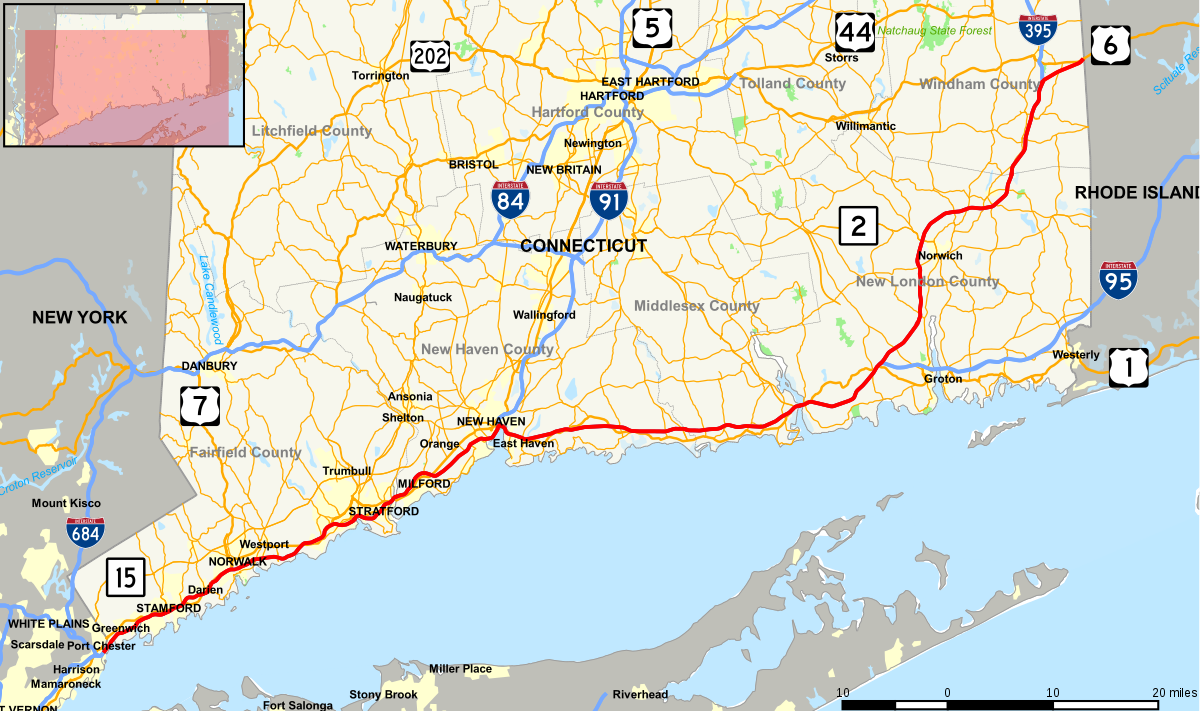
Two of Connecticut’s most scenic and historic parkways, the Merritt Parkway and the Wilbur Cross Parkway, are also managed with specific considerations for drivers. These parkways, which together form a continuous route from the New York border north through the state, are renowned for their beautiful landscape architecture and historic bridges.
Unlike the I-95 corridor, the Merritt Parkway and the Wilbur Cross Parkway have never been part of the electronic tolling system targeting commercial vehicles. They were originally designed with a different vision, emphasizing aesthetics and a more relaxed driving experience.
However, they are not entirely free from financial considerations. Funding for the maintenance and preservation of these historic parkways often comes from various sources, including state appropriations. While drivers do not encounter toll plazas or electronic gantries on these routes, the ongoing costs associated with their upkeep are factored into the state’s transportation budget. It is important to note that these parkways have restrictions on commercial vehicles and are primarily intended for passenger car use, adding another layer to their unique identity within Connecticut’s transportation network.
Other Major Highways in Connecticut
Beyond I-95 and the parkways, Connecticut features a network of other significant highways, including I-84, I-91, and I-395. As mentioned, sections of I-91 and I-84 are equipped with the CT W-Toll gantries for commercial vehicles. For passenger cars, these highways generally operate without tolls.
I-84 is a vital east-west corridor, connecting the western part of the state to Massachusetts and beyond. I-91 serves as a major north-south artery, linking New Haven to Hartford and extending into Vermont. I-395 is a key route in the southeastern part of the state, connecting Norwich to the Massachusetts Turnpike.
The absence of tolls on these routes for passenger vehicles offers a degree of predictability for drivers traversing Connecticut. However, the dynamic nature of transportation funding means that future policy shifts are always a possibility.
Navigating Connecticut’s Tolls and Potential Alternatives
For travelers aiming to minimize toll expenses, understanding the current tolling structure in Connecticut is paramount.
Understanding the CT W-Toll System
The CT W-Toll system is primarily an enforcement mechanism for heavy commercial vehicles. It uses weigh-in-motion technology and license plate recognition to identify trucks and assess tolls based on their weight class and number of axles. For passenger vehicles, this system currently does not impose tolls. This distinction is crucial for drivers planning their routes.
Planning Your Route
When planning a trip through Connecticut, it is advisable to use a GPS navigation system that offers toll avoidance options. Most popular navigation apps, such as Google Maps or Waze, allow users to specify whether they wish to avoid tolls altogether. This can be an effective strategy if encountering tolls significantly impacts your budget or travel preferences.
However, it is important to be aware that toll avoidance routes may sometimes lead to longer travel times, increased mileage, and navigation through local roads that may not be designed for high-volume traffic. Travelers should weigh the cost savings against the potential increase in travel duration and complexity.
Exploring Toll-Free Alternatives
For journeys within Connecticut, or for those connecting to neighboring states, exploring alternative routes that bypass potential toll points is a viable strategy.
-
Local Roads and State Highways: Many state routes and local roads offer a toll-free way to travel across Connecticut. For instance, if your journey primarily involves travel within a specific region of the state, utilizing US Routes and State Routes can often provide a direct and cost-effective alternative to the interstate highways where toll gantries are located. For example, traveling between Hartford and New Haven can be achieved via routes like US Route 5 or various state roads, bypassing the I-91 corridor where commercial tolls are present.
-
Scenic Routes and Parkways: As discussed, the Merritt Parkway and the Wilbur Cross Parkway offer a toll-free experience for passenger vehicles and are also celebrated for their scenic beauty. If your travel plans align with these routes, they provide an enjoyable and cost-saving option. These parkways are excellent for experiencing the natural beauty of Connecticut and avoiding the busier interstate highways.
-
Interstate 84 and I-395: For cross-state travel that does not necessitate passage through the I-95 corridor, Interstate 84 and Interstate 395 generally do not impose tolls on passenger vehicles, although commercial vehicles will encounter the CT W-Toll system. Planning your route to utilize these interstates, where feasible, can help avoid toll expenses.
Future Considerations and Staying Informed
The transportation funding landscape is continually evolving, and Connecticut is no exception. State governments frequently evaluate their infrastructure needs and explore various revenue generation methods. Therefore, it is always prudent for travelers to stay informed about potential changes to tolling policies.
The Role of Transportation Funding
Tolls play a significant role in funding transportation infrastructure in many states. They provide a direct revenue stream for the maintenance, repair, and expansion of highways, bridges, and other public works. In Connecticut, while the primary tolling is currently focused on commercial vehicles, the state’s overall transportation budget is substantial, encompassing improvements across its entire network.

Potential for Future Tolling Expansion
While the current system is designed to target commercial traffic, there have been discussions and proposals in the past regarding broader tolling initiatives that could potentially affect passenger vehicles on major routes. Factors such as state budget deficits, infrastructure needs, and the desire to manage traffic congestion can influence policy decisions.
Travelers are encouraged to consult official sources, such as the Connecticut Department of Transportation website, for the most up-to-date information on tolling regulations, road conditions, and any upcoming changes. Staying informed will ensure smoother travel and help travelers make informed decisions about their routes and budgets when navigating the beautiful state of Connecticut.
LifeOutOfTheBox is a participant in the Amazon Services LLC Associates Program, an affiliate advertising program designed to provide a means for sites to earn advertising fees by advertising and linking to Amazon.com. Amazon, the Amazon logo, AmazonSupply, and the AmazonSupply logo are trademarks of Amazon.com, Inc. or its affiliates. As an Amazon Associate we earn affiliate commissions from qualifying purchases.