
Navigating the legal landscape surrounding pet ownership, particularly for breeds that often face breed-specific legislation (BSL), can be a complex undertaking for travelers and residents alike. The state of Florida presents a unique scenario for those considering a visit or a move with their canine companions, especially those who own or are interested in breeds commonly categorized as “pit bulls.” Understanding the nuances of breed restrictions is crucial for a smooth and enjoyable experience, whether you’re planning a Florida Keys getaway or considering a long-term stay.
Understanding Breed-Specific Legislation (BSL) in Florida
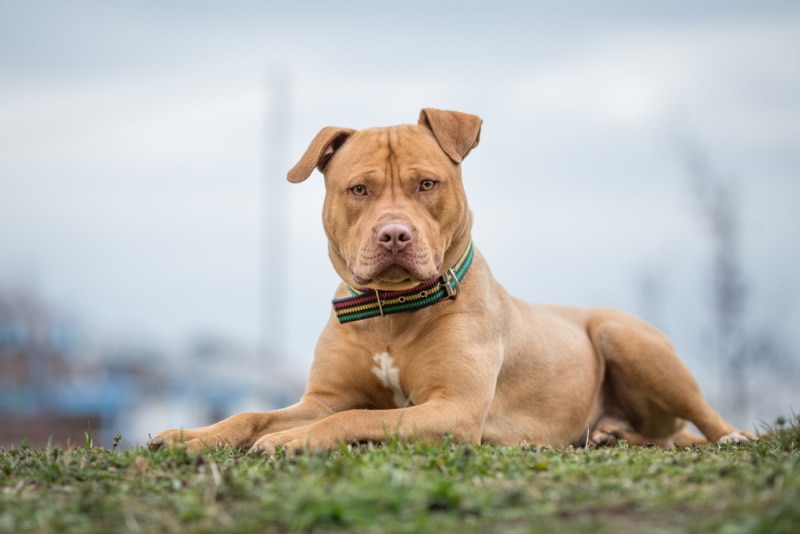
The term “pit bull” is not a single recognized breed but rather a general classification encompassing several breeds with similar physical characteristics, including the American Pit Bull Terrier, Staffordshire Bull Terrier, American Staffordshire Terrier, and sometimes mixes thereof. Breed-specific legislation refers to laws or ordinances that target specific breeds of dogs based on perceived dangerousness.

In Florida, the approach to breed restrictions is not uniform at the state level. Instead, it is largely determined by individual municipalities and county governments. This means that while one city might have stringent regulations on certain breeds, a neighboring town could have no such restrictions at all. This patchwork of laws creates a situation where it is imperative for pet owners to conduct thorough research specific to their intended destination within the state.
State Preemption Laws and Their Impact
Historically, Florida has seen legislative efforts to preempt local governments from enacting their own BSL. These laws, often referred to as “preemption laws,” aim to create a statewide standard and prevent a confusing matrix of local ordinances. The most significant piece of legislation in this regard was the passage of a bill that prohibited local governments from enacting or enforcing breed-specific ordinances.
However, the interpretation and application of these preemption laws have evolved over time and have been subject to legal challenges. The current legal standing generally dictates that local governments cannot implement new breed-specific bans or restrictions. This means that a blanket ban on “pit bulls” across the entire state of Florida is not in effect.
Local Ordinances: The Primary Determinant
Despite the statewide preemption, it is vital to understand that the absence of a state-level ban does not equate to unrestricted ownership of all dog breeds in every corner of Florida. The preemption laws primarily focus on preventing new breed-specific prohibitions by local entities. This can sometimes lead to confusion, as existing ordinances enacted before the preemption laws took full effect might still be in place in some areas.
Furthermore, some localities might employ alternative measures that indirectly affect certain breeds without explicitly naming them. These can include:
- Leash Laws and Containment Requirements: Stricter enforcement of general dog control ordinances, such as requiring dogs to be leashed at all times when outside of a fenced yard or a designated off-leash area.
- Dangerous Dog Laws: Ordinances that focus on a dog’s behavior and history of aggression, regardless of breed. If a dog, regardless of its breed, exhibits aggressive behavior, it can be subject to specific legal actions, including mandatory containment, muzzling, or even euthanasia, as determined by a court.
- Licensing and Permitting: Some areas might have specific licensing requirements or fees for certain types of dogs, which could include dogs with a certain appearance or temperament, though this is less common for “pit bull” types specifically and more for breeds perceived as aggressive.
Therefore, even with statewide preemption, travelers and potential residents must verify the specific regulations in their intended city or county of stay. This is particularly important if you plan to stay in short-term rentals like those offered through platforms like Airbnb or Vrbo, or if you are considering bringing your pet to accommodations like the Ritz-Carlton Naples or the Fontainebleau Miami Beach.
Navigating Florida’s Accommodation Policies
When traveling to Florida with a pet, especially a breed that might be subject to misconceptions or outdated local ordinances, understanding accommodation policies is as critical as understanding local laws. Many hotels, resorts, and vacation rental properties have their own pet policies that are separate from, and sometimes more restrictive than, municipal laws.
Hotel and Resort Pet Policies
Major hotel chains and independent establishments across Florida often have specific rules regarding pets. These policies can vary widely:
- Breed Restrictions: Despite statewide preemption of BSL, many private businesses, including hotels, are permitted to set their own breed restrictions. It is not uncommon for hotels to prohibit breeds commonly labeled as “pit bulls,” Rottweilers, or Doberman Pinschers, regardless of the dog’s individual temperament or the absence of local BSL. This is often a business decision based on liability concerns and insurance policies.
- Weight Limits: Many hotels impose weight restrictions on pets, often in the range of 25 to 50 pounds.
- Number of Pets: A limit on the number of pets allowed per room is also a common policy.
- Pet Fees: Expect to pay a non-refundable pet fee, which can range from a daily charge to a one-time cleaning fee.
- Designated Pet-Friendly Areas: Some larger resorts might have designated pet-friendly floors or areas.
It is absolutely essential to contact the specific hotel or resort directly and well in advance of booking to confirm their pet policy. Do not rely solely on general information found on booking websites. If you are planning a trip to theme parks like Walt Disney World or Universal Orlando Resort, note that these parks generally do not allow pets in the parks themselves, though some resorts within their complexes might have pet-friendly options, subject to their own policies.
Vacation Rentals and Short-Term Stays
Vacation rental platforms like Airbnb and Vrbo offer more diverse accommodation options. While many listings are explicitly pet-friendly, the specific rules are set by the individual property owner or manager.
- Owner Discretion: Owners have the ultimate say on which breeds they allow on their property. Many owners, like hotels, may have their own breed restrictions to mitigate potential risks.
- Communication is Key: Always use the platform’s messaging system to communicate with the host about your specific pet breed and any concerns you may have. This provides a documented record of your conversation.
- Read the House Rules Carefully: Thoroughly review the “House Rules” or “Pet Policy” section of each listing. Some owners may allow “pit bull” types with additional deposits or specific behavioral requirements.
For those considering longer stays, such as extended vacations or even relocation, understanding the local county and city ordinances becomes paramount. This might involve researching regulations in areas like Miami-Dade County, Broward County, or Orange County.
Proactive Steps for Pet Owners Traveling to Florida
Given the nuanced legal landscape and varying accommodation policies, pet owners planning a trip to Florida with a dog that might be subject to breed-based scrutiny should take a proactive approach.
Research Your Destination Thoroughly
- City/County Ordinances: Before finalizing travel plans or accommodation bookings, identify the specific city and county you will be visiting. Search for “[City Name] Florida animal control ordinances” or “[County Name] Florida pet regulations.” Look for any mention of breed-specific legislation or restrictions.
- Accommodation Policies: Contact your chosen hotel, resort, or vacation rental host directly. Do not hesitate to ask specific questions about their pet policy, including breed restrictions, weight limits, and fees. Be transparent about your dog’s breed.
Documentation and Preparedness
- Vaccination Records: Ensure your dog is up-to-date on all vaccinations, especially rabies. Carry vaccination certificates with you.
- Temperament Information: If your dog is a breed that is often misunderstood, consider having documentation on hand that speaks to its temperament, such as certificates from obedience classes, or a letter from a veterinarian attesting to its good behavior. While not legally binding in most cases, this can be helpful in discussions with accommodation providers.
- Microchipping: Ensure your dog is microchipped and that your contact information is up-to-date. This is a standard recommendation for all pet owners.

Alternative Travel Options
If you encounter significant challenges finding pet-friendly accommodation or are concerned about potential local restrictions, consider alternative travel arrangements:
- Pet Boarding Facilities: Explore reputable pet boarding facilities in your destination area that may accept all breeds.
- Traveling with a Certified Service Animal: It is crucial to understand the legal distinction between a pet and a legitimate service animal. Under the Americans with Disabilities Act (ADA), service animals are not considered pets and are generally permitted in public places and accommodations. However, misrepresenting a pet as a service animal is illegal and carries penalties. Florida has specific laws regarding service animals.
By taking these steps, you can significantly increase your chances of a stress-free and enjoyable trip to the Sunshine State with your beloved canine companion. Remember, responsible pet ownership, combined with thorough research, is the key to navigating any travel destination successfully.
LifeOutOfTheBox is a participant in the Amazon Services LLC Associates Program, an affiliate advertising program designed to provide a means for sites to earn advertising fees by advertising and linking to Amazon.com. Amazon, the Amazon logo, AmazonSupply, and the AmazonSupply logo are trademarks of Amazon.com, Inc. or its affiliates. As an Amazon Associate we earn affiliate commissions from qualifying purchases.