
Understanding the various types of driver’s licenses available in Texas is crucial for anyone navigating the state’s roads. The Texas Class C license is the most common type, issued to individuals who operate most standard, single-vehicle passenger cars and light trucks. This article delves into the specifics of the Class C license, covering eligibility, requirements, restrictions, and its significance for everyday life and travel within the Lone Star State.
Eligibility and Requirements for a Texas Class C License
Obtaining a Class C license in Texas involves meeting specific age, residency, and knowledge-based criteria. These requirements are designed to ensure that drivers possess the fundamental skills and understanding necessary for safe operation of a vehicle.

Age and Residency
The minimum age to obtain a learner’s permit, the first step towards a Class C license, is 15 years old. For a provisional Class C license, applicants must be at least 16 years old and have held their learner’s permit for at least six months. Full, unrestricted Class C licenses are typically issued to individuals 18 years of age or older. Applicants must also be able to demonstrate residency in Texas. This can be proven through various documents such as utility bills, lease agreements, or school enrollment records.
Provisional License Requirements
For drivers under 18, the provisional license pathway is mandatory. This tiered approach aims to build experience gradually.
The Learner’s Permit (Instruction Permit)
Before applying for a provisional license, individuals aged 15 to 17 must first obtain a learner’s permit. To qualify, they must:
- Be at least 15 years old.
- Complete an approved Driver Education Program (either classroom or online).
- Pass the Texas Knowledge Test, which assesses understanding of traffic laws and safe driving practices.
- Pass a vision exam.
- Provide required identification and residency documents.
With a learner’s permit, the driver can operate a vehicle only when accompanied by a licensed driver who is at least 21 years old and sitting in the front passenger seat. Certain curfews and passenger restrictions also apply.
The Provisional License
After holding a learner’s permit for at least six months and completing the required driver education segments, individuals aged 16 and 17 can apply for a provisional license. This requires:
- Completing the Impact Texas Teen Drivers (ITTD) program, a free two-hour informational video course on the dangers of distracted driving. A certificate of completion is required.
- Passing a behind-the-wheel driving test administered by the Texas Department of Public Safety (DPS). This test evaluates the applicant’s ability to safely operate a vehicle in various traffic situations.
- Providing all necessary documentation, including proof of ITTD completion.
The provisional license has specific restrictions, including a nighttime driving curfew (typically 12:00 AM to 5:00 AM) unless driving to or from work or a school-sanctioned activity. It also limits the number of young passengers allowed in the vehicle.
Full Class C License
Once a driver turns 18, the restrictions of the provisional license are lifted, and they are automatically issued a full, unrestricted Class C license, provided their provisional license is still valid. For those who did not obtain a provisional license and are over 18, the requirements are similar to obtaining a provisional license but without the age-specific restrictions. This includes passing the knowledge test and the driving test.
Understanding Vehicle Classes and the Class C Distinction
The classification system for driver’s licenses in Texas is designed to categorize drivers based on the types of vehicles they are authorized to operate. The Class C license is the most prevalent for personal use.
Other Driver’s License Classes
While the Class C license covers the vast majority of personal vehicles, Texas has other license classes for different purposes:
- Class A License: Required for individuals operating combinations of vehicles with a gross vehicle weight rating (GVWR) of 26,001 pounds or more, where the towed unit’s GVWR is more than 10,000 pounds. This is typically for large commercial trucks and tractor-trailers.
- Class B License: Required for individuals operating a single vehicle with a GVWR of 26,001 pounds or more, or towing a vehicle with a GVWR of not more than 10,000 pounds. This includes large buses and some heavy trucks.
- Class M License: Required for operating motorcycles. This can be an endorsement on a Class A, B, or C license or a standalone license.
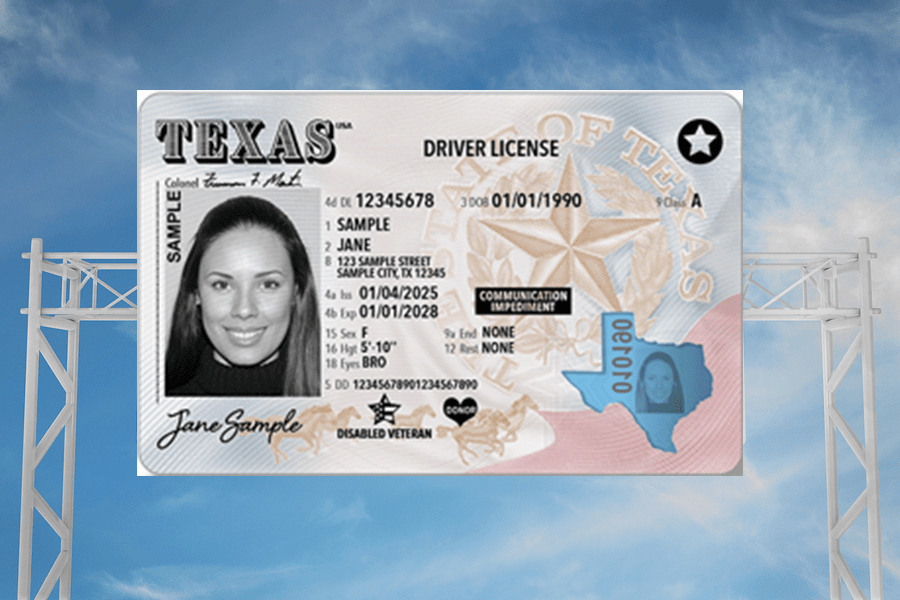
What the Class C License Permits
A Class C license authorizes the holder to operate:
- A single vehicle with a GVWR of less than 26,001 pounds.
- Any vehicle towing a trailer or other vehicle with a GVWR of less than 10,000 pounds.
- Vehicles designed to transport 15 passengers or more, including the driver (though commercial passenger vehicles may have additional endorsements).
- Vehicles that are not classified as Class A or B commercial motor vehicles.
This effectively covers standard passenger cars, SUVs, minivans, light pickup trucks, and small recreational vehicles, making it the workhorse license for everyday transportation and most travel scenarios within Texas and beyond.
Navigating the Texas Roads with a Class C License
The Class C license is the gateway to independent mobility for most Texans. It enables participation in daily life, from commuting to work and running errands to embarking on road trips and exploring the diverse attractions the state has to offer.
Daily Commuting and Errands
For residents of cities like Houston, Dallas, or San Antonio, a Class C license is essential for commuting to work, taking children to school, and managing household responsibilities. The ability to drive oneself grants a significant degree of freedom and efficiency in daily routines.
Leisure Travel and Road Trips
Texas is a vast state with a wealth of destinations, from the beaches of Galveston to the rolling hills of the Texas Hill Country and the vibrant cultural scenes in its major cities. A Class C license empowers individuals to embark on spontaneous weekend getaways or meticulously planned road trips. This includes exploring national parks like Big Bend National Park, visiting historic sites such as the Alamo in San Antonio, or enjoying the unique atmosphere of smaller towns like Marfa. The flexibility offered by a personal vehicle allows for exploration off the beaten path and at one’s own pace.
Considerations for International Visitors and New Residents
For those new to Texas or visiting from abroad, understanding the Class C license is paramount if they intend to drive. International visitors with a valid license from their home country may be permitted to drive for a limited period, but it is advisable to check current regulations. New residents must obtain a Texas driver’s license within a specified timeframe after establishing residency. This process will involve meeting the same requirements as other residents, including passing the necessary tests.
Maintaining and Understanding Restrictions of the Class C License
Like any privilege, driving comes with responsibilities. The Class C license requires adherence to traffic laws, and certain restrictions can apply, particularly for younger drivers.
Traffic Laws and Safe Driving Practices
Holders of a Class C license are expected to be well-versed in and abide by all traffic laws and safe driving practices. This includes obeying speed limits, yielding to pedestrians and other vehicles, using turn signals, and refraining from distracted driving, such as texting or using a mobile phone while operating the vehicle. Regular traffic violations can lead to fines, increased insurance premiums, and even license suspension.
Restrictions for Provisional License Holders
As previously mentioned, provisional license holders under 18 face specific restrictions designed to minimize risk during their initial driving years. These typically include:
- Nighttime Driving Curfew: Restrictions on driving between certain late-night and early-morning hours, unless for specific permitted reasons (e.g., work, school-sponsored event).
- Passenger Limits: Restrictions on the number and age of non-family passengers in the vehicle.
- Mobile Phone Use: A zero-tolerance policy for using wireless communication devices.
Failure to comply with these restrictions can result in penalties, including suspension of the provisional license.
License Renewal and Replacement
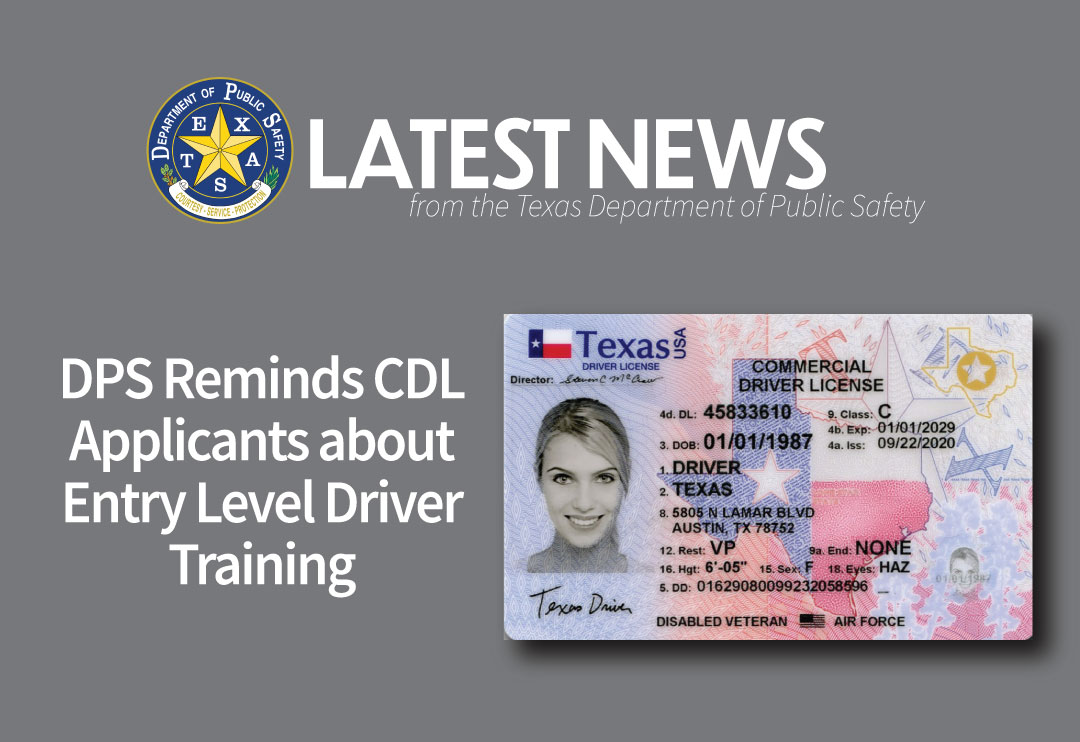
A Class C license has an expiration date, typically after several years. Drivers are responsible for renewing their license before it expires to avoid driving with an expired license, which is a traffic violation. Renewal can often be done online, by mail, or in person at a Texas Department of Public Safety (DPS) driver license office. If a license is lost, stolen, or damaged, a replacement license can be obtained by applying for a duplicate.
In conclusion, the Texas Class C license is the standard credential for operating most passenger vehicles in the state. Understanding its requirements, the tiered licensing system for younger drivers, and the responsibilities that come with it is essential for safe and legal driving. This license serves as a vital tool, unlocking personal freedom and enabling full participation in the dynamic lifestyle and vast travel opportunities that Texas has to offer.
LifeOutOfTheBox is a participant in the Amazon Services LLC Associates Program, an affiliate advertising program designed to provide a means for sites to earn advertising fees by advertising and linking to Amazon.com. Amazon, the Amazon logo, AmazonSupply, and the AmazonSupply logo are trademarks of Amazon.com, Inc. or its affiliates. As an Amazon Associate we earn affiliate commissions from qualifying purchases.