
California, a state renowned for its diverse landscapes, from sun-kissed beaches to towering mountain ranges, attracts millions of travelers each year. Its vast wilderness areas, including iconic national parks and sprawling national forests, offer unparalleled opportunities for outdoor adventures. However, with such natural beauty comes the presence of wildlife, including bears. For many contemplating a trip to California’s backcountry or even just a scenic drive through its forested regions, a common concern arises: are there aggressive bears in California? Understanding the behavior of these majestic creatures and implementing proper safety protocols is paramount for a safe and enjoyable travel experience in the Golden State.
Understanding California’s Bear Population
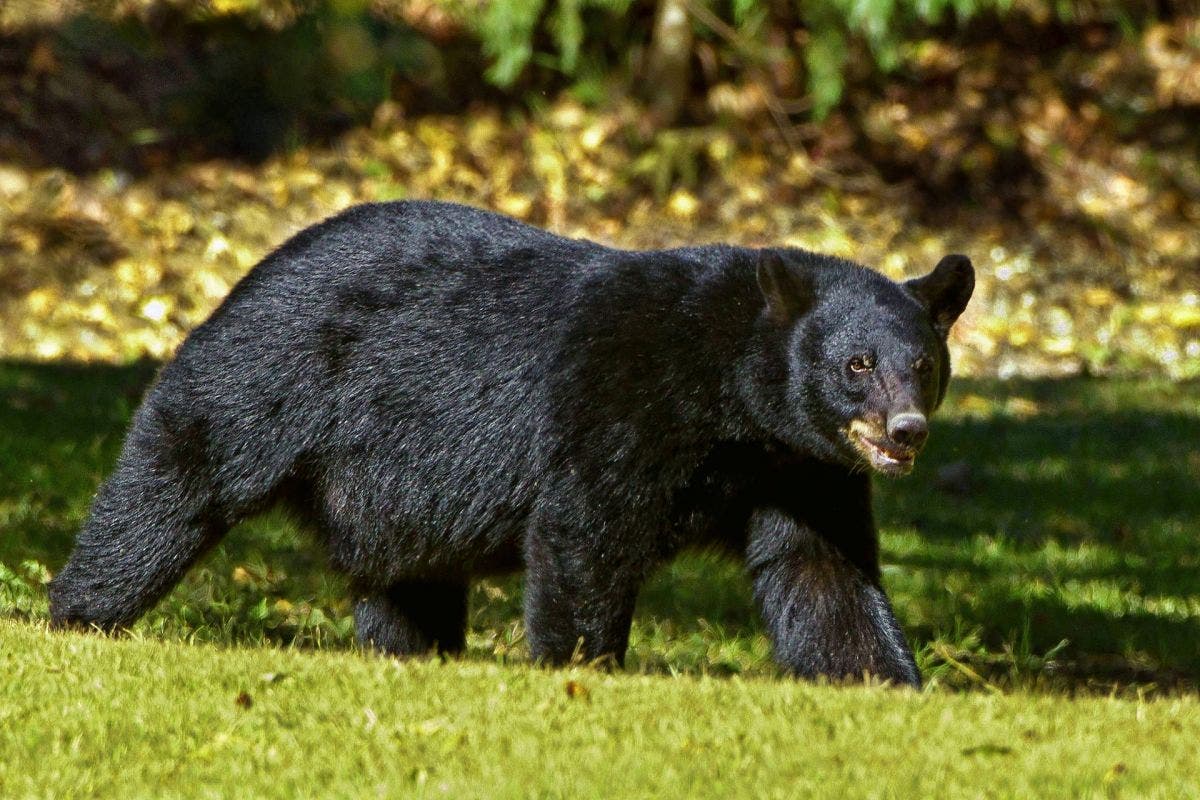
To address the question of aggressive bears, it’s crucial to first understand the types of bears found in California and their typical behavior. Contrary to popular belief and the state’s historical symbol, the only bear species currently inhabiting California’s wilderness is the American black bear. The California grizzly bear, once widespread, was hunted to extinction by the 1920s. This distinction is vital because black bears, while powerful wild animals, generally exhibit different behavioral patterns than grizzlies.
The American Black Bear: A Misunderstood Resident
American black bears (Ursus americanus) are opportunistic omnivores, meaning their diet largely consists of berries, nuts, insects, roots, and carrion, supplemented occasionally by small mammals or fish. They are not inherently aggressive towards humans. Most encounters are a result of bears seeking food, and they typically avoid human contact whenever possible. Their natural instincts drive them to conserve energy and avoid conflict, especially with larger, unknown entities like humans. Aggression is usually a last resort, triggered by feeling threatened, cornered, or defending cubs or a food source.
Natural Habitats and Range
Black bears thrive in diverse forest and mountain environments. In California, their range extends across the Sierra Nevada mountains, the Klamath Mountains, parts of the Coastal Ranges, and even some southern California mountain ranges. Key destinations where travelers might encounter bears include Yosemite National Park, Sequoia and Kings Canyon National Parks, the Lake Tahoe Basin, and numerous national forests such as Cleveland National Forest and Angeles National Forest. These areas provide abundant natural food sources and cover, making them ideal habitats.
Bear Behavior and Misconceptions
A crucial point for travelers is to differentiate between curious or food-conditioned behavior and true aggression. A bear that approaches a campsite or trailhead is almost certainly motivated by food. These “problem bears” have learned to associate humans with easy meals, often due to improper food storage or intentional feeding by people. This behavior, while problematic and potentially dangerous, is not an act of predatory aggression but rather learned opportunism. True aggression is rare and typically defensive, such as a mother bear protecting her cubs, or a bear that feels trapped. Understanding this distinction is key to reacting appropriately during an encounter.
Minimizing Encounters: Essential Bear Safety for Travelers
Traveling through bear country in California requires preparedness and adherence to specific safety guidelines. The goal is to avoid surprising a bear and to prevent bears from associating humans with food.
Food Storage and Campsite Etiquette
Improper food storage is the leading cause of human-bear conflicts. Travelers camping or picnicking in bear habitats must be diligent:
- Use Bear-Resistant Containers: In areas like Yosemite or Sequoia, bear-resistant food lockers are often provided at campsites. Always use them for all food, scented items (toiletries, trash), and even empty coolers.
- Bear Canisters for Backpacking: If backpacking in the backcountry, carrying an approved bear-resistant food canister is mandatory in many California wilderness areas. This protects your food and prevents bears from accessing it.
- Never Leave Food Unattended: Even for a moment, do not leave food, coolers, or scented items outside your vehicle or tent. Bears have an incredible sense of smell and can quickly investigate.
- Cleanliness is Key: Keep your campsite meticulously clean. Pack out all trash, crumbs, and food scraps. Dispose of garbage only in bear-resistant bins.
Hiking Smart: Trails, Noise, and Group Travel
When hitting the trails, adopting certain practices can significantly reduce the likelihood of an unexpected bear encounter:
- Make Noise: Talk, sing, or clap periodically, especially when hiking through dense brush, around blind corners, or near streams where the sound of rushing water can mask your approach. This alerts bears to your presence and gives them time to move away.
- Hike in Groups: Bears are more likely to avoid larger groups of people. Traveling with companions increases noise and makes your presence more apparent.
- Stay on Marked Trails: Wandering off-trail increases your chances of surprising a bear in its natural habitat.
- Carry Bear Spray: While not always required or readily available in California, bear spray can be a last resort defense. Learn how to use it properly before carrying it. Check local regulations on carrying bear spray.
- Watch for Bear Signs: Be aware of fresh bear scat, tracks, or overturned rocks, which indicate recent bear activity in the area.
What to Do in a Bear Encounter
If you encounter a black bear, remember that most encounters are not aggressive. The primary goal is to safely deter the bear without escalating the situation.
- Do Not Run: Running can trigger a chase response.
- Identify Yourself: Stand tall, wave your arms, and speak in a loud, firm voice. Make yourself look as large as possible.
- Back Away Slowly: Give the bear space to retreat. Do not block its escape route.
- Never Approach Cubs: If you see cubs, assume the mother is nearby. Give them a wide berth.
- Fight Back if Attacked: In the rare event of a black bear attack, especially if it seems predatory (the bear approaches silently and intently), fight back aggressively with anything at your disposal (rocks, sticks, fists). Do not play dead with a black bear.
Top California Destinations for Bear Sightings (and Safety Tips)
California’s vast protected lands offer the best opportunities to see bears in their natural environment, provided travelers exercise caution and respect for wildlife.

Yosemite National Park
Yosemite National Park is one of the most famous bear habitats in California. Black bears are frequently seen throughout the valley, along park roads, and in backcountry areas. Park rangers are vigilant about educating visitors on bear safety, and strict food storage regulations are enforced. Bear incidents here are almost exclusively related to food-conditioned bears attempting to access human provisions. Visitors should always use bear lockers, never leave food in vehicles, and report bear sightings to park staff.
Sequoia and Kings Canyon National Parks
These adjacent parks, home to giant sequoias and dramatic canyon landscapes, also host a healthy black bear population. Similar to Yosemite, bear activity revolves around food seeking. The wilderness areas here require bear canisters for overnight trips. The parks provide ample information on how to coexist with bears. Observing these magnificent creatures from a safe distance, often grazing in meadows or foraging in forests, is a highlight for many travelers.
Lake Tahoe Basin
The beautiful Lake Tahoe Basin, straddling the border between California and Nevada, is another significant area for black bear activity. Here, bears are often attracted to residential areas and campgrounds due to unsecured trash and food. Travel tips include securing garbage in bear-resistant bins, not leaving food in cars, and using bear boxes if camping. Local agencies like the Bear League actively work to educate residents and visitors on living with bears.
Other Wilderness Areas
Beyond the major national parks, bears can be found in numerous national forests and state parks across the state. The Cleveland National Forest and Angeles National Forest in Southern California, as well as the Shasta-Trinity National Forest in the north, all harbor bear populations. Travelers planning to visit these areas should always check the specific bear safety regulations for the particular forest or park they intend to explore, as guidelines can vary.
Dispelling Myths: The Reality of Bear Aggression
The notion of “aggressive bears” often conjures images of unprovoked attacks. While a bear encounter can be startling, the reality in California is far less dramatic than often portrayed.
Rarity of Attacks
Attacks by American black bears are exceedingly rare, especially unprovoked, predatory attacks. Most incidents involve bears that are habituated to human food, cornered, or defending cubs. The vast majority of California’s black bears are shy and prefer to avoid humans. With millions of visitors entering bear country each year, the number of actual injuries is infinitesimally small. Statistics consistently show that the most dangerous wildlife you are likely to encounter in the wilderness is other humans or even domestic dogs.
Human-Wildlife Coexistence
The presence of bears in California’s wild places is a testament to the state’s conservation efforts and the health of its ecosystems. The key to safe travel is understanding that we are visitors in their home. By following established safety protocols, travelers can coexist peacefully with bears, appreciating their role in the natural environment. The goal is not to eliminate encounters but to manage human behavior to prevent negative interactions.
Respecting Wildlife from a Distance
Observing bears from a respectful distance is a privilege. Using binoculars or a telephoto lens allows for incredible wildlife viewing without disturbing the animal. Never attempt to approach, feed, or interact with a bear. Such actions not only put you at risk but also habituate bears to humans, ultimately endangering the bear itself, as habituated bears often need to be relocated or, in extreme cases, euthanized. A healthy respect for their wild nature ensures both human safety and the bears’ continued survival in their natural habitat.
Responsible Tourism and Conservation Efforts
Responsible tourism in California’s bear country extends beyond personal safety; it encompasses a commitment to the preservation of these magnificent creatures and their habitats.
Protecting Bear Habitats
Visitors contribute to bear conservation by adhering to “Leave No Trace” principles. This means packing out everything you pack in, staying on marked trails, and respecting wildlife. Supporting national parks and forests through entrance fees or donations also aids in funding vital conservation programs, habitat protection, and research into bear populations. These efforts ensure that future generations of travelers can also experience the wonder of California’s wild places and its resident bears.

Educating Visitors
Many organizations, including the National Park Service, California Department of Fish and Wildlife, and local non-profits, dedicate significant resources to educating the public about bear safety and coexistence. Travelers are encouraged to utilize these resources, read park brochures, attend ranger talks, and visit interpretive centers. Being informed is the most powerful tool for ensuring a safe and enriching travel experience in California’s bear country.
In conclusion, while California does indeed have bears, the vast majority are American black bears that are not inherently aggressive towards humans. With proper planning, adherence to safety guidelines, and a healthy respect for wildlife, travelers can confidently explore the stunning natural landscapes of the Golden State, minimizing the risk of adverse encounters and maximizing the opportunities for unforgettable adventures.
LifeOutOfTheBox is a participant in the Amazon Services LLC Associates Program, an affiliate advertising program designed to provide a means for sites to earn advertising fees by advertising and linking to Amazon.com. Amazon, the Amazon logo, AmazonSupply, and the AmazonSupply logo are trademarks of Amazon.com, Inc. or its affiliates. As an Amazon Associate we earn affiliate commissions from qualifying purchases.