
August in Alaska offers a unique blend of late summer warmth and the undeniable whisper of autumn’s approach. This month is a prime time for visitors to explore the state’s vast wilderness, from majestic national parks to vibrant coastal towns, but it demands a strategic approach to packing. Understanding the nuances of Alaskan weather during this transitional period is paramount to ensuring comfort and maximizing your travel experience. Far from being a uniform climate, Alaska presents diverse conditions across its regions, making a versatile wardrobe essential for any traveler venturing north.
Understanding August Weather in Alaska
August is often considered one of the best months to visit Alaska, yet it’s also one of the most unpredictable. While daylight hours begin to noticeably shorten compared to June and July, they are still ample for extensive exploration, often ranging from 14 to 17 hours, depending on your latitude. Temperatures typically range from the mid-40s to low 60s Fahrenheit (around 7-18°C) in most populated areas and national parks. However, these are averages, and significant fluctuations are common, sometimes within a single day.

Coastal regions like Juneau and those along the Inside Passage tend to be milder but wetter, with frequent rainfall and misty conditions. Inland areas such as Fairbanks and Denali National Park can experience warmer daytime temperatures, occasionally reaching into the 70s°F (20s°C), but with considerably cooler nights, often dropping into the 30s°F (0s°C). The interior is also generally drier than the coast. Southern Central Alaska, encompassing cities like Anchorage and the Kenai Peninsula, offers a mix, with pleasant days and chilly evenings, and a moderate chance of rain.
The key takeaway is variability. A clear, sunny morning can quickly give way to rain, strong winds, or even sleet in higher elevations, especially as you move closer to the end of the month. Therefore, layering becomes not just a recommendation but a necessity for adapting to these rapid changes.
The Essential Layering System
Successfully navigating Alaska’s August weather relies heavily on a well-thought-out layering system. This approach allows you to add or shed clothing as conditions dictate, maintaining optimal comfort throughout your day, whether you’re hiking a mountain trail or exploring a town.
Base Layer: Moisture-Wicking Comfort
The layer closest to your skin should be designed to manage moisture effectively. Materials like merino wool or synthetic fabrics (polyester, polypropylene) are ideal because they wick sweat away from your body, keeping you dry and preventing chills. Cotton, while comfortable in stable temperatures, retains moisture and should be avoided for active wear in Alaska as it loses its insulating properties when wet, potentially leading to hypothermia. Pack several short-sleeved shirts for warmer days and a couple of long-sleeved options for cooler conditions or as an added layer of warmth.
Mid-Layer: Insulation and Warmth
The mid-layer provides crucial insulation. Fleece jackets (200-300 weight) or lightweight down/synthetic puffy jackets are excellent choices. These layers trap warm air close to your body, offering significant warmth without excessive bulk. A mid-layer should be easy to put on and take off, allowing you to regulate your temperature efficiently. For those embarking on more strenuous activities or planning to be in higher altitudes, a slightly heavier mid-layer might be beneficial.
Outer Layer: Weather Protection
Your outermost layer is your shield against the elements – rain, wind, and even light snow. A waterproof and windproof jacket is non-negotiable for an August trip to Alaska. Look for jackets made from Gore-Tex or similar proprietary waterproof-breathable membranes. This shell should be roomy enough to fit comfortably over your base and mid-layers without feeling restrictive. It’s also advisable to bring waterproof pants, especially if you plan on hiking, fishing, or participating in boat tours where spray and rain are common. Remember, even if the forecast doesn’t predict rain, Alaskan weather can change on a dime.
Activity-Specific Attire
Your specific itinerary will influence certain clothing choices, though the layering principle remains universal.
For Hiking and Wilderness Exploration
If your plans include extensive hiking in areas like Denali National Park or the vast wilderness of the Alaska Range, rugged and durable gear is essential.
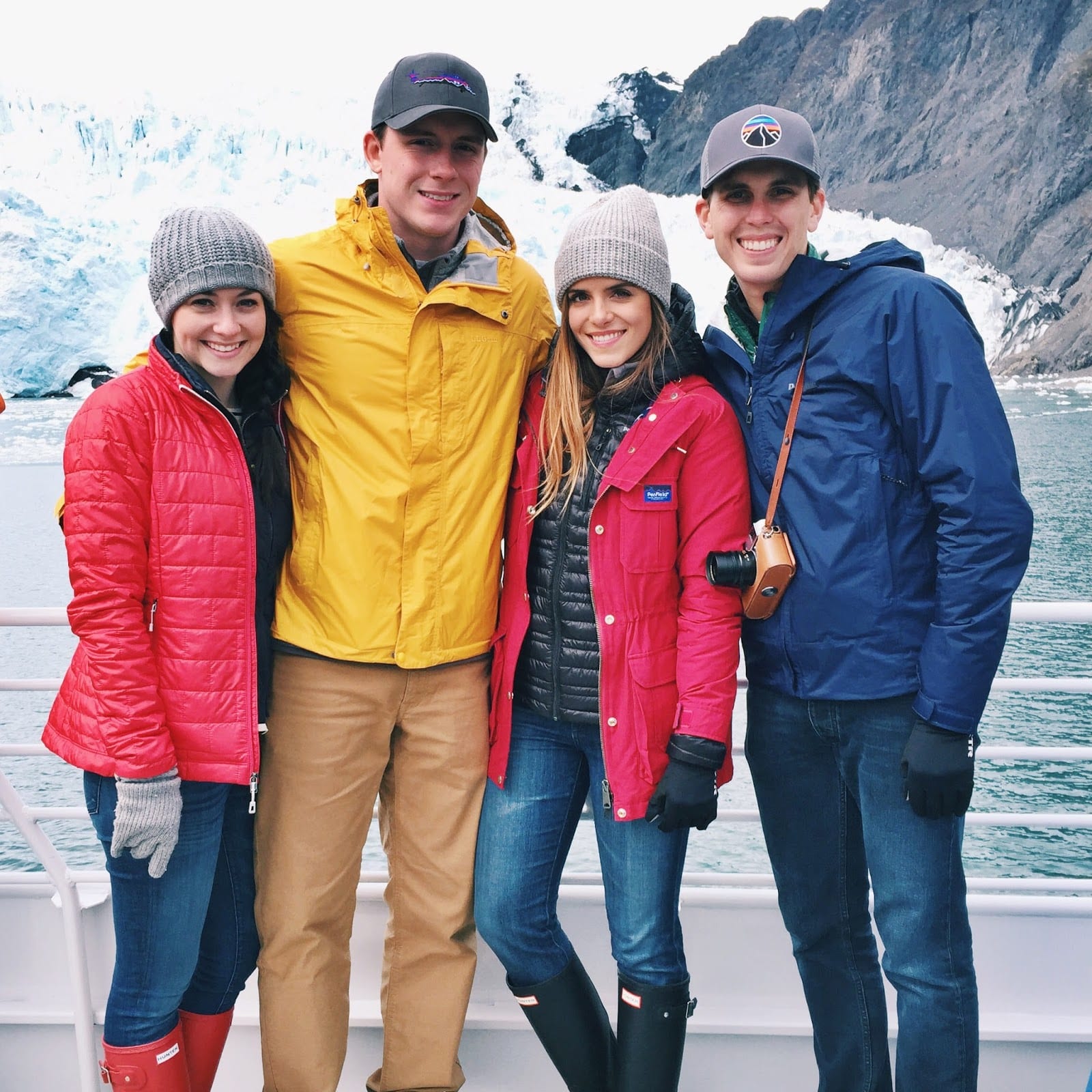
- Pants: Opt for quick-drying hiking pants made from synthetic blends. These offer freedom of movement, are resistant to abrasion, and handle moisture well. Zip-off convertible pants are a popular choice, offering flexibility for varying temperatures. Avoid jeans, as they are slow to dry and uncomfortable when wet.
- Insulated Vest: A lightweight insulated vest can be an excellent addition for core warmth without restricting arm movement, perfect for layering during active pursuits.
- Headwear: A warm beanie or wool hat is crucial for retaining body heat, especially in the mornings, evenings, or at higher elevations. A wide-brimmed hat or baseball cap can offer sun protection during brighter days.
- Gloves: Lightweight, quick-drying gloves (fleece or wool) are surprisingly useful, particularly for cooler mornings, evenings, or when on boat tours.
For Cruising and Boat Tours
Many visitors experience Alaska via cruises or smaller boat tours through fjords and bays.
- Warmth is Key: Even on sunny days, the wind chill on the water can be significant. Ensure your outer layers are truly windproof.
- Waterproof Protection: Splash from waves and light rain are common. Your waterproof jacket and pants will be invaluable.
- Binoculars and Camera Gear: While not clothing, consider how you’ll protect your electronics from moisture.
- Scarf: A simple scarf can provide extra warmth around your neck against chilly winds.
For Town Exploration and Dining
While functionality is key, you might want a few items for more casual settings.
- Comfortable Casual Wear: A couple of pairs of comfortable pants or dark jeans (for non-active wear), and a few nicer tops will suffice for evenings out in Anchorage or Fairbanks.
- Lightweight Sweater: A casual wool or fleece sweater can be a stylish and warm alternative to your technical mid-layer.
Footwear and Accessories
The right footwear can make or break your Alaskan adventure.
Footwear
- Waterproof Hiking Boots: This is arguably the most critical item. Choose sturdy, broken-in, waterproof hiking boots with good ankle support and aggressive traction. Your feet will thank you after navigating muddy trails, rocky beaches, and slippery boardwalks. Ensure they are comfortable for long periods of walking.
- Casual Shoes: A pair of comfortable, closed-toe shoes or sneakers are good for travel days, relaxing in your accommodation, or short walks in town. They should ideally be water-resistant.
- Camp Shoes/Slippers: If you are staying in cabins or remote lodges, a pair of lightweight slip-on shoes or even sturdy slippers can be a welcome comfort.
Socks
- Wool or Synthetic Socks: Pack plenty of moisture-wicking socks, primarily wool (merino) or synthetic blends. Avoid cotton socks for hiking. Bring varying thicknesses to pair with your boots for different temperatures.
- Liners: Thin sock liners can help prevent blisters and add an extra layer of warmth.
Other Essential Accessories
- Insect Repellent: August can still bring mosquitoes and other biting insects, especially near water or in forested areas. DEET-based repellents are highly effective.
- Sunscreen and Sunglasses: Even on cloudy days, UV radiation can be strong, especially when reflected off glaciers or water.
- Small Backpack/Daypack: A waterproof or water-resistant daypack is indispensable for carrying extra layers, water, snacks, camera, and other essentials during daily excursions.
- Water Bottle: Staying hydrated is always important, especially when active.
- Camera Gear: Protect your camera from the elements with waterproof covers or dry bags.
- Power Bank: Keep your electronic devices charged, especially if you’re exploring remote areas.

Final Packing Considerations
When planning your August wardrobe for Alaska, think “versatility” and “preparedness.” Even if you’re traveling on a cruise, shore excursions will expose you to the elements, making these guidelines equally relevant. Prioritize quality gear over quantity. Investing in good waterproof and insulating layers will significantly enhance your comfort and enjoyment.
- Luggage: Consider a soft-sided duffel bag or backpack for ease of transport, especially if you’ll be taking smaller bush planes or the Alaska Railroad, which often have stricter luggage weight and size restrictions.
- Ziploc Bags/Dry Bags: Excellent for organizing items within your luggage and protecting electronics or important documents from moisture.
- First-Aid Kit: A basic kit with pain relievers, blister treatment, and any personal medications is always a good idea.
By thoughtfully curating your wardrobe with an emphasis on layering, weather protection, and activity-appropriate gear, you’ll be well-prepared to embrace the unparalleled beauty and adventurous spirit of Alaska in August, regardless of what the ever-changing weather decides to throw your way. Enjoy the vast landscapes, incredible wildlife, and unforgettable experiences that await you in the Last Frontier.
LifeOutOfTheBox is a participant in the Amazon Services LLC Associates Program, an affiliate advertising program designed to provide a means for sites to earn advertising fees by advertising and linking to Amazon.com. Amazon, the Amazon logo, AmazonSupply, and the AmazonSupply logo are trademarks of Amazon.com, Inc. or its affiliates. As an Amazon Associate we earn affiliate commissions from qualifying purchases.